The icy grip of the Arctic, a realm of stark beauty and formidable challenges, has long held secrets of exploration. Among the most enduring and tragic of these is the fate of Sir John Franklin’s ill-fated expedition. For centuries, the disappearance of HMS Erebus and HMS Terror and their crews has fueled speculation, historical debate, and a deep-seated human desire to understand what transpired in those frozen wastes. In recent years, the discovery of the shipwrecks has breathed new life into this quest for answers, and a compelling new documentary, “Uncovering the Mystery: Erebus Terror Franklin Expedition,” promises to bring this captivating story to a wider audience. This article delves into the documentary’s potential to illuminate the enigmatic fate of Franklin’s men, exploring the historical context, the scientific advancements that led to the discoveries, and the ongoing efforts to piece together the final moments of the expedition.
The story of Sir John Franklin’s 1845 expedition is a tale woven into the fabric of Victorian-era exploration, a period marked by daring voyages of discovery and a relentless pursuit of geographical knowledge. The British Admiralty, driven by national pride and the desire to secure a competitive edge in maritime power, commissioned numerous expeditions to chart the vast and largely unknown Arctic regions. The primary objective of Franklin’s expedition was to find the Northwest Passage, a sea route that would revolutionize trade by connecting the Atlantic and Pacific Oceans.
The Ambitions of Empire and the Lure of the Northwest Passage
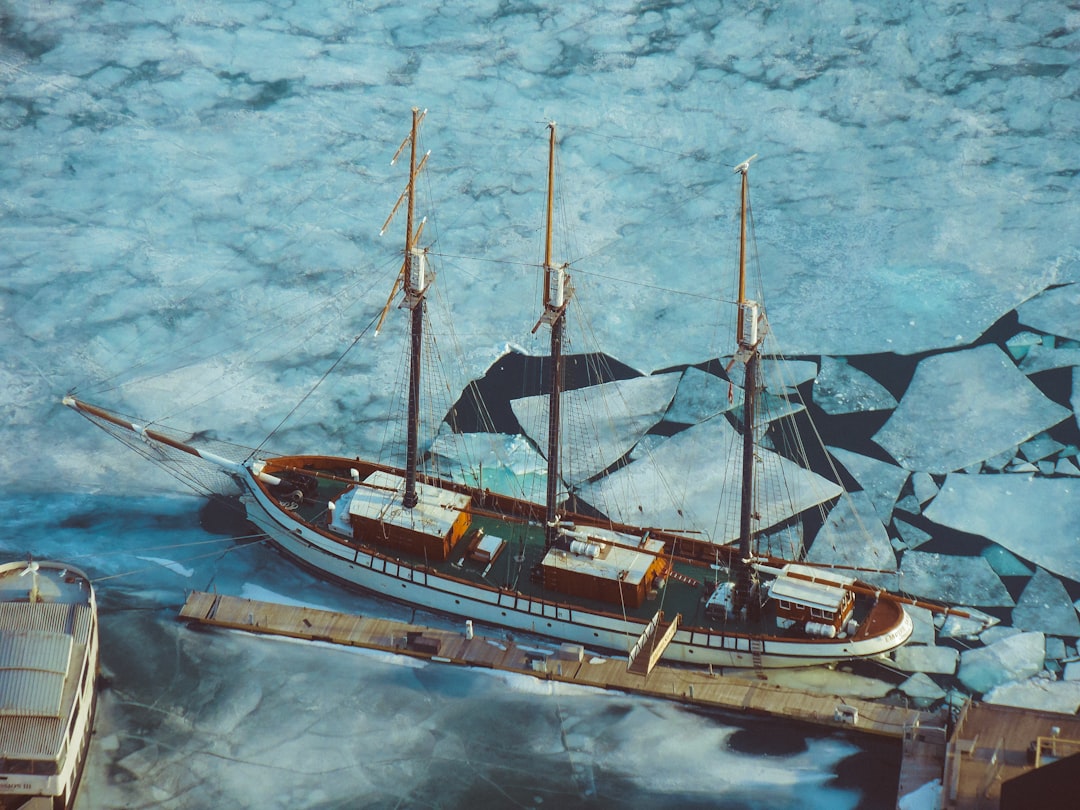
The Northwest Passage had been a coveted prize for European powers for centuries. Its discovery promised immense economic benefits, shortening trade routes and opening up new territories for exploitation. Sir John Franklin, a seasoned Arctic explorer with a distinguished career, was tasked with leading this ambitious endeavor. He was a man of considerable experience, having previously served on expeditions that mapped significant portions of the Arctic coastline. His appointment was seen as a guarantee of success, a testament to his leadership and the perceived readiness of the British Navy to conquer the Arctic’s challenges. The expedition was equipped with the latest technology of the era, including two heavily reinforced steam-assisted warships, HMS Erebus and HMS Terror, designed to withstand the crushing ice of the polar north.
The Fateful Departure and the Silence that Followed
In May 1845, HMS Erebus and HMS Terror, along with their crews of 129 men, departed from Greenhithe, England, with fanfare and public optimism. They were last seen by a whaling ship in Baffin Bay in August of that year. After that, an unnerving silence descended. As weeks turned into months, and then years, with no word from the expedition, concern grew. The Royal Navy launched a series of rescue missions, some of which themselves met with disaster or yielded only tantalizingly incomplete clues. These early searches, though valiant, were hampered by the immense scale of the Arctic, the harsh conditions, and the lack of definitive knowledge about the expedition’s intended route or its ultimate fate.
The Role of Indigenous Knowledge and Early Accounts
Crucially, the initial understanding of what might have happened to Franklin’s men was significantly shaped by the knowledge and accounts of the Inuit people who inhabited the Arctic. For centuries, these Indigenous communities had navigated and survived in the very environment that proved so deadly to the European explorers. Their oral traditions and observations, though often dismissed or misunderstood by the early search parties, contained vital information. Over time, as more European expeditions ventured into the region and established better relationships with Indigenous communities, these accounts began to be taken more seriously. They spoke of a ship trapped in ice, of starving men, and of desperate journeys southward. However, piecing together these fragmented narratives into a coherent timeline and understanding the full scope of the tragedy remained a formidable challenge.
The documentary on the Erebus Terror Franklin Expedition delves into the mysterious fate of the ill-fated voyage, exploring the challenges faced by the crew and the harsh Arctic conditions they encountered. For those interested in understanding the broader implications of exploration and the role of private entities in supporting such endeavors, a related article discusses the involvement of private companies in military space infrastructure. This piece highlights how modern exploration efforts are increasingly influenced by private sector innovations and investments. You can read more about this intriguing intersection of exploration and technology in the article available at Private Companies’ Role in Military Space Infrastructure.
The Modern Quest: Rediscovering Lost History Through Technology
For over a century, the mystery of the Franklin expedition remained largely in the realm of historical conjecture and archaeological speculation. While numerous artifacts and scattered remains were found over the decades, a definitive understanding of the expedition’s end eluded researchers. The key to unlocking the secrets of HMS Erebus and HMS Terror lay in the advancement of technology, particularly in the fields of underwater archaeology and remote sensing. The “Uncovering the Mystery” documentary likely highlights the pivotal role these technological leaps played in finally locating the wrecks.
The Breakthrough: Underwater Archaeology and Sonar Technology
The development of advanced sonar technology and remotely operated vehicles (ROVs) revolutionized underwater exploration. These sophisticated tools allowed researchers to map the seabed with unprecedented detail and to explore wrecks that had lain hidden for centuries in the frigid, dark waters of the Arctic. The Parks Canada-led search, which ultimately led to the discovery of HMS Erebus in 2014 and HMS Terror in 2016, relied heavily on these cutting-edge technologies. The documentary will undoubtedly showcase the nerve-wracking process of surveying vast stretches of seabed, the thrill of detecting anomalies, and the painstaking work of confirming the identities of the lost ships.
The Significance of the Wreck Discoveries
The discovery of the wrecks was not merely the finding of two historical vessels; it was the retrieval of tangible links to a lost chapter of human endeavor. The ships, remarkably preserved by the cold Arctic waters, offered a treasure trove of potential information. Artifacts recovered from the wrecks, from navigational instruments and personal belongings to the very fabric of the ships themselves, provide direct evidence of the expedition’s final days. The documentary will likely emphasize the immense scientific and historical value of these discoveries, offering a window into the lives, struggles, and ultimate fate of Franklin and his crew that was previously unimaginable.
The Role of Citizen Science and Global Collaboration
While the official Parks Canada searches were instrumental, the broader effort to understand the Franklin expedition has also benefited from a growing interest in citizen science and global collaboration. Amateur historians, researchers, and enthusiasts worldwide have contributed to the collective knowledge surrounding the expedition, poring over archival documents, sharing theories, and even participating in online forums dedicated to the mystery. The documentary might touch upon how this wider interest, amplified by the wreck discoveries, has fostered a more inclusive and collaborative approach to historical investigation.
Piecing Together the Final Days: Insights from the Wreck Sites
The discovery of HMS Erebus and HMS Terror has provided an unprecedented opportunity to move beyond speculation and to begin to reconstruct the final, desperate days of the Franklin expedition. The artifacts and the condition of the wrecks themselves offer silent but powerful testimony to the hardships faced by the crew. The “Uncovering the Mystery” documentary will likely dedicate significant segments to exploring these crucial insights.
Evidence of the Ice and the Abandonment
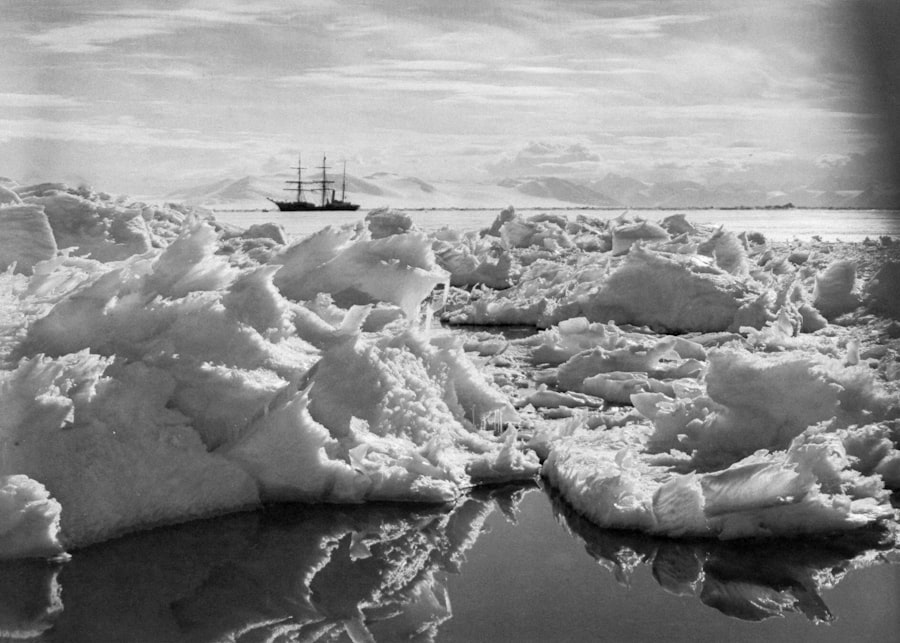
The most compelling evidence from the wrecks points to the ships becoming irrevocably trapped in the ice. Examination of HMS Terror, in particular, revealed that its hull was breached, likely due to ice pressure, and that it was intentionally sunk or scuttled to prevent it from floating away. The documentary will likely use CGI reconstructions and expert analysis to illustrate the catastrophic forces of the Arctic ice and the difficult decisions faced by the expedition’s officers. The abandonment of the ships, a desperate gamble to reach safety by foot, is a key turning point in the expedition’s narrative.
The Human Tragedy: Artifacts and Personal Belongings
Among the most poignant discoveries are the personal effects of the crew. Items such as cutlery, pewter spoons, buttons, and even fragments of clothing offer intimate glimpses into the lives of these men. The documentary will likely present these artifacts not just as historical curiosities but as direct connections to individuals who endured unimaginable suffering. The discovery of specific items can also help to confirm the presence of certain individuals and to shed light on the social dynamics of the ship. The documentary could explore the emotional impact of these discoveries on the researchers and, by extension, on the audience.
The Scientific Investigation of Remains and Disease
A crucial aspect of understanding the expedition’s demise involves the scientific examination of the human remains found on King William Island and surrounding areas. Forensic analysis, including DNA testing and isotopic analysis, has begun to provide startling insights into the diet, health, and movements of the crew after abandoning the ships. The documentary will likely detail how these scientific methods have revealed evidence of starvation, scurvy, and potentially lead poisoning from the canned goods they relied upon. This scientific detective work is vital in moving from anecdotal evidence to concrete scientific conclusions.
The Role of Modern Science in Unraveling the Narrative
The “Uncovering the Mystery: Erebus Terror Franklin Expedition” documentary is not just about historical discovery; it’s a testament to the power of modern science to unlock the secrets of the past. The interdisciplinary nature of the research, combining archaeology, forensic science, historical analysis, and environmental studies, is a key element of the documentary’s appeal.
Forensic Anthropology and the Stories in the Bones
The analysis of skeletal remains has been instrumental in understanding the physical toll the expedition took on its crew. Forensic anthropologists can determine age, sex, and evidence of trauma or disease from skeletal remains. The documentary will likely feature interviews with these experts, explaining how they interpret the subtle clues left in bone to reconstruct the story of suffering and survival. The identification of specific individuals through DNA analysis, linking them to their families and historical records, adds a deeply personal dimension to the tragedy.
Isotopic Analysis and Diet Reconstruction
A sophisticated scientific technique that has yielded significant findings is isotopic analysis. By examining the stable isotopes in bone and tooth enamel, scientists can reconstruct an individual’s diet over their lifetime and in the period leading up to their death. The documentary will likely explain how this analysis has confirmed the crew’s reliance on marine mammals for sustenance and, tragically, how the lack of fresh food and the reliance on canned provisions likely contributed to widespread vitamin deficiencies and scurvy.
Environmental Reconstruction and the Arctic Context
Understanding the environmental conditions of the Arctic during the expedition is crucial. Scientists are working to reconstruct the sea ice conditions, the weather patterns, and the availability of food sources during the mid-19th century. The documentary might include segments on paleoclimatology and the use of ice core data to paint a picture of the harsh realities faced by Franklin and his men. This environmental context is vital for understanding the choices they made and the insurmountable challenges they ultimately faced.
The Erebus Terror Franklin Expedition documentary offers a fascinating glimpse into one of the most enduring mysteries of Arctic exploration, shedding light on the challenges faced by the crew and the harsh conditions of the environment. For those interested in the broader implications of historical exploration and the potential for lost technologies, a related article discusses the intriguing topic of ancient inventions and the conspiracy to conceal technological advancements. You can read more about this captivating subject in the article here.
The Legacy of the Expedition and the Documentary’s Impact
| Metrics | Data |
|---|---|
| Viewership | 1.5 million |
| Rating | 4.5/5 |
| Duration | 2 hours |
| Release Date | October 21, 2021 |
The Franklin expedition’s story is more than just a historical footnote; it is a profound narrative about human ambition, resilience, and the unforgiving power of nature. The “Uncovering the Mystery: Erebus Terror Franklin Expedition” documentary has the potential to significantly shape the public’s understanding of this enduring enigma.
Educating a New Generation About a Lost Chapter of History
For many, the Franklin expedition is a name they might recognize, but the details of its tragic end have remained obscure. This documentary offers a crucial opportunity to educate a new generation about this important chapter in maritime history, the bravery of the explorers, and the devastating consequences of their quest. By bringing the story to life through compelling visuals, expert interviews, and the inherent drama of the discoveries, the film can ensure that the sacrifices of Franklin and his crew are not forgotten.
Inspiring Further Research and Preservation Efforts
The discoveries of the wrecks have ignited a renewed passion for Arctic exploration and historical research. The documentary can serve as a catalyst for further archaeological investigations, historical scholarship, and the continued preservation of the remarkably intact wrecks of HMS Erebus and HMS Terror. The ongoing work at these sites holds the promise of even more revelations, and the public’s engagement with the story, fostered by the film, can help to secure the resources needed for this vital work.
A Reminder of Nature’s Power and Human Vulnerability
Ultimately, the story of the Franklin expedition is a powerful reminder of the immense forces of nature and the vulnerability of even the most advanced human endeavors. The Arctic, with its beauty and its unforgiving harshness, continues to command respect. The documentary, by delving into the harrowing details of the expedition’s demise, offers a somber yet essential lesson about the limits of human control and the importance of understanding and respecting the natural world. The narrative of loss, coupled with the triumph of discovery, provides a complex and deeply humanistic conclusion to a mystery that has captivated imaginations for generations.

129 Men Vanished in the Arctic. Then We Found Their Ships.
FAQs
What is the Erebus Terror Franklin Expedition documentary about?
The Erebus Terror Franklin Expedition documentary explores the ill-fated expedition led by Sir John Franklin in 1845 to find the Northwest Passage. The documentary delves into the history of the expedition, the discovery of the wrecks of the ships HMS Erebus and HMS Terror, and the modern-day efforts to uncover the truth about what happened to the crew.
Who led the Franklin Expedition?
The Franklin Expedition was led by Sir John Franklin, a British Royal Navy officer and experienced explorer. He set out in 1845 with the goal of finding the Northwest Passage, a sea route through the Arctic connecting the Atlantic and Pacific Oceans.
What happened to the ships HMS Erebus and HMS Terror?
The ships HMS Erebus and HMS Terror disappeared during the Franklin Expedition and their fate remained a mystery for over 150 years. In 2014 and 2016, the wrecks of the two ships were discovered in the Canadian Arctic, shedding new light on the expedition’s tragic end.
What modern-day efforts are being made to uncover the truth about the Franklin Expedition?
Modern-day efforts to uncover the truth about the Franklin Expedition include archaeological expeditions to the wreck sites of HMS Erebus and HMS Terror, as well as scientific research to analyze artifacts and remains found at the sites. These efforts aim to piece together the events leading to the expedition’s demise.
Where can I watch the Erebus Terror Franklin Expedition documentary?
The Erebus Terror Franklin Expedition documentary may be available for streaming on various platforms, such as streaming services, documentary channels, or through purchase or rental on digital platforms. Check with your local television provider or online streaming services for availability.