
The vast, unforgiving expanse of the Arctic has a long and storied history of exploration, a realm where human ambition grappled with nature’s raw power. Among the many ill-fated voyages that dot this frozen frontier, few capture the imagination and stir the soul quite like the mystery of Sir John Franklin’s lost expedition. In 1845, two state-of-the-art Royal Navy ships, HMS Erebus and HMS Terror, set sail from England with the ambitious goal of navigating the fabled Northwest Passage. What followed was a chilling silence, a disappearance that echoed across continents, and a legacy of unanswered questions that continues to haunt the annals of polar exploration. The Franklin Expedition, more than any other, embodies the ultimate enigma of the Arctic, a testament to its enduring capacity to swallow secrets and defy human understanding.
The Genesis of a Grand Ambition
The quest for the Northwest Passage, a hypothetical sea route connecting the Atlantic and Pacific Oceans through the Arctic archipelago, had captivated explorers for centuries. It promised not only a significant shortcut for trade and travel but also a profound triumph of human ingenuity over geographical barriers. By the mid-19th century, Britain, as the preeminent naval power, felt a particular urgency to claim this prize. The Royal Navy, with its vast resources and experienced officers, was the natural engine of this endeavor.
A Commander of Experience, Yet Unsuited for the Task
Sir John Franklin, a seasoned naval officer with over 30 years of service, was chosen to lead this crucial expedition. His prior Arctic experience, including voyages to the Canadian Arctic and service in the Napoleonic Wars, made him seem a logical choice. He was a respected figure, known for his stoicism and dedication. However, some historians and contemporaries later questioned whether Franklin, at the age of 59, was the most suitable commander for the immense physical and psychological demands of such a perilous undertaking. His administrative experience often outweighed his direct polar command experience in the later years of his career. The decision to place him at the helm, while understandable given his standing, would ultimately become a point of contention and speculation.
The Technological Edge: HMS Erebus and HMS Terror
The Royal Navy spared no expense in outfitting the expedition. HMS Erebus and HMS Terror were chosen for their robust construction and proven ability to withstand the crushing forces of Arctic ice. These bomb vessels, designed for bombarding shore fortifications, possessed strong hulls and were exceptionally sturdy, making them ideal for navigating treacherous frozen waters. They were further reinforced with iron plating and fitted with steam engines, a relatively new but promising technology for polar exploration, offering a degree of maneuverability independent of the winds. The ships were provisioned with an unprecedented amount of food and supplies, intended to last for three years. This forward-thinking approach to logistics, while admirable, also underscores the immense confidence placed in the expedition’s success and the presumed navigability of the passage. The ships were, in many ways, the pinnacle of maritime technology of their era, designed to conquer the very elements that would ultimately prove their undoing.
The Franklin Expedition, a historical mystery that has captivated researchers and enthusiasts alike, delves into the ill-fated journey of Sir John Franklin and his crew in search of the Northwest Passage. This expedition, which ended in tragedy, has led to numerous investigations and documentaries exploring its enigmatic circumstances. For those interested in uncovering more about historical mysteries and their connections to ancient cultures, a fascinating article on the properties of Egyptian blue pigment can be found here: Unveiling the Properties of Egyptian Blue Pigment. This piece highlights the significance of color in history and its intriguing connections to various civilizations, paralleling the exploration themes found in the Franklin Expedition.
The Voyage into the Unknown
In May 1845, HMS Erebus and HMS Terror, under the command of Sir John Franklin, departed from Greenhithe, England, with a crew of 129 men, including officers, seamen, and scientists. The expedition carried with it the hopes and expectations of a nation eager for the glory of discovering the Northwest Passage. The initial stages of the journey were uneventful, with the ships making good progress north. They were last sighted by Captain Robert Anstruther of the whaling ship Prince of Wales on July 26, 1845, near Melville Bay, Greenland. This sighting marked the last confirmed visual contact with the expedition, plunging them into an abyss of silence and speculation.
The Unseen Adversary: The Arctic Ice
The Arctic is a realm of perpetual challenge, and its most formidable adversary is its ice. The Northwest Passage, even in the summer months, is a labyrinth of shifting ice floes, formidable pack ice, and treacherous icebergs. Franklin’s expedition was not only facing the navigational complexities of the passage itself but also the relentless, crushing power of the Arctic winter. The ships, though reinforced, were ultimately vulnerable to the immense pressures exerted by the frozen sea. The expectation was that they would find a clear passage, or at least periods of open water that would allow them to progress. The reality, as it often does in the Arctic, proved far more unforgiving.
The Crucial Decisions: Navigational Choices and Potential Pitfalls
The precise route taken by Franklin after the last sighting remains a subject of intense debate. Historical evidence and Inuit testimony suggest that the expedition entered Viscount Melville Sound, a region known for its extensive and persistent ice. This decision, whether driven by optimism, miscalculation, or an unforeseen turn of events, may have sealed their fate. The expedition’s officers were experienced, but the true nature of the Arctic’s seasonal ice dynamics, especially in the face of a changing climate, might have been underestimated. The reliance on steam power, while innovative, was limited by the need for fuel, and the vastness of the search area meant that a failure to progress quickly could lead to being trapped for extended periods.
The Echoes of Silence: A Growing Concern
As weeks turned into months, and months into years, the silence from the Franklin expedition became deafening. The Royal Navy, accustomed to regular reports from its vessels, grew increasingly concerned. Initially, the absence of news was attributed to the long distances and the nature of polar exploration. However, as the first anniversary of their departure passed without a word, the unease began to morph into a genuine fear. The Royal Navy, driven by a sense of duty and the public’s growing anxiety, began to organize a series of search expeditions.
The Early Search Efforts: A Flickering Hope
The first of many search parties were launched within a few years of the expedition’s disappearance. These early expeditions, primarily launched by the Royal Navy and later joined by American efforts, were driven by a desperate hope to locate survivors and salvage any information about the fate of the Erebus and Terror. These searchers, braving their own perilous journeys, combed the Arctic waters and coastlines, interviewing Inuit communities, and meticulously examining any debris that washed ashore. The vastness of the Arctic, however, made these efforts incredibly challenging. The sheer scale of the search area meant that finding two ships and their crew was like searching for needles in a continent-sized haystack.
The Inuit Testimony: Whispers from the Ice
Crucially, the indigenous Inuit people of the Canadian Arctic held vital knowledge about the fate of the Franklin expedition. For generations, their oral traditions passed down accounts of the “iyoukhitti” or “white men” who became stranded. These testimonies, often fragmented and delivered through intermediaries, spoke of ships trapped in the ice, starvation, disease, and the tragic journeys of the survivors across the frozen landscape. Initially, these accounts were met with skepticism by some European explorers, who often dismissed Inuit knowledge as superstition or exaggeration. However, as more evidence emerged, the accuracy and significance of their testimony became undeniable, providing crucial clues that guided later searches.
The Grim Discovery: Unveiling Fragments of Tragedy
The search for the Franklin expedition spanned decades, involving numerous expeditions and significant financial investment. It was a testament to the enduring human desire to uncover truth and the lingering impact of this national tragedy. The discoveries were piecemeal, each one adding a somber brushstroke to the unfolding picture of the expedition’s demise. It was not a single moment of revelation but a slow, arduous process of piecing together the fragmented evidence.
The First Breakthrough: Footprints in the Snow
The first tangible evidence of the expedition’s fate emerged in the 1850s. Captain Robert McClure, leading a parallel search, discovered a message in a cairn on King William Island, left by Franklin’s men. This message, dated April 25, 1848, provided a chilling update: the ships had been icebound for over a year, and the surviving crew were preparing to abandon them and march south. This discovery confirmed that the expedition was in dire straits and had embarked on a desperate, likely fatal, overland journey. The message itself was a testament to their resilience, a final plea for rescue etched in the harsh reality of their situation.
The Graveyards of the North: Evidence of Starvation and Scurvy
Subsequent expeditions, most notably those led by Sir Francis McClintock in the late 1850s, brought back more devastating evidence. McClintock’s crew discovered skeletal remains of crew members scattered across King William Island and the Boothia Peninsula. Analysis of these remains revealed clear signs of starvation, scurvy (a deficiency of vitamin C), and other diseases that had ravaged the crew. The presence of cut marks on the bones of some individuals also led to the deeply disturbing possibility of cannibalism, a grim testament to the extreme measures the survivors were forced to take in their fight for survival. This evidence, while gruesome, painted a stark picture of the expedition’s final days.
The Recovery of the Ships: HMS Erebus and HMS Terror Found
For over a century and a half, the final resting places of HMS Erebus and HMS Terror remained a mystery. The vast, often ice-covered waters of the Arctic kept their secrets well hidden. However, in 2014, a breakthrough of monumental significance occurred. A Canadian expedition, utilizing advanced sonar technology and guided by Inuit knowledge, located the wreck of HMS Erebus in the Queen Maud Gulf. The following year, in 2015, HMS Terror was also discovered, remarkably well-preserved in the icy depths of Terror Bay on King William Island. The discovery of the ships, long thought to be lost forever, provided a tangible link to the past and a powerful new avenue for research.
The Franklin Expedition remains one of history’s most enduring mysteries, captivating researchers and enthusiasts alike with its tale of exploration and tragedy in the Arctic. For those intrigued by the complexities of historical expeditions and their implications, a related article discusses the logistical advantages of manufacturing in Mexico, shedding light on how modern efficiency can be achieved in challenging environments. You can read more about it in this insightful piece on maximizing efficiency.
The Unraveling Threads: Interpreting the Evidence
The discovery of the shipwrecks has invigorated the scientific study of the Franklin Expedition. Archaeologists and researchers are now able to examine the ships themselves, their contents, and the artifacts left behind, offering unprecedented insights into the final days of the crew and the reasons for their demise. The meticulous work of underwater archaeologists has yielded a treasure trove of information, painting a more detailed and nuanced picture of this historical tragedy.
Artifacts of Survival and Despair: Glimpses into Daily Life
The wrecks of HMS Erebus and HMS Terror have yielded an astonishing array of artifacts. Personal belongings, navigational instruments, scientific equipment, and even preserved food stores have been recovered. These objects offer poignant glimpses into the lives of the men who sailed on these doomed vessels. Plates, cutlery, books, and even personal letters provide a human connection to individuals long gone. The condition of these artifacts, often remarkably preserved by the cold, saline waters, allows for detailed study of the technology, diet, and daily routines of the crew.
Forensic Investigations: Unlocking the Secrets of the Bones
The skeletal remains of the Franklin expedition crew, recovered over the years and now augmented by potential finds from the wrecks, are undergoing extensive forensic analysis. DNA testing can help identify individuals and trace their movements. Isotope analysis of teeth and bones can reveal dietary patterns and geographic origins, providing clues about the health and nutritional status of the crew. These scientific techniques are revolutionizing our understanding of the expedition, moving beyond speculation to factual interpretation.
The Role of Lead Poisoning: A Controversial Theory
One of the persistent theories surrounding the Franklin expedition’s demise is the role of lead poisoning. The expedition’s canned food, a significant portion of their provisions, was sealed with lead solder. If the solder was of poor quality or if the food was stored for too long, lead could leach into the provisions, leading to chronic lead poisoning. Symptoms of lead poisoning can include neurological damage, abdominal pain, and psychological disturbances, which could have impaired the crew’s judgment and decision-making. While lead poisoning is a plausible contributing factor, it is unlikely to be the sole cause of the expedition’s catastrophic end, which was undoubtedly a complex interplay of environmental, logistical, and human factors.
The Enduring Legacy: A Cautionary Tale of the Arctic
The Franklin Expedition remains a potent symbol of the challenges and dangers inherent in polar exploration. It is a story that continues to resonate, not only for its inherent mystery but also for the lessons it imparts about human resilience, the unforgiving nature of the Arctic, and the importance of respecting indigenous knowledge. The ghosts of HMS Erebus and HMS Terror continue to sail through our collective imagination, a somber reminder of the price of ambition and the enduring power of the unknown.
A Source of Inspiration for Future Explorers
Despite the tragic outcome, the Franklin Expedition has, paradoxically, served as a source of inspiration for generations of Arctic explorers. The courage and determination of the men who embarked on this ill-fated journey, even in their final hours, are undeniable. Their quest for the Northwest Passage, though unrealized by them, paved the way for future generations to eventually chart this elusive route. The stories of their struggles and sacrifices continue to fuel the spirit of adventure and scientific inquiry in the challenging Arctic environment.
The Importance of Indigenous Knowledge
The Franklin Expedition stands as a stark reminder of the crucial role that indigenous knowledge plays in polar exploration. The Inuit people, who have lived in the Arctic for millennia, possessed an intimate understanding of the environment, its dangers, and its resources. The eventual success of later searches was heavily reliant on their guidance and testimony, underscoring the folly of dismissing or disregarding their expertise. The contemporary exploration of the Arctic increasingly recognizes and integrates indigenous knowledge as an indispensable component of successful and responsible endeavors.
The Continuing Quest for Answers
While the discovery of the ships has provided significant insights, the complete story of the Franklin Expedition is still being pieced together. Ongoing research, archaeological investigations, and the continued study of historical records promise to shed further light on this enduring mystery. The Arctic, in its vastness and silence, still holds secrets, and the quest to fully understand the fate of Sir John Franklin and his crew continues, a testament to the enduring allure of the lost mystery of the Franklin Expedition.
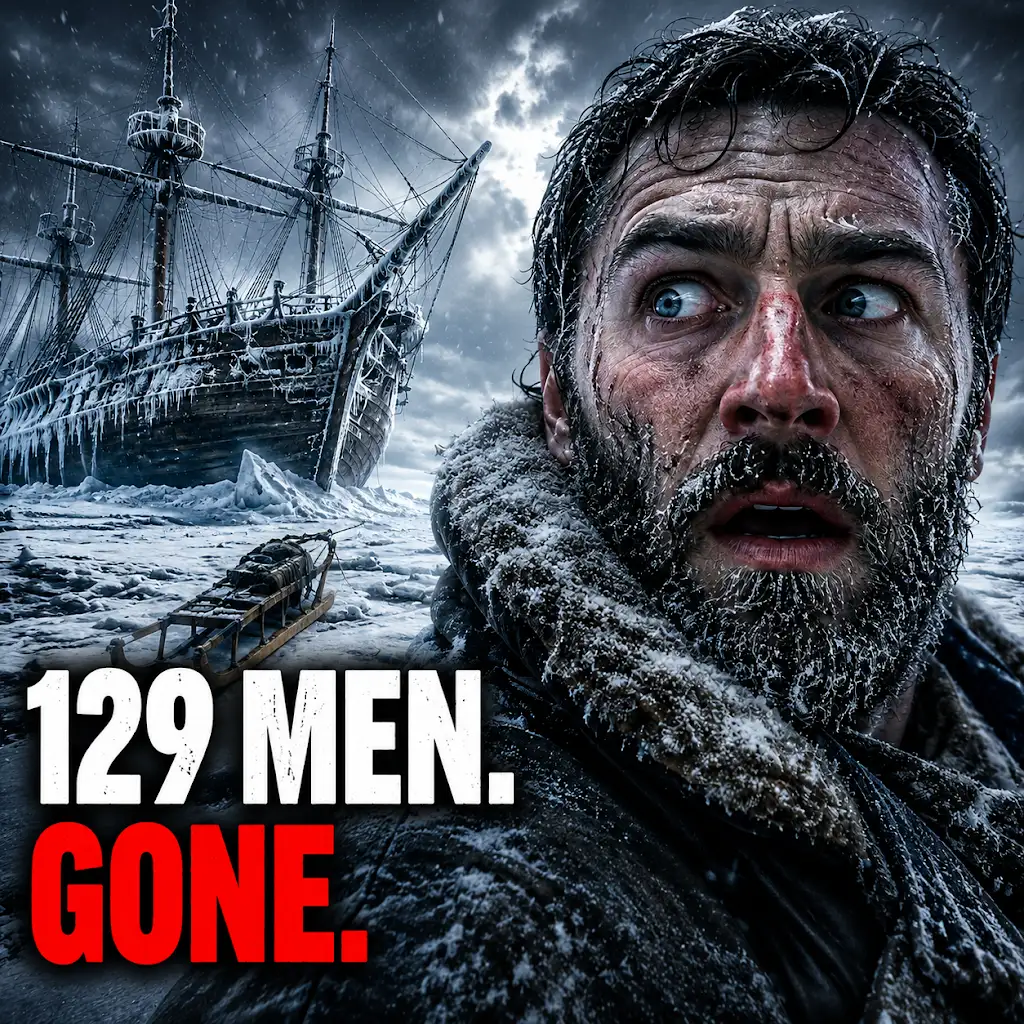
129 Men Vanished in the Arctic. Then We Found Their Ships.
FAQs
What is the Franklin Expedition historical mystery documentary about?
The Franklin Expedition historical mystery documentary explores the ill-fated Arctic expedition led by Sir John Franklin in 1845, which aimed to discover the Northwest Passage. The documentary delves into the mysterious disappearance of the expedition and the subsequent search efforts to uncover the truth behind the fate of the crew.
What are some key elements of the Franklin Expedition historical mystery?
Key elements of the Franklin Expedition historical mystery include the harsh Arctic conditions, the crew’s struggle for survival, the failure to find the Northwest Passage, and the eventual disappearance of the entire expedition. The documentary also examines the various theories and discoveries that have emerged over the years regarding the fate of the crew.
What are some theories surrounding the fate of the Franklin Expedition?
Some theories surrounding the fate of the Franklin Expedition include lead poisoning from canned food, scurvy, exposure to the elements, and potential encounters with indigenous peoples. Additionally, there have been speculations about the possibility of cannibalism among the crew as a last resort for survival.
What are some notable discoveries related to the Franklin Expedition?
Notable discoveries related to the Franklin Expedition include the finding of the HMS Erebus and HMS Terror ships in 2014 and 2016, respectively. These discoveries have provided valuable insights into the final moments of the expedition and have helped shed light on the events leading to the crew’s demise.
How has the Franklin Expedition historical mystery impacted our understanding of Arctic exploration?
The Franklin Expedition historical mystery has significantly impacted our understanding of Arctic exploration by highlighting the dangers and challenges faced by early explorers in their quest for discovery. The expedition’s legacy has also sparked ongoing interest and research into the history of Arctic exploration and the enduring mysteries surrounding the fate of the crew.