
The ice, a formidable and unforgiving guardian, had held its secrets for over 170 years. The Royal Navy’s ill-fated Franklin Expedition, a heroic endeavor to navigate the Northwest Passage that vanished without a trace in 1845, became one of history’s most enduring enigmas. While fragmented artifacts and tantalizing oral histories offered glimpses into the crew’s fate, the true story remained locked within the frozen tomb of the Arctic. In the 21st century, however, a new investigative tool emerged from the realm of science, promising to unlock these ancient secrets: DNA. The application of genetic analysis to the remnants of the Franklin Expedition has revolutionized our understanding of the lost crews, transforming mere speculation into scientific certainty and piecing together the final, tragic narrative.
The Echoes of the Lost: Early Investigations and the Lure of the Northwest Passage
The ambition to chart a northern sea route to Asia, the fabled Northwest Passage, had captivated explorers and nations for centuries. Sir John Franklin, a seasoned naval officer with prior Arctic experience, was entrusted with command of HMS Erebus and HMS Terror in 1845, embarking on his third Arctic expedition with a mandate to complete the passage. The two ships, state-of-the-art vessels for their time, were provisioned for three years and manned by 129 officers and men, a crew handpicked for their experience and resilience. Initial optimism and public fanfare soon gave way to gnawing anxiety as months turned into years with no word from the expedition.
The Vanishing Act: A Growing Concern
The Royal Navy, accustomed to the timely return of its vessels, began to mobilize search parties by 1848. These early searches, while valiant, were hampered by the vastness of the Arctic, the harshness of its climate, and the limited knowledge of the region. Despite extensive efforts, no definitive trace of the ships or their crews was found. The lack of any signal, any message, any sign of life, cemented the expedition’s status as a profound and tragic mystery.
Whispers from the Inuit: Early Clues and the Spread of Grim Tales
Indigenous Inuit communities, whose ancestral lands encompassed the presumed route of the expedition, held the first and often most accurate, albeit fragmented, accounts of the expedition’s fate. Through intermediaries and interpreters, whispers of “white men on the ice,” of ships caught in frozen seas, and of starvation began to filter back to the outside world. These oral histories, often dismissed or disbelieved by Victorian authorities focused on scientific evidence, spoke of starvation, desperation, and cannibalism, painting a grim picture of the expedition’s final days. However, the lack of direct physical evidence made these accounts difficult to definitively link to Franklin’s specific men.
The recent advancements in DNA analysis related to the William Orren Franklin Expedition have opened new avenues for understanding historical maritime explorations. For those interested in the intersection of history and scientific discovery, a related article explores the significance of the Piri Reis map and its implications for navigation during the Age of Exploration. You can read more about this fascinating topic in the article titled “Exploring Topkapi Palace with Piri Reis Map” available at this link.
The Dawn of Genetic Archaeology: Introducing DNA as a Forensic Tool
For centuries, the investigation into the Franklin Expedition relied on archaeology, historical records, and eyewitness accounts. While these methods yielded valuable insights, they were often limited in their ability to definitively identify individuals or trace familial connections. The advent of DNA analysis, however, ushered in a new era of historical investigation, transforming what was once conjecture into scientific fact. DNA, the blueprint of life, holds within its intricate structure the indelible signatures of individuals and their lineages.
The Power of the Past: How DNA Unlocks Historical Secrets
DNA can be extracted from ancient biological material, such as bone, teeth, and hair, providing a direct genetic link to individuals who lived centuries ago. This genetic information can be used to identify individuals, determine their biological sex, and even reconstruct aspects of their ancestry and familial relationships. For historians and archaeologists, DNA analysis offers an unprecedented ability to put names to bones, confirm identities, and understand the biological makeup of past populations.
From Crime Scenes to Arctic Ice: The Application of Forensic Science
The principles of forensic DNA analysis, honed in modern crime labs, proved remarkably effective when applied to the frozen, well-preserved remains found in the Arctic. The extreme cold of the region acted as a natural preservative, allowing for the extraction of high-quality DNA from the skeletal remains of those lost on the Franklin Expedition. This ability to analyze ancient DNA, even from degraded samples, marked a significant turning point in the investigation.
The Unveiling of Identities: DNA Analysis of Recovered Remains
The gradual discovery of castaways’ remains, scattered across the Arctic landscape, provided the crucial material for DNA analysis. From the early 20th century onwards, various expeditions unearthed skeletal fragments, metal artifacts bearing names, and personal effects. However, without definitive biological confirmation, the identities remained somewhat uncertain. The advent of DNA testing finally provided the means to move beyond educated guesses.
The Icicle Bridge: Unraveling the Fate of Officers
One of the most significant breakthroughs came with the analysis of remains recovered from King William Island. Initial investigations in the mid-19th century had hinted at the crew’s desperate attempts to reach the mainland, but the specific individuals and their roles remained unclear.
The Officer’s Mark: Identifying Commanders and Navigators
The discovery of a human skull and fragments of bone on King William Island in the 1980s, combined with the recovery of a silver locket containing a miniature portrait, proved to be a pivotal moment. Subsequent DNA analysis of these remains, compared with living descendants of known Franklin Expedition officers, definitively identified them as belonging to Lieutenant John Irving. This was a groundbreaking achievement, providing the first irrefutable genetic link to a specific member of the expedition and validating the scientific approach. Further analysis of other recovered remains, coupled with historical records and isotopic analysis, began to paint a clearer picture of the hierarchy and movements of the expedition’s officers in their final days.
The Unidentified Crew: Challenges and Successes
While officer remains were often accompanied by items that aided in preliminary identification, many of the common seamen’s remains were found without such contextual clues. This presented a greater challenge for DNA analysis. However, the ongoing collaborative efforts between forensic anthropologists, archaeologists, and geneticists have, over time, managed to assign genetic profiles to a growing number of individuals, moving beyond the anonymity of the lost ranks.
The Grim Harvest: Evidence of Starvation and Illness
The DNA evidence extracted from the bones of the Franklin Expedition crews has provided chilling confirmation of the grim realities faced by the men in their final years. Beyond mere identification, genetic analysis, coupled with isotopic studies and microscopic examination of bone tissue, has revealed the extent of their suffering.
The Telltale Signs: Lead Poisoning and Its Debilitating Effects
A persistent theory regarding the expedition’s demise has long centered on lead poisoning. The Royal Navy’s ships were equipped with tinned provisions, and the solder used to seal these tins was often lead-based. Furthermore, the ships’ water systems may have also been contaminated.
The Body’s Burden: Tracing Lead Contamination Through Bones
By analyzing the isotopic ratios of lead within the skeletal remains, scientists have been able to confirm significant levels of lead exposure in many of the crew members. This elevated lead presence has been directly linked to the symptoms of lead poisoning, including neurological damage, digestive issues, and bone degradation, all of which would have severely impaired the men’s ability to survive in the harsh Arctic environment. The DNA analysis, in conjunction with these findings, helps to solidify the understanding of how this poisoning might have contributed to their incapacitation and eventual demise.
A Slow and Painful Decline: The Impact of Chronic Exposure
The analysis revealed not just a single event of poisoning, but rather chronic, long-term exposure. This suggests that the men likely suffered from increasingly debilitating symptoms over a prolonged period, exacerbating their already dire situation. The genetic markers within their DNA, when studied in conjunction with the environmental evidence, offer a poignant testament to their slow and painful decline.
The Scars of Survival: Evidence of Scurvy and Malnutrition
Beyond lead poisoning, the skeletal remains have also borne witness to other forms of suffering. Evidence of scurvy, a disease caused by vitamin C deficiency, has been found in the bone structure of many individuals.
The Bones Remember: Vitamin C Depletion and its Physical Manifestations
Scurvy manifests in distinct ways in skeletal remains, including changes in bone density and the presence of characteristic lesions. The DNA analysis, when coupled with these paleopathological findings, underscores the lack of fresh food sources and the limited dietary options available to the crew as they became trapped.
The Unseen Enemy: The Role of Diet in the Expedition’s Demise
The inability to replenish their vitamin C stores, essential for collagen production and tissue repair, would have further weakened the men, making them more susceptible to injury and disease. The genetic evidence provides a scientific corroboration of the historical accounts that spoke of widespread illness and malnutrition.
The recent advancements in DNA analysis have shed new light on the mysteries surrounding the William Orren Franklin Expedition, revealing intriguing connections to historical events. For those interested in exploring broader themes of exploration and governance, a related article discusses the complexities of space governance and the questions it raises about control and ownership in the final frontier. You can read more about these unsettling questions in the article found here.
The Ghosts of the Ice: Reconstructing Movements and Social Dynamics
The DNA analysis has extended beyond simply identifying individuals and confirming causes of death. It has also provided unprecedented insights into the movements of the crew during their final, desperate days, and offered glimpses into the social dynamics that may have played a role in their fate.
Scattered Footprints: Tracing the Crew’s Final Journeys
The discovery of scattered remains across vast distances, particularly on King William Island and the surrounding coastline, has long suggested that the crew attempted to march south in hopes of reaching a rescue point or native settlements. DNA analysis has helped to corroborate and refine these theories.
The Separate Paths: Evidence of Different Escape Attempts
By analyzing the genetic profiles of individuals found in different locations, researchers can infer whether they traveled together or in separate groups. This has provided evidence of different survival strategies and potentially differing leadership decisions as the expedition disintegrated.
The Social Strata: Groupings and Interactions Revealed Through Kinship
The identification of individuals with familial relationships among the recovered remains offers crucial insights into how the crew may have organized themselves in their final moments. The presence of fathers and sons, or brothers, traveling together suggests a reliance on familial bonds for support and comfort in the face of overwhelming adversity. This genetic information allows for a more nuanced understanding of the human element within the unfolding tragedy.
The Legacy of Discovery: The Future of DNA in Arctic Exploration
The application of DNA analysis to the Franklin Expedition has been a monumental success, transforming a historical enigma into a scientifically elucidated narrative. However, this breakthrough also represents just the beginning of what genetic archaeology can achieve in the study of polar exploration and other historical mysteries.
Beyond Franklin: Other Arctic Mysteries Awaiting Genetic Revelation
The vast and often unforgiving Arctic is littered with the remnants of other failed expeditions and lost explorers. From the ill-fated voyages of Sir Martin Frobisher to the numerous searches for Sir John Ross and Sir George Back, the DNA of these lost souls may hold the key to their stories. The methods and expertise developed through the Franklin Expedition provide a blueprint for future investigations into these other enigmas.
The Promise of Technology: Advancements in Ancient DNA Analysis
As technology continues to advance, the ability to extract and analyze ancient DNA from even more degraded or limited samples will undoubtedly improve. This will allow for more comprehensive studies, potentially uncovering information about diet, disease susceptibility, and even migrations of ancient populations, not just of the Franklin Expedition, but of Arctic peoples as well. The ongoing refinement of techniques like next-generation sequencing and advanced bioinformatics will unlock ever deeper layers of genetic information.
A Living Connection: The Ethical Considerations and Descendant Engagement
The study of ancient DNA also raises important ethical considerations, particularly regarding the respectful treatment of ancestral remains and the engagement with living descendants. The Franklin Expedition DNA research has been a collaborative effort, involving Indigenous communities whose ancestors played a vital role in the survival of some Franklin survivors and in the preservation of oral histories. Future research must continue to prioritize these ethical considerations and foster meaningful partnerships with descendant communities, ensuring that these scientific endeavors are conducted with respect and cultural sensitivity. The DNA analysis, in essence, provides a bridge between the past and the present, connecting us to those who perished and offering a profound understanding of their resilience and their ultimate tragedy. The ice may have held its secrets for centuries, but through the power of DNA, the story of the Franklin Expedition is finally being told, a testament to the enduring power of scientific inquiry to illuminate the darkest corners of history.
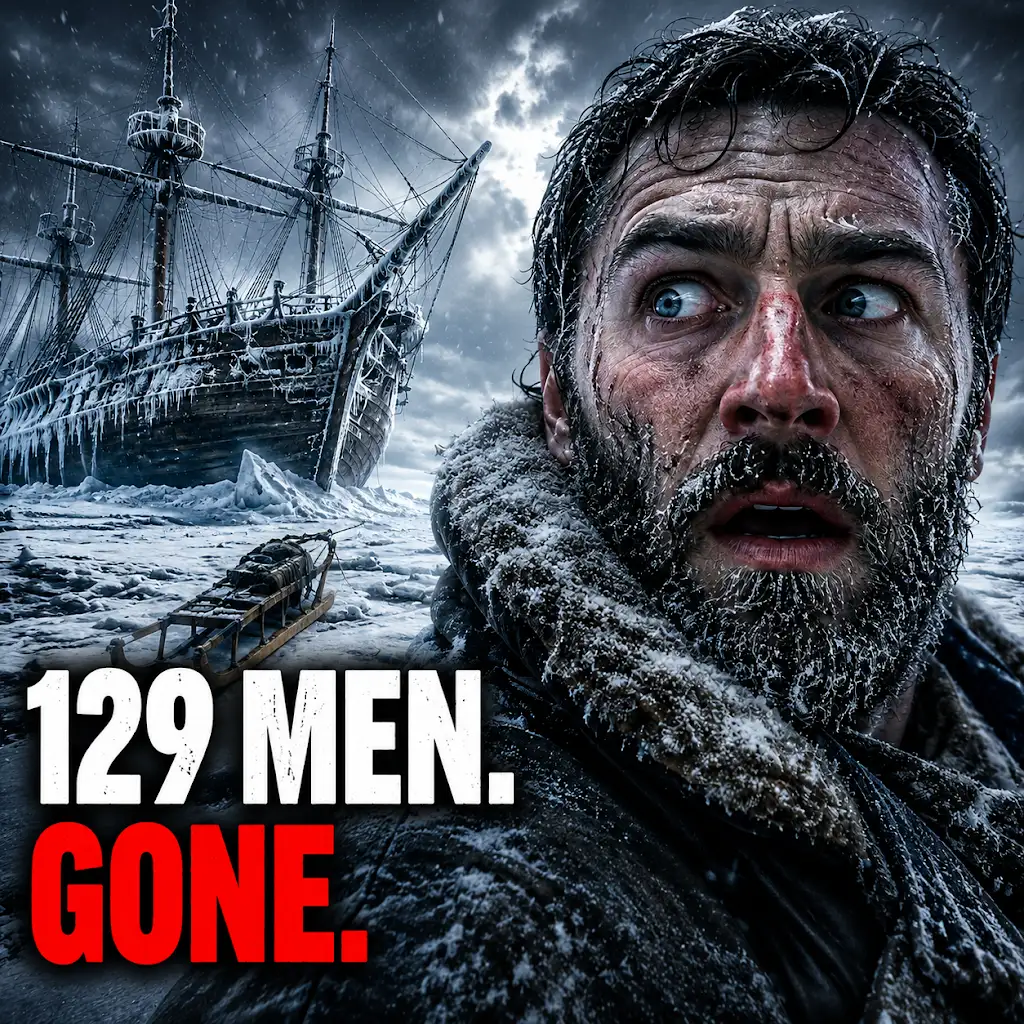
129 Men Vanished in the Arctic. Then We Found Their Ships.
FAQs
What is the William Orren Franklin Expedition DNA article about?
The article discusses the use of DNA analysis to identify the remains of members of the ill-fated Franklin Expedition, led by Sir John Franklin, which disappeared in the Arctic in 1845.
How is DNA being used in the Franklin Expedition investigation?
DNA analysis is being used to identify the remains of crew members found in the Arctic. By comparing the DNA from the remains to living descendants of the crew, researchers can confirm the identities of the individuals.
Why is the Franklin Expedition significant?
The Franklin Expedition is significant because it was one of the most famous and tragic maritime disasters in the history of Arctic exploration. The fate of the crew and the mystery surrounding their disappearance has captured the public’s imagination for over a century.
What are the potential implications of the DNA analysis in the Franklin Expedition investigation?
The DNA analysis could provide closure for the descendants of the crew members and shed light on the circumstances of their deaths. It could also contribute to our understanding of the challenges faced by Arctic explorers in the 19th century.
What are the challenges of conducting DNA analysis on remains from the Franklin Expedition?
The challenges include the degraded state of the remains due to the harsh Arctic conditions, as well as the difficulty of obtaining viable DNA samples from such old and poorly preserved material. Additionally, there may be limited availability of living descendants for comparison.