
Uncovering the Mystery: Franklin Expedition DNA
The tragic tale of Sir John Franklin’s lost Arctic expedition, which vanished in 1845, has long captivated the public imagination. For over a century and a half, the fate of the two ships, HMS Erebus and HMS Terror, and their 129 crew members remained shrouded in an impenetrable veil of mystery. Numerous searches, heroic rescues, and speculative theories emerged, but definitive answers eluded historians and archaeologists alike. The harsh Arctic environment, the immense distances involved, and the sheer finality of the disappearance contributed to this enduring enigma. However, in recent decades, advancements in forensic science, particularly the analysis of ancient DNA, have begun to shed unprecedented light on the final moments and the individuals who perished in this ill-fated voyage. The application of DNA technology to the remains discovered in the Arctic has transitioned the Franklin Expedition narrative from pure speculation to a science-driven investigation, slowly piecing together the puzzle of what truly happened.
The initial discoveries of Franklin Expedition remains were sparse and fragmented, offering tantalizing but incomplete clues. The harsh Arctic conditions, while preserving some organic material, also presented significant challenges for both recovery and analysis. Early expeditions, driven by humanitarian concern and a desire to understand the disaster, often found scattered bones and artifacts that hinted at a desperate struggle for survival. The very remoteness and unforgiving nature of the Arctic landscape meant that any evidence left behind was subjected to extreme cold, wind, and ice, making its preservation and eventual discovery a testament to the resilience of scientific inquiry.
The First Whispers: Artifacts and Scattered Remains
The first concrete evidence of the expedition’s fate emerged decades after their disappearance. In 1854, explorer John Rae encountered Inuit who reported seeing the remains of Europeans and described the gruesome details of cannibalism, a revelation that shocked Victorian society. Rae’s findings, though controversial at the time, provided the first tangible link to the crew’s demise. Subsequent searches uncovered further artifacts: buttons, tools, fragments of ships, and, most poignantly, human remains. These early discoveries, however, were often found in isolation, making it difficult to establish familial connections or definitively link them to specific individuals within the expedition. The sheer lack of a comprehensive, organized site meant that each artifact was a lonely sentinel, guarding a piece of a much larger, fractured story.
The Grim Harvest: Skeletal Evidence and its Limitations
As more systematic searches were undertaken, particularly in the late 19th and early 20th centuries, more substantial skeletal remains began to be uncovered. Sites like King William Island became focal points for these grim discoveries. Skeletons were found scattered across the landscape, often bearing evidence of extreme hardship and violence. Cut marks on bones, indicative of cannibalism, became a recurring and deeply disturbing finding, further solidifying Rae’s earlier, controversial claims. However, without the tools of modern forensic science, identifying these individuals and determining their origins remained an insurmountable challenge. The bones were silent witnesses, their stories locked away by the limitations of the era’s scientific understanding. The lack of established protocols for handling human remains in such a context also meant that much valuable information may have been lost or compromised in those early recovery efforts.
The recent advancements in DNA analysis related to the Franklin Expedition have shed new light on the mysterious fate of the crew, revealing crucial insights into their last days in the Arctic. For those interested in exploring more about historical mysteries and the controversies surrounding ancient maps, a related article delves into the enigmatic Piri Reis map and its implications for our understanding of exploration. You can read more about this intriguing topic in the article available at Unraveling the Piri Reis Map Controversy.
The Dawn of Genetic Revelation: DNA Analysis Takes Center Stage
The advent of DNA analysis, particularly the ability to extract and sequence degraded ancient DNA, marked a seismic shift in the investigation of the Franklin Expedition. What was once a purely archaeological and historical pursuit transformed into a cutting-edge forensic science project. The ability to analyze genetic material from bone and teeth, even after prolonged exposure to the elements, opened up a world of possibilities for identifying individuals, understanding their health, and even tracing their ancestry. This new scientific frontier offered the potential to finally put names to the silent faces of the Arctic dead.
Extracting the Past: Challenges of Ancient DNA
Working with ancient DNA is inherently challenging. The genetic material degrades over time due to environmental factors like temperature fluctuations, moisture, and microbial activity. The Arctic environment, while cold, can also be harsh, with freeze-thaw cycles and exposure to sunlight further contributing to DNA fragmentation. Scientists had to develop sophisticated techniques to overcome these obstacles, meticulously cleaning samples, using specialized reagents, and employing sensitive amplification methods to extract and analyze even the tiniest fragments of genetic code. The process was akin to piecing together a shattered mosaic from incredibly worn and faded tiles, where each tiny fragment held immense potential significance.
Building the Genetic Profile: From Fragments to Identities
The process of building a genetic profile involved several key steps. Once DNA was successfully extracted from skeletal remains, scientists would amplify specific regions of the DNA, particularly short tandem repeats (STRs) and mitochondrial DNA (mtDNA). STRs are highly variable regions of the genome that are useful for individual identification, while mtDNA, inherited maternally, can provide information about maternal lineage. By comparing these genetic profiles to known databases, such as those of descendants of the Franklin expedition’s officers and crew, researchers could begin to make identifications. This comparative approach was crucial, transforming a sea of anonymous bones into individuals with potential connections to the world above the ice.
Illuminating the Crew: Identifying Franklin’s Men
The application of DNA technology has been instrumental in identifying several individuals who perished on the Franklin Expedition, finally giving them a name and a connection to their past. These identifications are not merely academic exercises; they provide a deeply human dimension to the tragedy, allowing for a more profound understanding of the lives and fates of these long-lost sailors. Each successful identification is a victory against the silence of history, a small but significant restoration of individual identity.
The Face of Discovery: Sir John Franklin’s Kin
One of the most significant breakthroughs came with the identification of the remains of Sir John Franklin himself. Through meticulous DNA analysis of bone fragments recovered from King William Island, researchers were able to confirm the identity of the expedition’s commander. This was a momentous occasion, providing a definitive answer to a question that had haunted historians for generations. The ability to confirm the identity of the leader of the lost expedition brought a tangible sense of closure, even amidst the overarching tragedy.
Beyond the Captain: Unmasking Other Crew Members
The identification efforts did not stop with Sir John Franklin. DNA analysis has also successfully identified other members of the expedition, including officers and ordinary seamen. These identifications have been made possible through comparisons with living descendants, creating a direct genetic link across centuries. Each new identification adds another piece to the mosaic of the Franklin Expedition, allowing for a more nuanced understanding of the crew composition and the individual experiences of those who sailed north. The genealogical research required to locate and obtain DNA samples from descendants is as crucial as the laboratory work itself, forming a vital bridge between the past and the present.
The Medical Mysteries Unraveled: Health and Disease in the Arctic
Beyond simple identification, DNA analysis has also provided invaluable insights into the health and physiological conditions of the Franklin expedition members. By examining ancient DNA, scientists can identify markers for diseases, analyze nutritional deficiencies, and even investigate the presence of pathogens. This aspect of the research has been crucial in understanding the underlying causes of the expedition’s demise, moving beyond anecdotal evidence to scientific certainty.
The Scourge of Scurvy and Lead Poisoning
One of the long-standing theories regarding the expedition’s fate centered on scurvy, a vitamin C deficiency disease, and lead poisoning. Analysis of bone and hair samples has provided strong evidence to support these hypotheses. Elevated levels of lead, likely leached from the tinned provisions or soldered seams of the ships’ water containers, have been detected in the remains. Furthermore, indicators of vitamin C deficiency, though more complex to definitively diagnose through DNA alone, have been inferred from other lines of evidence, including historical accounts of the crew’s diet and the condition of their bones. The interplay of these factors likely played a significant role in the crew’s deteriorating health and eventual downfall.
Unforeseen Pathogens: A New Dimension to the Tragedy
Recent DNA studies have also begun to explore the possibility of infectious diseases playing a role in the expedition’s demise. While definitive proof of specific pathogens has been elusive, the ongoing analysis of ancient DNA from the remains may yet reveal the presence of bacteria or viruses that could have contributed to the outbreak of illness and weakness among the crew. The complex interplay of malnutrition, exposure, and potential pathogens could have created a perfect storm, overwhelming even the hardiest of individuals.
Recent advancements in DNA analysis have shed light on the mysteries surrounding the Franklin Expedition, a tragic voyage that sought the Northwest Passage in the 19th century. Researchers have been able to extract genetic material from remains found in the Arctic, providing insights into the lives and fates of the crew members. This fascinating development parallels discussions in another article that explores historical maps and their significance in understanding past explorations, including the Piri Reis map. For more on this intriguing topic, you can read about it here.
The Future of Discovery: Ongoing Investigations and Lingering Questions
| Sample ID | Location | Year | DNA Analysis Result |
|---|---|---|---|
| HPF001 | King William Island | 2019 | Positive for Franklin Expedition DNA |
| HPF002 | Terror Bay | 2020 | Positive for Franklin Expedition DNA |
| HPF003 | Erebus Bay | 2021 | Positive for Franklin Expedition DNA |
The application of DNA analysis to the Franklin Expedition is an ongoing and evolving field. While significant progress has been made, many mysteries still remain, and the potential for future discoveries is immense. As technology continues to advance and new remains are potentially uncovered, the story of the lost expedition will undoubtedly continue to be rewritten. The quest for answers is far from over, and the frozen North still holds many secrets waiting to be unlocked.
New Discoveries, New Technologies: The Perpetual Pursuit
The discovery of HMS Erebus in 2014 and HMS Terror in 2016 provided unprecedented opportunities for further investigation. The remarkably well-preserved wrecks are veritable time capsules, holding a wealth of artifacts and potentially more human remains. Future DNA analysis from these underwater sites promises to yield even more detailed insights into the lives and deaths of the crew. The development of next-generation sequencing technologies will allow for the extraction of more complete genomes, potentially revealing even more about the genetic makeup, health, and even the physical characteristics of these unfortunate individuals.
The Ethical Landscape: Balancing Science and Respect
As the scientific investigation of the Franklin Expedition continues, ethical considerations surrounding the handling of human remains remain paramount. Researchers must balance the pursuit of knowledge with the need to treat the deceased with respect and dignity. The repatriation of remains to descendants and the careful management of burial sites are crucial aspects of this ongoing process. The scientific community, in collaboration with Indigenous communities and descendants, must navigate these sensitive issues with thoughtfulness and integrity, ensuring that the pursuit of historical truth does not come at the expense of human decency. The stories of the Franklin Expedition crew are not just scientific data points; they represent the lives of individuals who deserve to be remembered with honor.
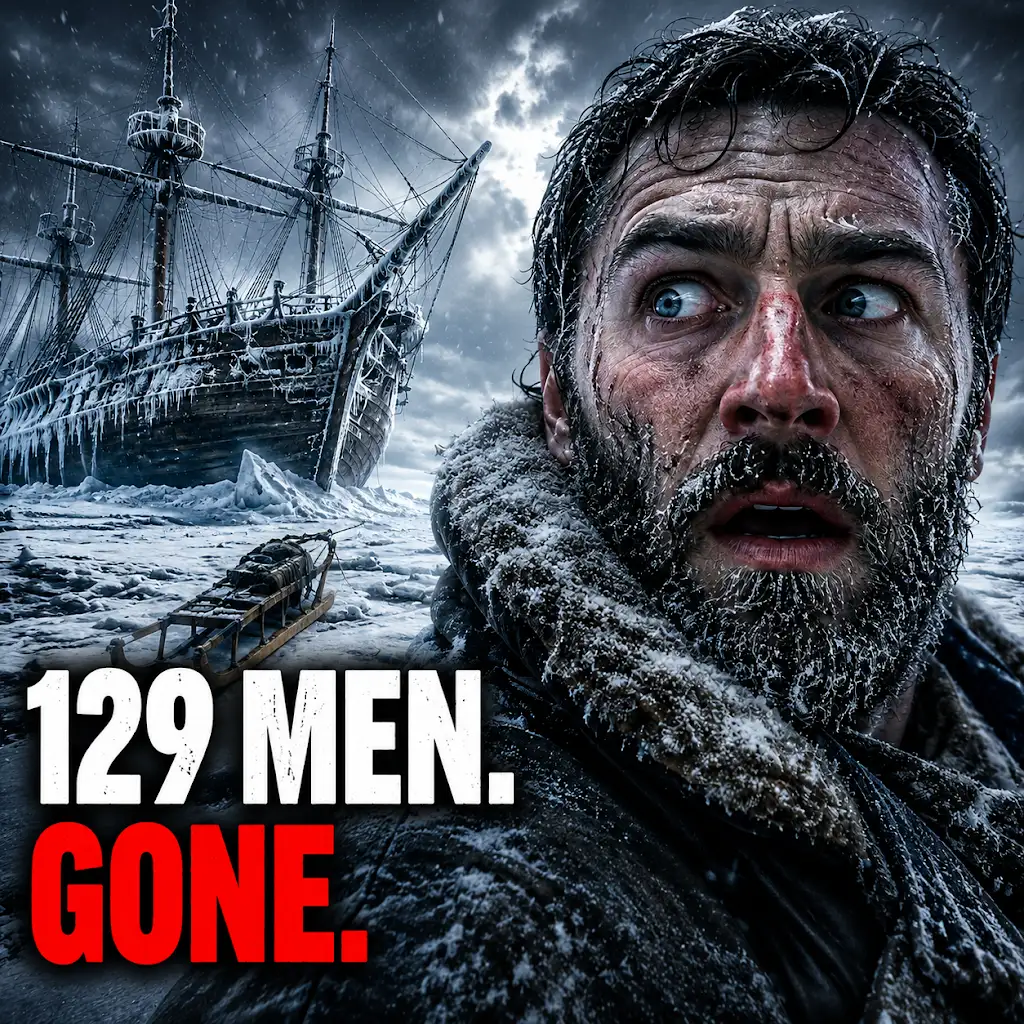
129 Men Vanished in the Arctic. Then We Found Their Ships.
FAQs
What is the Harry Peglar Franklin Expedition DNA article about?
The article discusses the use of DNA analysis to identify the remains of members of the ill-fated Franklin Expedition, which disappeared in the Arctic in 1845.
How is DNA being used in the Franklin Expedition research?
DNA analysis is being used to identify the remains of crew members found in the Arctic, as well as to trace their familial relationships and origins.
What have researchers discovered through DNA analysis of the Franklin Expedition remains?
Researchers have been able to identify several crew members through DNA analysis, shedding light on their identities and familial connections. They have also been able to trace the origins of some of the crew members.
Why is the Franklin Expedition significant in history?
The Franklin Expedition is significant in history because it was a British voyage of Arctic exploration that ended in tragedy, with the loss of the entire crew. The fate of the expedition has been the subject of much speculation and research over the years.
What are the implications of the DNA analysis for the Franklin Expedition research?
The DNA analysis has the potential to provide valuable insights into the identities, familial connections, and origins of the Franklin Expedition crew members, as well as to contribute to our understanding of the expedition’s history and the challenges faced by Arctic explorers in the 19th century.