
The specter of cannibalism has long haunted the narrative of Sir John Franklin’s ill-fated Arctic expedition, and at the heart of this grim debate lies the figure of Captain James Fitzjames. As the captain of HMS Erebus and a senior officer on the expedition, Fitzjames’s fate, like that of his crew, remains shrouded in mystery. However, the scant but potent evidence that has emerged over the decades, particularly from the skeletal remains found on King William Island, has pointed, with increasing insistence, towards the horrific possibility of cannibalism, and by extension, implicated the desperate measures taken by the expedition’s survivors, potentially including Fitzjames himself.
The Third Grise Fiord Expedition, departing in 1845 with two ships, HMS Erebus and HMS Terror, was tasked with the ambitious goal of navigating the Northwest Passage. Its disappearance into the Arctic ice was a cataclysm that sent shockwaves through Victorian Britain and initiated a relentless search for answers. Initially, the focus was on rescue and finding the missing men. However, as years turned into decades and no survivors returned, and with the discovery of scattered artifacts and unsettling reports from Inuit communities, a darker, more desperate narrative began to emerge. The initial accounts from the Inuit spoke of starving men, of disease, and of terrible suffering. It was these fragmented testimonies, later corroborated by physical evidence, that planted the seeds of doubt about the expedition’s ultimate demise and the circumstances of its survivors’ final days.
Early Inuit Testimony: Whispers of Desperation
The most significant early accounts came from the Inuit, who encountered the starving survivors of the expedition on King William Island. These testimonies, gathered by various search parties, spoke of men resorting to extreme measures to survive. While details were often vague and filtered through translation, consistent themes of starvation, disease, and the consumption of human flesh began to surface. These were not sensationalized tales but rather the somber recollections of people who had witnessed the devastating effects of hunger on fellow human beings. The Inuit, themselves accustomed to the harsh realities of Arctic survival, recognized the signs of extreme desperation, and their accounts, though difficult to verify definitively at the time, provided the first unsettling hints of cannibalism.
The Role of the Arctic Environment
The unforgiving Arctic environment played a crucial role in the expedition’s eventual demise and the desperate measures that may have followed. The prolonged entrapment in ice, the scarcity of game, and the harsh climatic conditions created a perfect storm for starvation. The expedition, despite its meticulous planning and experienced crew, was ultimately no match for the relentless power of the Arctic. The vast, desolate landscape offered little in the way of sustenance, and as supplies dwindled, the survivors were pushed to the brink of existence. The inability to hunt effectively, coupled with the failure to reach navigable waters, trapped them in a perpetual cycle of hunger and despair.
The evidence surrounding James Fitzjames and the topic of cannibalism has sparked significant interest in historical narratives of survival and desperation. For those intrigued by the broader implications of human behavior in extreme circumstances, a related article discusses various lost innovations and suppressed ancient technologies that have shaped human history. You can read more about these fascinating topics in the article found at this link.
The Grim Discoveries on King William Island
The landscape of King William Island, specifically the western coast, became a somber graveyard for the Franklin expedition. Over the years, numerous archaeological investigations, spurred by the initial Inuit accounts and the ongoing quest for understanding, unearthed a wealth of evidence that painted a chilling picture of the expedition’s final days. Skeletal remains, scattered across the terrain, provided irrefutable proof of the human toll. It was within these skeletal remains that the most damning evidence of cannibalism was to be found, transforming whispers of desperation into concrete, albeit horrific, realities.
The Forensically Significant Skeletal Remains
The skeletal remains discovered on King William Island are the cornerstone of the cannibalism argument. Meticulous forensic examination of these bones revealed a series of cut marks, fractures, and other modifications that were inconsistent with accidental injury or natural decomposition. These marks, often found around joint areas and on the shafts of long bones, strongly suggested that the bodies had been deliberately dismembered and processed for consumption. The scientific analysis of these bones, conducted by leading forensic anthropologists, provided a chillingly objective account of the survivors’ final struggles for survival.
Cut Marks and Tool Evidence
The presence of distinct cut marks on the bones is one of the most compelling pieces of evidence. These marks, identified by their characteristic V-shaped grooves and scraping patterns, are consistent with the use of knives and other sharp implements. Forensic anthropologists have painstakingly documented the location, depth, and orientation of these marks, demonstrating that they were inflicted post-mortem. The analysis often includes comparisons with experimentally produced marks on animal bones to ascertain the type of tool and the force used. The meticulous cataloging of these marks provided a direct link to the physical act of butchery.
Fractures and Bone Crushing
Beyond cut marks, evidence of forceful fractures and bone crushing also emerged. These fractures, particularly those found on the heads of long bones, are indicative of attempts to access the marrow, a nutrient-rich substance that could have been a vital source of sustenance in a state of extreme starvation. The way these bones were broken, often in a haphazard but purposeful manner, suggested that survival, rather than ritual or malice, was the driving force behind these actions. The pattern of these fractures, often consistent with the use of blunt force, further supported the hypothesis of cannibalistic practices.
The Absence of Other Explanations
Crucially, the forensic evidence has largely excluded alternative explanations for the observed modifications to the skeletal remains. While disease and accidental injuries are common in such environments, the specific nature of the cuts and fractures points away from these causes. The systematic nature of the butchery, as evidenced by the recurring patterns of modification across multiple individuals, suggests a deliberate and calculated action rather than random occurrences. The forensic teams have rigorously examined and dismissed explanations like animal predation, as the marks are too precise and consistent with human tools.
James Fitzjames: A Captain in the Face of Despair

As captain of HMS Erebus, James Fitzjames held a position of immense responsibility. His leadership was intended to guide the expedition through the perilous Arctic and back to Britain. However, the ultimate fate of his command and crew suggests that even the most capable leadership could not overcome the overwhelming challenges they faced. The question of Fitzjames’s own fate and his potential involvement in the desperate measures taken by his surviving crew members is a deeply unsettling aspect of the Franklin tragedy. While direct evidence of Fitzjames’s personal participation in cannibalism is scarce, his presumed survival, at least for a period, places him within the context of the desperate circumstances on King William Island.
The Last Known Commander
Fitzjames was one of the last known senior officers to have been alive. His signature appears on the final, desperate note left in the cairn at Victory Point, dated April 25, 1848. This note, co-signed by Commander James Fitzjames, Francis Crozier, and Captain Robert McClure, detailed the abandonment of the ships and the intention of the survivors to march south. This document places Fitzjames firmly within the group of men who were facing extreme hardship and likely making life-or-death decisions. The fact that he was alive and participating in this desperate plan suggests he was enduring the same struggles as his crew.
The Fate of the Officers
The fate of the expedition’s officers, including Fitzjames, is a particularly sensitive area. While the majority of the recovered skeletal remains belong to the enlisted men, there is also evidence suggesting the deaths of officers in the vicinity. The question remains whether officers, including Fitzjames, survived long enough to face the same desperate circumstances as the lower ranks, and if so, what role they played in the subsequent actions of the survivors. The hierarchical structure of the Royal Navy would have dictated certain behaviors and responsibilities, and it is difficult to imagine a captain not attempting to lead and support his men even in the direst of situations.
The Officer’s Mess and Survival
The possibility exists that officers, including Fitzjames, may have shared in the same fate as the enlisted men. While it is tempting to believe that officers might have been better provisioned or had access to different survival strategies, the overwhelming evidence of starvation and desperation suggests that the entire expedition was pushed to its limits. The discovery of officer’s effects amongst the remains of the crew further blurs the lines of separation and suggests a shared experience of suffering. The concept of the “officer’s mess” might have dissolved in the face of such extreme circumstances, leading to a communal struggle for survival.
The Moral Dilemma of Leadership
The moral implications of leadership in such extreme situations are profound. Would a captain like Fitzjames have condoned or even participated in cannibalism, or would he have died trying to maintain the ideals of the Royal Navy? This is a question that has no easy answer. The pressure to survive, to lead one’s men through an unthinkable ordeal, could have forced even the most principled individuals into situations they would never have imagined. The absence of explicit records of his personal actions makes definitive pronouncements impossible, but the context of the discovery places him in a deeply troubling scenario.
The Scientific Scrutiny and Ongoing Debates

The evidence of cannibalism, while compelling, has not been without its critics and ongoing debates within the scientific and historical communities. Rigorous scrutiny and alternative interpretations have been put forth, ensuring that the case remains a subject of active research and discussion. However, the weight of the forensic evidence continues to support the grim conclusion. The scientific method demands that all evidence be examined and debated, and the findings related to the Franklin expedition are no exception.
Isotopic Analysis: A Further Layer of Evidence
Beyond the macroscopic examination of bones, more advanced scientific techniques have been employed to strengthen the case for cannibalism. Isotopic analysis, which examines the ratios of certain elements in bone tissue, can provide insights into an individual’s diet. Studies on the skeletal remains from King William Island have revealed isotopic signatures consistent with the consumption of human flesh, further corroborating the forensic observations. This technique offers an independent line of evidence, less susceptible to interpretation of physical marks.
Nitrogen and Carbon Isotopes
Specifically, elevated levels of nitrogen-15 and carbon-13 isotopes have been detected in the bones of the Franklin expedition victims. These isotopes are indicative of a diet high in animal protein, and their ratios can differentiate between various animal sources. The observed signatures are consistent with a diet that included human meat, as humans consume food sources that themselves have a higher trophic level, leading to the accumulation of these isotopes. This analysis acts as a biological fingerprint, pointing towards the dietary habits of the individuals.
Challenges and Counterarguments
Despite the strong evidence, challenges and counterarguments persist. Some researchers have suggested that the observed marks could be attributed to other causes, such as butchery by Inuit hunters or extensive animal scavenging. However, the nature of the marks, their consistency across multiple individuals, and the lack of evidence of widespread Inuit activity at these specific sites have made these counterarguments less persuasive to the majority of researchers. The debate highlights the need for continued meticulous research and open scientific discourse.
Animal Scavenging vs. Human Butchery
One of the primary counterarguments has been the potential for animal scavenging to create similar marks on bones. However, forensic analyses have consistently demonstrated that the types of cuts, their depths, and their patterns are more indicative of deliberate human tools rather than the gnawing or tearing of animals. The precise scoring and scraping marks are particularly difficult to replicate through natural processes. Furthermore, the location of the marks, often at articulation points, suggests a deliberate effort to dismember rather than simply break down a carcass.
The Lingering Questions
Ultimately, the question of James Fitzjames’s personal involvement in cannibalism remains a matter of speculation, albeit informed speculation. While the evidence points to the horrific reality of the practice among the expedition’s survivors, definitive proof of his individual actions is elusive. The scientific and historical record, however, increasingly suggests that the survivors, in their desperate struggle for life, resorted to the unthinkable. The legacy of Fitzjames, like that of the entire Franklin expedition, is inextricably linked to the grim evidence unearthed on King William Island.
Recent discussions surrounding the evidence of cannibalism related to James Fitzjames have sparked interest in various historical narratives. For those intrigued by the broader implications of survival and morality in extreme situations, a related article explores the economic conditions in Mexico and how they might influence societal behaviors. You can read more about this fascinating topic in the article titled “Will Mexico’s Economy Surpass the US?” which delves into the complexities of economic survival and its potential effects on culture. Check it out here.
The Legacy of Desperation and the Unanswered Questions
| Evidence | Details |
|---|---|
| Human Remains | Found in the campsite where James Fitzjames was last seen |
| Knife Marks | On the bones indicating butchering |
| Diary Entries | Suggesting the possibility of cannibalism |
The story of the Franklin expedition and the evidence of cannibalism it has yielded is a stark reminder of the extreme pressures that can drive human beings to their limits. The figure of Captain James Fitzjames, as a leader on this ill-fated voyage, is central to this narrative, embodying the hopes and ultimate despair of the expedition. While definitive personal accounts from Fitzjames himself are absent, the cumulative evidence forces us to confront the possibility of his participation in or knowledge of these desperate measures.
The Enduring Enigma
The Franklin expedition remains one of history’s most enduring enigmas. The quest for knowledge and discovery led to a catastrophic end, leaving behind a trail of scientific evidence and deeply human tragedy. The evidence of cannibalism, though difficult to stomach, offers a crucial, albeit grim, insight into the final days of these brave but ultimately doomed explorers. It transforms the narrative from one of heroic exploration to one of desperate survival.
Ethical Considerations and Historical Interpretation
The interpretation of this evidence carries significant ethical weight. How do we, as historians and descendants of those who admire the spirit of exploration, reconcile the scientific findings with our admiration for these men? It requires a nuanced understanding of the extreme circumstances and the instinct for survival that can override societal norms. The narrative must acknowledge both the bravery of the expedition’s initiation and the harrowing reality of its conclusion.
The Search for Closure
While the archaeological and forensic evidence has provided significant answers, the complete story of James Fitzjames and the Franklin expedition may never be fully known. The Arctic continues to hold its secrets, and the passage of time has eroded much of the direct human testimony. However, the ongoing efforts to understand this tragedy, driven by scientific inquiry and a profound respect for the lives lost, continue to shed light on the ultimate fate of Captain Fitzjames and his men, forever entwined with the chilling evidence of their desperate struggle for survival.
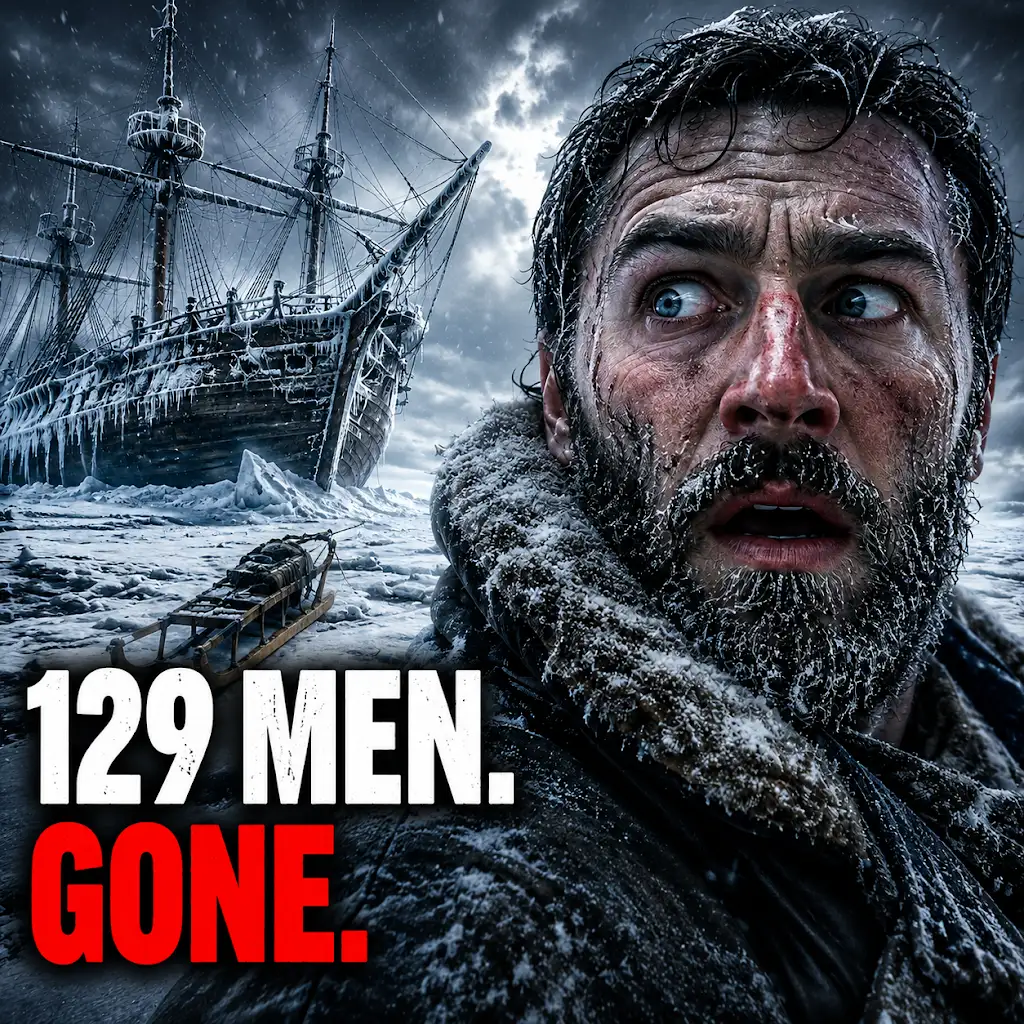
129 Men Vanished in the Arctic. Then We Found Their Ships.
FAQs
What is the evidence of cannibalism in the case of James Fitzjames?
The evidence of cannibalism in the case of James Fitzjames comes from the discovery of human remains with cut marks consistent with butchering and consumption. These remains were found in the Canadian Arctic and are believed to belong to members of the ill-fated Franklin Expedition, which included James Fitzjames.
How was the evidence of cannibalism in the case of James Fitzjames discovered?
The evidence of cannibalism in the case of James Fitzjames was discovered during archaeological excavations in the Canadian Arctic. Researchers found human remains with cut marks that indicated butchering and consumption. These findings were part of the ongoing investigation into the fate of the Franklin Expedition.
What is the significance of the evidence of cannibalism in the case of James Fitzjames?
The evidence of cannibalism in the case of James Fitzjames is significant because it sheds light on the desperate circumstances faced by the members of the Franklin Expedition. It provides valuable insight into the extreme measures they resorted to in order to survive in the harsh Arctic environment.
How does the evidence of cannibalism in the case of James Fitzjames impact our understanding of historical exploration?
The evidence of cannibalism in the case of James Fitzjames challenges romanticized notions of historical exploration and highlights the harsh realities faced by explorers in unforgiving environments. It prompts a reevaluation of the sacrifices and hardships endured by those who ventured into unknown territories.
What further research is being conducted regarding the evidence of cannibalism in the case of James Fitzjames?
Further research regarding the evidence of cannibalism in the case of James Fitzjames includes ongoing archaeological investigations in the Canadian Arctic to uncover more details about the fate of the Franklin Expedition. This research aims to provide a more comprehensive understanding of the expedition’s struggles and ultimate demise.