
The chilling silence of the Arctic has long held its secrets close, guarding the fate of Sir John Franklin and his ill-fated expedition. For nearly two centuries, the disappearance of HMS Erebus and HMS Terror in 1845 has fueled an insatiable curiosity, inspiring countless searches and igniting imaginations worldwide. Yet, despite the passage of time and the technological advancements of modern exploration, the Arctic continues to yield fragments of this enduring mystery, with recent discoveries offering tantalizing new insights into the final, desperate days of Franklin’s men.
The Arctic, a vast and unforgiving landscape, has been the silent witness to the tragic story of the Franklin Expedition. For over 170 years, the fate of Sir John Franklin and his 129 officers and crew remained one of history’s most enduring maritime mysteries. The expedition, launched in 1845 with the ambitious goal of discovering the Northwest Passage, vanished without a trace. Early searches were hampered by the sheer scale of the Arctic and the limited technology of the time. However, the unwavering belief that the ships, HMS Erebus and HMS Terror, and the men who sailed them, still rested somewhere within the ice-choked waters of the Canadian Arctic spurred ongoing efforts. These efforts, a blend of historical deduction, Inuit testimony, and increasingly sophisticated underwater archaeology, have slowly, painstakingly, begun to lift the veil of time.
The discovery of the wreck of HMS Erebus in 2014 by the Arctic Research Foundation marked a monumental turning point in the quest to understand the expedition’s fate. This groundbreaking find, located in the shallow waters of Wilmot and Crampton Bay, was the culmination of decades of dedicated searching. The discovery was not merely the finding of a ship; it was the unearthing of a time capsule, a poignant reminder of the human drama that unfolded in this remote corner of the globe. The pristine condition of the wreck, largely preserved by the frigid Arctic waters, offered an unprecedented opportunity to study the ship and its contents.
The Unveiling of HMS Erebus
The discovery of HMS Erebus was a triumph of modern technology and persistent investigation. The ship, discovered at a depth of 11 meters, was remarkably well-preserved, its hull intact and many of its fittings still in place. The Arctic’s icy grip had, in a grim irony, acted as a powerful preservative, shielding the vessel from the ravages of time and the sea.
Initial Survey and Artifact Recovery
The initial surveys of HMS Erebus were conducted with meticulous care, employing remotely operated vehicles (ROVs) equipped with high-definition cameras and sonar. These underwater robots provided the first clear images of the ship’s interior, revealing an astonishing tableau frozen in time. Tables were set, personal belongings were scattered, and the general state of the ship suggested a hurried abandonment rather than a gradual sinking. The recovery of artifacts began shortly after the wreck’s discovery, a delicate process that aimed to retrieve items without causing further damage to the fragile structure.
Among the most significant artifacts recovered were a ship’s bell, a bronze astrolabe, and a tin of preserved provisions. The ship’s bell, inscribed with the year 1846, offered a chilling timeline of the ship’s final moments. The astrolabe, a navigational instrument, spoke to the scientific ambitions of the expedition. The tin of provisions, a testament to the era’s food preservation techniques, provided a glimpse into the daily lives of the sailors. Each artifact, no matter how small, is a tangible link to the past, offering clues to the events that transpired.
Insights into Daily Life and Navigation
The artifacts retrieved from HMS Erebus have provided invaluable insights into the daily lives of the expedition’s crew. Personal items, such as cutlery, crockery, and clothing fragments, offer a glimpse into their routines and the conditions they endured. The presence of various tools and scientific instruments highlights the expedition’s dual purpose: charting the Northwest Passage and conducting scientific observations.
The navigational equipment, in particular, has been a subject of intense study. Analyzing the placement and condition of these instruments can help researchers understand the decisions made by the ship’s officers in their attempts to navigate the treacherous Arctic waters. The condition of the sails and rigging, though largely deteriorated, still offers some clues about how the ships were maneuvered in the ice.
The Second Act: Locating HMS Terror
While the discovery of HMS Erebus was a monumental achievement, the ultimate prize remained the location of HMS Terror, the second ship of Franklin’s ill-fated expedition. For years, the search for Terror continued, guided by a combination of Inuit oral traditions and increasingly sophisticated sonar mapping technology. The Canadian Hydrographic Service and Parks Canada played crucial roles in these ongoing efforts, systematically surveying vast areas of the Arctic seabed.
The persistence of these searches paid off spectacularly in 2016. Guided by Inuit hunters who recalled seeing a vessel trapped in the ice in the late 19th century, and aided by a detailed sonar survey, researchers located the wreck of HMS Terror in Wyke Bay, off King William Island. The discovery of Terror so close to Erebus, yet in a different location, suggested a complex and desperate sequence of events as the ships became icebound.
The Unseen Survivor: Terror’s Underwater Realm
HMS Terror, like its sister ship, was found in remarkable condition, resting on the seabed in what is believed to be a relatively stable environment. The depth at which Terror was discovered, significantly deeper than Erebus, presented new challenges for exploration. However, the preservation of its hull and the presence of numerous artifacts offered another unparalleled opportunity to delve into the expedition’s final chapter.
The site of HMS Terror quickly became a focal point for underwater archaeological investigation. ROVs were deployed to explore its interior, revealing a stark contrast to the seemingly abandoned state of Erebus. The evidence suggested a more deliberate and potentially more organized abandonment from Terror, with many items left in situ.
Echoes of Desperation: What Terror’s Contents Reveal
The artifacts recovered from HMS Terror have added crucial layers to the narrative of the expedition’s demise. The preservation of items such as preserved food stores, medical supplies, and personal effects has provided a more granular understanding of the challenges faced by the crew as they attempted to survive the harsh Arctic environment.
The discovery of intact provisioning areas within Terror has been particularly illuminating. The presence of ample supplies, even as the crew was facing starvation, raises questions about their decision-making processes and the perceived severity of their situation. The meticulous organization of these supplies hints at an attempt to conserve resources for a prolonged period, perhaps anticipating a long wait for rescue or an eventual escape.
Recent discoveries related to the Franklin Expedition have shed new light on the challenges faced by the crew during their ill-fated journey in the Arctic. These findings not only enhance our understanding of the expedition’s hardships but also draw intriguing parallels to ancient technologies that have been lost over time. For a deeper exploration of how forgotten innovations can impact civilizations, you can read more in this article on apocalyptic ancient tech and the catastrophic effects of lost innovations at Apocalyptic Ancient Tech: Catastrophic Effects of Lost Innovations.
Piecing Together the Final Hours
The discovery and subsequent investigation of both HMS Erebus and HMS Terror have provided an unprecedented wealth of information, allowing historians and archaeologists to move beyond speculation and begin to reconstruct the final, tragic hours of the Franklin Expedition. The sheer volume of artifacts and the remarkable preservation of the wrecks have offered a unique window into the human experience of this ill-fated voyage.
The artifacts recovered from both ships have been meticulously cataloged and analyzed. This has involved not only the identification of the objects themselves but also their spatial distribution within the wrecks, which provides clues about the order of events and the actions of the crew.
The Ice as an Unseen Enemy
The primary antagonist in the Franklin Expedition’s story was not a hostile force, but the relentless, ever-present Arctic ice. Both ships, it is now understood, became trapped in the ice, a fate that sealed their doom. The precise circumstances of how they became trapped and the subsequent efforts to break free have been a major focus of research.
The placement of the wrecks, particularly Terror‘s position further south and deeper in the bay, suggests a prolonged period of being icebound and potentially a desperate attempt to navigate through open water that eventually closed in. Analysis of the ice conditions in the area during the expedition’s presumed final years is ongoing, with ice core data and historical accounts being cross-referenced to understand the environmental pressures the ships faced.
Navigational Challenges and Choices
The vastness of the Arctic and the ever-shifting nature of the ice presented unparalleled navigational challenges. Researchers are studying the expedition’s charts, logbooks, and recovered navigational instruments to understand the decisions made by Franklin and his officers. The prevailing belief is that the expedition became entrapped in the ice in the late summer or early autumn of 1846, and despite their efforts, they were never able to free themselves.
The presence of numerous navigational tools on board, such as sextants and chronometers, indicates a dedication to charting and exploration. However, the effectiveness of these tools in the extreme conditions and limited visibility of the Arctic winter is a key area of investigation. The discovery of advanced navigational equipment on board suggests a level of preparation, yet the ultimate failure highlights the overwhelming power of the environment.
The Role of Inuit Knowledge
The crucial role of Inuit knowledge in the discoveries of both wrecks cannot be overstated. For centuries, Inuit communities in the Canadian Arctic have possessed oral traditions and knowledge of the Franklin Expedition’s fate, passed down through generations. These accounts often spoke of ships being trapped in the ice and the eventual demise of the sailors.
The initial location of Erebus was significantly aided by information provided by Inuit hunters. Similarly, the discovery of Terror was directly influenced by the testimony of local Inuit elders, who pointed researchers in the right direction. This underscores the vital importance of respecting and integrating indigenous knowledge into historical and archaeological investigations, a lesson learned and applied with increasing success in recent years.
Evidence of Cannibalism and Desperation
One of the most harrowing aspects of the Franklin Expedition’s story is the evidence suggesting that the surviving crew resorted to cannibalism in their final, desperate attempts to survive. Discoveries made by archaeologists and forensic anthropologists, including cut marks on human remains found on King William Island, have provided grim confirmation of this grim reality.
The analysis of human remains, often recovered from archaeological sites on King William Island where survivors are believed to have attempted to trek south, has been a significant area of research. These studies go beyond simply identifying the cause of death; they delve into the physiological and nutritional stresses that the men endured.
Forensic Investigations and Human Remains
Forensic investigations of the recovered human remains have employed advanced techniques, including DNA analysis and isotopic analysis. DNA analysis helps to identify individuals and their relationships, offering a more personal connection to the tragedy. Isotopic analysis, which examines the chemical composition of bone and teeth, can reveal dietary habits and the extreme nutritional deficiencies experienced by the survivors.
The consistent presence of cut marks on bones, particularly on joints and areas where flesh would have been most abundant, provides stark evidence of dismemberment and the consumption of human flesh. These findings are not isolated incidents but appear to be widespread among the remains examined, painting a grim picture of the level of desperation that gripped the expedition’s survivors.
The Psychological Toll of Survival
The physical toll of starvation and exposure was undoubtedly immense, but the psychological toll of such extreme circumstances is equally profound. The decision to resort to cannibalism, even in the face of death, speaks volumes about the breakdown of social order and the primal instinct for survival.
Researchers are examining historical accounts and the context in which these remains were found to understand the psychological state of the survivors. The realization that they were trapped, facing certain death, and resorting to such measures must have had an unimaginable impact on their mental fortitude. The evidence of cannibalism is not just a biological indicator but a stark testament to the devastating psychological pressures at play.
The Frozen Legacy: Ongoing Research and Future Prospects
The discoveries of HMS Erebus and HMS Terror are not the end of the Franklin Expedition story, but rather a significant new chapter. The underwater wrecks and the artifacts they contain continue to be a treasure trove of information, and ongoing research promises to shed even more light on this enduring mystery. The sheer volume of material still to be analyzed means that the insights derived from this expedition will continue to emerge for years to come.
The collaborative efforts between archaeologists, historians, marine biologists, and indigenous communities are crucial for unlocking the full potential of these discoveries. The application of new technologies and the refinement of existing methods will undoubtedly lead to further breakthroughs.
Recent discoveries related to the Franklin Expedition have shed new light on the challenges faced by the crew during their ill-fated journey. Researchers have uncovered evidence suggesting that an ancient microbial bloom may have played a significant role in the health of the sailors, potentially contributing to their demise. For more insights into how microbial factors can impact human health, you can read about it in this intriguing article on the topic of ancient microbes and their effects by visiting this link.
The Continuing Excavation of History
The underwater archaeological sites of HMS Erebus and HMS Terror are subject to ongoing, carefully managed excavation and research. These operations are not simply about retrieving more artifacts but about understanding the context in which they were left. The goal is to build a comprehensive picture of the ships’ final days and the lives of the men who sailed them.
The challenges of working in the Arctic environment are immense, including the short operational window due to ice and extreme weather. However, the scientific and historical significance of these sites justifies the considerable investment of resources and expertise.
Technological Advancements in Underwater Archaeology
Modern underwater archaeology relies heavily on cutting-edge technology. Sonar, ROVs, and advanced imaging techniques are indispensable tools for surveying, mapping, and documenting the wrecks. The development of even more sophisticated equipment, capable of operating at greater depths and in more challenging conditions, will be crucial for future explorations.
The use of 3D laser scanning, for example, allows for the creation of highly detailed digital models of the wrecks and their contents. This not only aids in documentation and analysis but also provides a virtual way for researchers around the world to study the sites without the need for physical presence, minimizing impact on the fragile environment.
The Human Story in an Unforgiving Landscape
Ultimately, the Franklin Expedition is a profoundly human story, set against the backdrop of one of the world’s most unforgiving landscapes. The discoveries made in recent years have transformed our understanding of the expedition’s fate, moving it from the realm of legend to a more tangible, albeit still tragic, historical reality.
The resilience, courage, and ultimate despair of Sir John Franklin and his men continue to resonate. The artifacts, the shipwrecks, and the scientific analysis all contribute to a more complete and nuanced understanding of their struggle for survival.
Preserving the Legacy for Future Generations
The preservation of the wrecks of HMS Erebus and HMS Terror is a critical aspect of the ongoing research. These sites are not just archaeological finds; they are maritime heritage of immense global significance. Efforts are underway to ensure their long-term protection and to manage access to them responsibly.
The establishment of marine protected areas around the wrecks is a key strategy. Furthermore, the development of digital archives and public exhibitions of the recovered artifacts ensures that the story of the Franklin Expedition can be shared and learned from by future generations, ensuring that the lessons of their perseverance and their tragedy are never forgotten.
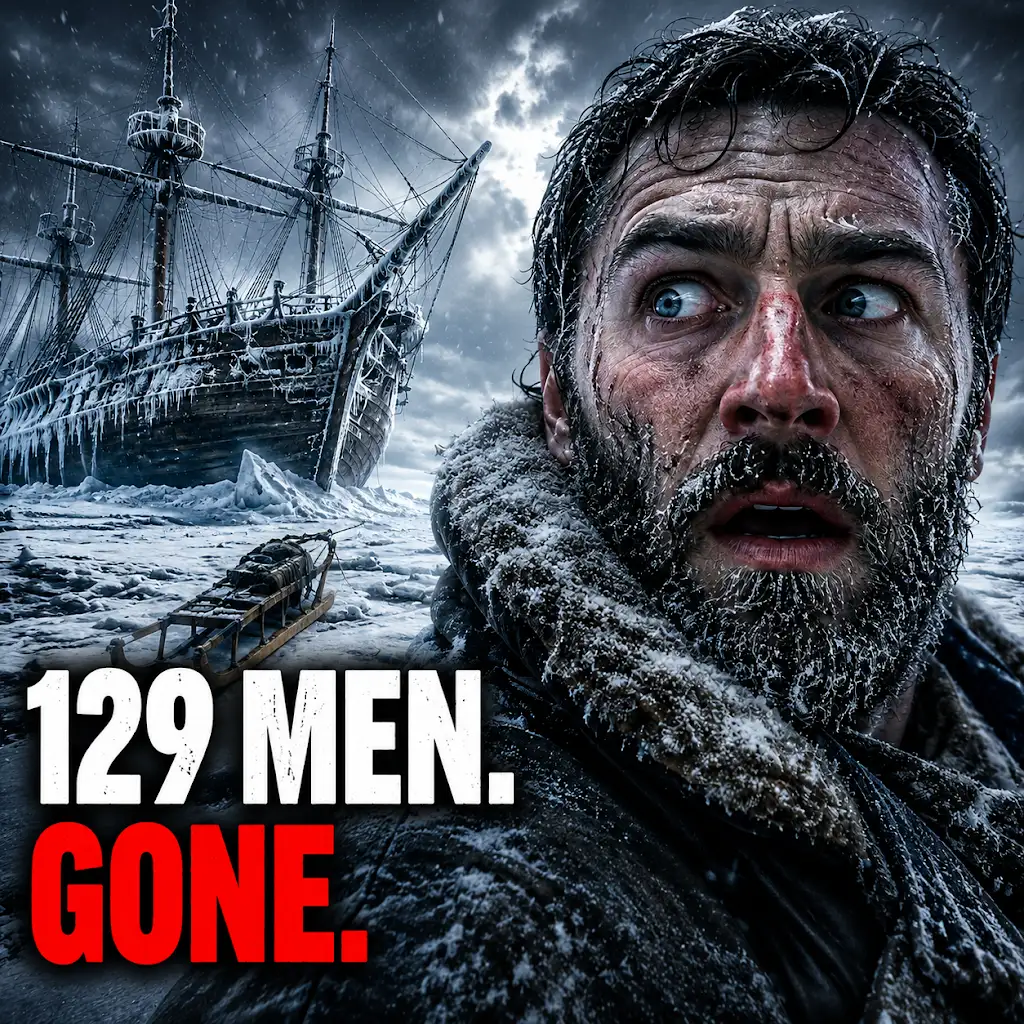
129 Men Vanished in the Arctic. Then We Found Their Ships.
FAQs
What is the Franklin Expedition?
The Franklin Expedition was a British voyage led by Captain Sir John Franklin in 1845 to find the Northwest Passage. The expedition’s two ships, HMS Erebus and HMS Terror, disappeared in the Arctic and the fate of the crew remained a mystery for over 150 years.
What are the latest discoveries related to the Franklin Expedition?
Recent discoveries related to the Franklin Expedition include the finding of the wreck of HMS Erebus in 2014 and HMS Terror in 2016. These discoveries have provided new insights into the fate of the crew and the circumstances surrounding the expedition’s disappearance.
What have these discoveries revealed about the fate of the crew?
The discoveries of the wrecks have revealed evidence of the harsh conditions the crew faced, including exposure to lead poisoning from canned food and exposure to extreme cold. The findings have also shed light on the crew’s attempts to survive in the Arctic environment.
How have these discoveries impacted our understanding of the Northwest Passage?
The discoveries of the wrecks have provided valuable information about the conditions of the Arctic environment and the challenges faced by explorers seeking the Northwest Passage. This information has contributed to a better understanding of the region’s history and its significance in exploration.
What are the next steps in the exploration of the Franklin Expedition’s wrecks?
The next steps in the exploration of the Franklin Expedition’s wrecks include ongoing research and analysis of the artifacts and remains found at the sites. Efforts are also being made to preserve and protect the wrecks for future study and to honor the memory of the crew.