The ill-fated Franklin Expedition, a grand endeavor to chart a Northwest Passage, tragically succumbed to a relentless assault of starvation and disease. The two ships, HMS Erebus and HMS Terror, laden with eager explorers and the hopes of the British Admiralty, vanished into the Arctic ice in 1845. What followed was a slow, agonizing descent into a desperate struggle for survival, a narrative etched in the frozen north by the very people it claimed. The story of their demise is a grim testament to the unforgiving nature of the Arctic and the limitations of human resilience when confronted with such overwhelming biological and environmental adversaries.
The initial stages of the Franklin Expedition were marked by a confident progression. The ships, provisioned for three years and boasting the latest technology, seemed well-equipped to face the challenges of Arctic exploration. However, the ice, a capricious and formidable force, soon asserted its dominance, trapping the vessels and initiating the slow bleed of resources and morale.
The Unyielding Grip of the Ice
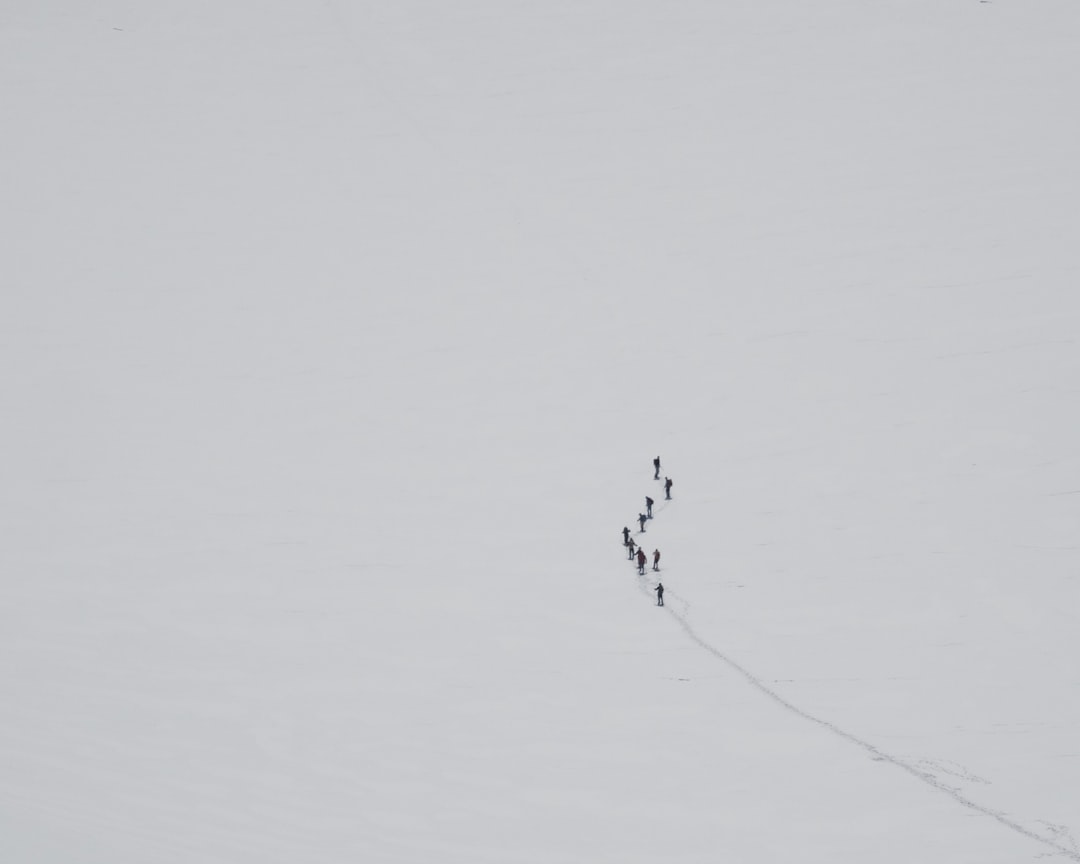
The Arctic ice was not merely an obstacle; it became a prison. In September 1846, the Erebus and Terror became locked fast in the pack ice north of King William Island. What was initially perceived as a temporary setback quickly morphed into a dire predicament. The ships, once symbols of human ingenuity, were transformed into metallic sarcophagi, their inhabitants gradually succumbing to the isolation and the dwindling supplies they contained. The ice exerted a constant, suffocating pressure, not just on the hull of the ships, but on the minds and bodies of the men. The sheer, unyielding nature of this frozen sea was a psychological torment as much as a physical one. The vast, silent expanse of white offered no respite, no sign of progress, only an endless, unchanging reality that chipped away at hope.
The Deception of Abundance: Initial Provisions and Their Limitations
While the expedition was famously well-provisioned, the illusion of abundance began to fray as the years stretched on. The initial stores were designed for a calculated duration, but the unexpected duration of their entrapment rendered them insufficient. Furthermore, the quality of some provisions, particularly the tinned goods, would later prove to be a critical flaw, introducing a hidden and insidious threat that exacerbated the problem of simple caloric depletion. The British Admiralty, proud of their meticulous planning, had not accounted for the possibility of such a prolonged and inescapable predicament, nor the subtle, yet devastating, impact of compromised provisions.
The tragic fate of the Franklin Expedition, marked by starvation and disease, has been a subject of extensive research and discussion. An insightful article that delves into the broader implications of such historical events is available at this link: Navigating Conflict: Topography’s Role. This piece explores how environmental factors and geographical challenges can significantly influence human endeavors, shedding light on the harsh realities faced by explorers like Sir John Franklin and his crew during their ill-fated journey in the Arctic.
The Slow Creep of Scurvy: A Biological Betrayal
The most pervasive and debilitating disease to afflict the Franklin Expedition was scurvy. The lack of fresh food and vitamin C, coupled with the physiological stress of their ordeal, created a perfect storm for this ancient scourge. The men’s bodies, deprived of essential nutrients, began to break down, their once-robust health dissolving into a painful and weakening decline.
The Silent Enemy: Vitamin C Depletion
The primary culprit behind the widespread scurvy was the lack of fresh fruits and vegetables. The long Arctic winters, coupled with the inability to hunt terrestrial animals for extended periods, meant that the expedition’s diet consisted primarily of preserved rations. These rations, while packed with calories, were critically deficient in vitamin C. As the body’s reserves of this essential vitamin dwindled, the symptoms of scurvy began to manifest. Initially, it was subtle: fatigue, irritability, and a general malaise. But as the deficiency worsened, the men experienced spontaneous bleeding, swollen and bleeding gums, loose teeth, and agonizing joint pain. Their ability to work, to perform the necessary tasks for survival, was severely compromised.
The Tinned Ration Catastrophe: A Poisonous Deception
Adding to the horror of vitamin C deficiency was the insidious contribution of the tinned rations. Many of the cans used during the expedition were not properly sealed, or the tin itself was of poor quality. This led to a gradual contamination of the food with lead. Lead poisoning, while a separate ailment, compounded the suffering of the men and contributed to their eventual demise. Symptoms of lead poisoning, such as abdominal pain, neurological issues, and anemia, would have been easily mistaken for or exacerbated by the symptoms of scurvy and general malnutrition. This dual assault, both biological and chemical, proved catastrophic, leaving the men vulnerable to every passing ill.
Starvation’s Gnawing Embrace: The Ultimate Calamity
As the expedition’s resources dwindled, starvation became an ever-present and agonizing reality. The initial hope of foraging and hunting gradually faded as the harsh Arctic environment proved unforgiving, and the available game became scarce or inaccessible. The gnawing hunger was not just a physical sensation; it was a psychological torment that eroded their will to survive.
The Fading Hope of the Hunt: Arctic Wildlife and Inaccessibility
The Arctic, while teeming with life, does not readily surrender its bounty. The men of the Franklin Expedition initially relied on hunting seals, birds, and occasional caribou. However, the prolonged entrapment and the difficulty of movement over the ice made sustained hunting efforts increasingly challenging. The animals themselves, wary of human presence and adapted to the unforgiving climate, were not always easy to find or capture. The vastness of the ice and snow made tracking difficult, and the energy expenditure required for hunting was immense, often outweighing the meager caloric gains. The dream of a fresh kill became a fading fantasy, replaced by the grim reality of empty bellies.
The Desperate Measures: Cannibalism and the Erosion of Humanity
The most harrowing aspect of the Franklin Expedition’s descent into starvation is the evidence of cannibalism. Archaeological findings on King William Island and in the vicinity of the expedition’s final encampments have revealed human remains bearing cut marks consistent with butchery. This grim discovery speaks to the absolute desperation that gripped the survivors. Faced with the ultimate extinction, a taboo as old as humanity was broken in a final, tragic bid for survival. It is a testament to the extreme conditions and the breakdown of societal norms when confronted with the primal instinct to live. This evidence is deeply disturbing but also essential to understanding the full horror of their final days.
The Ghostly Presence: Disease Beyond Scurvy

While scurvy and starvation were the primary drivers of the expedition’s demise, other diseases undoubtedly played a role, weakening the already compromised men and accelerating their decline. The unsanitary conditions on board the ships, the stress of their situation, and the compromised immune systems of the survivors created an environment ripe for various ailments.
Tuberculosis: A Lingering Threat
Tuberculosis, a common affliction of the era, likely contributed to the deaths of many Franklin Expedition members. The cramped and often damp conditions on the ships, coupled with the weakened state of their bodies due to malnutrition and scurvy, would have made them susceptible to this respiratory disease. The slow, wasting nature of tuberculosis would have further diminished their already dwindling strength, making them less capable of enduring the harsh conditions or attempting escape.
Other Ailments: A Cascade of Illness
Beyond scurvy and tuberculosis, the men likely suffered from a range of other ailments. Infections, common in environments with poor hygiene and compromised immune systems, would have been prevalent. Pneumonia, influenza, and dysentery could have all taken their toll, each contributing to the overall weakening and eventual death of the survivors. The lack of effective medical treatments at the time meant that even minor infections could become life-threatening when compounded by starvation and other diseases. The cumulative effect of these various illnesses created a devastating cascade, leaving the men vulnerable to every passing ailment.
The tragic fate of the Franklin Expedition, marked by starvation and disease, has been the subject of extensive research and discussion. Many historians have explored the harrowing experiences faced by the crew as they navigated the treacherous Arctic waters, ultimately leading to their demise. For those interested in understanding the broader implications of exploration and survival, a related article discusses the legal frameworks that govern resource extraction in extreme environments, which can be found here. This connection highlights how the challenges of survival in uncharted territories extend beyond the past and into contemporary discussions about human endeavors in harsh conditions.
The Legacy of Tragedy: Lessons Learned from the Arctic’s Grasp
| Metrics | Details |
|---|---|
| Number of crew members | 129 |
| Deaths from starvation | 24 |
| Deaths from disease | 9 |
| Survivors | 0 |
The Franklin Expedition remains one of history’s most poignant and chilling tales of exploration gone wrong. The tragic fate of its members serves as a stark reminder of the immense power of nature and the vital importance of understanding and respecting its unforgiving forces. The lessons learned from their ordeal have had a lasting impact on Arctic exploration and our understanding of human endurance.
The Evolution of Arctic Exploration: From Boldness to Caution
The failure of the Franklin Expedition fundamentally altered the approach to Arctic exploration. The era of ambitious, often overly confident expeditions gave way to a more cautious and scientifically driven methodology. The importance of understanding ice dynamics, weather patterns, and the physiological impacts of extreme cold became paramount. Future expeditions learned from the mistakes of Franklin, prioritizing detailed planning, robust contingency measures, and a deeper respect for the unpredictable nature of the Arctic environment. The narrative shifted from conquering the Arctic to coexisting with it.
The Enduring Mystery and the Search for Answers
For decades, the fate of the Franklin Expedition remained a tantalizing mystery. Numerous search parties braved the Arctic in pursuit of clues, piecing together fragments of information from Inuit oral traditions and scattered archaeological finds. The ongoing discoveries, fueled by modern technology, continue to shed light on the expedition’s final days, offering somber insights into the courage, desperation, and ultimate sacrifice of Sir John Franklin and his men. The story, though tragic, continues to fascinate and inspire, a testament to the enduring human drive to explore and understand the unknown, even in the face of overwhelming odds. The legacy of the Franklin Expedition is not just one of failure, but of profound human experience etched into the frozen landscape.

129 Men Vanished in the Arctic. Then We Found Their Ships.
FAQs
What was the Franklin Expedition?
The Franklin Expedition was a British voyage led by Captain Sir John Franklin in 1845 to find the Northwest Passage. The expedition consisted of two ships, HMS Erebus and HMS Terror, and aimed to navigate through the Arctic to connect the Atlantic and Pacific Oceans.
How did starvation and disease affect the Franklin Expedition?
The expedition faced harsh Arctic conditions, leading to a lack of food and exposure to extreme cold. This resulted in widespread malnutrition and diseases such as scurvy, tuberculosis, and pneumonia among the crew members. The combination of starvation and disease ultimately led to the demise of the entire expedition.
What were the long-term effects of the Franklin Expedition’s starvation and disease?
The Franklin Expedition’s failure to find the Northwest Passage and the loss of both ships and crew had significant long-term effects. It led to increased interest in Arctic exploration and contributed to advancements in navigation, medicine, and technology for future expeditions in the region.
How were the remains of the Franklin Expedition discovered?
The remains of the Franklin Expedition were discovered in recent years through a combination of Inuit oral history, historical records, and modern technology such as sonar and underwater drones. The wreck sites of both HMS Erebus and HMS Terror were located in the Canadian Arctic, providing valuable insights into the fate of the expedition.
What lessons have been learned from the Franklin Expedition’s experience with starvation and disease?
The Franklin Expedition serves as a cautionary tale about the importance of adequate preparation, supplies, and medical care for expeditions in extreme environments. It also highlights the resilience and adaptability of indigenous Arctic communities, whose knowledge and assistance were crucial in uncovering the expedition’s fate.