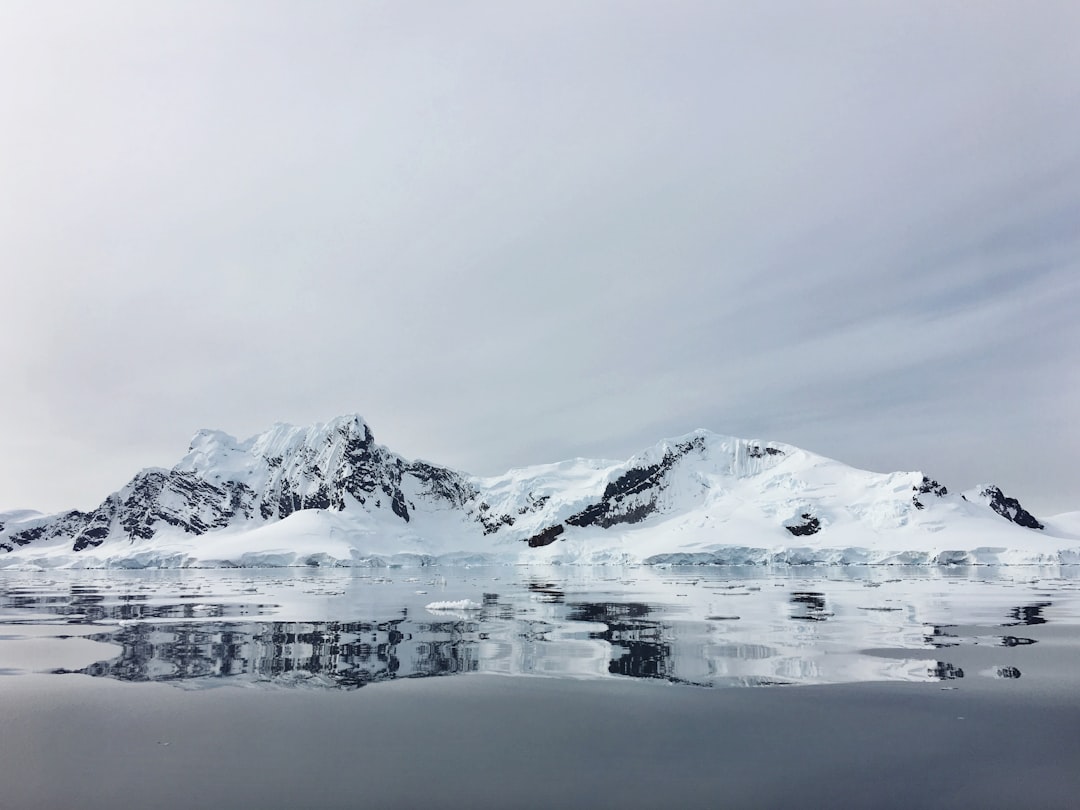
The year is 1845. A grand expedition, brimming with hope and the promise of glory, sets sail from England. Its objective: to chart a passage through the Arctic’s icy labyrinth, the Northwest Passage, a fabled route that had eluded navigators for centuries. At its helm stood Sir John Franklin, a seasoned explorer whose previous Arctic voyages had earned him renown. Aboard his two ships, HMS Erebus and HMS Terror, were 129 men, a carefully chosen crew of officers, sailors, and scientists, all eager to etch their names in the annals of discovery. Little did they know, this voyage would become one of history’s most chilling and enduring mysteries, a testament to the unforgiving power of the Arctic and the limits of human endeavor.
The Quest for the Northwest Passage
For centuries, European powers had been captivated by the idea of a navigable sea route connecting the Atlantic and Pacific Oceans through the Arctic. Such a passage would dramatically shorten trade routes, offering immense economic and strategic advantages. The dream of the Northwest Passage was more than just a geographical curiosity; it was a potent symbol of imperial ambition and a challenge to the known world. Numerous expeditions had attempted the feat, often with tragic consequences, but the allure of discovery and the promise of national prestige continued to drive exploration into the frozen north. Sir John Franklin’s expedition was the latest, and perhaps most ambitious, undertaking in this long saga.
Sir John Franklin and the Royal Navy’s Trust
Sir John Franklin was a man of considerable experience in the harsh Arctic environment. His previous expeditions, while not entirely successful in finding the Passage, had provided him with invaluable knowledge and a reputation for resilience. The Royal Navy, a formidable force in maritime exploration, placed its trust in Franklin’s leadership and the robust design of his ships. HMS Erebus and HMS Terror were specifically outfitted for the rigors of Arctic ice, equipped with advanced technology of the era, including steam engines, a novelty in Arctic exploration, designed to assist with navigation through treacherous ice floes. The crew, a mix of seasoned mariners and eager young men, was a testament to the caliber of men willing to embark on such a perilous journey. They were prepared for hardship, for isolation, and for the biting cold, but perhaps not for the overwhelming and inexplicable fate that awaited them.
The State of Arctic Knowledge in the Mid-19th Century
Despite centuries of attempts, the Arctic remained largely a blank canvas on maps in the mid-19th century. While some coastal areas had been charted, vast expanses of ice-bound sea and treacherous waterways were still unknown. The prevailing understanding of Arctic conditions was based on limited observations and often fueled by speculation. The dangers of pack ice, sudden storms, and prolonged periods of darkness were well-documented, but the true extent of their peril and the insidious nature of the Arctic environment were often underestimated. Navigational tools, while improving, were still prone to error in the extreme latitudes, and the challenges of maintaining morale and health in prolonged isolation were significant. This limited knowledge, combined with an unwavering belief in human ingenuity, contributed to the audacious nature of Franklin’s mission.
The mysterious disappearance of 129 men in the Arctic has raised numerous questions about the harsh conditions and the dangers faced by those who venture into such remote areas. This incident echoes the ongoing struggles faced in various regions around the world, including the conflict in Sudan, where countless individuals have also vanished amidst turmoil and strife. For a deeper understanding of the complexities surrounding human safety in conflict zones, you can read more in this related article on the Sudan conflict: Sudan Conflict: A Continuing Struggle for Peace.
The Voyage Begins: Hope and Early Setbacks
Departure and Initial Progress
On May 19, 1845, HMS Erebus and HMS Terror, resplendent with flags and a palpable sense of excitement, departed from Greenhithe, England, bound for the Arctic. The early days of the voyage were marked by favorable winds and clear skies. The crews, comprised of some of the most experienced sailors in the Royal Navy, performed their duties with precision and enthusiasm. They were well-provisioned, their ships were in excellent condition, and their spirits were high. Initial reports from the ships, relayed via supply vessels, indicated good progress and a healthy crew. The officers were optimistic, and the scientific objectives of the expedition – charting the Passage, collecting meteorological data, and studying Arctic flora and fauna – were being pursued with diligence.
The Last Confirmed Sighting
The last confirmed sighting of Franklin’s expedition occurred in late July 1845. Captain Dannett of the whaler “Prince of Wales” encountered the two ships near the southern entrance of Lancaster Sound, sailing westward into the Arctic. He reported that the crews appeared in good health and spirits, and that the ships were well-found. This brief encounter provided a final glimmer of reassurance, a snapshot of a moment frozen in time before the silence descended. After this sighting, the ships vanished, swallowed by the vast, indifferent expanse of the Arctic. The days turned into weeks, and weeks into months, and the expected return of the expedition never materialized.
The First Signs of Trouble: Ice and Delay
As the ships ventured further into the Arctic, they encountered the inevitable challenge of the ice. The summer of 1845 had been relatively open, allowing for a promising start, but as autumn approached, the ice began to form with a relentless grip. Navigating through these formidable ice fields was a slow and arduous process. The steam engines, a new and experimental feature for Arctic navigation, proved to be less effective than hoped against the sheer power of the encroaching ice. Reports from the ships, had they been able to send them, would have likely detailed the constant battle against the elements, the grinding of ice against the hulls, and the frustrating delays as they sought open water. This initial struggle with the ice, though perhaps not immediately alarming to those in England, was a stark indicator of the immense challenges that lay ahead.
The Arctic’s Unforgiving Embrace: Years of Silence
The Long Winter of 1846-1847
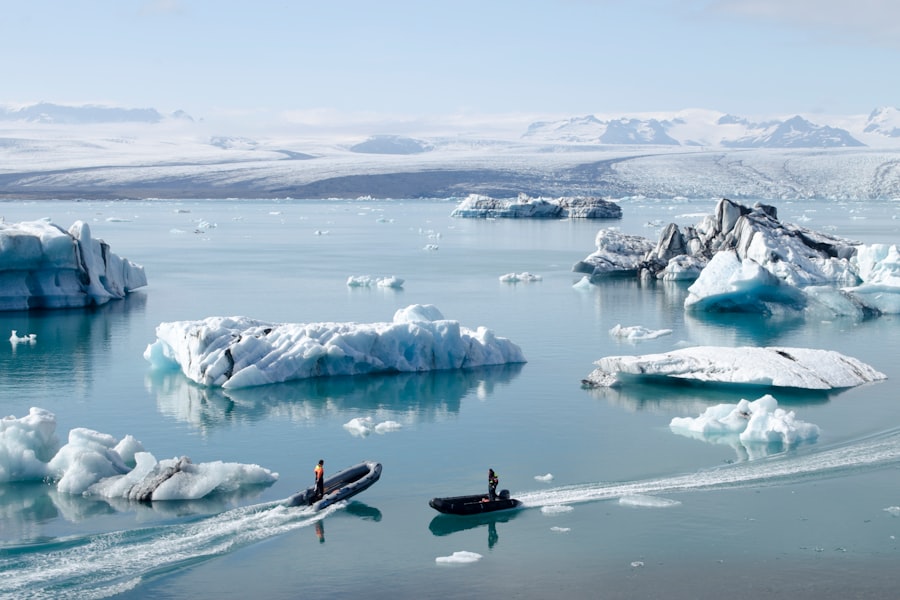
The true ordeal for the men of the Erebus and Terror began with the onset of the Arctic winter of 1846-1847. Trapped in the ice, with no prospect of escape until the spring thaw, they faced the full brunt of the polar darkness and extreme cold. The initial optimism that had accompanied their departure likely waned, replaced by a grim determination to survive. Provisions, while substantial, were finite. The monotony of shipboard life, the gnawing cold, and the psychological toll of isolation would have been immense. It is during this prolonged winter that the first signs of serious trouble likely emerged, potentially including illness, scurvy, and the erosion of morale. The Arctic, in its silent, unforgiving way, was beginning to exert its dominance.
The Fateful Decision: Abandoning the Ships
The exact circumstances that led to the abandonment of HMS Erebus and HMS Terror remain one of the most poignant aspects of the mystery. Evidence gathered in later years from Inuit accounts and archaeological findings suggests that the ships became irrevocably trapped in the ice, likely near King William Island, sometime after 1847. Faced with the grim reality of their situation, with no hope of rescue and dwindling supplies, a decision was made to abandon the ships and attempt to walk south to safety. This was an act of desperate courage, a last-ditch effort to escape the frozen tomb that had become their reality. The men, laden with such provisions and equipment as they could carry, set out across the desolate landscape, a journey from which few, if any, would return.
The Silent Testimony of the Ice
For years, the Arctic held its secrets tightly. The ships, frozen in time, became silent witnesses to the tragedy. The vast, white landscape, beautiful yet lethal, concealed the fate of the 129 men. The passage of time, the relentless freeze and thaw cycles, and the movement of ice would have gradually obscured the evidence of their struggle. The elements, which had been their adversary, now served to preserve the remnants of their journey, waiting for the world to find them. The silence was profound, broken only by the howl of the wind and the cry of Arctic wildlife. The mystery deepened with each passing season, fueling speculation and concern in England.
The Search for Answers: Expeditions and Evidence

The Dawn of the Search: Lady Franklin’s Unwavering Resolve
As the years turned into a decade, and no word from Franklin’s expedition was received, anxiety in England grew into a profound sense of loss. Sir John’s wife, Lady Jane Franklin, refused to accept her husband’s disappearance as final. She became a relentless force, dedicating her fortune and her considerable influence to organizing search expeditions. Her unwavering determination was a driving factor in the prolonged and extensive efforts to uncover the fate of the Erebus and Terror. Her letters, appeals, and financial contributions spurred on numerous expeditions, each one driven by the hope of bringing home news, and perhaps survivors.
Tracing the Footsteps: Inuit Testimony and Artifacts
The key to unlocking aspects of the mystery came from the Indigenous peoples of the Arctic, the Inuit. Their intimate knowledge of the land and sea, and their observations of the ill-fated expedition’s final movements, provided crucial clues. Through persistent inquiry and the translation efforts of explorers, the accounts of Inuit hunters began to emerge. These narratives spoke of seeing Europeans walking south on the ice, of finding discarded supplies, and of discovering the grim remains of men. Artifacts were also recovered – a tarnished silver button, a fragment of a ship’s timber, a forlornly placed boot – each one a poignant echo of the lost men. These discoveries, though often piecemeal and heart-wrenching, began to paint a grim picture of a desperate struggle for survival.
The Discovery of the Ships and the Final Resting Places
It was not until the 21st century that the physical remains of HMS Erebus and HMS Terror were finally located. In 2014, a Canadian expedition discovered the wreck of HMS Erebus, remarkably well-preserved in the frigid waters. The following year, HMS Terror was also found, a testament to the enduring nature of these vessels and the harsh environment that had preserved them. Further archaeological investigations have uncovered human remains, offering the possibility of identifying the lost crew members and shedding more light on their final days. These discoveries represent the culmination of centuries of searching, finally bringing closure to a chapter of exploration steeped in tragedy.
The mysterious disappearance of 129 men in the Arctic has raised numerous questions about the safety and conditions in remote regions. This incident echoes the broader challenges faced in various parts of the world, including the ongoing crisis in Sub-Saharan Africa, where urgent action is needed to address the plight of vulnerable populations. For more insights on these pressing issues, you can read about the situation in Sub-Saharan Africa in this related article. The connection between these events highlights the importance of global awareness and response to crises that affect communities across different continents.
Lingering Questions and the Legacy of the Lost
| Category | Metrics |
|---|---|
| Number of Men | 129 |
| Location | Arctic |
| Time Period | Unknown |
| Status | Vanished |
The Unanswered Enigmas: Cause of Death and Final Moments
Despite the discovery of the ships and the recovery of some remains, many questions surrounding the Franklin expedition continue to linger. The exact cause of death for the majority of the crew remains a subject of ongoing scientific investigation. While scurvy and starvation were undoubtedly major factors, evidence from some of the recovered bones has suggested lead poisoning, possibly from the solder used in the canned food. The precise sequence of events that led to the abandonment of the ships and the individuals’ final moments on the ice are still pieced together from fragmented evidence. The psychological toll of their ordeal, the desperation, the hope, and the despair, are largely unknowable, leaving a profound sense of empathy for their suffering.
The Arctic as a Character: Nature’s Power and Human Resilience
The story of the 129 men who vanished in the Arctic is a stark reminder of the immense power of nature. The Arctic environment, with its unforgiving cold, treacherous ice, and prolonged darkness, proved to be an insurmountable adversary for even the most experienced explorers of the era. Their expedition, a testament to human ambition and technological prowess, ultimately fell victim to the raw, untamed forces of the polar world. Yet, their story also speaks to the enduring spirit of human resilience. The decision to abandon the ships and attempt a journey south, however doomed, represents an act of desperate courage and a refusal to surrender. The legacy of the Franklin expedition is a dual one: a cautionary tale of underestimating nature’s might and a poignant testament to the human will to survive.
The Enduring Fascination with the Northwest Passage
The mystery of the Franklin expedition, while tragic, has also contributed to a continued fascination with the Northwest Passage. The very fact that such a formidable expedition could disappear so completely only amplified its mystique. The passage itself remains an object of scientific interest and, with climate change, a more accessible route, though still fraught with danger. However, the romanticized vision of discovery has been forever tempered by the chilling reality of what happened to the 129 men. The ghost of Franklin’s expedition now haunts the dream of the Northwest Passage, a constant reminder of the human cost of exploration and the enduring power of the Arctic to both inspire and destroy. The story of these vanished men serves as a profound historical narrative, a haunting reminder of the limits of human endeavor when confronted by the sublime and terrifying beauty of the polar wilderness.

129 Men Vanished in the Arctic. Then We Found Their Ships.
FAQs
1. What happened to the 129 men in the Arctic?
The 129 men vanished in the Arctic during a scientific expedition in 1845 led by Sir John Franklin. The exact circumstances of their disappearance remain a mystery.
2. What was the purpose of the scientific expedition in the Arctic?
The purpose of the expedition was to navigate the Northwest Passage and conduct scientific research in the Arctic region.
3. What efforts were made to search for the missing men?
Numerous search parties were organized to find the missing men, and various expeditions were launched over the years. The search efforts continued for decades, and the fate of the men remained unknown for a long time.
4. Were any clues found about the disappearance of the 129 men?
Several clues were discovered over the years, including written records and artifacts, which provided some insight into the events leading up to the disappearance. However, the ultimate fate of the men remained a mystery for many years.
5. Has there been any recent developments in the case of the missing men?
In recent years, there have been significant developments in the case, including the discovery of the wrecks of the expedition’s ships, HMS Erebus and HMS Terror. These discoveries have shed new light on the fate of the 129 men who vanished in the Arctic.