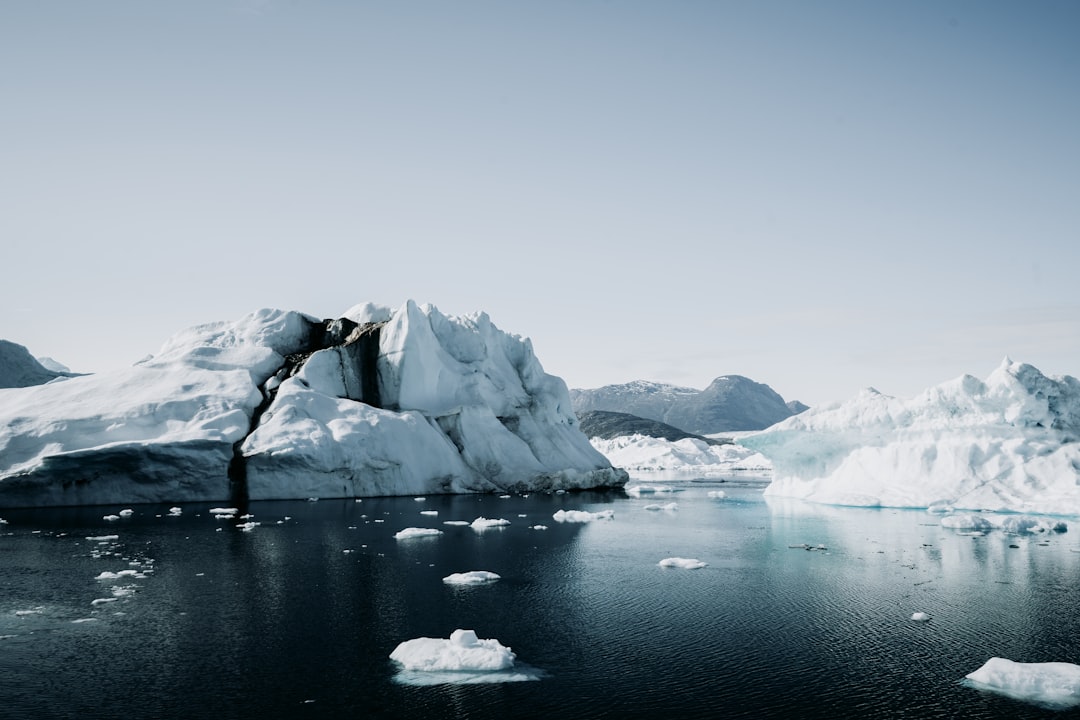
The chilling silence of the Arctic, a realm of unforgiving beauty and stark desolation, still whispers the names of those lost within its icy embrace. Among the most enduring enigmas of polar exploration, the fate of Sir John Franklin’s ill-fated expedition to find the Northwest Passage remains a haunting testament to the perils of ambition and the mysteries the frozen north holds close. In 1845, two ships, HMS Erebus and HMS Terror, laden with 129 men and the hopes of the British Admiralty, sailed into the Baffin Bay, never to be seen again. Their disappearance ignited a decades-long search and spawned countless theories, none of which have fully illuminated the ultimate tragedy.
A Dream of Maritime Supremacy
For centuries, the allure of a navigable sea route connecting the Atlantic and Pacific Oceans through the Arctic had captivated explorers and strategists alike. The Northwest Passage, a theoretical waterway, promised to revolutionize global trade, shorten voyages to Asia dramatically, and solidify maritime dominance. Great Britain, a burgeoning imperial power, saw it as a prize worthy of immense effort and investment. Many expeditions had attempted to chart this elusive passage, facing harsh weather, impenetrable ice, and the psychological toll of prolonged isolation. Yet, the dream persisted, fueled by a combination of scientific curiosity, national pride, and the romantic notion of conquering the unknown.
Sir John Franklin: The Chosen Leader
When the Royal Navy planned its most ambitious attempt yet, the leadership fell to Sir John Franklin. A seasoned naval officer with considerable Arctic experience, Franklin was chosen for his perceived resilience and proven track record. He had participated in previous expeditions, including a grueling overland journey to the Arctic coast of North America and voyages to the Arctic seas. Despite his age – he was 59 at the time of his final departure – and the fact that his previous Arctic commands had not been entirely successful in achieving their primary objectives, Franklin was seen as a man of character and determination. The expedition was equipped with state-of-the-art technology for its time, including steam-powered assistance for the vessels, a library of books, and an abundance of provisions. The men themselves were a handpicked crew, many of them experienced sailors and officers.
The mysterious fate of Sir John Franklin’s Arctic expedition has captivated historians and adventurers alike for centuries, as the search for the lost crew and their ships continues to unfold. A related article that delves into the broader context of understanding nature’s signs, which may have played a role in the expedition’s challenges, can be found at Ancient Weather Wisdom: Understanding Nature’s Signs. This piece explores how ancient knowledge of weather patterns and natural indicators could provide insights into the difficulties faced by explorers in the harsh Arctic environment.
The Voyage and the Disappearance
Setting Sail and Initial Successes
On May 19, 1845, HMS Erebus and HMS Terror departed from Greenhithe, England, under the command of Sir John Franklin. The expedition was initially met with optimism. They navigated through Baffin Bay and reached the western edge of the archipelago, finding open water and successfully entering Lancaster Sound, a key artery of the hypothesized Northwest Passage. Early reports from whalers indicated that the ships were making good progress, and a sense of anticipation filled the air in Britain. However, the Arctic autumn arrived with its characteristic ferocity, and by September 1846, the two vessels were trapped in the ice north of King William Island.
The Long Winter and Mounting Despair
The first winter, 1845-1846, was spent frozen in the ice, but the expedition remained optimistic. They were well-provisioned and the men were in good spirits. However, the second winter, 1846-1847, proved to be far more devastating. The ships remained ice-bound, and their provisions began to dwindle. Disease, likely scurvy and tuberculosis, started to take a significant toll on the crew. The rigid discipline of the Royal Navy, while usually a source of strength, may have also contributed to a culture where admitting illness or weakness was difficult. The hope of breaking free from the ice diminished with each passing day, replaced by a growing sense of dread.
The Trail of Clues and the Search for Answers
Early Search Efforts and Conflicting Accounts
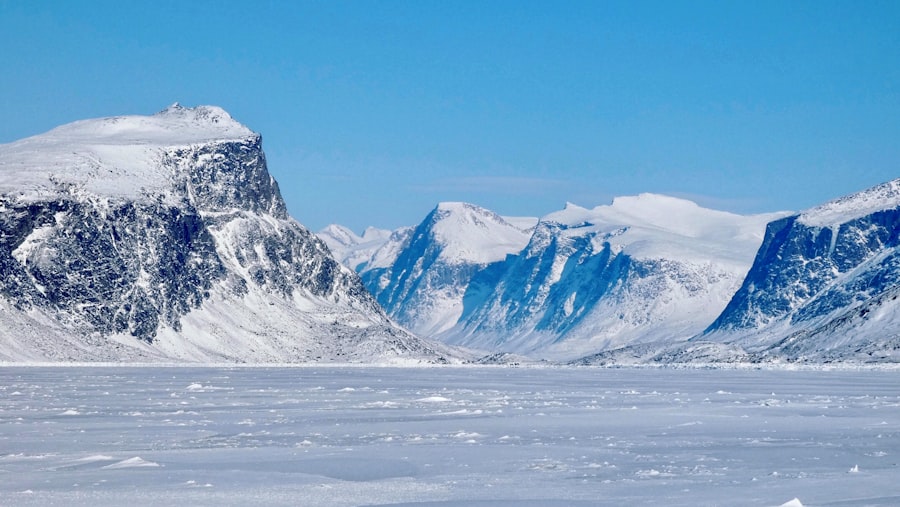
As months turned into years with no word from Franklin, the Royal Navy initiated a massive search. Expeditions, both by sea and land, were dispatched to scour the Arctic. These early searches yielded fragmented and often contradictory information. Inuit testimony, crucial to understanding the fate of the expedition, was sometimes misunderstood or misinterpreted by the search parties. The Inuit people, who lived in intimate knowledge of the Arctic, were the first to encounter the remnants of the expedition and provide vital, albeit often cryptic, clues.
The Discovery of the Camps and the Abandonment
Over the years, numerous search expeditions, including those led by Sir Robert McClure and Captain Leopold McClintock, uncovered compelling evidence of the expedition’s demise. McClintock’s expedition in 1859 was particularly instrumental. Following Inuit leads, he discovered a message in a bottle at a cairn on King William Island. This message, dated April 1848, revealed that the ships had been abandoned, and the surviving crew, led by Captain Francis Crozier (as Franklin had likely perished earlier), were attempting to trek southwards on foot towards the Back River. This single document marked a turning point in the search, confirming the dire circumstances and the desperate gamble for survival.
The Archaeological Evidence and the Horrors Unveiled
Further archaeological investigations at various sites along the intended escape route, particularly on King William Island and the Boothia Peninsula, unearthed chilling evidence of the expedition’s final days. Scattered remains, including human bones bearing cut marks, discarded equipment, and abandoned camps, painted a grim picture. The cut marks on the bones provided a horrific explanation for the dwindling provisions and the desperate measures taken by the starving men: cannibalism. This grim reality, a testament to the extreme conditions and the breakdown of societal norms under duress, added another layer of tragedy to the already profound mystery.
Theories Surrounding the Disappearance
The Scuttled Ships and the Frozen Trap
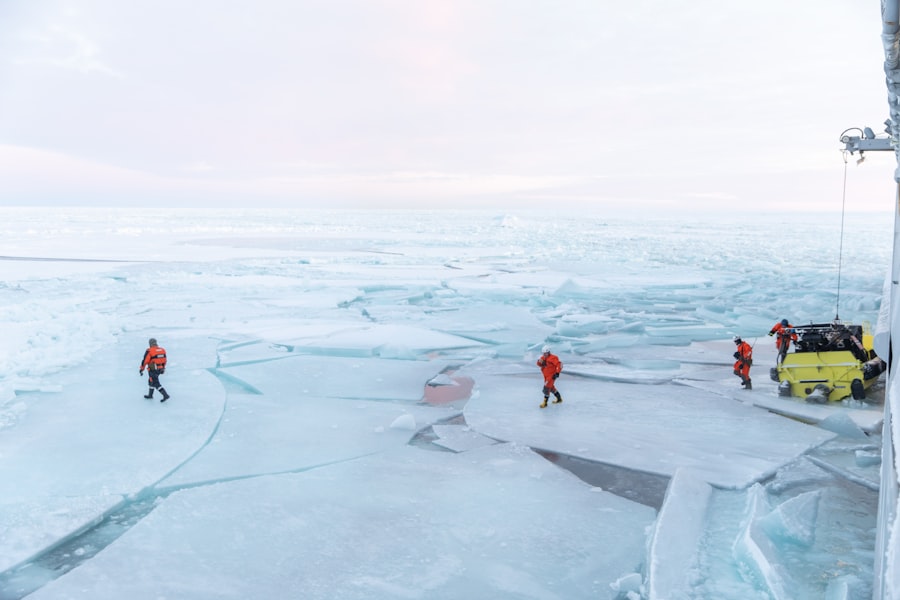
One of the earliest and most persistent theories posited that the ships, HMS Erebus and HMS Terror, were simply frozen into the ice and remained there indefinitely. While the ships were indeed trapped, the subsequent discovery of the abandoned camps and the message in a bottle indicated that the crew had made a desperate attempt to escape on foot. The theory suggests that the ships themselves became tombs, their crews succumbing to the cold and starvation before they could free themselves. However, this theory doesn’t fully account for the extensive evidence of the crew’s overland journey.
Botulism from Tinned Provisions
Another prevalent theory centers on the canned provisions supplied to the expedition. The canning technology of the mid-19th century was not as advanced as it is today, and some tinned foods could become contaminated with the bacterium Clostridium botulinum. Botulism, a potentially fatal paralytic illness, could have incapacitated the crew, leading to widespread weakness and death. While botulism could explain some of the symptoms and the rapid decline of the crew, it doesn’t fully account for the visible signs of starvation and the evidence of scurvy. Furthermore, the expedition was known to have a considerable supply of other food sources, and it’s unlikely that all their provisions would have been affected.
Lead Poisoning and Scurvy
The presence of lead in the expedition’s diet has also been a significant point of discussion. Lead solder was used in the tinning process of their food, and the acidic contents of the cans could have leached lead into the provisions. Lead poisoning can cause a range of debilitating symptoms, including neurological damage, abdominal pain, and weakness, which could have contributed to the crew’s demise. However, it’s unlikely that lead poisoning alone was the sole cause, as the evidence also strongly suggests scurvy, a deficiency in Vitamin C, which would have been rampant given the limited fresh food available during the prolonged Arctic winter. The combination of lead exposure, scurvy, and starvation likely created a perfect storm of debilitating ailments.
The Inuit Perspective: A Narrative of Tragedy
The Inuit people, who had interacted with Europeans for decades and were intimately familiar with the Arctic environment, offered their own accounts of what happened to Franklin’s men. Their oral traditions speak of a ship sinking and a large group of starving white men, many of them suffering from illness and resorting to cannibalism. These accounts, often passed down through generations, were crucial in guiding search parties to the expedition’s final resting places. While the exact details might have been colored by time and cultural interpretation, the core narrative of a desperate struggle for survival and a tragic end has been remarkably consistent.
The ill-fated Arctic expedition led by Sir John Franklin has long captivated historians and adventurers alike, as it represents one of the most enduring mysteries of the 19th century. While searching for the Northwest Passage, Franklin and his crew faced unimaginable challenges, leading to their disappearance in the icy wilderness. Interestingly, recent studies have shed light on ancient navigation techniques that could have aided explorers like Franklin in their quests. For those intrigued by the intersection of exploration and ancient knowledge, a fascinating article discusses these themes in depth, which you can read about here.
The Enduring Legacy and the Unanswered Questions
| Expedition | Details |
|---|---|
| Expedition Leader | Sir John Franklin |
| Goal | To chart the Northwest Passage |
| Ships | HMS Erebus and HMS Terror |
| Number of Crew | 129 |
| Year | 1845 |
The Royal Navy’s Acknowledgment and the Nobel Prize
The disappearance of Sir John Franklin’s expedition was a profound blow to the British Admiralty and the nation. The extensive and costly search efforts, while ultimately confirming the expedition’s tragic end, also solidified its place as one of history’s greatest maritime mysteries. Despite the wealth of evidence uncovered, the precise sequence of events and the exact causes of death for all 129 men remain shrouded in a degree of uncertainty. However, the bravery and resilience of the search parties, particularly those led by McClintock, were recognized. In a rare move for the time, Lady Jane Franklin, Sir John’s determined wife, was awarded a civil list pension for her unwavering support and advocacy for the search efforts.
The Arctic’s Unyielding Secrets
The story of Sir John Franklin’s expedition serves as a powerful reminder of the untamed nature of the Arctic. The frozen north, with its extreme temperatures, unforgiving ice, and vast, empty landscapes, has always demanded respect and humility from those who dare to venture into its domain. The expedition’s fate underscores the immense challenges of polar exploration, even with the most advanced technology and skilled personnel available. The search for the Northwest Passage, a dream that ultimately consumed Franklin and his crew, continued for decades after their disappearance, finally being navigated by Roald Amundsen in 1903-1906.
Modern Investigations and Future Insights
In recent years, advances in archaeology and forensic science have offered new possibilities for understanding the Franklin expedition. The discovery of the wreckages of HMS Erebus and HMS Terror in 2014 and 2016, respectively, has provided invaluable opportunities for further investigation. These underwater sites, remarkably preserved by the cold Arctic waters, have yielded artifacts, skeletal remains, and even preserved organic materials that could offer unprecedented insights into the lives and deaths of the crew. Future analyses of these finds, including DNA sequencing and detailed examination of preserved tissues, may finally provide definitive answers to some of the lingering questions surrounding this enduring Arctic tragedy. The tale of Sir John Franklin’s lost expedition continues to fascinate and compel, a somber chapter in the annals of exploration, forever etched in the icy heart of the Arctic.

129 Men Vanished in the Arctic. Then We Found Their Ships.
FAQs
What was the purpose of the Sir John Franklin Arctic expedition?
The purpose of the Sir John Franklin Arctic expedition was to navigate the Northwest Passage, a sea route through the Arctic Ocean, and to conduct scientific research and exploration of the region.
When did the Sir John Franklin Arctic expedition take place?
The Sir John Franklin Arctic expedition took place from 1845 to 1848.
What happened to the Sir John Franklin expedition?
The expedition’s two ships, HMS Erebus and HMS Terror, became trapped in the ice and the entire crew perished. The exact circumstances of their demise remained a mystery for many years.
What were the major discoveries made during the Sir John Franklin Arctic expedition?
The expedition made significant contributions to the mapping and exploration of the Arctic region, including the discovery of the King William Island and the mapping of a large portion of the Northwest Passage.
How did the Sir John Franklin Arctic expedition impact future exploration and research in the Arctic?
The expedition’s tragic outcome led to increased interest and investment in Arctic exploration and research. It also spurred further efforts to locate the lost ships and uncover the fate of the crew, which eventually led to the discovery of the wrecks in 2014 and 2016.