The frigid, unforgiving waters of the Arctic hold secrets as old as time, and among the most captivating and chilling are those of HMS Erebus and HMS Terror. For over 170 years, these Royal Navy vessels, commanded by the ambitious Sir John Franklin, were swallowed by the ice, embarking on a quest for the Northwest Passage that ended in profound tragedy and enduring mystery. Their eventual discovery, decades after their disappearance, only deepened the enigma, weaving a tale of human endurance, scientific endeavor, and the ultimate triumph of nature’s raw power.
The mid-19th century was a period of intense global exploration, driven by a blend of scientific curiosity, national pride, and the pursuit of lucrative trade routes. For Britain, the allure of the Northwest Passage – a mythical sea route connecting the Atlantic and Pacific oceans through the Arctic – was particularly potent. It promised to revolutionize maritime trade, significantly shortening voyages to Asia. While several expeditions had attempted to conquer this icy labyrinth, none had succeeded. The Royal Navy, a formidable force in exploration as it was in warfare, was eager to etch its name into the annals of discovery.
The Arctic’s Allure and the Strategic Imperative
The Northwest Passage represented more than just a geographical curiosity; it was a strategic prize. Controlling such a route would grant unparalleled economic and military advantages. Nations vied for the prestige of being the first to navigate its treacherous waters, and Britain, with its vast maritime empire, was determined to be the victor. The Arctic, with its vast, unexplored expanses, represented the ultimate frontier, a challenge that called to the adventurous spirit of the age.
Sir John Franklin: The Man Chosen for the Task
Sir John Franklin was a seasoned naval officer with a distinguished career in Arctic exploration. He had participated in earlier expeditions, including Parry’s voyages and his own command of HMS Rainbow. Despite his previous experiences, his later expeditions would be fraught with unforeseen challenges. He was a man of reputation and experience, chosen, it was believed, for his leadership qualities and his familiarity with the Arctic environment. However, the scale of the undertaking and the brutal reality of the Arctic’s unforgiving nature would ultimately prove too great a test for even the most experienced explorer.
The Mighty Vessels: Erebus and Terror
HMS Erebus and HMS Terror were not just any ships; they were purpose-built for polar exploration. Originally designed as bomb vessels, they had been reinforced and refitted for the arduous task of navigating ice-choked waters. Their hulls were strengthened, and they were equipped with steam engines, a relatively new technology for naval vessels at the time, offering a potential advantage in maneuvering through ice. The Erebus, under Franklin’s direct command, and the Terror, captained by Francis Crozier, represented the pinnacle of naval engineering and the embodiment of British ambition. They were sturdy, powerful vessels, seemingly invincible against the elements.
The mystery surrounding the lost ships Erebus and Terror has captivated historians and adventurers alike, shedding light on the challenges faced during the ill-fated Franklin Expedition. In exploring the broader implications of exploration and navigation, one can draw parallels to the strategic importance of celestial bodies in maritime history. For a deeper understanding of how celestial navigation has influenced exploration, you can read more in this article about the strategic importance of the moon at this link.
The Ill-Fated Voyage: Setting Sail into the Unknown
In May 1845, HMS Erebus and HMS Terror, manned by 129 officers and crew, set sail from Greenhithe, England, with optimistic fanfare. Their mission was clear: to finally chart the elusive Northwest Passage. Initial reports from whalers in the Arctic suggested a relatively ice-free summer, fueling hopes of a swift and successful journey. Little did anyone know, this would be the last time anyone would see the expedition alive.
The Last Sighting: A Fleeting Glimpse of Hope
The last confirmed sighting of the expedition came from a whaling ship, the Prince of Wales, on July 26, 1845. The whalers reported seeing the two ships sailing northward, their sails full, a picture of determined progress. This fleeting encounter provided a brief moment of reassurance to those awaiting news, a tangible sign that the grand endeavor was underway. However, as weeks turned into months, and the Arctic winter descended, an unnerving silence began to settle over the expedition’s fate.
The Arctic’s Treachery: An Unseen Enemy
The Arctic is a landscape of stark beauty and brutal power. Its icy grip can be relentless, trapping even the most robust vessels. The expedition’s reliance on sail power, while traditional, proved to be a significant vulnerability in the often-calm waters of the Arctic, where the wind could be as fickle as the ice. The ships were designed to withstand ice pressure, but the sheer scale of the pack ice and the unforgiving nature of the Arctic climate were forces that would test the limits of human engineering and resolve.
The Growing Silence: The Nation’s Anxiety
As the expected return date passed, a palpable sense of unease began to grip Britain. The initial optimism slowly gave way to worry, then to grave concern. Royal Navy vessels were dispatched to search for any sign of the lost ships, their efforts initially focused on the expected return routes. These search parties, however, found only an echoing silence and the vast, indifferent expanse of the Arctic.
The Long Wait and the Growing Despair
Years turned into a decade, and the mystery of Franklin’s lost expedition deepened with each passing season. The Royal Navy, along with other international powers, launched numerous fruitless search expeditions. The hopes of a triumphant return dwindled, replaced by the grim acceptance of likely loss. The fate of the 129 men became a national obsession, a haunting question that lingered in the public consciousness.
The Search Parties: A Race Against Time and Nature
The search for Erebus and Terror was a monumental undertaking, fraught with its own dangers. Brave men braved the same icy seas and unforgiving landscapes, driven by a sense of duty and a desperate hope of finding survivors. These expeditions, though unsuccessful in their primary goal, provided invaluable geographical knowledge of the Arctic, inadvertently contributing to the eventual understanding of the Northwest Passage. However, for the families of the lost crew, these searches offered little solace, only prolonging their anguish.
Lady Jane Franklin’s Unwavering Resolve
The wife of Sir John Franklin, Lady Jane Franklin, became a tireless advocate for her husband’s cause. Unwilling to accept the official pronouncements of his demise, she personally funded and organized several search expeditions, her determination a beacon of hope for many. Her unwavering resolve and immense personal sacrifice demonstrated the profound love and loyalty that fueled the ongoing efforts to uncover the truth.
Whispers from the North: Indigenous Knowledge and Early Clues
Throughout the years of searching, fragments of information began to emerge from the indigenous Inuit populations of the Arctic. These accounts, often conveyed through intermediaries, spoke of encountering starving Europeans, of ships trapped in the ice, and of tragic journeys southward. While initially met with skepticism by some, these oral histories provided crucial, albeit piecemeal, clues that would eventually guide future discoveries. They offered glimpses into the desperate final days of the expedition.
The Breakthrough: Unveiling the Tragic Truth
For over a century, the exact fate of Erebus and Terror remained shrouded in mystery. Then, in the mid-2000s, a remarkable breakthrough occurred, thanks to modern technology and a renewed dedication to solving this enduring enigma. This led to the eventual discovery of the ships themselves, bringing a tangible, albeit somber, conclusion to one of history’s greatest maritime mysteries.
The Arctic Searching Project: A Modern Quest
In 2008, a joint Canadian and British project, the “Arctic Searching Project,” was launched with the explicit goal of locating the lost ships. Armed with advanced sonar technology, underwater remotely operated vehicles (ROVs), and a deep understanding of Arctic currents and historical records, this project embarked on a meticulous search of the suspected wreck sites. The scale and sophistication of this modern quest stood in stark contrast to the earlier, more perilous expeditions.
The Discovery of Erebus: A Ghost from the Past
In September 2014, the world was electrified by the news: HMS Erebus had been found. Discovered in the frigid waters of Nunavut’s Queen Maud Gulf, the ship lay remarkably well-preserved on the seabed, a silent testament to its final moments. The discovery was a monumental achievement, providing the first physical evidence of the expedition’s fate and sparking a renewed wave of interest in the story. The sonar images revealed a vessel largely intact, its masts broken but its hull a haunting silhouette against the seabed.
The Discovery of Terror: A Sister Ship’s Final Resting Place
Just three years later, in 2017, the sister ship, HMS Terror, was also located in the same region. Found in remarkably similar condition to Erebus, Terror’s discovery solidified the narrative of the ships being trapped and eventually sinking. The juxtaposition of the two wrecks, found in close proximity, offered a poignant image of their shared demise. The sheer preservation of both vessels, entombed by the Arctic’s cold embrace, was astonishing.
The story of the lost ships Erebus and Terror has captivated historians and adventurers alike, shedding light on the mysteries of Arctic exploration. A fascinating aspect of this narrative is how modern governance and authority play a role in the preservation and exploration of historical artifacts. For those interested in understanding the implications of government authority in declared disasters, a related article explores this topic in depth. You can read more about it here. This connection highlights the ongoing relevance of historical events in shaping contemporary policies and practices.
The Haunting Legacy: Lessons from the Ice
| Ship | Year of Disappearance | Location |
|---|---|---|
| Erebus | 1845 | Arctic |
| Terror | 1845 | Arctic |
The discovery of HMS Erebus and HMS Terror has not only solved a historical mystery but also provided invaluable insights into the challenges of Arctic exploration and the resilience of the human spirit. The artifacts recovered from the wrecks, the skeletal remains of the crew, and the scientific analysis of their final days paint a grim but compelling picture of their ordeal.
The Cause of the Tragedy: A Multifaceted Disaster
While the exact sequence of events remains debated, the consensus points to a combination of factors leading to the expedition’s demise. The ships were undeniably trapped in the ice in 1846, a fate that doomed them from the outset. Subsequent starvation, scurvy, and lead poisoning from their canned provisions likely contributed to the crew’s deteriorating health and eventual deaths. The overwhelming power of the Arctic environment, combined with logistical failures and potentially flawed decision-making, created a perfect storm of disaster.
The Human Story: Endurance and Despair
The recovered artifacts – personal items, tools, scientific instruments, and even the ships’ logbooks – offer a deeply human dimension to the tragedy. They speak of the crew’s final days, their attempts to survive, and their desperate journeys across the ice. The skeletal remains, analyzed by forensic anthropologists, reveal the toll of starvation and disease. The story of Franklin’s lost expedition is a stark reminder of the immense courage and resilience of those who ventured into the unknown, but also of the devastating consequences when nature’s power is underestimated.
The Northwest Passage: A Prize Ultimately Achieved
Ironically, the very passage that claimed Franklin’s expedition was eventually navigated. The successful voyages of Roald Amundsen in the early 20th century and later through the use of icebreakers and modern navigation technologies, proved that the Northwest Passage was indeed navigable, albeit with significant technological advancements. The initial ambition of Franklin’s expedition, though ending in tragedy, indirectly contributed to the eventual charting and understanding of this critical waterway.
The story of HMS Erebus and HMS Terror is a haunting testament to the enduring allure of exploration, the unforgiving power of nature, and the profound mysteries that lie hidden in the frozen corners of our planet. Their discovery has brought a somber closure to a centuries-old enigma, reminding us of the courage of those who dared to venture into the unknown and the enduring lessons learned from their tragic fate. The ships, frozen in time, continue to whisper their secrets from the Arctic depths, a perpetual reminder of the human spirit’s resilience and the untamed forces of the natural world.
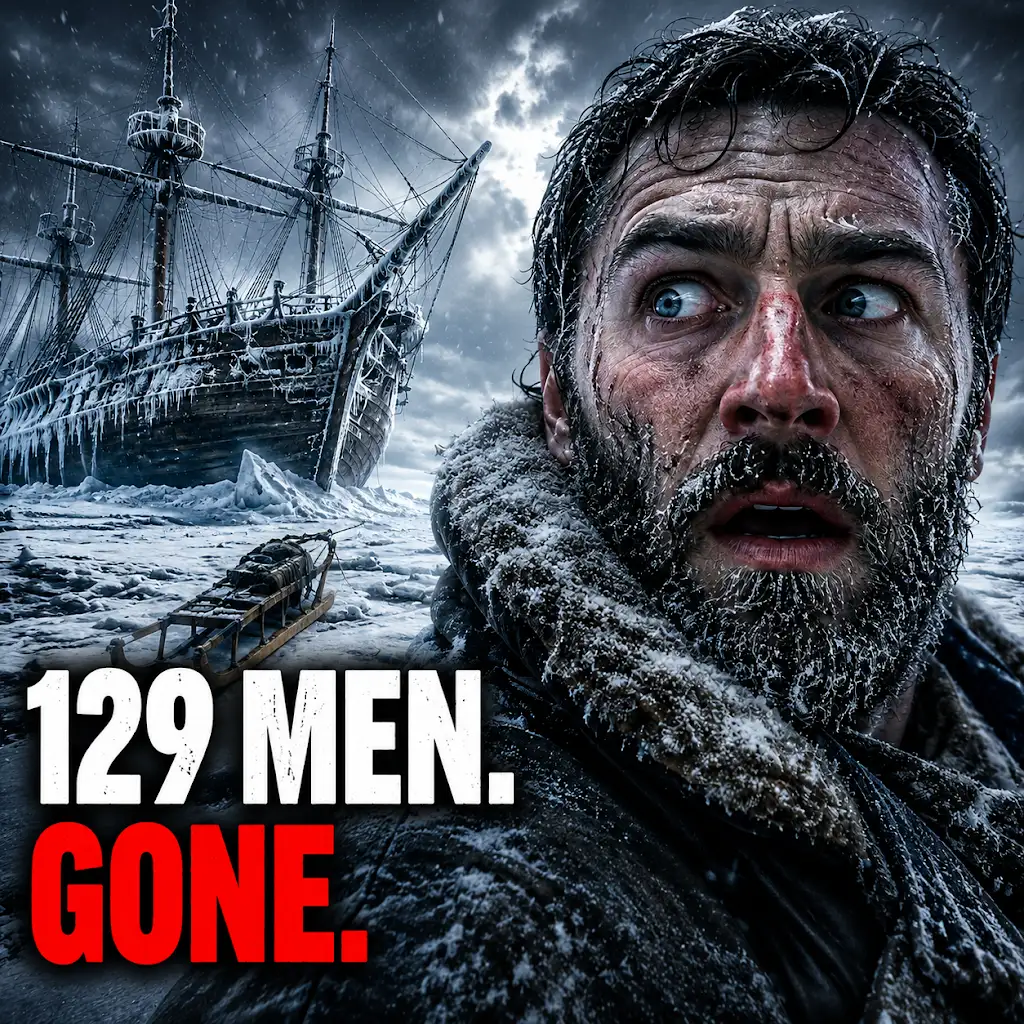
129 Men Vanished in the Arctic. Then We Found Their Ships.
FAQs
1. What are the Erebus and Terror ships?
The Erebus and Terror were two ships that were part of Sir John Franklin’s ill-fated expedition to find the Northwest Passage in the Arctic. The expedition set sail in 1845 and both ships disappeared without a trace.
2. When were the Erebus and Terror ships discovered?
The Erebus was discovered in 2014 and the Terror was discovered in 2016. Both ships were found in the Canadian Arctic, in the Queen Maud Gulf.
3. What condition were the Erebus and Terror ships in when they were discovered?
The Erebus was found in relatively good condition, with many of its artifacts and structural elements still intact. The Terror was also found in remarkably good condition, with its hull and deck largely preserved.
4. What significance do the Erebus and Terror ships hold?
The discovery of the Erebus and Terror ships has provided valuable insight into the Franklin expedition and the conditions the crew faced. It has also shed light on the history of Arctic exploration and the search for the Northwest Passage.
5. What ongoing research and exploration is being conducted on the Erebus and Terror ships?
Ongoing research and exploration on the Erebus and Terror ships include efforts to document and preserve the artifacts found on the ships, as well as further investigation into the circumstances surrounding the expedition’s demise. Additionally, there are ongoing efforts to study the environmental impact of the wrecks and to continue mapping the surrounding area.