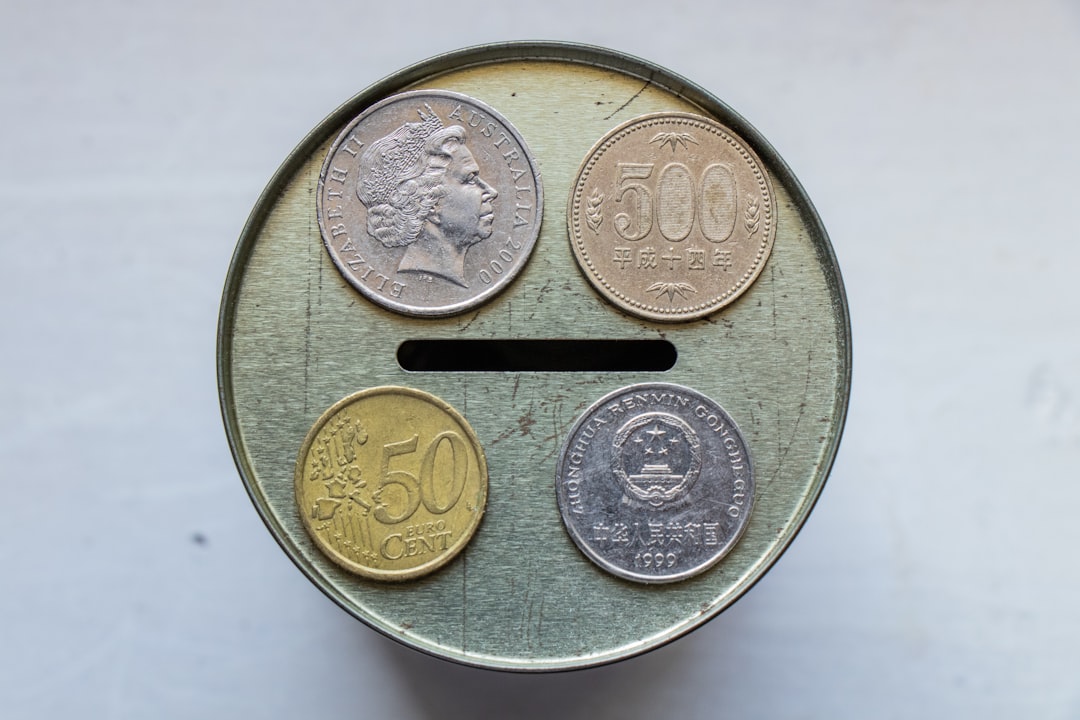
As you delve into the complexities of global finance, one currency that has recently captured attention is the Japanese yen. The yen, once a symbol of strength and stability, has been experiencing a notable decline in value against other major currencies. This weakening is not merely a fleeting trend; it reflects deeper economic currents and shifts in market sentiment.
Understanding the factors behind this decline is crucial for anyone interested in international economics, trade, or investment strategies. The yen’s depreciation can have far-reaching implications, not just for Japan but for the global economy as well.
By grasping these elements, you can better appreciate the challenges and opportunities that arise from a weakening currency.
Key Takeaways
- The yen’s weakening is driven by a mix of economic factors and global market trends.
- Government policies and interventions play a significant role in influencing the yen’s value.
- The decline impacts Japanese exporters, importers, and foreign investment dynamics.
- Changes in the yen affect Japan’s trade balance and have consequences for consumers and businesses.
- Future forecasts suggest ongoing challenges, requiring strategic navigation for Japan’s economy.
Economic Factors Contributing to the Yen’s Decline
Several economic factors are at play in the yen’s decline, and understanding them is essential for grasping the broader picture. One of the primary contributors is Japan’s prolonged period of low interest rates. The Bank of Japan has maintained an ultra-loose monetary policy for years, aiming to stimulate economic growth and combat deflation.
While this approach has its merits, it has also led to a situation where investors seek higher returns elsewhere, prompting them to sell off yen-denominated assets. Additionally, Japan’s economic growth has been sluggish compared to other developed nations. As you analyze the data, you may notice that Japan’s GDP growth rates have lagged behind those of the United States and other major economies.
This disparity can lead to a lack of confidence among investors, further exacerbating the yen’s decline. The combination of low interest rates and stagnant growth creates a challenging environment for the currency, making it less attractive to both domestic and foreign investors.
Global Market Trends and Their Impact on the Yen
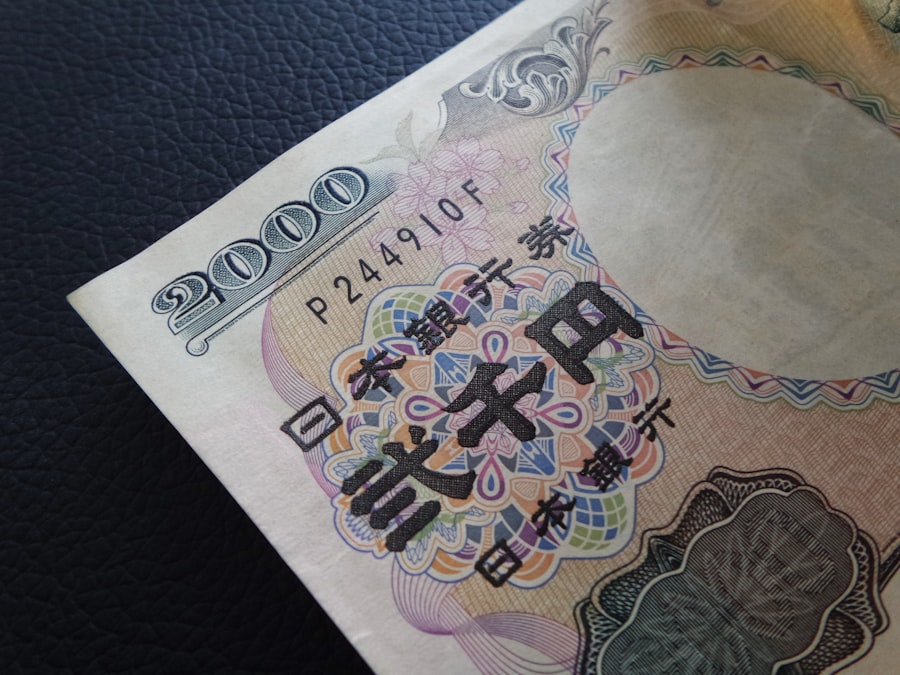
In today’s interconnected world, global market trends significantly influence currency values, and the yen is no exception. As you observe international financial markets, you will see that shifts in investor sentiment can lead to rapid changes in currency valuations. For instance, when risk appetite increases among investors, they often flock to higher-yielding assets, which can result in a sell-off of safe-haven currencies like the yen.
Moreover, geopolitical tensions and economic uncertainties can also play a role in shaping market trends. When global markets are volatile, investors may initially turn to the yen as a safe haven. However, if Japan’s economic outlook appears bleak compared to other nations, this perception can quickly shift.
As you analyze these trends, consider how external factors such as trade disputes or changes in U.S. monetary policy can create ripple effects that impact the yen’s value.
Government Policies and Interventions Affecting the Yen’s Value
| Policy/Intervention | Description | Impact on Yen Value | Timeframe | Example Metrics |
|---|---|---|---|---|
| Monetary Easing by Bank of Japan (BOJ) | Lowering interest rates and increasing asset purchases to stimulate economy | Typically weakens the yen due to increased money supply | Ongoing since early 2010s | Interest rate near 0%, BOJ asset purchases over 80 trillion yen annually |
| Currency Intervention | Direct buying or selling of yen by the government to influence exchange rate | Can strengthen or weaken yen depending on intervention direction | Occasional, e.g., 2011, 2019 | Intervention volume: up to several billion yen per day |
| Fiscal Stimulus Packages | Government spending to boost economic growth | May weaken yen if it increases debt and inflation expectations | Periodic, e.g., 2020 COVID-19 stimulus | Stimulus size: over 70 trillion yen in 2020 |
| Trade Policies and Tariffs | Policies affecting trade balance and capital flows | Can influence yen value through trade surplus/deficit changes | Variable | Trade surplus: approx. 20 trillion yen annually |
| Inflation Targeting | BOJ’s target to maintain inflation around 2% | Helps stabilize yen value by anchoring expectations | Since 2013 | Inflation rate: fluctuating around 0-1% recently |
Government policies play a pivotal role in determining currency values, and Japan’s approach to economic management is no exception. The Bank of Japan’s monetary policy decisions are closely watched by market participants, as they can have immediate effects on the yen’s strength or weakness. For instance, if the central bank signals a willingness to maintain low interest rates or implement further quantitative easing measures, it can lead to a depreciation of the yen.
In addition to monetary policy, fiscal measures taken by the Japanese government can also influence the currency’s value. You may find that government spending initiatives aimed at stimulating growth can have mixed effects on the yen. While increased spending may boost economic activity in the short term, it can also raise concerns about fiscal sustainability and lead to a loss of confidence among investors.
Understanding these dynamics is crucial for anyone looking to navigate the complexities of Japan’s economic landscape.
Implications for Japanese Exporters and Importers
The weakening yen presents a mixed bag of implications for Japanese exporters and importers alike. On one hand, a weaker yen can benefit exporters by making their goods more competitively priced in international markets. As you consider this aspect, think about how companies like Toyota or Sony might leverage a weaker currency to increase their market share abroad.
Lower prices can lead to higher demand for Japanese products, potentially boosting profits and driving economic growth. Conversely, importers face challenges when the yen weakens. As you analyze this situation, consider how businesses that rely on imported raw materials or goods may experience increased costs due to unfavorable exchange rates.
This can squeeze profit margins and lead to higher prices for consumers. The balance between these two sides of the equation is delicate; while exporters may thrive, importers could struggle under the weight of rising costs.
Effects on Foreign Investment in Japan

Foreign investment is another area significantly impacted by the yen’s weakening. As you explore this topic, you’ll find that a depreciating currency can deter foreign investors who are concerned about potential losses when converting profits back into their home currencies. If investors perceive that the yen will continue to weaken, they may hesitate to commit capital to Japanese markets.
However, there is also an argument that a weaker yen can attract foreign investment in certain sectors. For instance, foreign companies may find it more appealing to invest in Japanese manufacturing or technology firms when their costs are lower due to favorable exchange rates. As you weigh these perspectives, consider how Japan can position itself to attract foreign investment despite currency fluctuations.
Impact on Japan’s Trade Balance
The trade balance is a critical indicator of a country’s economic health, and the yen’s weakening has direct implications for this metric. A weaker yen typically makes exports cheaper and imports more expensive, which can lead to an improvement in the trade balance if export growth outpaces import growth. As you analyze Japan’s trade data, you may notice fluctuations that reflect these dynamics.
However, it’s essential to recognize that improvements in trade balance are not guaranteed. If global demand for Japanese goods remains stagnant or if competitors offer similar products at lower prices, the expected benefits of a weaker yen may not materialize. Additionally, rising import costs can offset gains from increased export revenues.
Understanding these nuances will help you appreciate the complexities of Japan’s trade landscape.
Potential Consequences for Japanese Consumers and Businesses
The weakening yen does not only affect exporters and importers; it also has significant consequences for Japanese consumers and businesses. As you consider this aspect, think about how rising import prices can lead to increased costs for everyday goods and services. For consumers, this could mean higher prices at grocery stores or increased costs for imported electronics.
Businesses that rely on imported materials may also face challenges as their production costs rise. This could lead to difficult decisions regarding pricing strategies or profit margins. As you reflect on these potential consequences, consider how consumer sentiment might shift in response to rising prices and whether businesses will be able to absorb these costs without passing them on to consumers.
Comparisons with Other Major Currencies
To fully understand the yen’s weakening, it’s helpful to compare it with other major currencies such as the U.S. dollar or the euro. As you analyze these comparisons, you may notice that while the yen has been declining against these currencies, other factors are at play in their respective economies as well.
For instance, if the U.
dollar strengthens due to robust economic growth or rising interest rates, it can exacerbate the yen’s decline. Additionally, geopolitical events can create volatility across multiple currencies simultaneously.
By examining how the yen stacks up against its peers during various market conditions, you can gain insights into broader trends affecting global finance and trade dynamics.
Forecasts and Projections for the Yen’s Future
Looking ahead, forecasts for the yen’s future are varied and depend on numerous factors including economic performance, government policies, and global market conditions. As you explore these projections, consider how analysts weigh different scenarios based on current data and trends. Some experts may predict a stabilization of the yen if Japan implements effective economic reforms or if global demand for Japanese exports increases.
Conversely, others may caution against complacency if underlying issues such as low productivity or demographic challenges remain unaddressed. By examining these forecasts critically, you can develop a more nuanced understanding of what lies ahead for the yen and its implications for Japan’s economy.
Navigating the Yen’s Weakening for Japan’s Economy
In conclusion, navigating the complexities of a weakening yen requires a multifaceted approach that considers various economic factors, market trends, and government policies. As you reflect on this topic, think about how Japan can leverage its strengths while addressing its challenges in order to stabilize its currency and foster sustainable growth. The implications of a declining yen extend beyond mere currency valuation; they touch upon trade balances, foreign investment dynamics, and consumer behavior within Japan’s economy.
By staying informed about these developments and understanding their interconnectedness, you will be better equipped to engage with discussions surrounding Japan’s economic future in an increasingly globalized world.
The recent weakening of the yen can be attributed to various economic factors, including Japan’s monetary policy and global market trends. For a deeper understanding of the implications of these changes, you can read a related article on this topic at Real Lore and Order. This article provides insights into the current economic climate and its effects on the yen’s value.
WATCH THIS! The Silent Collapse: Why Japan’s Economy Was a Lie
FAQs
What factors are contributing to the weakening of the yen?
Several factors contribute to the weakening of the yen, including differences in interest rates between Japan and other countries, monetary policy decisions by the Bank of Japan, economic growth disparities, and global market sentiment.
How does the Bank of Japan’s monetary policy affect the yen’s value?
The Bank of Japan’s policies, such as maintaining low or negative interest rates and quantitative easing, tend to lower the yen’s value by making Japanese assets less attractive to investors compared to those in countries with higher interest rates.
What role do interest rate differentials play in the yen’s depreciation?
Interest rate differentials between Japan and other major economies, especially the United States, influence currency flows. Higher interest rates abroad can lead investors to move capital out of yen-denominated assets, weakening the yen.
How does Japan’s economic performance impact the yen?
Slower economic growth or deflationary pressures in Japan can reduce investor confidence and demand for the yen, contributing to its depreciation against other currencies.
Does global market sentiment influence the yen’s strength?
Yes, the yen is often seen as a safe-haven currency. During times of global uncertainty or market volatility, the yen may strengthen as investors seek safety. Conversely, in stable or risk-on environments, the yen may weaken.
Can government intervention affect the yen’s exchange rate?
Yes, the Japanese government and the Bank of Japan can intervene in foreign exchange markets to influence the yen’s value, although such interventions are typically used sparingly.
How do trade balances impact the yen?
Japan’s trade balance affects the yen’s value; a trade deficit can put downward pressure on the yen, while a trade surplus can support its strength.
Is the weakening yen beneficial or harmful to Japan’s economy?
A weaker yen can boost Japan’s export competitiveness by making Japanese goods cheaper abroad, but it can also increase the cost of imports and contribute to inflation. The overall impact depends on various economic factors.