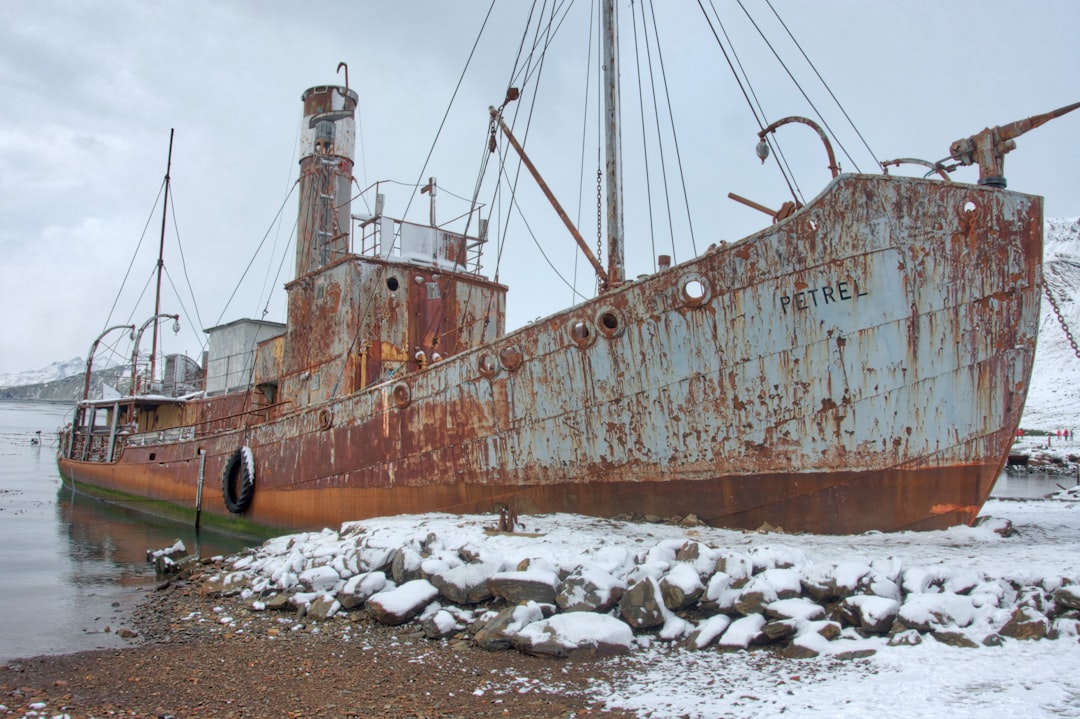
The icy grip of the Arctic has long held secrets, and few are as haunting and persistent as the mystery of Sir John Franklin’s lost expedition. In 1845, a grand British naval endeavor set sail with the ambitious goal of discovering the Northwest Passage, a fabled sea route through the Canadian Arctic. Instead, the two ships, HMS Erebus and HMS Terror, vanished, leaving behind a trail of tantalizing clues and enduring questions. For over a century and a half, the quest to find these lost vessels and uncover their fate has captivated explorers, historians, and the public alike. The discovery of their abandoned hulks in the 21st century has finally brought tangible evidence to light, offering a glimpse into the final, desperate days of these ill-fated explorers and the silent, frozen testament to their demise.
The mid-19th century was a golden age of exploration, and the British Empire, at its zenith, was eager to push the boundaries of known geography. The Northwest Passage, a route connecting the Atlantic and Pacific Oceans through the Arctic, had been a subject of fascination and frustration for centuries. Its discovery promised immense strategic and economic advantages, cementing British naval dominance and opening new trade avenues.
The Vision of Sir John Franklin
Sir John Franklin, a seasoned naval officer with prior Arctic experience, was chosen to lead this monumental undertaking. He was a man of considerable reputation, having served in the Napoleonic Wars and participated in earlier Arctic voyages. While Franklin was experienced, some historians argue that his age – he was nearly 60 at the time of the expedition – and his previous expeditions, which had not always been without hardship, might have been causes for concern. Nevertheless, his appointment was seen as a prestigious one, and the expedition was outfitted with considerable resources.
TheHMS Erebus and HMS Terror: Chosen Vessels
The expedition comprised two stout vessels, HMS Erebus and HMS Terror. Both were well-built bomb vessels, designed to withstand the rigors of icy seas. They were refitted and strengthened for Arctic service, equipped with steam engines for added maneuverability – a relatively new and experimental technology for naval vessels of the time. These engines, powered by coal, offered the promise of independent propulsion, a significant advantage in navigating the often ice-choked waters. They were provisioned with enough food and supplies for three years, a seemingly ample duration, and carried a crew of 129 men, including officers and sailors. The spirit of adventure and the promise of glory fueled the departure of these magnificent ships from the Thames in May 1845, a moment marked by public fanfare and national pride.
The Franklin Expedition, which sought the Northwest Passage in the mid-19th century, left behind two ships, HMS Erebus and HMS Terror, that were famously abandoned in the Arctic. These vessels have since become subjects of fascination and extensive research, shedding light on the challenges faced by explorers in harsh environments. For those interested in the broader context of human exploration and migration, a related article discusses prehistoric human migration to Antarctica, highlighting how humans have adapted to extreme conditions throughout history. You can read more about this intriguing topic in the article available at Prehistoric Human Migration to Antarctica.
The Unraveling of the Expedition: The Last Confirmed Sightings
The initial stages of the Franklin Expedition were uneventful, with the ships making good progress north. However, as they ventured deeper into the Arctic labyrinth, the known world began to recede, and the true challenges of their mission started to manifest.
Encountering Whalers and the Open Sea
The last confirmed sighting of Franklin’s ships occurred in July 1845, when they were spotted by two whaling vessels in Baffin Bay. The whalers reported that the expedition appeared to be in good spirits and well-provisioned, confidently sailing towards the northwest. This brief encounter provided a fleeting glimpse of the hopeful beginning, a stark contrast to the grim reality that would eventually unfold. After this, the expedition sailed into the vast, unforgiving expanse of the Arctic, disappearing from the sight of the civilized world.
The Initial Push into the Ice
The ships navigated through Lancaster Sound, a key gateway to the Northwest Passage. They ventured westward, encountering increasingly challenging ice conditions. The journals and logs of the expedition, pieced together from later discoveries, suggest that they successfully navigated a significant portion of the passage during their first summer. However, the Arctic proved to be a formidable adversary, and the unforgiving nature of its frozen embrace was about to become devastatingly apparent.
The Long Silence: The Growing Fear and the Search
As months turned into years and no word arrived from the Franklin Expedition, a gnawing sense of unease began to spread through Britain. The initial optimism gave way to anxiety, and then to a profound sense of dread. The absence of any communication from a meticulously planned and well-equipped expedition was unprecedented and deeply concerning.
The Inadequacy of Early Search Efforts
The British Admiralty, initially hesitant to launch a full-scale rescue mission, eventually initiated a series of search parties. However, these early efforts were hampered by a lack of accurate information about the expedition’s intended route and the vastness of the search area. The Royal Navy, accustomed to operating in more familiar waters, struggled to comprehend the scale of the Arctic wilderness and the unforgiving nature of its elements. The searches were often sporadic and unfocused, relying on the hope of stumbling upon the lost ships rather than systematic investigation.
The Role of Lady Jane Franklin
Lady Jane Franklin, Sir John’s devoted wife, became a tireless advocate for her husband. She refused to believe he was lost and poured her personal fortune and considerable influence into organizing private expeditions to search for him. Her unwavering determination and persistent appeals to the Admiralty and the public were instrumental in keeping the search for Franklin alive for decades. She funded multiple expeditions, each one driven by her unyielding hope and love for her husband.
The First Glimmers of Hope: Arctic Relics and Survivor Accounts
Despite the prolonged silence, the Arctic itself began to offer fragmented clues to the expedition’s fate. These scattered discoveries, though often chilling, provided the first tangible evidence that something had gone terribly wrong.
Inuit Testimony: Whispers from the North
Indigenous Inuit communities, who had lived in the Arctic for millennia and possessed an intimate knowledge of its terrain and its dangers, were often the first to encounter remnants of the expedition. Their oral traditions, initially dismissed by some European explorers, later proved to be remarkably accurate. Accounts from Inuit hunters spoke of encountering starving Europeans on King William Island, of discovering buried bodies, and of seeing abandoned ships. These testimonies, though often translated and interpreted, provided invaluable insights into the final movements of the expedition.
The Shore Parties and Scattered Artifacts
As search parties ventured further into the Arctic, they began to find evidence of the expedition’s presence. These discoveries included discarded equipment, personal belongings, and even the remains of some of the crew. The presence of these artifacts, found in various locations, painted a grim picture of a desperate struggle for survival. These were not signs of a successful voyage but rather the detritus of a tragic end.
The mysterious fate of the Franklin Expedition and its abandoned ships has long captivated historians and explorers alike. Recent discoveries in the Arctic have shed light on the challenges faced by these early adventurers, revealing the harsh realities of their journey. For those interested in the broader implications of exploration and resource competition, a related article discusses the modern geopolitical struggles for lunar resources, highlighting how the quest for new frontiers continues to shape human endeavors. You can read more about this fascinating topic in the article here.
The Breakthrough Discovery: The Abandoned Hulks Emerge from the Ice
| Ship Name | Abandonment Date | Location |
|---|---|---|
| HMS Erebus | April 22, 1848 | Victoria Strait |
| HMS Terror | April 15, 1848 | King William Island |
For over 160 years, the ultimate resting place of HMS Erebus and HMS Terror remained one of history’s great unsolved maritime mysteries. Then, in the 21st century, a series of groundbreaking discoveries finally located the lost ships, bringing closure to a decades-long quest and offering an unprecedented glimpse into the final moments of the Franklin Expedition.
The Arctic Search Intensifies: Technology and Determination
Modern exploration techniques, including advanced sonar, remote sensing technology, and the invaluable collaboration with Parks Canada and the Canadian Coast Guard, combined with the enduring determination of researchers, finally led to success. The Canadian government, in particular, played a crucial role in orchestrating and supporting these modern-day expeditions.
The Discovery of HMS Erebus (2014)
In September 2014, a team led by the Arctic Research Foundation, utilizing sonar technology, announced the discovery of HMS Erebus in the waters of King William Island. The ship was remarkably well-preserved in the frigid Arctic seabed, a testament to the unforgiving environment that had also claimed its crew. The discovery sent shockwaves across the globe, rekindling public interest in the Franklin Expedition and its tragic story.
The Discovery of HMS Terror (2016)
Two years later, in September 2016, the sister ship, HMS Terror, was also located by a Parks Canada expedition, approximately 60 miles south of the HMS Erebus, also in the waters of King William Island. Its discovery in surprisingly intact condition, sitting upright on the seabed with its mast still standing, was nothing short of astonishing. The discovery of both ships, within a few years of each other, provided an unparalleled opportunity to study the final days of the expedition and the remarkable resilience of these Arctic wrecks. The abandoned ships, once symbols of ambition and exploration, had become silent monuments to survival and ultimately, tragedy, their timbers whispering tales of desperation and resilience against the unforgiving Arctic.
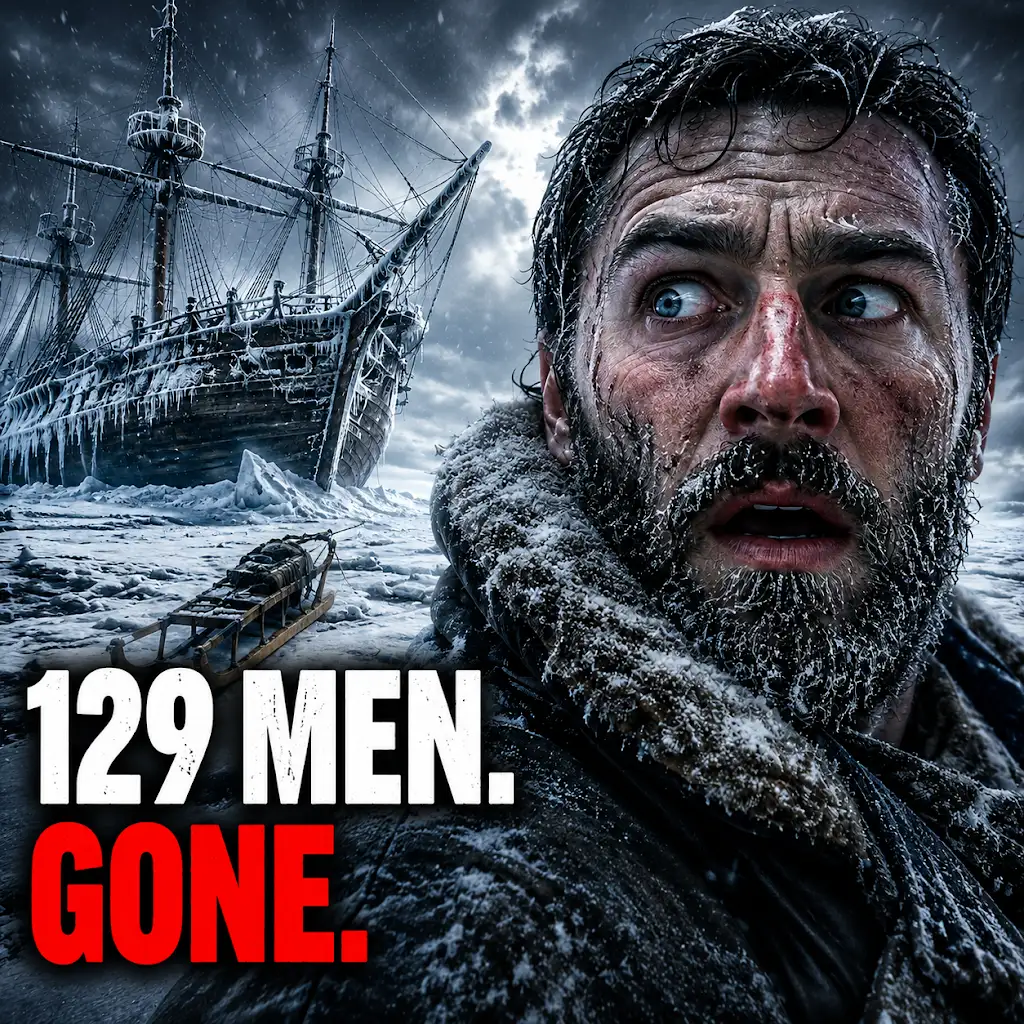
129 Men Vanished in the Arctic. Then We Found Their Ships.
FAQs
What is the Franklin Expedition?
The Franklin Expedition was a British voyage of exploration led by Captain Sir John Franklin in 1845. The goal of the expedition was to navigate the Northwest Passage, a sea route through the Arctic Ocean connecting the Atlantic and Pacific Oceans.
What happened to the Franklin Expedition?
The fate of the Franklin Expedition became a mystery when the two ships, HMS Erebus and HMS Terror, disappeared in the Arctic. The ships were abandoned after becoming trapped in ice, and the entire crew perished.
When were the abandoned ships of the Franklin Expedition discovered?
The wreck of HMS Erebus was discovered in 2014, and the wreck of HMS Terror was discovered in 2016. Both ships were found in the Canadian Arctic, providing new insights into the fate of the expedition.
What significance do the abandoned ships hold?
The discovery of the abandoned ships of the Franklin Expedition has provided valuable historical and archaeological insights into the ill-fated voyage. The well-preserved wrecks have offered researchers a wealth of information about the conditions and events leading to the expedition’s demise.
What ongoing research is being conducted on the abandoned ships?
Ongoing research on the abandoned ships includes efforts to document and preserve the wrecks, as well as investigations into the cause of the expedition’s failure and the fate of its crew. The discoveries continue to shed light on one of the most enduring mysteries in maritime history.