
The stark, windswept shores of Beechey Island hold a haunting silence, a testament to one of history’s most enduring maritime mysteries: the tragic fate of Sir John Franklin’s Arctic expedition. For years, the disappearance of HMS Erebus and HMS Terror in 1845, along with their 129 officers and men, fueled speculation and sent countless search parties into the unforgiving polar expanse. While the ultimate demise of the crews remains shrouded in the ice and the passage of time, Beechey Island, with its poignant relics, offers a chilling glimpse into the initial stages of their doomed voyage and the first whispers of the unfolding tragedy.
In the mid-19th century, the Northwest Passage, a legendary sea route connecting the Atlantic and Pacific Oceans through the Arctic, remained the ultimate prize for explorers. The allure of its potential economic benefits and the prestige associated with its discovery were immense. Sir John Franklin, a seasoned naval officer with extensive Arctic experience, was entrusted with this ambitious undertaking by the British Admiralty. His expedition, comprising two state-of-the-art vessels, HMS Erebus and HMS Terror, was equipped with the latest technology of the era, including steam engines to aid propulsion through ice-choked waters. The crew comprised highly skilled officers and men, chosen for their resilience and expertise. The departure from Greenhithe in May 1845 was met with widespread optimism and public acclaim, a testament to the national fervor surrounding the quest for the Northwest Passage. The initial hopes were high, with expectations of a triumphant return within a few years, bearing news of a navigable route.
The Promise of Innovation
Franklin’s expedition was not merely a pursuit of an age-old geographical enigma; it was also a showcase for British technological prowess. Both HMS Erebus and HMS Terror were among the most advanced warships of their time, specially strengthened to withstand the pressures of Arctic ice.
Enhanced Hull Design
The ships featured reinforced hulls, built with stout oak and copper sheathing to protect against the abrasive action of ice floes. This was a crucial adaptation for navigating what was expected to be a challenging and unforgiving environment.
Steam Power Integration
A significant innovation for an Arctic expedition of this nature was the inclusion of steam engines. These were intended to provide auxiliary power, allowing the ships to maneuver independently of the wind, a critical advantage in the often calm and ice-bound Arctic seas. The engines, though rudimentary by modern standards, represented a bold step forward in polar exploration technology.
The Crew: A Select Band of Explorers
The 129 individuals who embarked on this fateful journey were not ordinary sailors. They were a carefully selected group of officers, scientists, and experienced Arctic hands, chosen for their fortitude, skills, and dedication.
Experienced Leadership
Sir John Franklin, though perhaps past his prime, brought a wealth of experience to the command. He was accompanied by experienced officers like Captain Francis Crozier, second-in-command, who had considerable prior Arctic service.
Scientific Endeavors
The expedition was also equipped for scientific observation, with designated personnel tasked with recording meteorological data, magnetic phenomena, and biological specimens. This reflects the broader scientific interests of the Royal Navy and the era.
The tragic deaths of the Franklin Expedition members on Beechey Island have long fascinated historians and researchers, shedding light on the harsh realities of Arctic exploration in the 19th century. For those interested in exploring the broader implications of historical planning and disaster management, a related article discusses the lessons learned from ancient city planning failures and their relevance to modern society. You can read more about it in this insightful piece: The Ancient City Planning Disaster.
The Last Known Sightings and the Ominous Silence
The last confirmed sightings of HMS Erebus and HMS Terror occurred in late July 1845, when they were observed by a whaler off the coast of Greenland, heading into the Arctic ice. Following this, an impenetrable silence descended. Despite the Admiralty’s meticulous planning for communication and regular rendezvous, no further word was received. As months turned into years, and the expected return date passed, a growing sense of unease began to permeate the public consciousness and the halls of the Admiralty. The initial optimism gave way to apprehension, and then to a desperate resolve to discover the fate of the lost ships and their crews.
The Whaler’s Glimpse
The whaler Sophia, captained by David Allen, provided the final tangible link to the expedition’s whereabouts. Their encounter with Franklin’s ships offered a fleeting but crucial piece of information.
Confirmation of Northward Progress
Allen’s report confirmed that the expedition had successfully navigated Baffin Bay and was proceeding northwestward into Lancaster Sound, the gateway to the Northwest Passage. This offered a glimmer of hope that they were making progress on their ambitious objective.
The Unforeseen Trajectory
However, this sighting also marked the last known positive indication of their position. The vastness of the Arctic, coupled with the ever-present threat of ice, meant that their subsequent movements were lost to the outside world.
The Expanding Search
The prolonged silence from Franklin’s expedition sparked a monumental search effort, involving numerous naval expeditions and private ventures. These searches, driven by a mixture of humanitarian concern and national pride, would span decades and uncover some of the grim realities of the Arctic’s unforgiving nature.
Admiralty-Sponsored Expeditions
The British Admiralty itself mounted several large-scale search expeditions, often venturing into the very regions where Franklin was presumed to be. These expeditions, though brave and determined, also met with hardship and disappointment.
Private and International Efforts
Beyond the official searches, a significant number of private individuals and even foreign nations contributed to the effort. The reward offered by Lady Jane Franklin, Sir John’s devoted wife, for any information about her husband, fueled many of these independent ventures.
Beechey Island: A Temporary Haven and a Grim Discovery
It was during one of these early, extensive searches, spearheaded by Sir Edward Belcher in 1852, that the first concrete evidence of the expedition’s fate began to emerge. A shore party, exploring the shores of Beechey Island, a desolate but strategically located island in the Canadian Arctic Archipelago, stumbled upon a series of disturbing discoveries. These findings would irrevocably link Beechey Island to the Franklin expedition and provide the first chilling confirmation that something had gone terribly wrong.
The Stark Reminders of Occupancy
The desolate landscape of Beechey Island offered no signs of natural habitation, making the discovered relics all the more poignant. The presence of human activity, however brief, painted a stark picture of the expedition’s initial struggles.
The Winter Camp of 1845-1846
The most significant discovery was the well-preserved remains of a winter camp established by Franklin’s ships. Three makeshift tents, erected on the island’s frozen surface, served as a powerful testament to the fact that the expedition had wintered there during 1845-1846.
Evidence of Daily Life
Within and around the tent sites, explorers found numerous artifacts: remnants of fires, discarded food tins, scraps of canvas, and even small personal items. These were not the remnants of a planned, prolonged stay but rather the hurried, yet organized, preparations of a group facing an unexpected and prolonged winter. The presence of these items suggested a degree of order and discipline, even in the face of adversity.
The Ghostly Presence
The sheer desolation of the location, coupled with the evidence of a temporary human presence, created an almost spectral atmosphere. The wind whistling over the frozen ground seemed to carry the echoes of the men who had once sought shelter there.
The Gravestones of the Lost
Perhaps the most emotionally devastating find on Beechey Island were the three graves. These marked the final resting places of three young sailors: Petty Officer John Torrington, Able Seaman William Braine, and Able Seaman John Bell.
The Autopsy’s Revelations
The exhumation of Torrington’s body in 1984, thanks to the remarkably preserved state of remains in the Arctic permafrost, provided crucial insights. The autopsy revealed no signs of violence or starvation but strongly indicated scurvy as a contributing factor to his death. This, coupled with the limited supplies and the harsh conditions, began to paint a grim picture of the expedition’s early struggles and the nutritional deficiencies they faced. The other two graves, though their occupants were not exhumed at the time, were presumed to have met similar fates due to the conditions.
A Glimpse of Early Mortality
The presence of these graves so early in the expedition’s journey was a stark indicator of the dangers they faced and the toll the Arctic environment was already taking on the crew. It confirmed that the challenges were immediate and significant, rather than being a distant threat.
The Abandoned Provisions
Further exploration of Beechey Island revealed remnants of provisions, offering a glimpse into the practicalities of their Arctic sojourn. While some of these were indicative of standard naval supplies, others hinted at attempts to supplement their diets.
The Tins of Food
Numerous tins of preserved food were discovered, many bearing the Admiralty’s mark. The examination of these tins later revealed that they had been manufactured using lead solder, a practice that would prove to be a significant contributor to lead poisoning, a silent and insidious killer.
The Hunting and Fishing Evidence
Evidence of hunting and fishing, such as discarded animal bones and remnants of fishing gear, suggested that the crew was attempting to augment their rations, indicating that their stored provisions might not have been as abundant as initially planned, or that they were experiencing difficulties in accessing them. This also highlighted their resourcefulness in attempting to survive.
The Whispers of Lead Poisoning and Scurvy
The scientific examination of the remains found on Beechey Island, particularly the exhumation of Petty Officer John Torrington, began to unravel some of the contributing factors to the expedition’s demise. While the full picture would emerge through later discoveries, the initial findings pointed towards two insidious threats: lead poisoning and scurvy. The discovery of lead in the preserved food tins and the symptoms suggestive of scurvy in the recovered remains provided early clues to the silent killers that plagued the expedition.
The Tins of Danger: Lead Contamination
The extensive use of lead solder in the canning of food for long voyages was a common practice, but one that proved disastrous for the Franklin expedition. The acidic contents of the tins would leach lead into the food, leading to chronic lead poisoning.
The Scientific Evidence
Subsequent scientific analyses of the hair and bone samples from recovered bodies, including those found on Beechey Island, conclusively demonstrated elevated levels of lead. This poisoning would have had a debilitating effect on the men, affecting their cognitive functions, physical strength, and overall health, making them more susceptible to the rigors of the Arctic.
The Debilitating Effects of Lead
Lead poisoning can manifest in a variety of ways, including neurological damage, anemia, and kidney problems. In the context of the Arctic, where survival depended on peak physical and mental performance, these effects would have been catastrophic.
The Subtle Nature of the Poison
The insidious nature of lead poisoning meant that its effects would have been gradual, making it difficult for the crew to fully comprehend the cause of their deteriorating health, especially in an environment already rife with unknown dangers.
The Scourge of Scurvy
Scurvy, a disease caused by a deficiency of vitamin C, was a constant threat on long sea voyages before the understanding of its nutritional cause and prevention. The limited access to fresh fruits and vegetables during the Arctic expedition made the crew highly vulnerable.
Nutritional Deficiencies
The reliance on preserved rations, devoid of fresh vitamin C, would have inevitably led to outbreaks of scurvy. Symptoms include fatigue, weakness, bleeding gums, and eventually, if untreated, death.
The Role of Scorbutic Symptoms
The condition of the teeth and gums observed in some of the remains, along with general signs of ill health, strongly suggested the presence of scurvy. This would have further weakened the crew, making them less capable of enduring the extreme cold and physical demands of their situation.
The Importance of Fresh Food
The expedition’s inability to acquire sufficient fresh food, whether through hunting, fishing, or foraging, meant they were constantly battling this nutritional deficiency. Even if they were able to catch some game, the preservation methods might have diminished the vitamin C content.
The tragic deaths of the Franklin Expedition crew on Beechey Island have long intrigued historians and researchers alike. This mysterious event not only highlights the perilous nature of Arctic exploration but also raises questions about the survival strategies employed by the crew. For those interested in exploring more about unexpected discoveries related to historical expeditions, you can read a fascinating article on accidental discoveries that sheds light on similar incidents throughout history.
The Lingering Questions and the Enduring Legacy
| Location | Deaths | Date |
|---|---|---|
| Beechey Island | 3 | 1846-1847 |
While Beechey Island provided the first tangible clues, the ultimate fate of Franklin and his crew remained a profound enigma for over a century. Later discoveries, particularly the finding of HMS Terror in 2016, and extensive archaeological work, have gradually pieced together a more complete, albeit still heartbreaking, narrative. The story of the Franklin expedition, however incomplete, serves as a powerful cautionary tale about the hubris of human ambition in the face of nature’s raw power and the enduring courage of those who venture into the unknown.
The Path to Oblivion
The evidence gathered from Beechey Island, combined with later discoveries along the Northwest Passage, paints a tragic picture of a voyage that went horribly wrong. After wintering at Beechey Island, the ships pressed on, only to become trapped in the ice for a second winter.
The Ill-Fated Advance
The decision to abandon the ships and attempt to walk south across the ice in 1848 proved to be the final, fatal choice. The crew, weakened by disease and starvation, faced an insurmountable challenge.
The Legacy of Ice
The persistent presence of sea ice, which had always been a formidable obstacle, ultimately sealed the fate of the expedition. Their advanced ships, designed to conquer the passage, became their tombs.
The Final Journey
The scattered remains and artifacts found along the King William Island area bear witness to the desperate, and ultimately futile, attempts of the survivors to reach salvation. The discovery of the wrecks of Erebus and Terror in recent years has brought a renewed focus on the expedition and the ongoing efforts to understand the full scope of their tragedy.
The Enduring Mystery
Despite the considerable progress made in understanding the Franklin expedition, certain questions continue to linger, fueling ongoing research and public fascination. The exact circumstances of every death, the precise sequence of events leading to the abandonment of the ships, and the full extent of the crew’s suffering remain subjects of intense study and debate.
The Role of Indigenous Knowledge
The vital role of the Inuit people in providing crucial information about the expedition’s fate is increasingly recognized. Their firsthand accounts, often dismissed or overlooked by early search parties, offered invaluable clues that later archaeological investigations confirmed.
The Unseen Witnesses
The Inuit communities living in the Arctic witnessed the struggles of the Franklin expedition and possessed knowledge of its demise long before the official searches uncovered definitive proof. Their oral traditions and insights are a critical part of the expedition’s narrative.
A Partnership in Discovery
Modern research increasingly emphasizes the importance of integrating Indigenous knowledge with scientific exploration to gain a more comprehensive understanding of the past.
The Ethics of Exploration and Recovery
The ongoing archaeological work and the potential for further recovery of artifacts raise important ethical questions about the preservation of historical sites and the respectful treatment of human remains. The lessons learned from the Franklin expedition continue to inform contemporary approaches to polar exploration and the management of historical legacies. The silence of Beechey Island, once merely a desolate landscape, now resonates with the profound tragedy of the Franklin expedition, a story of ambition, resilience, and ultimately, a devastating encounter with the unforgiving power of the Arctic.
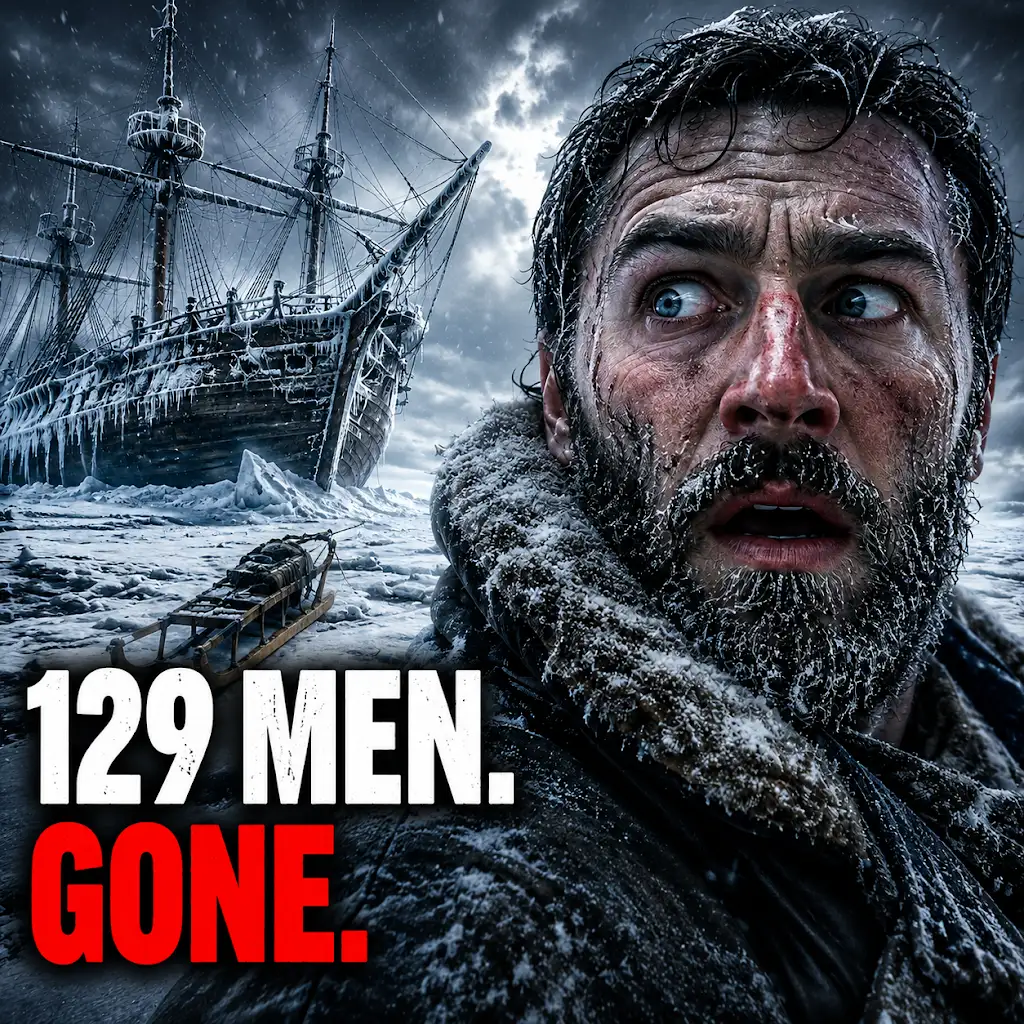
129 Men Vanished in the Arctic. Then We Found Their Ships.
FAQs
What was the Franklin Expedition?
The Franklin Expedition was a British voyage led by Captain Sir John Franklin in 1845 to find the Northwest Passage. The expedition’s two ships, HMS Erebus and HMS Terror, became trapped in ice and all crew members perished.
What happened at Beechey Island during the Franklin Expedition?
Beechey Island was one of the locations where the Franklin Expedition crew made a winter camp. Three crew members died and were buried on the island during the winter of 1845-1846.
Who were the crew members that died on Beechey Island?
The crew members who died on Beechey Island were John Torrington, John Hartnell, and William Braine. Their graves were later discovered by search parties.
What caused the deaths of the crew members on Beechey Island?
The exact cause of death for the crew members on Beechey Island is still debated, but it is believed that a combination of factors including scurvy, tuberculosis, and lead poisoning from canned food may have contributed to their deaths.
What is the significance of the Beechey Island deaths in the Franklin Expedition?
The deaths of the crew members on Beechey Island marked the beginning of the tragic fate of the Franklin Expedition. The discovery of their graves and the artifacts left behind have provided valuable insights into the expedition’s hardships and have contributed to ongoing research and exploration efforts.