
The chilling tale of Sir John Franklin’s doomed Arctic expedition has long captivated the public imagination, a maritime mystery shrouded in ice and unanswered questions. For nearly two centuries, the fate of the two ships, HMS Erebus and HMS Terror, and their 129 crew members has been a subject of intense speculation, fueled by fragmented historical accounts and the stark, silent landscape of the Arctic. However, recent advancements in forensic science and archaeology are slowly chipping away at the enigma, revealing new and compelling evidence that promises to rewrite our understanding of this tragic endeavor. The discovery of the wrecks of Erebus and Terror in 2014 and 2016, respectively, provided an unprecedented opportunity to delve into the final days of the expedition. These underwater museums, preserved by the frigid Arctic waters, are now yielding a treasure trove of artifacts, each a silent witness to the harrowing experiences of the doomed sailors.
The initial discovery of HMS Erebus in the Victoria Strait by the Arctic Research Foundation’s vessel Martin Bergmann was a monumental achievement, marking the first concrete step towards solving the Franklin mystery in over a century. The wreck, remarkably intact in many sections, offered a tantalizing glimpse into the final moments of the expedition. Its location, consistent with Inuit oral traditions, validated decades of speculation and provided a focal point for further investigation. Three years later, the equally elusive HMS Terror was found in the King William Island seabed, not far from its sister ship. This dual discovery was a game-changer, offering two distinct sites for archaeological exploration and the potential for a more complete picture of the expedition’s demise. The careful mapping and preliminary dives into both wrecks have already begun to yield an astonishing array of artifacts, from personal effects to shipboard equipment, each offering a unique perspective on the crew’s lives and their eventual fate.
The Role of Technology in Underwater Archaeology
The successful location and initial exploration of the Franklin wrecks owe much to the sophisticated technologies employed. Advanced sonar systems, including multibeam echo sounders, were crucial in meticulously surveying the vast and often featureless seabed, pinpointing anomalies that could indicate the presence of submerged vessels. Remotely Operated Vehicles (ROVs), equipped with high-definition cameras and manipulators, allowed archaeologists to conduct detailed visual inspections and even retrieve delicate artifacts without risking damage to the fragile wrecks or the surrounding environment. Side-scan sonar, another vital tool, provided detailed images of the seafloor, revealing the outlines of the ships and their immediate surroundings. The precision of these technologies allowed researchers to navigate the challenging underwater terrain and identify areas of particular interest for further investigation.
From Inuit Lore to Scientific Discovery
It is crucial to acknowledge the integral role of Inuit knowledge in the rediscovery of the Franklin wrecks. For generations, Inuit elders have shared oral traditions that spoke of ships trapped in the ice and the fates of the sailors. These stories, often dismissed by Western explorers as folklore, contained kernels of truth that ultimately guided the search efforts. The discovery of Erebus in a location consistent with Inuit accounts served as a powerful validation of their historical knowledge and highlighted the importance of incorporating Indigenous perspectives into scientific exploration. The ongoing collaboration between archaeologists and Inuit communities is essential for a comprehensive understanding of the expedition’s story, ensuring that the narrative is told with respect and inclusivity.
Recent studies on the Franklin Expedition have shed light on the forensic evidence surrounding the ill-fated journey, revealing insights into the crew’s struggles for survival. This investigation aligns with broader historical explorations, including the early expeditions to Antarctica. For a deeper understanding of the context and challenges faced by explorers before 1820, you can read more in this related article: Explorers of Antarctica Before 1820.
Whispers from the Decks: Artifactual Evidence
The artifacts recovered from the wrecks of HMS Erebus and HMS Terror are not mere curiosities; they are tangible links to the past, silent storytellers of hardship, resilience, and ultimately, tragedy. From personal items that speak to the humanity of the crew to the tools and equipment that reflect their technological capabilities, each object offers a piece of the puzzle. The sheer volume and preservation of these items provide an unprecedented opportunity for forensic analysis, allowing scientists to glean information previously unattainable. The careful cataloging and conservation of these artifacts are paramount, ensuring that their stories can be accurately interpreted for generations to come.
Personal Belongings: Glimpses of Humanity
Among the most poignant discoveries are personal items that offer intimate glimpses into the lives of the Franklin expedition’s crew. Small, worn leather-bound books, likely personal journals or religious texts, have been found, hinting at the sailors’ intellectual and spiritual lives even in the face of extreme adversity. Personal effects such as combs, buttons, and even fragments of clothing speak to the daily routines and the attempts to maintain some semblance of normalcy amidst the encroaching despair. These items humanize the expedition, reminding us that these were not just names on a roster, but individuals with families, hopes, and fears. Their presence in the archaeological record underscores the profound personal cost of this ill-fated voyage.
Naval Equipment: A Window into the Ships’ Operations
The recovery of naval equipment provides crucial insights into the operational capabilities of HMS Erebus and HMS Terror, as well as the potential causes of their demise. Cannons, anchors, navigational instruments, and fragments of ship rigging offer details about the vessels’ condition and how they were managed. The presence of scientific equipment, such as chronometers and sounding weights, highlights the expedition’s scientific objectives, which were as important as finding the Northwest Passage. Analyzing the state of this equipment can reveal evidence of attempts to repair the ships, indications of ice damage, or even signs of deliberate scuttling. Each piece of recovered machinery is a data point in the complex equation of the Franklin expedition’s fate.
The Enigma of the Provisioning: Food and Water Supplies
The state of the expedition’s food and water supplies is a critical area of forensic investigation. Recovered tins of preserved food, if they can be analyzed, could reveal whether spoilage or contamination played a role in the crew’s declining health. The presence of lead in the solder of these tins has long been suspected as a potential contributing factor to lead poisoning, a hypothesis that continues to be explored with modern analytical techniques. Similarly, analysis of water storage containers could shed light on the availability and quality of their water supply. Understanding the provisioning and its integrity is vital to assessing the crew’s physical condition and their ability to withstand the harsh Arctic environment.
Forensic Footprints: Unraveling the Health and Diet
The application of forensic science to the human remains and artifacts associated with the Franklin expedition has been revolutionary, moving beyond speculation to provide concrete answers about the health, diet, and potential causes of death of the crew. By examining bones, teeth, and even preserved tissue, scientists can reconstruct detailed biological profiles and identify diseases, nutritional deficiencies, and the effects of environmental toxins. This modern approach has brought the silent witnesses of the Arctic to life, offering a stark and often disturbing account of the expedition’s final years.
The Specter of Lead Poisoning: A Persistent Hypothesis
The theory of lead poisoning has long been a prominent explanation for the Franklin expedition’s demise. Historical accounts mentioned the use of lead-soldered food tins, and early analyses of recovered bone fragments showed elevated lead levels. Modern forensic techniques, utilizing advanced mass spectrometry, have allowed for more precise and comprehensive lead analysis of skeletal remains, hair, and even preserved soft tissues. These studies can differentiate between acute and chronic lead exposure, and determine the duration and severity of the poisoning. The evidence gathered continues to refine our understanding of the extent to which lead contamination may have contributed to the crew’s physical and mental deterioration, potentially impairing their decision-making capabilities and exacerbating other health issues.
Nutritional Deficiencies: The Scarcity of Sustenance
Beyond lead poisoning, the possibility of severe nutritional deficiencies has also been a key focus of forensic investigation. The prolonged isolation and the challenges of hunting in the Arctic environment would have severely limited the crew’s access to fresh food. Analysis of stable isotopes in bone collagen can reveal dietary patterns over time, indicating the proportion of marine versus terrestrial animal protein consumed. Evidence of scurvy, a deficiency in Vitamin C, would be a significant indicator of a lack of fresh provisions. Researchers are also looking for signs of other deficiencies that could have weakened the crew and made them more susceptible to disease and the rigors of their situation.
The Grim Reality of Disease: Sickness in the Arctic
The harsh Arctic environment was a breeding ground for disease, and the Franklin expedition was no exception. Forensic examination of human remains can identify pathological changes indicative of various infectious diseases. Tuberculosis, a common ailment of the era, is often discernible in skeletal lesions. Other diseases, such as pneumonia and influenza, could also have taken a devastating toll. By analyzing DNA from bone and tooth samples, scientists may be able to identify specific pathogens that afflicted the crew, providing a clearer picture of the microbial adversaries they faced in addition to the physical challenges of ice and starvation.
DNA Analysis: Unmasking Individual Identities
One of the most profound advancements in understanding the Franklin expedition has come from the application of DNA analysis. For years, the identities of many of the deceased remained unknown, their remains scattered across the Arctic landscape. Ancient DNA techniques have provided a powerful tool for identifying individuals, linking them to their families, and even revealing their geographical origins. This genetic detective work has not only brought closure to descendants but has also provided invaluable data for understanding the expedition’s demographics and the genetic diversity of the crew.
Reconstructing Pedigrees: Connecting to Descendants
The ability to extract and analyze DNA from skeletal remains has opened a remarkable avenue for connecting the Franklin expedition’s lost sailors to their living descendants. By comparing DNA profiles from the exhumed remains with those of potential relatives, scientists can establish familial links. This process, while complex and requiring careful ethical considerations, has the potential to provide profound emotional closure for families who have carried the weight of uncertainty about their ancestors for generations. It transforms the abstract historical narrative into a deeply personal connection.
Tracing Origins: The Global Reach of the Expedition
DNA analysis can also provide insights into the geographical origins of the expedition members. By analyzing markers on the Y chromosome and mitochondrial DNA, researchers can trace paternal and maternal lineages, respectively, revealing the diverse backgrounds of the sailors who embarked on this ill-fated voyage. This global reach highlights the imperial ambitions of Britain at the time, drawing individuals from across the United Kingdom and potentially beyond. Understanding the expedition’s demographic composition offers a broader context for their shared experience.
Unraveling the Mystery of the Unknowns: Identifying Unidentified Remains
Perhaps one of the most significant contributions of DNA analysis is its potential to identify the numerous unidentified remains that have been discovered over the years. The scattered nature of the burials, often in makeshift graves or the open elements, means that many individuals were never formally identified. Genetic profiling offers the possibility of assigning names to these lost souls, bringing them out of anonymity and providing a more complete understanding of who was aboard HMS Erebus and HMS Terror and who perished in the Arctic.
Recent studies on the Franklin Expedition have uncovered intriguing forensic evidence that sheds light on the fate of the crew. This evidence not only provides insights into their survival strategies but also raises questions about the broader implications of such historical events on modern society. For a deeper understanding of how past crises can inform current emergency responses, you might find it interesting to read about the impact of emergency economic powers on citizens in this related article here.
The Forensic Cartography of the Arctic: Mapping the Final Movements
| Forensic Evidence | Details |
|---|---|
| Human Remains | Several sets of human remains were found on King William Island. |
| Lead Poisoning | Analysis of bone and hair samples indicated lead poisoning as a possible cause of death. |
| Scorbutic Changes | Some skeletal remains showed signs of scurvy, a disease caused by vitamin C deficiency. |
| Fire Damage | Examination of artifacts revealed evidence of fire damage, suggesting attempts to survive in harsh conditions. |
By meticulously analyzing the geographical distribution of artifacts and human remains, forensic archaeologists are creating a detailed map of the expedition’s final movements and the desperate attempts of the crew to survive. Each artifact found, each burial site identified, contributes to a larger narrative of their harrowing journey south through the ice. This “forensic cartography” allows us to reconstruct their last known locations, the routes they took, and the likely circumstances of their final days, painting a picture of their struggle against overwhelming odds.
The Distribution of Artifacts: Clues to Retreat and Survival
The patterns in which artifacts are found offer crucial clues about the crew’s actions as they attempted to escape. The presence of specific tools or personal items in certain locations can indicate where groups may have congregated, where they made camp, or where they abandoned equipment. The condition of these artifacts, such as signs of repair or modification, can also reveal their resourcefulness and their attempts to adapt to their dire situation. Analyzing the spatial distribution of these finds helps to plot the trajectory of their retreat and understand the challenges they faced at each stage.
Burial Sites: A Testament to the Crew’s Determination
The discovery of burial sites, both formal and informal, provides vital information about the fate of the crew members. The number of individuals buried together, their proximity to the wrecks or to potential escape routes, and the presence of any grave goods can offer insights into the circumstances of their deaths. The condition of the skeletons within these graves, as well as the methods of burial, can indicate whether these were acts of desperation or organized efforts to honor the fallen. Each burial site is a somber marker on the expedition’s final journey.
Reconstructing the Narrative: From Ice-Bound Ships to Desperate Stragglers
By synthesizing the evidence from the wrecks, the artifacts, the human remains, and the Inuit testimony, forensic archaeologists are piecing together a more coherent and poignant narrative of the Franklin expedition’s final years. This multidisciplinary approach allows for a nuanced understanding of the sequence of events, from the ships becoming trapped in the ice to the crew’s eventual desperate attempts to march south. The forensic evidence is moving the story beyond mere speculation, offering a grounded and scientifically informed account of their struggle for survival against the unforgiving forces of the Arctic. The Franklin expedition, once a legend whispered in the cold, is finally yielding its secrets, not through dramatic revelations, but through the quiet, persistent voice of forensic science.
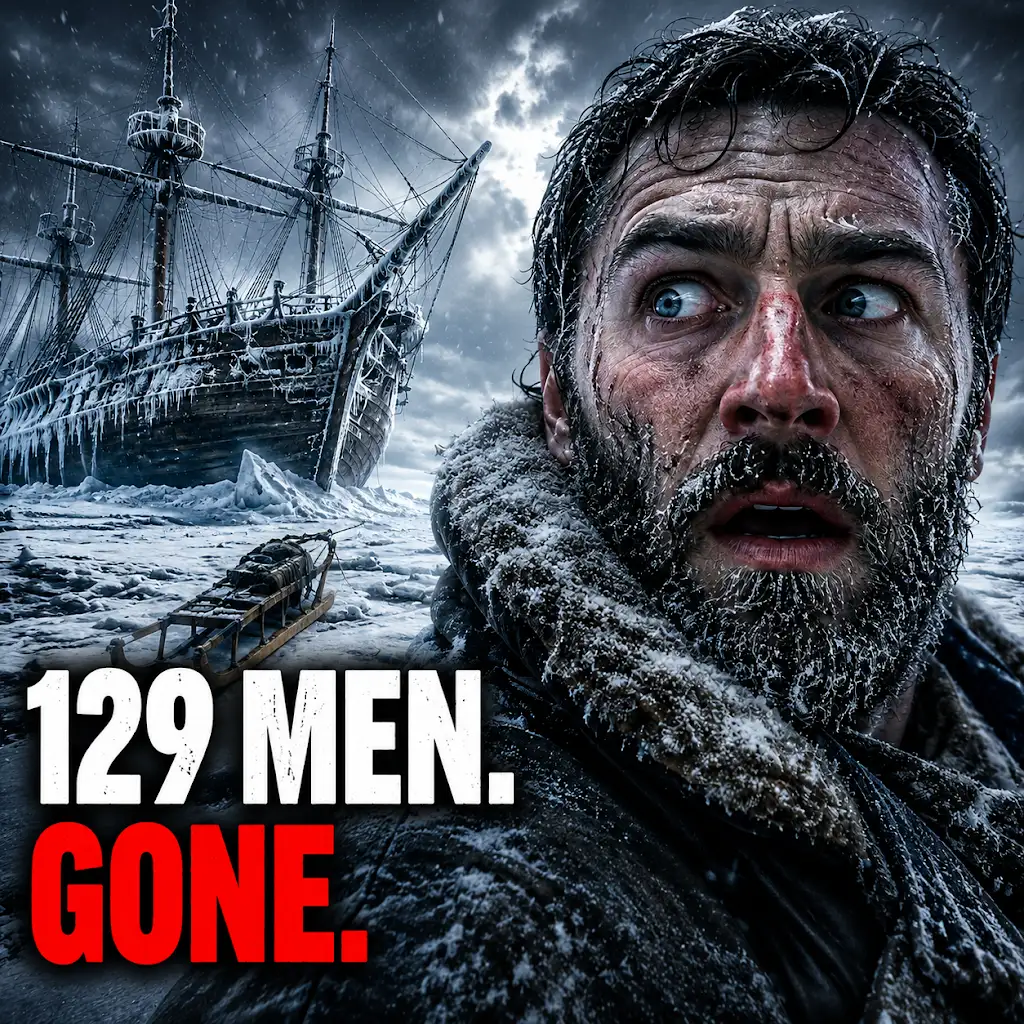
129 Men Vanished in the Arctic. Then We Found Their Ships.
FAQs
What is the Franklin Expedition?
The Franklin Expedition was a British voyage led by Captain Sir John Franklin in 1845 to find the Northwest Passage. The expedition’s two ships, HMS Erebus and HMS Terror, became trapped in ice and the entire crew perished.
What forensic evidence has been found from the Franklin Expedition?
Forensic evidence from the Franklin Expedition includes skeletal remains, artifacts, and DNA analysis of the crew members. The examination of these findings has provided valuable insights into the fate of the expedition.
How has forensic evidence helped in understanding the fate of the Franklin Expedition?
Forensic evidence has helped in understanding the fate of the Franklin Expedition by providing clues about the cause of death, the conditions the crew faced, and the timeline of events. It has also shed light on the health and well-being of the crew members.
What are some of the key findings from the forensic analysis of the Franklin Expedition?
Some key findings from the forensic analysis of the Franklin Expedition include evidence of lead poisoning, signs of scurvy, and the presence of cut marks on bones indicating possible cannibalism. These findings have contributed to a better understanding of the challenges the crew faced.
What are the implications of the forensic evidence from the Franklin Expedition?
The forensic evidence from the Franklin Expedition has implications for historical understanding, as well as for ongoing research into the effects of polar exploration on human health. It also highlights the importance of forensic science in uncovering the mysteries of the past.