
Franklin Expedition Unearthed: Evidence of Cannibalism
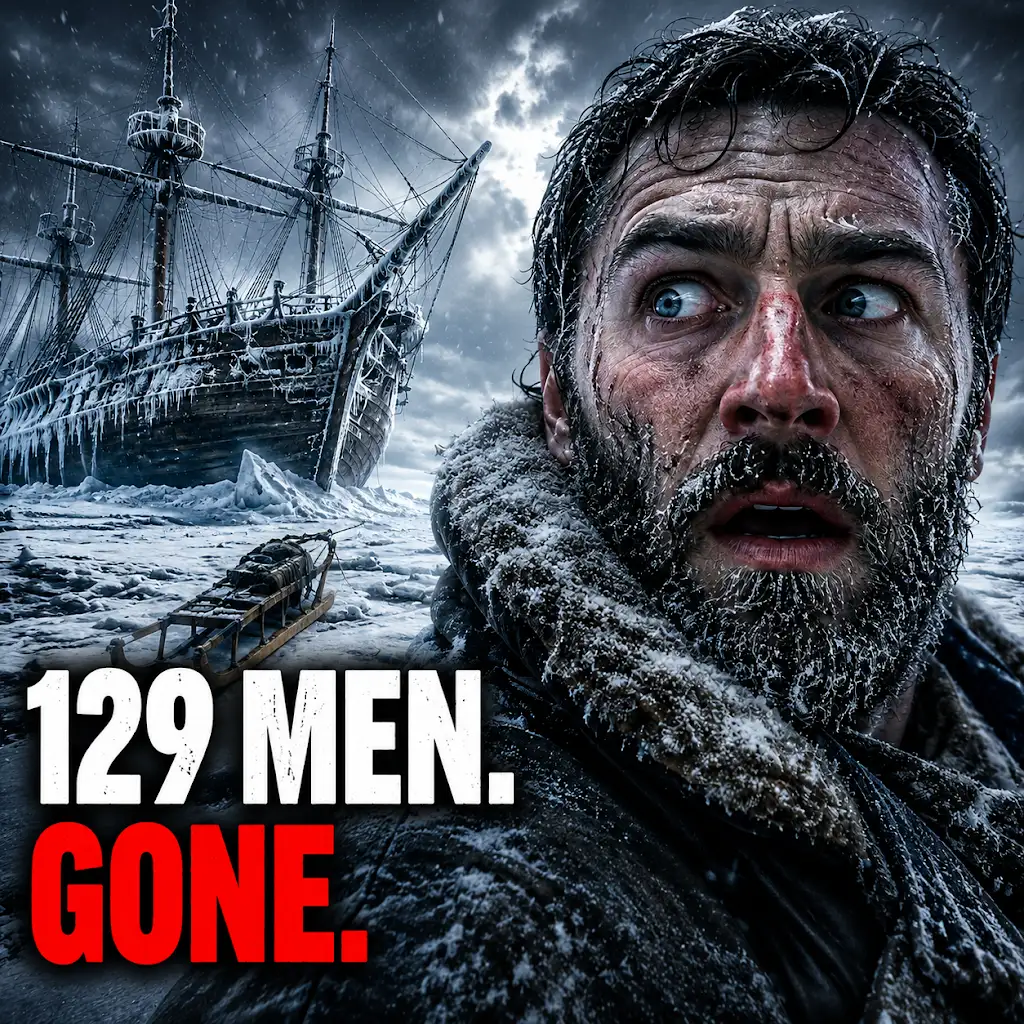
The icy grip of the Arctic has long held its secrets, a vast and unforgiving landscape that has swallowed expeditions and their crews with chilling efficiency. Among the most enduring mysteries of polar exploration is the fate of Sir John Franklin’s 1845 expedition, a grand endeavor to discover the Northwest Passage that vanished without a trace. For decades, the ships HMS Erebus and HMS Terror, along with their 129 officers and men, became ghosts in the frozen north. Countless searches, legends passed down through Inuit communities, and fragments of artifacts offered tantalizing clues, but the definitive story remained elusive, shrouded in the mists of time and the unforgiving elements. However, recent archaeological discoveries have begun to pry open the lid on this historical enigma, revealing evidence that points to a grim and desperate struggle for survival, including the undeniable presence of cannibalism among the starving crew.
The Royal Navy’s ambitious Franklin Expedition set sail from Greenhithe, England, on May 19, 1845, with two state-of-the-art vessels, HMS Erebus and HMS Terror, provisioned for three years. Sir John Franklin, a seasoned Arctic explorer, commanded the expedition, accompanied by his second-in-command, Captain Francis Crozier, and a crew of experienced officers and sailors. Their objective was to chart the elusive Northwest Passage, a maritime route through the Arctic Ocean that would connect the Atlantic and Pacific Oceans. The journey began with optimism, but within a year, the ships became trapped in the ice of Victoria Strait, a fate that would seal their doom.
The initial reports of the expedition’s disappearance were met with concern, which quickly escalated into a full-blown search. The British Admiralty, along with private benefactors and even the United States, launched numerous expeditions over the following decades. These searches, often fraught with their own dangers and hardships, scoured the vast Arctic landscape, following leads from Inuit oral traditions and recovering scattered debris. However, the sheer scale of the Arctic and the harshness of its environment made piecing together the fate of Franklin and his men an almost insurmountable task.
Early Clues and Inuit Testimony
From the outset, the accounts of the Inuit people living in the region provided the most consistent, albeit often heartbreaking, information. They spoke of seeing the ships frozen in the ice and later encountering starving white men, some of whom had died. Tales of ships being abandoned, of men walking south, and of their eventual demise in the desolate landscape were passed down through generations. While these stories were initially met with skepticism by some naval officers, their accuracy and detail have become increasingly evident as more physical evidence has been uncovered.
The Inuit often spoke of finding human remains and of seeing evidence of desperate measures taken by the crew. These testimonies, though often graphic, provided the first hints of the horrific circumstances that the expedition faced. The lack of definitive proof, however, allowed the mystery to persist, fueling speculation and leaving the full truth buried beneath the snow and ice.
The Relentless Pursuit of the Passage
The allure of the Northwest Passage was immense. For centuries, explorers had dreamed of finding a navigable route that would revolutionize trade and global connectivity. The economic and strategic advantages of such a passage were undeniable. Franklin’s expedition, equipped with the latest naval technology, including steam engines for propulsion, was believed to be the best chance yet to achieve this monumental goal. The public in Britain, eager for news of a successful discovery, followed the expedition’s progress with keen interest. The subsequent silence, therefore, was not just a matter of concern for the lives of the men, but also a blow to national pride and ambition.
The Franklin Expedition, a tragic journey in search of the Northwest Passage, has long been shrouded in mystery, particularly regarding the evidence of cannibalism among the crew. Recent studies have shed light on this grim aspect of survival, revealing that the dire conditions faced by the sailors may have led them to resort to such extreme measures. For further insights into historical mysteries and the loss of ancient technologies, you can explore a related article that discusses various intriguing topics, including the implications of lost knowledge in human history. Check it out here: The Lost Ancient Tech: What Did We Lose?.
Unveiling the Wreckage: Discoveries of the 21st Century
The dawn of the 21st century brought with it advancements in technology that allowed for more sophisticated archaeological investigations. Underwater sonar, remotely operated vehicles (ROVs), and advanced imaging techniques have revolutionized the search for sunken vessels and historical sites. These modern tools, when applied to the Arctic, have finally begun to yield the tangible evidence that had eluded earlier generations of explorers and searchers. The discovery of the wrecks of HMS Erebus and HMS Terror in recent years has been a watershed moment, transforming our understanding of the Franklin Expedition’s final chapter.
The Discovery of HMS Erebus
In September 2014, a team from the Arctic Research Foundation, using advanced sonar technology, announced the discovery of the wreck of HMS Erebus in the waters off King William Island. The find was monumental, confirming the location of one of the lost ships and providing an unparalleled opportunity to study the expedition’s fate firsthand. The pristine condition of the wreck, preserved by the frigid Arctic waters, offered a glimpse into the final days of the ship and its crew.
The careful excavation and examination of artifacts from HMS Erebus began shortly after its discovery. These artifacts, ranging from personal belongings to scientific instruments, offered a window into the daily lives and the eventual struggles of the sailors. The sheer volume of material recovered has been staggering, providing a wealth of data for historians and archaeologists.
The Discovery of HMS Terror
Just three years later, in September 2017, the search team located the second lost vessel, HMS Terror, a mere 50 miles south of HMS Erebus. This discovery further cemented the belief that the ships had become trapped and abandoned in the same general area. The remarkable preservation of HMS Terror, lying upright on the seabed, was attributed to the consistent cold temperatures and low salinity of the surrounding waters. The discovery of both wrecks in close proximity provided a crucial anchor point for reconstructing the events leading to the expedition’s demise.
The exploration of HMS Terror has also yielded a wealth of artifacts, further enriching the historical record. The intact nature of both vessels has allowed researchers to understand how they were abandoned and what the crew might have taken with them. The details emerging from these underwater sites are painting a grim picture of a prolonged and desperate struggle against starvation and disease.
The Grim Realization: Evidence of Cannibalism

Perhaps the most disturbing and definitive piece of evidence to emerge from the archaeological investigations is the undeniable presence of cannibalism among the Franklin Expedition’s crew. For decades, Inuit accounts hinted at such horrific acts, but concrete, scientific proof remained elusive. The analysis of human remains recovered from various sites associated with the expedition has now confirmed these grim legends.
Analysis of Human Remains
Skeletal remains, unearthed from desolate shores and islands in the Canadian Arctic, have undergone extensive scientific scrutiny. These analyses have included radiocarbon dating to confirm the age of the remains and DNA testing to link them to the Franklin Expedition. The most compelling evidence for cannibalism comes from the examination of bone fractures and cut marks on these skeletal remains.
Scientists have observed distinct patterns of butchery on the bones, consistent with the dismemberment of bodies for consumption. These cut marks, often found in areas where flesh would have been most abundant, suggest that the bodies were intentionally processed. Furthermore, the nature of the fractures themselves indicates that bones may have been broken to access marrow, a nutrient-rich food source.
The “Butchered” Bones
The term “butchered” has become synonymous with the skeletal evidence found. Archaeologists and forensic anthropologists have meticulously documented the presence of perimortem fractures – breaks that occurred around the time of death – and postmortem modifications that indicate human intervention in the processing of the bodies. The sheer number of such marks on multiple individuals, and their consistent placement, leaves little room for alternative explanations.
The absence of animal scavenging marks in many cases further strengthens the argument for human activity. While the Arctic is home to scavengers, the specific nature of the marks on the bones aligns with the use of tools by humans. The implication is that the survivors, driven by extreme hunger, resorted to consuming their fallen comrades.
The Descent into Starvation and Despair

The evidence of cannibalism is not an isolated discovery; it is the grim culmination of a catastrophic chain of events that befell the Franklin Expedition. The ships became trapped in ice, cutting off their escape and their supply lines. As the years passed, and rescue attempts failed to materialize, the crew’s provisions dwindled, and starvation became a pervasive threat.
The Role of Scurvy and Lead Poisoning
While starvation was the most immediate cause of death, other debilitating factors likely contributed to the expedition’s demise. Scurvy, a disease caused by vitamin C deficiency, was a common ailment on long sea voyages before the understanding of its cause and prevention. Symptoms of scurvy include fatigue, gum disease, and internal bleeding, all of which would have severely weakened the crew.
Furthermore, recent studies have suggested that lead poisoning may have played a significant role. The expedition’s canned provisions were sealed with lead solder, and the water stored in soldered tins could have leached lead into their diet. Chronic lead poisoning can cause a range of neurological and physical symptoms, including confusion, paralysis, and organ damage, which would have further impaired the crew’s ability to function and make rational decisions in their desperate situation.
The Abandonment of the Ships
The decision to abandon the two sturdy, ice-hardened ships, HMS Erebus and HMS Terror, in favor of a desperate overland trek, speaks volumes about the dire circumstances. The discovery of the ships’ final resting places, locked in the ice and then ultimately sinking, confirms that they were abandoned by a crew that had lost all hope of rescue. The artifacts found within the wrecks, such as personal belongings left behind, suggest a hasty departure.
The crew, numbering around 129 men at the outset, faced an increasingly impossible situation. With no hope of the ice breaking and no sign of relief, they made the agonizing choice to leave the relative safety of their vessels and attempt to march south in search of help. This decision, it is now understood, ultimately led them to their final resting places, where starvation and despair took their toll.
Recent studies surrounding the Franklin Expedition have brought to light unsettling evidence of cannibalism among the crew, highlighting the extreme measures taken for survival in the Arctic. This grim aspect of the expedition has drawn parallels to other historical events where dire circumstances led to similar outcomes. For those interested in exploring how societal collapse can lead to desperate actions, a related article discusses the collapse of Bronze Age trade networks and the subsequent impacts on communities. You can read more about it here.
Reinterpreting the Legacy of Sir John Franklin
| Location | Evidence | Source |
|---|---|---|
| King William Island | Human remains with cut marks | Forensic analysis of skeletal remains |
| Victory Point | Written accounts and artifacts | Expedition journals and archaeological findings |
| Interviews with Inuit people | Oral history and testimonies | Recorded interviews and anthropological studies |
The discovery of evidence of cannibalism irrevocably alters the historical narrative of Sir John Franklin’s expedition. Once a tale of brave exploration and unfortunate tragedy, it is now a stark testament to the extreme lengths to which human beings will go when faced with unimaginable suffering. The expedition, intended to be a triumph of British ingenuity and courage, has become a chilling symbol of the unforgiving power of the Arctic and the devastating consequences of human error and unforeseen circumstances.
A More Complex and Tragic Figure
Sir John Franklin, who died in 1847, has been a subject of debate and even criticism regarding his leadership and decision-making. While he was a respected officer, the ultimate fate of his expedition has led some to question his judgment. The evidence of cannibalism does not diminish the bravery of the men who initially set out, but it does underscore the depth of their suffering and the horrific choices they were forced to make. Franklin himself may have succumbed to the same fate as his men, or his death may have occurred before the most extreme measures were taken. The evidence suggests a slow descent into desperation that ultimately consumed the entire crew.
The Enduring Symbol of Arctic Peril
The Franklin Expedition’s story, now illuminated by the ghastly truth of cannibalism, serves as a potent and enduring symbol of the perils of Arctic exploration. It is a stark reminder of the raw power of nature and the fragility of human endeavor when pitted against such formidable forces. The frozen north, which so captivates the human imagination with its stark beauty, also harbors a dark and unforgiving side, capable of testing the limits of human endurance and morality. The unearthed evidence forces a reevaluation of bravery, survival, and the ultimate price of pushing the boundaries of the known world. The ghosts of HMS Erebus and HMS Terror have finally begun to whisper their terrible truth, forever etching the Franklin Expedition into the annals of history as a cautionary tale of unparalleled desperation.
129 Men Vanished in the Arctic. Then We Found Their Ships.
FAQs
What is the Franklin Expedition?
The Franklin Expedition was a British voyage led by Captain Sir John Franklin in 1845 to find the Northwest Passage. The expedition’s two ships, HMS Erebus and HMS Terror, became trapped in ice and the entire crew perished.
What evidence has been found of cannibalism during the Franklin Expedition?
Inuit oral histories and archaeological evidence, including cut marks on human bones and the presence of human tissue in cooking pots, suggest that some members of the Franklin Expedition resorted to cannibalism in their final days.
How was the evidence of cannibalism discovered?
The evidence of cannibalism was discovered by modern researchers who conducted archaeological excavations in the Canadian Arctic, where the remains of the Franklin Expedition were found. Inuit oral histories also provided valuable information about the fate of the expedition.
What were the circumstances that led to cannibalism during the Franklin Expedition?
The Franklin Expedition became stranded in the Arctic ice, and the crew faced extreme cold, starvation, and lead poisoning from poorly preserved food. These dire circumstances likely led to the decision to resort to cannibalism as a means of survival.
What impact does the evidence of cannibalism have on our understanding of the Franklin Expedition?
The evidence of cannibalism sheds light on the desperate conditions faced by the Franklin Expedition and the extreme measures the crew took to survive. It also challenges previous narratives of the expedition and highlights the harsh realities of Arctic exploration in the 19th century.