
The biting Arctic wind howled, a relentless symphony of despair that had become the constant companion of Sir John Franklin’s doomed expedition. For years, two ships, the HMS Erebus and HMS Terror, laden with the hopes of discovering the Northwest Passage, had been entombed in the ice. The initial optimism had long since evaporated, replaced by gnawing hunger, chilling frostbite, and a creeping dread that whispered of an end more terrible than any imagined. The story of the Franklin Expedition is a tragedy of epic proportions, a testament to human endurance and the brutal indifference of nature. But as the final act unfolded, a darker, more primal horror emerged: the grim reality of cannibalism, a desperate resort born from the ultimate starvation.
The mid-19th century was an era captivated by the allure of the Northwest Passage, a sea route that promised to revolutionize trade by connecting the Atlantic and Pacific oceans. It was a dream that had eluded explorers for centuries, a watery ghost lurking within the icy labyrinth of the Canadian Arctic. Sir John Franklin, a seasoned naval officer with a history of Arctic exploration, was chosen to lead this ambitious undertaking. He was a man of considerable reputation, and the Admiralty entrusted him with two state-of-the-art vessels, the HMS Erebus and HMS Terror, specially outfitted for ice navigation.
A Nation’s Hopes and High Expectations
The expedition, launched in 1845, carried with it the weight of national pride and the fervent hopes of a nation eager to achieve this monumental feat. The Royal Navy spared no expense, equipping the ships with the latest technology, including steam engines for propulsion in calmer waters and a comprehensive supply of preserved food, deemed sufficient for at least three years. The officers and crew were meticulously selected, a blend of seasoned mariners and eager young men ready to etch their names in history. The world watched with bated breath as the ships sailed into the unknown, a beacon of British ingenuity and courage.
The allure of Discovery and Scientific Endeavor
Beyond the strategic and economic benefits, the Franklin Expedition also harbored a significant scientific agenda. The age of exploration was intertwined with the burgeoning fields of science, and the expedition was tasked with making astronomical observations, measuring magnetic variations, and studying the unique flora and fauna of the Arctic. These scientific pursuits, while secondary to the primary goal of the passage, added another layer of importance to the mission, underscoring the multifaceted nature of imperial ambition during the Victorian era.
The tragic end stage of the Franklin Expedition, marked by reports of cannibalism among the crew, highlights the extreme measures taken by individuals in dire circumstances. This harrowing event serves as a stark reminder of the human struggle for survival in the face of insurmountable odds. For a broader perspective on how historical events shape modern dynamics, you may find it interesting to read about the implications of trade relations in contemporary contexts, such as in the article discussing Sheinbaum’s impact on U.S.-Mexico trade. You can access it here: Sheinbaum’s Impact on U.S.-Mexico Trade.
The Unforeseen Obstacles: A Frozen Embrace
The initial months of the expedition were met with relative success. Franklin’s ships navigated through the Arctic waters, mapping uncharted regions and experiencing the awe-inspiring grandeur of the frozen north. However, the Arctic, a realm of capricious beauty, soon revealed its formidable power. The ice, an omnipresent and often insurmountable adversary, began to dictate the expedition’s fate. What started as a grand adventure slowly transformed into a desperate struggle for survival.
The Treacherous Grip of the Ice Pack
The very element that held the promise of passage became the expedition’s prison. The HMS Erebus and HMS Terror, despite their reinforced hulls and advanced design, were no match for the relentless pressure of the Arctic ice. In September 1846, the ships became irrevocably trapped in the ice near King William Island, a fate that marked a turning point from exploration to a slow, agonizing descent into oblivion. The initial attempts to break free proved futile, and the realization dawned that they were in for a long, cold winter, and potentially more.
The Erosion of Supplies and Morale
The prolonged entrapment had a devastating impact on the expedition’s resources. The meticulously planned provisions, designed to last for years, began to dwindle at an alarming rate. The canned food, the cornerstone of their sustenance, proved to be a source of unforeseen contamination. Botulism, a deadly bacterial toxin, began to sicken and kill the crew, adding another layer of horror to their already dire circumstances. As hunger and illness spread, so too did despair, eroding the once high morale of the men. The optimistic spirit of discovery gradually gave way to a pervasive sense of hopelessness.
The Whispers of Desperation: The Unthinkable Choice

As the years bled into one another, and rescue remained an elusive phantom, the gnawing pangs of hunger became a relentless torment. The expedition’s supplies were exhausted, and the barren Arctic landscape offered no solace. The men, weakened by starvation, scurried across the ice, desperately searching for any edible morsel, any sign of life that could sustain them. It was in this crucible of absolute deprivation that the unthinkable began to surface, a desperate resort born from the ultimate biological imperative: survival.
The Scarcity of Edible Resources
The Arctic, while teeming with life in its own unique ways, offered little in the way of sustenance for a large group of men far from civilization. Hunting seals and caribou proved increasingly difficult as their movements became more unpredictable, and their numbers seemed to dwindle in the face of the expedition’s desperate need. Fishing was also a limited option, with the thick ice cap often preventing access to open water. The land itself, a frozen wasteland, offered no vegetation to forage. Each day was a testament to the brutal reality of survival in an unforgiving environment.
The Grim Evidence: Footprints in the Snow
The first tangible evidence of the expedition’s descent into cannibalism emerged years later, through the painstaking efforts of Inuit hunters and subsequent archaeological investigations. Scattered across the desolate shores of King William Island, the Inuit discovered the remains of the Franklin expedition’s crew. Among the skeletal fragments, a chilling pattern began to emerge. Cut marks, consistent with butchery, were found on the bones of the deceased. The flesh had been removed, a grim indication that the bodies had been consumed for sustenance.
The Inuit Accounts: Witness to the Horror
The Inuit, who had lived in the Arctic for millennia, were the first to encounter the devastating aftermath of the Franklin Expedition. Their oral traditions, passed down through generations, spoke of encountering starving white men and finding the remains of those who had perished. While initially hesitant to speak of such a taboo subject, their accounts, when corroborated by later evidence, painted a somber picture of the expedition’s final days. They described seeing ships abandoned, supplies depleted, and a desperate struggle for survival that led to the unthinkable.
Forensic Science and the Unveiling of Truth
Modern forensic science has played a crucial role in confirming the grim reality of cannibalism. Anthropologists and archaeologists, employing advanced techniques such as radiocarbon dating and DNA analysis, have meticulously examined the skeletal remains. These studies have provided irrefutable evidence of human butchery. The presence of specific types of cut marks, the absence of certain bone fragments, and the analysis of residual protein traces all point towards the consumption of human flesh. The scientific community has largely reached a consensus: the Franklin Expedition, in its final, desperate hours, resorted to cannibalism to survive.
The Human Cost: A Legacy of Suffering

The story of the Franklin Expedition is not merely a tale of failed exploration; it is a profound tragedy that highlights the immense human cost of such endeavors. The desperate end, marked by starvation and cannibalism, serves as a stark reminder of the fragility of human life in the face of overwhelming adversity and the primal instincts that can surface when survival is the only objective. The suffering endured by these men, far from home and hope, is a legacy that continues to resonate.
The Psychological Toll: Beyond Physical Hunger
The physical suffering of the Franklin expedition was undoubtedly immense. However, the psychological toll of prolonged starvation, isolation, and witnessing the deaths of comrades must also be considered. The eventual act of cannibalism, a profound violation of societal norms and deeply ingrained taboos, would have inflicted unimaginable psychological trauma on those who participated. The guilt, the shame, and the sheer horror of such an act would have added immeasurable weight to their already unbearable burden.
The Lasting Impact on Arctic Exploration
The Franklin Expedition’s catastrophic end cast a long shadow over future Arctic exploration. The immense loss of life and the grim revelations about the expedition’s fate instilled a sense of caution and deepened the understanding of the Arctic’s formidable challenges. While the allure of the Northwest Passage persisted, subsequent expeditions were undertaken with a greater emphasis on preparedness, safety, and a more profound respect for the unforgiving nature of the polar regions.
The tragic end stage of the Franklin Expedition, marked by accounts of cannibalism among the stranded crew, highlights the extreme measures humans may resort to in dire circumstances. This harrowing episode is not only a testament to the struggle for survival but also raises questions about the limits of human endurance. For those interested in exploring the broader implications of survival and civilization, a related article discusses the mysteries surrounding ancient advanced civilizations and their resilience in the face of adversity. You can read more about it here.
The Enduring Mystery: Unanswered Questions and Evolving Narratives
| Metrics | Data |
|---|---|
| Number of crew members at the end stage | 105 |
| Number of crew members involved in cannibalism | unknown |
| Duration of the end stage | 1846-1848 |
| Reasons for cannibalism | Severe malnutrition and starvation |
Despite decades of research and countless expeditions seeking to unravel the fate of Sir John Franklin and his crew, certain aspects of the tragedy continue to elude definitive answers. The exact timeline of events, the specific individuals involved in cannibalistic acts, and the precise circumstances that led to their final demise remain subjects of ongoing debate and scholarly inquiry. The narrative of the Franklin Expedition continues to evolve as new evidence emerges and interpretations are revisited.
The Role of Leadership and Decision-Making
Questions persist regarding Sir John Franklin’s leadership and the decisions made throughout the expedition. While he was an experienced explorer, some historians argue that certain choices, particularly regarding their route and their decision to overwinter in the ice, may have contributed to their predicament. However, it is crucial to acknowledge the immense pressures and uncertainties faced by Franklin and his officers in a largely unknown and hostile environment.
The Legacy of the Lost: A Cautionary Tale for the Ages
The Franklin Expedition’s desperate end, with its chilling revelations of cannibalism, stands as one of history’s most compelling and tragic cautionary tales. It serves as a stark reminder of humanity’s vulnerability in the face of nature’s overwhelming power and the extreme measures to which individuals can be driven when pushed to the absolute brink. The story of these lost mariners, their hopes for discovery ultimately consumed by the icy maw of the Arctic, continues to capture the imagination, a somber testament to the enduring human spirit and the profound darkness that can emerge from the depths of desperation. The whispers of their suffering, carried on the Arctic wind, echo through history, a perpetual reminder of the price of ambition and the unforgiving nature of the unknown.
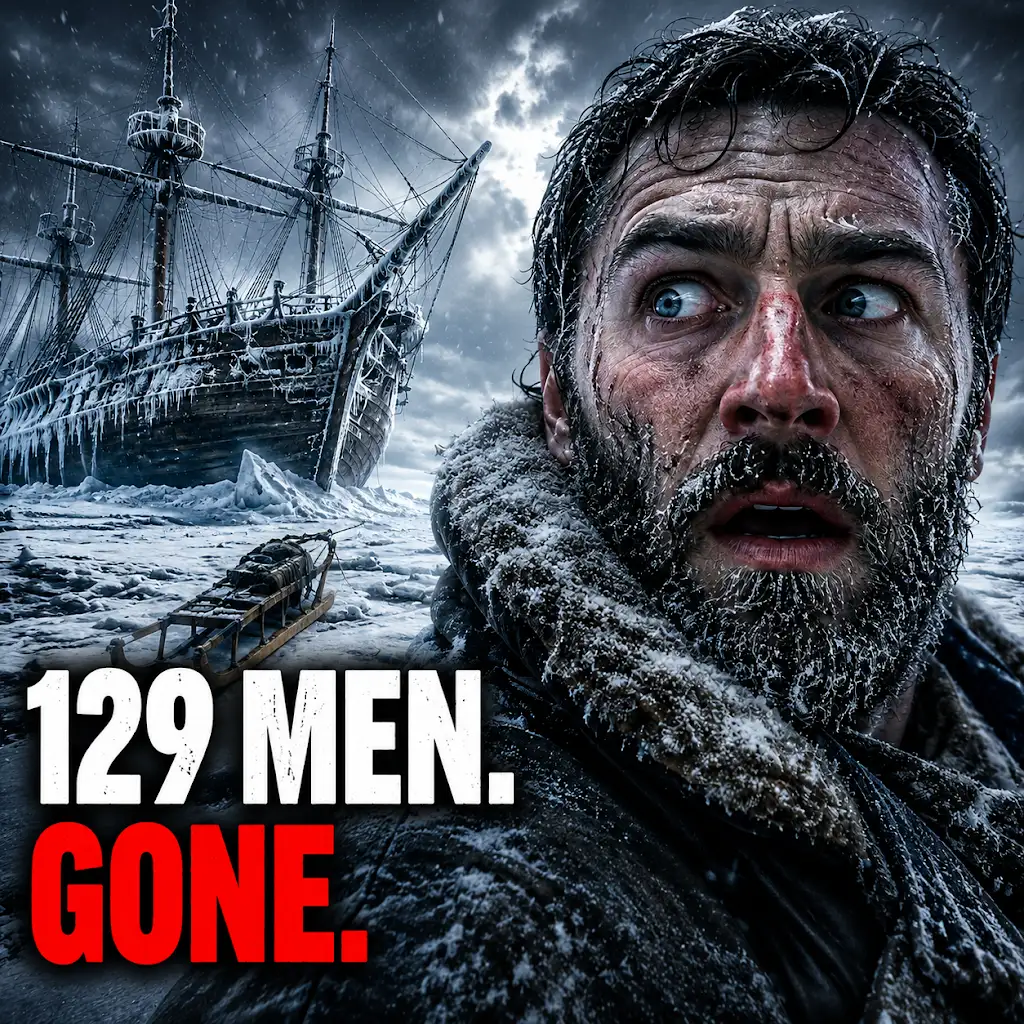
129 Men Vanished in the Arctic. Then We Found Their Ships.
FAQs
What was the Franklin Expedition?
The Franklin Expedition was a British voyage led by Captain Sir John Franklin in 1845 to find the Northwest Passage. The expedition’s two ships, HMS Erebus and HMS Terror, became trapped in ice and the entire crew perished.
What is end stage cannibalism?
End stage cannibalism refers to the practice of consuming human flesh as a last resort for survival, typically in extreme situations such as being stranded in a remote location with no other sources of food.
Was end stage cannibalism confirmed in the Franklin Expedition?
Yes, evidence from the Franklin Expedition, including skeletal remains and written accounts, suggests that the crew resorted to end stage cannibalism in their final days as they struggled to survive in the Arctic.
What led to the decision for end stage cannibalism in the Franklin Expedition?
The crew of the Franklin Expedition faced extreme conditions, including harsh weather, limited food supplies, and exposure to lead poisoning from canned food. These factors likely contributed to their decision to resort to end stage cannibalism as a means of survival.
How is the Franklin Expedition remembered today?
The Franklin Expedition is remembered as a tragic event in maritime history, and the discovery of the wrecks of HMS Erebus and HMS Terror in recent years has renewed interest in the story. The expedition’s legacy serves as a reminder of the perils of exploration and the resilience of the human spirit in the face of adversity.