
Japan stands as a remarkable example of economic resilience, having navigated through numerous challenges over the decades. From the aftermath of World War II to the asset price bubble of the late 1980s and the subsequent “Lost Decade,” Japan has demonstrated an extraordinary ability to adapt and recover. You may find it fascinating how this island nation, despite its geographical limitations and natural disasters, has managed to maintain a stable economy and a high standard of living for its citizens.
The intricate interplay of various factors, including government policies, cultural values, and a robust banking system, has contributed to this resilience. As you delve deeper into Japan’s economic landscape, you will discover that its success is not merely a product of chance but rather the result of strategic planning and a commitment to long-term stability. The Japanese economy is characterized by its ability to withstand external shocks and internal challenges, making it a case study for other nations striving for economic stability.
Understanding the elements that have fortified Japan’s economy can provide valuable insights into how countries can cultivate their own resilience in an increasingly volatile global environment.
Key Takeaways
- Japan’s economic resilience is supported by strong government policies and robust financial regulations.
- Cultural values and social cohesion contribute significantly to Japan’s economic stability.
- A diversified economy and active global trade partnerships enhance Japan’s ability to withstand shocks.
- Innovation and technology play a critical role in sustaining Japan’s long-term economic growth.
- Japan’s experience highlights the importance of long-term planning, effective leadership, and sustainable strategies for economic stability.
The Role of Government Policies in Preventing Financial Crisis
Government policies in Japan have played a pivotal role in preventing financial crises and ensuring economic stability. You might be intrigued to learn that Japan’s approach to fiscal and monetary policy has often been proactive rather than reactive. For instance, during times of economic downturn, the government has implemented stimulus packages aimed at boosting consumer spending and investment.
These measures have included infrastructure projects, tax incentives, and direct financial support to businesses, all designed to stimulate growth and prevent a downward spiral. Moreover, the Bank of Japan (BOJ) has employed unconventional monetary policies, such as quantitative easing, to inject liquidity into the economy. By lowering interest rates and purchasing government bonds, the BOJ has sought to encourage lending and investment.
This proactive stance has helped mitigate the effects of global financial crises, allowing Japan to emerge relatively unscathed compared to other economies. As you explore these policies further, you will appreciate how they reflect a commitment to maintaining economic stability and fostering growth even in challenging times.
Japan’s Strong Banking System and Financial Regulations

A cornerstone of Japan’s economic resilience is its strong banking system, which is underpinned by stringent financial regulations. You may find it noteworthy that Japan’s banking sector is characterized by a high level of capitalization and prudent risk management practices. Following the financial turmoil of the 1990s, significant reforms were implemented to enhance transparency and accountability within financial institutions.
These reforms have resulted in a more robust banking system that can withstand economic shocks. Additionally, the Financial Services Agency (FSA) plays a crucial role in overseeing Japan’s financial institutions, ensuring compliance with regulations designed to protect depositors and maintain market stability. The FSA’s rigorous supervision has fostered a culture of responsibility among banks, encouraging them to adopt conservative lending practices.
As you consider the implications of these regulations, it becomes clear that a well-regulated banking system is essential for sustaining economic confidence and preventing crises.
The Impact of Cultural and Social Factors on Economic Stability
| Factor | Metric | Impact on Economic Stability | Example |
|---|---|---|---|
| Cultural Norms | Trust Index (0-100) | Higher trust correlates with increased investment and economic growth | Nordic countries score above 70, showing strong economic stability |
| Social Cohesion | Social Capital Score | Greater social cohesion reduces transaction costs and promotes stability | Japan’s high social capital supports steady economic performance |
| Education Level | Average Years of Schooling | Higher education levels lead to skilled workforce and innovation | South Korea averages 12 years, contributing to rapid economic growth |
| Gender Equality | Gender Gap Index (0-1) | More equality enhances labor participation and economic diversification | Rwanda scores 0.75, showing positive economic impacts |
| Religious Influence | Religious Diversity Index | Moderate diversity can foster tolerance and economic collaboration | Singapore’s diversity supports a stable and open economy |
| Social Mobility | Intergenerational Income Elasticity | Lower elasticity indicates higher mobility and economic opportunity | Canada’s low elasticity (~0.2) promotes economic stability |
Cultural and social factors significantly influence Japan’s economic stability, shaping the behaviors and attitudes of its citizens towards work, savings, and investment. You might be intrigued by the concept of “wa,” which emphasizes harmony and collective well-being over individualism. This cultural trait fosters a sense of community and cooperation among citizens, contributing to social stability and economic resilience.
In times of crisis, you will notice how this collective mindset encourages individuals to support one another, whether through community initiatives or local businesses. Furthermore, Japan’s strong emphasis on education and lifelong learning has cultivated a skilled workforce capable of adapting to changing economic conditions. The value placed on discipline and hard work translates into high productivity levels across various sectors.
As you reflect on these cultural attributes, it becomes evident that they play a vital role in reinforcing Japan’s economic foundations, enabling the nation to weather storms that might otherwise destabilize less cohesive societies.
Japan’s Diversified Economy and Global Trade Relationships
Japan’s diversified economy is another key factor contributing to its resilience. You may find it interesting that the country boasts a wide range of industries, from manufacturing and technology to agriculture and services. This diversification allows Japan to mitigate risks associated with reliance on any single sector.
For instance, while the automotive industry is a significant contributor to Japan’s GDP, the country also excels in electronics, robotics, and pharmaceuticals. This broad industrial base provides a buffer against economic downturns in specific sectors. Moreover, Japan’s global trade relationships further enhance its economic stability.
As one of the world’s largest exporters, Japan has established strong trade ties with various countries, allowing it to access diverse markets for its goods and services. You might appreciate how these relationships not only bolster economic growth but also create opportunities for collaboration and innovation. By engaging with international partners, Japan can adapt to global trends and challenges while maintaining its competitive edge.
The Role of Innovation and Technology in Japan’s Economic Resilience
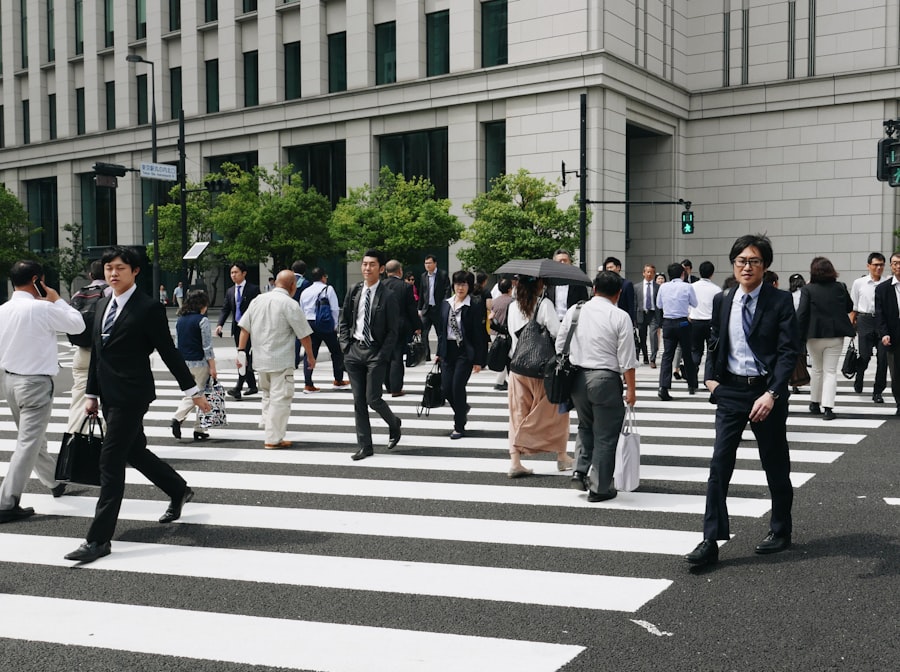
Innovation and technology are at the heart of Japan’s economic resilience, driving growth and enhancing productivity across various sectors. You may be fascinated by Japan’s reputation as a global leader in research and development (R&D), particularly in fields such as robotics, artificial intelligence, and renewable energy. The government’s commitment to fostering innovation through funding initiatives and partnerships with private enterprises has resulted in groundbreaking advancements that contribute to economic stability.
As you explore this aspect further, consider how Japan’s focus on technology not only enhances its industrial capabilities but also addresses pressing societal challenges such as an aging population. For instance, advancements in robotics are being utilized to support elderly care, allowing for improved quality of life while alleviating pressure on healthcare systems. This integration of technology into everyday life exemplifies how innovation can serve as a catalyst for sustainable growth and resilience.
Lessons Learned from Japan’s Experience for Other Countries
Japan’s experience offers valuable lessons for other countries seeking to enhance their economic resilience. You might find it insightful that proactive government intervention can play a crucial role in stabilizing economies during crises. By adopting policies that prioritize long-term growth over short-term gains, nations can create an environment conducive to sustainable development.
Additionally, fostering a strong banking system with effective regulations can help mitigate risks associated with financial instability. Moreover, the importance of cultural factors cannot be overlooked. Countries that prioritize social cohesion and community support may find themselves better equipped to navigate economic challenges.
As you reflect on these lessons, consider how they can be applied in different contexts to build resilient economies capable of withstanding external shocks.
The Importance of Long-Term Planning and Sustainable Growth Strategies
Long-term planning is essential for achieving sustainable growth, as evidenced by Japan’s approach to economic development. You may appreciate how the Japanese government emphasizes strategic foresight in its policymaking processes. By setting clear goals for future growth and development, policymakers can create frameworks that guide investment decisions and resource allocation over time.
This forward-thinking mindset enables Japan to adapt to changing circumstances while remaining focused on its long-term objectives. Sustainable growth strategies are also critical in addressing environmental challenges while promoting economic stability. Japan has made significant strides in integrating sustainability into its economic framework through initiatives aimed at reducing carbon emissions and promoting renewable energy sources.
As you consider these strategies, it becomes clear that balancing economic growth with environmental stewardship is vital for ensuring resilience in an increasingly interconnected world.
Japan’s Response to External Shocks and Economic Challenges
Japan’s ability to respond effectively to external shocks has been instrumental in maintaining its economic stability. You might find it noteworthy that the country has faced numerous challenges over the years, including natural disasters such as earthquakes and tsunamis, as well as global economic downturns. Each time, Japan has demonstrated remarkable adaptability by implementing swift recovery measures aimed at rebuilding infrastructure and restoring confidence among citizens.
For instance, following the Great East Japan Earthquake in 2011, the government launched extensive reconstruction efforts that not only focused on rebuilding damaged areas but also on enhancing disaster preparedness for the future. This proactive approach underscores Japan’s commitment to resilience in the face of adversity. As you explore these responses further, you will gain insight into how effective crisis management can mitigate the impact of external shocks on an economy.
The Role of Leadership and Governance in Japan’s Economic Stability
Leadership and governance play a crucial role in shaping Japan’s economic landscape. You may find it interesting how effective leadership at both governmental and corporate levels has contributed to maintaining stability during turbulent times. Strong governance structures ensure transparency and accountability in decision-making processes, fostering trust among citizens and investors alike.
Moreover, collaborative leadership styles that emphasize consensus-building have been instrumental in navigating complex challenges. In times of crisis, leaders who prioritize collective well-being over individual interests can rally support from various stakeholders, creating a unified response to economic challenges. As you reflect on these dynamics, consider how effective leadership can serve as a stabilizing force within an economy.
Looking to the Future of Japan’s Economic Resilience
As you contemplate the future of Japan’s economic resilience, it becomes evident that the nation is well-positioned to navigate ongoing challenges while continuing to thrive. The combination of proactive government policies, a robust banking system, cultural cohesion, and a commitment to innovation creates a solid foundation for sustained growth. While uncertainties may lie ahead—be it demographic shifts or global economic fluctuations—Japan’s experience offers valuable insights into building resilience.
In conclusion, you are encouraged to recognize that Japan’s journey is not merely about overcoming obstacles but also about embracing opportunities for growth and transformation. By learning from Japan’s successes and challenges alike, other nations can cultivate their own paths toward economic resilience—one that prioritizes sustainability, innovation, and social cohesion for generations to come.
Japan’s ability to navigate financial crises has been a topic of interest for many economists and analysts. A related article that delves into the strategies employed by Japan to avoid a financial meltdown can be found at this link. The article discusses various measures taken by the Japanese government and central bank, highlighting the importance of proactive fiscal policies and regulatory frameworks in maintaining economic stability.
WATCH THIS! The Silent Collapse: Why Japan’s Economy Was a Lie
FAQs
What were the main factors that helped Japan avoid a financial crisis?
Japan avoided a financial crisis through a combination of strong government intervention, effective monetary policies by the Bank of Japan, and regulatory reforms that stabilized the banking sector. Additionally, Japan’s focus on maintaining fiscal discipline and supporting key industries played a crucial role.
How did the Bank of Japan contribute to preventing a financial crisis?
The Bank of Japan implemented low interest rates and quantitative easing measures to ensure liquidity in the financial system. It also provided emergency support to troubled financial institutions, which helped maintain confidence and prevent a banking collapse.
What role did government policies play in Japan’s financial stability?
The Japanese government enacted stimulus packages to boost economic growth and restructured failing banks to prevent widespread defaults. It also strengthened financial regulations and oversight to improve transparency and reduce systemic risks.
Did Japan face any warning signs before the potential financial crisis?
Yes, Japan experienced a prolonged asset price bubble burst in the early 1990s, leading to a period known as the “Lost Decade.” Despite these challenges, proactive measures helped avoid a full-scale financial crisis.
How did Japan’s approach differ from other countries during financial downturns?
Japan emphasized long-term structural reforms and gradual fiscal stimulus rather than rapid deregulation or austerity. Its cautious approach to banking sector cleanup and monetary easing was tailored to its unique economic conditions.
What lessons can other countries learn from Japan’s experience?
Other countries can learn the importance of early intervention, maintaining strong regulatory frameworks, and the need for coordinated fiscal and monetary policies to stabilize financial systems during economic stress. Japan’s experience also highlights the value of patience and gradual reform.