Raising a child in Japan is a journey filled with joy, challenges, and significant financial considerations. As you embark on this adventure, it’s essential to understand the various costs associated with nurturing a child in one of the world’s most developed nations. Japan is known for its high standard of living, which often translates into elevated expenses for families.
From housing to education, each aspect of raising a child can impact your budget in profound ways. As you navigate through the financial landscape of parenthood in Japan, you may find that understanding these costs can help you plan better and make informed decisions. The financial commitment involved in raising a child can be daunting, but with careful planning and budgeting, you can manage these expenses effectively.
This article will delve into the various costs associated with raising a child in Japan, providing you with insights and tips to help you prepare for this rewarding yet financially demanding journey.
Key Takeaways
- Raising a child in Japan involves significant expenses across housing, education, healthcare, and daily needs.
- Education and childcare costs are among the highest, including fees for schools and extracurricular activities.
- Healthcare, nutrition, clothing, and personal care contribute notably to the overall child-rearing budget.
- Additional costs include transportation, travel, child-related taxes, insurance, and childbirth/maternity expenses.
- Effective management tips focus on budgeting, utilizing government support, and prioritizing essential expenses.
Housing and Accommodation Expenses
When considering the cost of raising a child in Japan, housing is often one of the most significant expenses you will encounter. The price of accommodation varies widely depending on the region, with urban areas like Tokyo and Osaka typically commanding higher rents than rural locations. If you live in a metropolitan area, you may find that space is at a premium, leading to smaller living quarters that can feel cramped for a growing family.
This reality often necessitates careful consideration of your housing options, as you balance comfort with affordability. In addition to rent or mortgage payments, you should also factor in utilities and maintenance costs. These expenses can add up quickly, especially if you are living in an older building that requires more upkeep.
Furthermore, many families opt for larger homes or apartments to accommodate their children’s needs, which can further increase your housing costs. As you plan your budget, it’s crucial to take these factors into account to ensure that your living situation supports your family’s lifestyle without causing financial strain.
Education and Childcare Costs
Education is a cornerstone of life in Japan, and as a parent, you will likely prioritize your child’s educational journey. However, the costs associated with education and childcare can be substantial. From daycare fees for infants to tuition for private schools, the financial commitment can be overwhelming.
Public education is generally more affordable, but many parents choose private institutions for their perceived quality and smaller class sizes, which can significantly increase your expenses. Childcare costs are another critical consideration. Many families rely on daycare services while both parents work, and these fees can vary widely based on location and the type of facility.
In urban areas, daycare spots can be limited, leading to long waiting lists and higher prices for available spaces. Additionally, after-school programs and tutoring services are common as children progress through their education, further adding to the overall cost of raising a child in Japan. As you plan for your child’s education, it’s essential to research various options and budget accordingly to ensure that you can provide the best opportunities for your child.
Healthcare and Medical Expenses
| Category | Annual Expense (USD) | Percentage of Total Healthcare Spending | Notes |
|---|---|---|---|
| Hospital Care | 12000 | 32% | Includes inpatient and outpatient services |
| Physician and Clinical Services | 7000 | 19% | Doctor visits, specialist consultations |
| Prescription Drugs | 3500 | 9% | Medications prescribed by healthcare providers |
| Dental Services | 1500 | 4% | Routine checkups, treatments, and surgeries |
| Home Healthcare | 2000 | 5% | Care provided at home by professionals |
| Other Medical Expenses | 8000 | 21% | Includes medical equipment, vision care, and other services |
Healthcare is another vital aspect of raising a child in Japan, where access to quality medical services is generally excellent. However, while the national health insurance system covers a significant portion of medical expenses, there are still out-of-pocket costs that you need to consider. Regular check-ups, vaccinations, and any necessary treatments can accumulate over time, impacting your overall budget.
Moreover, as your child grows, they may require specialized care or treatment for various health issues. While Japan has a robust healthcare system, certain services may not be fully covered by insurance or may require additional co-pays. It’s wise to familiarize yourself with the healthcare options available to you and your family so that you can anticipate potential medical expenses and plan accordingly.
By understanding the healthcare landscape in Japan, you can ensure that your child receives the necessary care without causing undue financial stress.
Food and Nutrition Expenses
Feeding a growing child is another significant expense that you will encounter as a parent in Japan. The cost of groceries can vary depending on where you live and your shopping habits. While Japan is known for its fresh produce and high-quality ingredients, these can come at a premium compared to other countries.
You may find that organic or imported items are particularly expensive, which could impact your grocery budget. In addition to regular meals, you should also consider the costs associated with school lunches or snacks for extracurricular activities. Many parents opt to prepare homemade lunches for their children to save money and ensure healthier options.
However, this requires time and effort in meal planning and preparation. As you navigate food expenses, it’s essential to strike a balance between providing nutritious meals and managing your budget effectively.
Clothing and Personal Care Costs
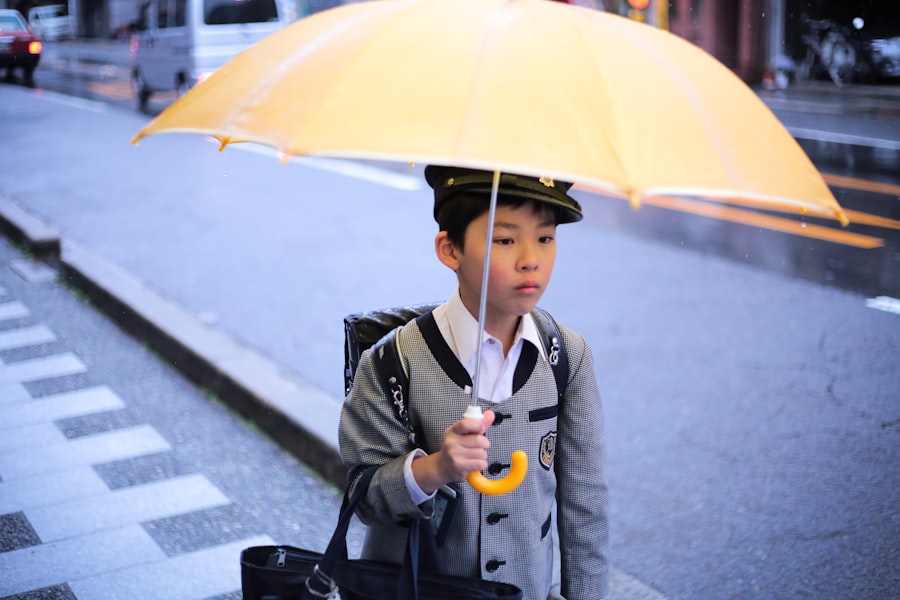
As your child grows, their clothing needs will change rapidly, leading to ongoing expenses in this area. Children tend to outgrow clothes quickly, necessitating frequent purchases of new items. In Japan, clothing prices can vary widely based on brand and quality; while there are affordable options available at discount stores or second-hand shops, many parents prefer to invest in higher-quality items that will last longer.
Personal care products also contribute to your overall expenses as a parent. From diapers for infants to toiletries for older children, these costs can add up over time. Additionally, as children become more aware of fashion trends and personal style, they may request specific brands or items that could stretch your budget further.
By being mindful of clothing purchases and seeking out sales or second-hand options when possible, you can manage these expenses while still ensuring your child feels comfortable and confident in their appearance.
Extracurricular Activities and Hobbies
Extracurricular activities play an essential role in a child’s development and socialization in Japan. Whether it’s sports teams, music lessons, or art classes, these activities provide valuable experiences that contribute to your child’s growth. However, participation in extracurriculars often comes with additional costs that can impact your family budget significantly.
Fees for classes or team memberships can vary widely depending on the activity and location. Some families may also incur transportation costs if activities are held far from home or require special equipment purchases. While these experiences are invaluable for your child’s development, it’s crucial to evaluate which activities align with their interests and your budget.
By prioritizing certain hobbies or exploring community programs that offer lower-cost options, you can provide enriching experiences without overspending.
Transportation and Travel Expenses
Transportation is another factor that influences the cost of raising a child in Japan. Depending on where you live, commuting may involve public transportation or owning a vehicle. In urban areas like Tokyo, public transport is efficient but can become costly if you have multiple family members traveling regularly.
Monthly passes or prepaid cards can help mitigate some of these expenses but still require careful budgeting. If you own a car, you’ll need to consider fuel costs, parking fees, insurance premiums, and maintenance expenses as well. Additionally, family outings or vacations can add up quickly when factoring in travel costs such as train tickets or gas money for road trips.
Planning ahead for transportation needs will help ensure that you can enjoy family activities without straining your finances.
Child-related Taxes and Insurance
In Japan, there are various taxes and insurance considerations related to raising children that you should be aware of as a parent. Child allowances are available from the government to help offset some of the costs associated with raising children; however, eligibility criteria may vary based on income levels and family size. Understanding these allowances can provide some financial relief as you navigate parenthood.
Insurance is another critical aspect of managing child-related expenses. While national health insurance covers many medical costs for children, additional coverage may be necessary for specific needs or emergencies. It’s essential to review your insurance options carefully to ensure that you have adequate protection without incurring excessive premiums.
Childbirth and Maternity Costs
The journey into parenthood begins with childbirth—a significant milestone that comes with its own set of expenses. In Japan, maternity care is generally high-quality but can also be costly if not adequately planned for. Hospital fees for delivery can vary widely depending on the facility and type of care provided; however, many hospitals offer packages that include prenatal care and postnatal support.
Additionally, maternity leave policies in Japan allow parents time off work; however, this may result in reduced income during this period if not planned properly. Understanding your rights regarding maternity leave and any associated benefits will help ensure that you are financially prepared for this life-changing event. By budgeting for childbirth-related expenses early on, you can alleviate some of the financial stress associated with welcoming a new family member.
Tips for Managing the Cost of Raising a Child in Japan
Raising a child in Japan undoubtedly comes with its share of financial challenges; however, with careful planning and budgeting strategies, you can navigate these costs effectively. Start by creating a comprehensive budget that outlines all potential expenses related to housing, education, healthcare, food, clothing, extracurricular activities, transportation, taxes, insurance, childbirth costs, and more. This will give you a clearer picture of where your money is going and help identify areas where adjustments may be necessary.
Additionally, take advantage of community resources such as parenting groups or local government programs designed to support families financially. These resources often provide valuable information about available subsidies or discounts that could ease some of your financial burdens. By staying informed about your options and being proactive in managing expenses, you can create a nurturing environment for your child while maintaining financial stability throughout their upbringing in Japan.
Raising a child in Japan can be quite expensive, with various costs associated with education, healthcare, and daily living. For a deeper understanding of the financial implications, you can read a related article that discusses the overall expenses involved in child-rearing in Japan. Check it out here: realloreandorder.
com/sample-page/’>Cost of Raising a Child in Japan.
WATCH THIS! The Silent Collapse: Why Japan’s Economy Was a Lie
FAQs
What is the average cost of raising a child in Japan?
The average cost of raising a child in Japan from birth to the age of 18 is estimated to be around 15 million to 20 million yen (approximately 140,000 to 185,000 USD). This includes expenses such as education, food, clothing, healthcare, and extracurricular activities.
What are the major expenses involved in raising a child in Japan?
Major expenses include education fees (especially for private schools and cram schools), childcare and daycare costs, food and clothing, healthcare and medical expenses, housing, and extracurricular activities like sports and cultural lessons.
How much does education cost in Japan?
Education costs vary widely. Public schools are generally free except for some fees, but private schools and universities can be expensive. Additionally, many families spend significant amounts on juku (cram schools) and other supplementary education, which can add substantially to the total cost.
Are there government subsidies or financial support for raising children in Japan?
Yes, the Japanese government provides various subsidies and financial support programs, including child allowances, free or reduced-cost preschool education, and healthcare benefits. These supports help reduce the financial burden on families.
How does the cost of raising a child in Japan compare to other countries?
The cost of raising a child in Japan is generally considered high, especially due to education and living expenses. However, it is comparable to other developed countries with high living standards, such as South Korea and the United States.
Does the cost of raising a child vary between urban and rural areas in Japan?
Yes, costs tend to be higher in urban areas like Tokyo and Osaka due to higher living expenses, including housing and education fees. Rural areas generally have lower costs but may have fewer educational and childcare options.
What impact does the cost of raising children have on family planning in Japan?
The high cost of raising children is one factor contributing to Japan’s declining birthrate. Many couples cite financial concerns as a reason for having fewer children or delaying childbirth.
Are childcare and daycare services expensive in Japan?
Childcare and daycare costs can be significant, especially in urban areas. However, the government offers subsidies and income-based fee reductions to help families afford these services.
How much do healthcare costs for children in Japan typically amount to?
Healthcare costs for children are relatively low due to Japan’s universal health insurance system, which covers a large portion of medical expenses. Additionally, many local governments provide free or reduced-cost medical care for children.
What are some ways families in Japan can reduce the cost of raising a child?
Families can reduce costs by utilizing public education and childcare services, applying for government subsidies, choosing public schools over private ones, and participating in community support programs. Budgeting and planning for education and extracurricular activities can also help manage expenses.