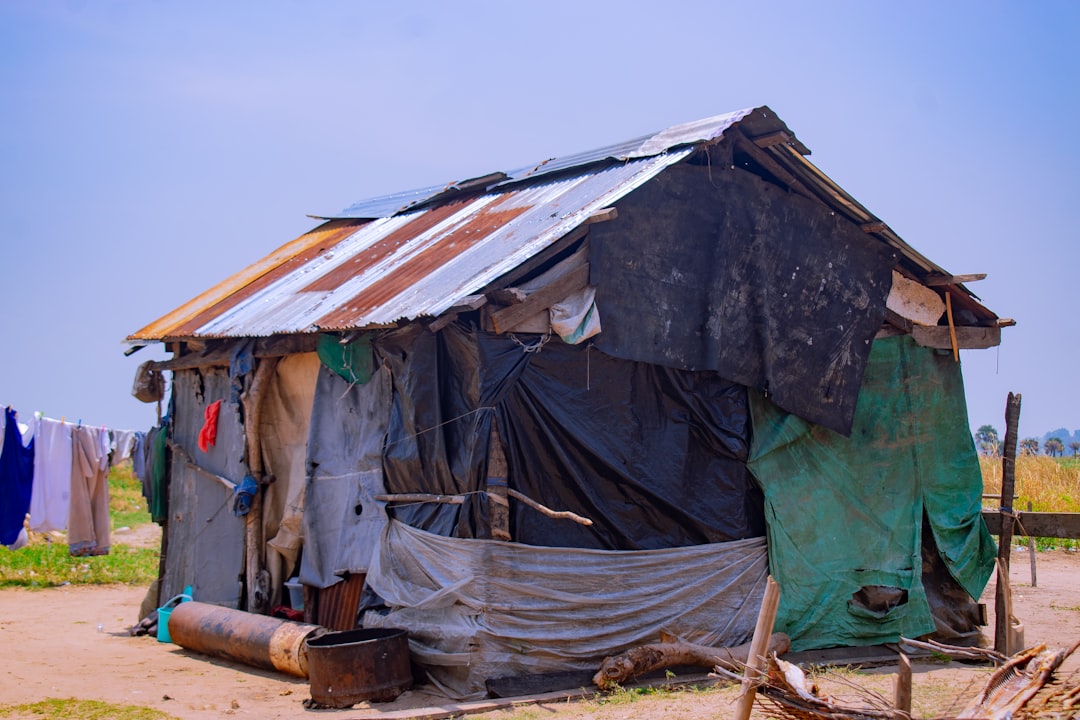
Japan is currently grappling with a multifaceted housing crisis that has emerged from a confluence of demographic shifts, economic stagnation, and urbanization trends. As you delve into the intricacies of this issue, you will discover that the country faces a unique paradox: while urban areas are experiencing a housing shortage, rural regions are plagued by an abundance of vacant homes. This phenomenon is largely attributed to an aging population, declining birth rates, and the migration of younger generations to metropolitan centers in search of better opportunities.
The result is a growing number of abandoned properties, known as “akiya,” which are becoming increasingly prevalent across the nation. The implications of this housing crisis extend beyond mere statistics; they touch upon the very fabric of Japanese society. As you explore the landscape of Japan’s housing market, you will find that the challenges posed by akiya are not just economic but also social.
Communities are facing the threat of decline as younger residents leave, leaving behind empty homes and dwindling populations. This situation calls for innovative solutions that can revitalize these areas while addressing the pressing need for affordable housing. In this context, akiya presents both challenges and opportunities that merit closer examination.
Key Takeaways
- Japan faces a significant housing crisis, with many vacant homes known as “Akiya” increasing nationwide.
- Akiya are abandoned or unoccupied houses that can be purchased at low prices, often supported by government programs.
- Buying Akiya offers benefits such as affordable housing, opportunities for rural revitalization, and sustainable solutions for Japan’s aging population.
- Challenges include property deterioration, legal complexities, and limited infrastructure in rural areas.
- Government initiatives aim to promote Akiya sales and renovations to address housing shortages and stimulate local economies.
The Rise of Akiya in Japan
The term “akiya” refers to vacant or abandoned houses in Japan, and its rise can be traced back to several interrelated factors. As you consider the demographic trends, it becomes clear that Japan’s population is aging rapidly, with a significant portion of the populace over the age of 65. This demographic shift has led to a growing number of elderly homeowners who may no longer be able to maintain their properties or who have passed away without heirs to inherit their homes.
Consequently, these houses are left unoccupied, contributing to the akiya phenomenon. Moreover, urban migration has exacerbated the situation. Young people flock to cities like Tokyo and Osaka in search of employment and educational opportunities, leaving rural areas increasingly depopulated.
As you reflect on this trend, you may recognize that the allure of urban life often comes at the expense of rural communities, which struggle to attract new residents. The result is a stark contrast between bustling urban centers and quiet, abandoned towns filled with akiya. This growing divide highlights the urgent need for strategies that can bridge the gap and revitalize these neglected areas.
What is Akiya and How Does it Work?
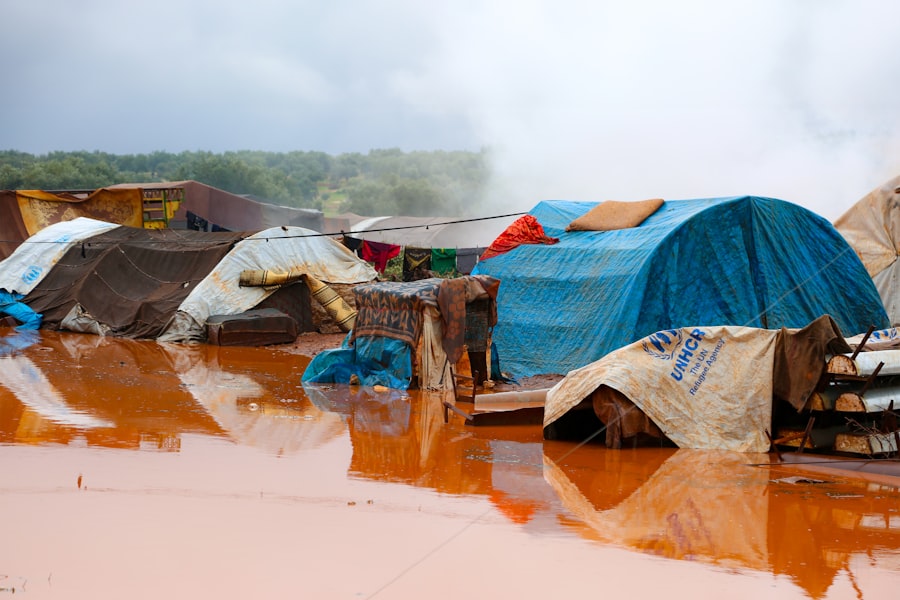
Akiya encompasses a wide range of properties, from traditional wooden houses to modern structures, all of which share one common characteristic: they are unoccupied and often in disrepair. As you explore the concept further, you will find that akiya can be found in both urban and rural settings, each presenting unique challenges and opportunities for potential buyers. The Japanese government has recognized the significance of akiya in addressing the housing crisis and has implemented various initiatives aimed at promoting their sale and renovation.
The process of acquiring an akiya can vary significantly depending on the location and condition of the property. In many cases, these homes are sold at remarkably low prices, making them an attractive option for budget-conscious buyers. However, it is essential to understand that purchasing an akiya often comes with its own set of challenges.
Many properties require extensive renovations to meet modern living standards, which can add to the overall cost. As you consider this option, it is crucial to conduct thorough research and inspections to ensure that you are making a sound investment.
The Benefits of Akiya for Homebuyers
| Benefit | Description | Metric/Example |
|---|---|---|
| Affordable Housing | Lower purchase prices compared to urban homes | Up to 50% less than city properties |
| Spacious Living | Larger land and house sizes typical in rural areas | Average lot size: 500 sqm vs 150 sqm in cities |
| Community Revitalization | Buying Akiya helps revive declining rural communities | Increase in local population by 10-20% after purchases |
| Custom Renovation Opportunities | Chance to renovate and personalize older homes | Renovation costs 30-40% less than new builds |
| Peaceful Environment | Quieter, less crowded living spaces | Noise levels 50% lower than urban areas |
| Access to Nature | Proximity to natural landscapes and outdoor activities | Over 70% of Akiya located near forests or rivers |
For homebuyers seeking affordable housing options in Japan, akiya presents a unique opportunity. One of the most significant advantages is the price point; many akiya properties are listed at a fraction of the cost of traditional homes in urban areas. This affordability allows you to enter the real estate market without breaking the bank, making homeownership more accessible than ever before.
Additionally, purchasing an akiya can provide you with a sense of adventure as you embark on a journey to restore a piece of history. Beyond financial considerations, buying an akiya can also offer a chance to contribute positively to local communities. By investing in these properties, you are not only revitalizing abandoned homes but also helping to breathe new life into neighborhoods that have suffered from depopulation.
As you engage with your new community, you may find opportunities to connect with local residents and participate in initiatives aimed at fostering growth and development. This sense of belonging can be incredibly rewarding as you work towards creating a vibrant living environment.
Challenges and Drawbacks of Akiya
While there are numerous benefits associated with purchasing an akiya, it is essential to acknowledge the challenges that come with such an investment. One significant drawback is the potential for extensive renovation costs. Many akiya properties have been neglected for years, leading to structural issues, outdated plumbing, and electrical systems that may not meet current safety standards.
As you consider buying an akiya, it is crucial to budget for these potential expenses and conduct thorough inspections before making a commitment. Another challenge lies in navigating the legal complexities associated with akiya ownership. Depending on the property’s location, there may be specific regulations governing renovations or land use that could impact your plans.
Additionally, some akiya may be subject to inheritance laws or other legal restrictions that could complicate the purchasing process. As you embark on this journey, it is advisable to seek guidance from real estate professionals who are familiar with local regulations and can help you navigate any potential pitfalls.
Government Initiatives to Address Akiya and Housing Crisis

Recognizing the urgency of Japan’s housing crisis and the prevalence of akiya, the government has implemented various initiatives aimed at addressing these issues. One notable program is the “Akiya Bank,” which serves as a platform for listing vacant properties available for sale or rent. This initiative not only helps connect buyers with akiya but also encourages local governments to take an active role in managing their housing stock.
As you explore these programs, you will find that they aim to streamline the process of acquiring akiya while promoting community revitalization. In addition to facilitating property sales, government initiatives often include financial incentives for buyers willing to renovate akiya homes. These incentives may come in the form of grants or low-interest loans designed to offset renovation costs and encourage investment in neglected properties.
By providing financial support, the government aims to stimulate interest in akiya while simultaneously addressing the broader housing crisis. As you consider your options, it is worth investigating whether any such programs are available in your desired area.
Akiya as a Sustainable Solution for Japan’s Aging Population
As Japan’s population continues to age, finding sustainable housing solutions becomes increasingly critical. Akiya offers a unique opportunity to repurpose existing structures rather than constructing new homes, which can be resource-intensive and environmentally damaging. By investing in akiya properties, you contribute to sustainable development practices that prioritize recycling and reusing existing resources.
This approach aligns with global efforts to reduce waste and promote eco-friendly living. Moreover, revitalizing akiya can help create age-friendly communities that cater to the needs of older residents. As you consider purchasing an akiya, think about how your investment could contribute to creating spaces that foster social interaction and support for seniors.
By transforming these vacant homes into vibrant living environments, you can play a role in building inclusive communities that prioritize accessibility and well-being for all residents.
Akiya as a Solution for Rural Revitalization
The rise of akiya also presents an opportunity for rural revitalization in Japan. Many rural areas are struggling with declining populations and economic stagnation as younger generations migrate to urban centers. By purchasing and renovating akiya properties in these regions, you can help stimulate local economies and attract new residents who are seeking a quieter lifestyle away from bustling cities.
As you engage with rural communities through your investment in akiya, consider how your presence can contribute to local culture and traditions.
By fostering connections with your neighbors and supporting local businesses, you can play an active role in revitalizing these areas while enjoying the unique charm that rural Japan has to offer.
Akiya and the Impact on Japan’s Real Estate Market
The increasing interest in akiya properties is beginning to reshape Japan’s real estate market landscape. As more buyers recognize the potential value of these vacant homes, demand for akiya is gradually rising, leading to shifts in pricing dynamics across various regions. This trend could potentially stabilize property values in areas previously affected by depopulation while also encouraging investment in neglected neighborhoods.
However, as demand for akiya grows, it is essential to remain mindful of potential gentrification concerns. While revitalization efforts can bring positive change to communities, they may also lead to rising property values that could displace long-time residents who can no longer afford their homes. As you navigate this evolving market landscape, consider how your investment choices can contribute positively while respecting the needs and desires of existing community members.
Tips for Buying Akiya Property in Japan
If you’re considering purchasing an akiya property in Japan, there are several key tips to keep in mind as you embark on this journey. First and foremost, conduct thorough research on available properties through platforms like Akiya Bank or local real estate agencies specializing in vacant homes. Familiarize yourself with different regions and their unique characteristics so that you can make an informed decision about where you’d like to invest.
Additionally, it’s crucial to engage professionals who understand the nuances of buying akiya properties—such as real estate agents or legal advisors—who can guide you through inspections and negotiations. Be prepared for potential renovation costs by budgeting accordingly and seeking estimates from contractors experienced in working with older homes. Finally, immerse yourself in your new community by connecting with local residents and participating in neighborhood activities; this will not only enrich your experience but also help foster positive relationships within your new environment.
The Future of Akiya in Japan’s Housing Crisis
As Japan continues to grapple with its housing crisis, akiya presents both challenges and opportunities that warrant careful consideration. The rise of vacant homes reflects broader demographic trends while also highlighting the need for innovative solutions that address both urban shortages and rural depopulation. By embracing akiya as a viable option for homeownership or investment, you have the potential to contribute positively to local communities while enjoying affordable housing options.
Looking ahead, it is essential for both individuals and policymakers alike to recognize the value inherent in revitalizing these neglected properties. With continued government support and community engagement efforts focused on sustainable development practices, akiya could play a pivotal role in shaping Japan’s housing landscape for years to come. As you contemplate your own journey into homeownership or investment within this context, remember that your choices can have lasting impacts on both your life and the communities around you.
Japan’s housing crisis has led to a growing concern over akiya, or abandoned homes, which are becoming increasingly prevalent in rural areas. These vacant properties not only pose safety hazards but also reflect the demographic challenges facing the country. For a deeper understanding of this issue, you can read more in the article on Real Lore and Order, which explores the implications of akiya and potential solutions to Japan’s housing dilemma.
WATCH THIS! The Silent Collapse: Why Japan’s Economy Was a Lie
FAQs
What is Japan’s housing crisis?
Japan’s housing crisis refers to the challenges the country faces with an aging population, declining birth rates, and urban migration, leading to a surplus of vacant homes in rural areas and a shortage of affordable housing in major cities.
What are akiya in Japan?
Akiya are vacant or abandoned houses in Japan, often found in rural or depopulated areas. These homes are left empty due to factors like urban migration, aging owners, and inheritance issues.
Why are there so many akiya in Japan?
The increase in akiya is primarily due to Japan’s shrinking and aging population, with younger generations moving to urban centers for work, leaving rural homes unoccupied. Additionally, inheritance laws and maintenance costs discourage upkeep of these properties.
What problems do akiya cause?
Akiya can lead to neighborhood decline, reduced property values, safety hazards, and increased municipal costs for maintenance or demolition. They also represent wasted housing resources amid urban housing shortages.
How is the Japanese government addressing the akiya issue?
The government has implemented policies to promote the renovation and sale of akiya, including subsidies, tax incentives, and creating databases to connect buyers with vacant homes. Some local governments also encourage repurposing akiya for tourism or community use.
Can foreigners buy akiya in Japan?
Yes, foreigners can purchase akiya in Japan without restrictions. However, they should be aware of local regulations, property conditions, and potential renovation costs.
Are akiya affordable?
Many akiya are sold at significantly lower prices compared to urban properties, sometimes for just a few thousand dollars. However, renovation and maintenance costs can be substantial.
What are the challenges of living in an akiya?
Challenges include potential structural issues, outdated facilities, remote locations with limited access to services, and possible social isolation due to depopulation.
Is the akiya problem expected to improve?
While efforts are ongoing, the akiya problem is linked to broader demographic trends that are expected to continue, making it a long-term challenge for Japan.