The emerald embrace of the Amazon rainforest has long held a reputation as a realm of untamed wilderness, a vibrant tapestry of biodiversity where nature reigns supreme. Yet, beneath the dense canopy and the cacophony of life, a profound and intricate human legacy has been quietly unfolding for millennia: the art of the ancient Amazonian food forest. These were not wild, chaotic jungles, but deliberately cultivated ecosystems, meticulously designed and nurtured by indigenous peoples to provide sustenance, medicine, and shelter in a sustainable and harmonious manner. Unlocking the secrets of these ancient food forests offers a revolutionary perspective on agriculture, ecological restoration, and the profound wisdom of indigenous cultures.
The concept of a food forest, or “forest gardening,” is gaining traction in modern permaculture and sustainable agriculture. However, indigenous Amazonians were the original masters of this sophisticated system, long before the term was coined. Their understanding of ecological principles, plant interactions, and soil enrichment was unparalleled, allowing them to transform the rainforest into a highly productive and resilient food source. These were not monocultures, but complex, multi-layered systems mimicking the natural structure of the forest, but with a deliberate focus on edible and useful plants.
Layers of Life: Mimicking the Forest Structure
Ancient Amazonian food forests were characterized by their vertical stratification, mirroring the natural forest layers. This ingenious design maximized space and resource utilization, creating a diverse and stable ecosystem.
The Canopy Layer: Giants of Sustenance
Dominating the uppermost layer were the magnificent fruit trees, often massive and ancient. These provided a substantial portion of the diet, offering a bounty of fruits rich in vitamins, minerals, and sugars. Species like Brazil nuts (Bertholletia excelsa), various species of Inga (ice cream bean), and diverse Sapotaceae family members, known for their creamy fruits, were staples. These trees also provided valuable timber, shade for understory plants, and habitat for wildlife, contributing to the overall health of the ecosystem.
The Understory Layer: Smaller Trees and Large Shrubs
Beneath the towering canopy, smaller fruit trees and large shrubs thrived. This layer included plants like acai (Euterpe oleracea), guaraná (Paullinia cupana), and various species of palms, which provided not only fruits but also palm hearts and other edible parts. These plants benefited from the filtered sunlight reaching this level, while also contributing to the structural complexity of the food forest.
The Shrub Layer: Bushy Abundance
Closer to the ground, a dense layer of shrubs offered further diversity in food production. This could include medicinal plants, smaller fruit-bearing bushes, and plants whose leaves or flowers were edible. The variety at this level helped to fill nutritional gaps and provided a continuous supply of resources.
The Herbaceous Layer: Culinary and Medicinal Delights
This layer comprised a rich array of non-woody plants, including herbs, vegetables, and edible roots. Indigenous peoples cultivated a wide range of leafy greens, medicinal herbs like turmeric and ginger, and root vegetables such as manioc (Cassava, Manihot esculenta) and sweet potatoes. The herbaceous layer was a crucial component for daily sustenance, offering readily accessible food and potent remedies.
The Groundcover Layer: Nature’s Mulch and Edibles
Beneath the herbaceous layer, groundcover plants played a vital role in soil health and preventing erosion. Many of these also provided edible leaves, fruits, or roots, further contributing to the food forest’s productivity. Examples include various species of legumes that helped fix nitrogen in the soil, and creeping vines that offered edible fruits.
The Vertical Layer: Climbers and Vines
The forest structure provided ample support for climbing plants and vines. These offered a significant food source, with species like passion fruit (Passiflora edulis) and various types of beans being cultivated. Their ability to reach sunlight by climbing the established trees maximized their photosynthetic potential and fruit production.
Symbiotic Relationships: The Living Web of the Food Forest
The success of these ancient food forests was not merely about planting diverse species; it was about understanding and fostering the intricate web of symbiotic relationships between plants, animals, fungi, and microorganisms. Indigenous peoples acted as orchestrators, creating an environment where mutual benefit was the driving force.
Nitrogen Fixers: Enriching the Soil Naturally
Leguminous plants, such as various species of Inga trees and beans, played a critical role in enriching the soil. Through a symbiotic relationship with bacteria in their root nodules, they converted atmospheric nitrogen into a form that plants could readily absorb, eliminating the need for synthetic fertilizers. This natural fertilization process sustained the fertility of the soil over generations.
Pollination Partnerships: A Cooperative Dance
The diversity of flowering plants in the food forest attracted a multitude of pollinators, including bees, butterflies, bats, and birds. Indigenous communities understood the importance of these pollinators and often managed their landscapes in ways that supported healthy pollinator populations. In turn, these pollinators ensured the successful reproduction and abundant fruiting of many cultivated species.
Pest Management Through Biodiversity: Nature’s Defense
Rather than relying on external interventions, ancient food forests naturally managed pests through their inherent biodiversity. The presence of a wide array of plant species created a complex ecosystem where natural predators of pests were also present. This ecological balance prevented any single pest from overwhelming the system, ensuring the health of the crops.
Nutrient Cycling: A Closed-Loop System
The decomposition of fallen leaves, branches, and fruits from the various layers provided a continuous supply of organic matter, enriching the soil and returning essential nutrients. Fungi and microorganisms played a crucial role in this process, breaking down organic material and making nutrients available for uptake by living plants. This created a highly efficient closed-loop system, minimizing waste and maximizing resource utilization.
The ancient Amazon food forest system, known for its intricate and sustainable agricultural practices, has drawn attention for its ability to support diverse ecosystems and communities. A related article that delves into historical navigation and mapping, which can provide context for understanding ancient civilizations, is the discussion on the Piri Reis map. This article explores the accuracy debate surrounding this famous map, shedding light on the advanced knowledge of geography possessed by ancient cultures. For more insights, you can read the article here: The Piri Reis Map Accuracy Debate.
Beyond Sustenance: The Multifaceted Benefits of Ancient Amazonian Food Forests
The impact of these meticulously crafted ecosystems extended far beyond providing a varied diet. Ancient Amazonian food forests were pillars of indigenous life, offering profound benefits that touched every aspect of their existence.
A Pharmacy of the Forest: Traditional Medicine and Healing
The rainforest is a treasure trove of medicinal plants, and indigenous peoples were expert practitioners of plant-based medicine. Their food forests were living pharmacies, carefully curated to include a vast array of herbs, roots, and barks with documented healing properties. These plants were used to treat a wide range of ailments, from common colds and fevers to more serious conditions.
Herbal Remedies for Daily Health
Commonly cultivated plants like ginger (Zingiber officinale) and turmeric (Curcuma longa) were staples in the herbaceous layer, valued for their anti-inflammatory and antioxidant properties. Various species of mint and other aromatic herbs were used to aid digestion and promote relaxation.
Potent Treatments for Specific Ailments
More specialized plants, often requiring a deeper understanding of their preparation and application, were also integrated. Bark from certain trees was used to treat skin conditions, while roots from others were employed to alleviate pain or combat infections. This knowledge, passed down through generations, represented a sophisticated understanding of ethnobotany.
Building Materials and Tools: The Forest as a Construction Site
The inherent structure of the food forest provided readily available materials for shelter, tools, and other essential items. The variety of woody plants allowed for the selection of species with specific properties, such as strength, flexibility, and resistance to rot.
Sustainable Shelters from Nature’s Bounty
The strong, straight trunks of certain trees provided the framework for sturdy dwellings. Lianas and flexible branches were woven together for walls and roofing, while large leaves offered waterproof coverings. The food forest itself provided the materials for building and maintaining these homes, minimizing the need to venture far into the deep forest.
Tools for Daily Life and Craftsmanship
From durable axe handles made from strong hardwoods to pliable fibers for crafting baskets and ropes, the food forest offered an inexhaustible supply of materials. Indigenous artisans skillfully utilized the diverse plant life to create tools for hunting, fishing, agriculture, and for artistic expression.
The ancient Amazon food forest system showcases a remarkable example of sustainable agriculture practiced by indigenous communities, emphasizing biodiversity and ecosystem health. For those interested in exploring the intricate relationships between traditional practices and modern environmental challenges, a related article can be found here. This piece delves into the complexities of resource management and the importance of preserving indigenous knowledge in the face of contemporary issues.
Cultural and Spiritual Significance: A Deep Connection to the Land
For indigenous Amazonians, the food forest was not just a source of physical sustenance; it was an integral part of their cultural and spiritual identity. The meticulous cultivation and management of these landscapes reflected a profound respect for nature and a deep understanding of its interconnectedness.
Rituals and Beliefs Rooted in the Forest
Many indigenous beliefs and rituals were intimately tied to the cycles of the food forest. Planting ceremonies, harvest festivals, and prayers for abundant yields were common practices, acknowledging the forest as a living entity deserving of reverence. The plants themselves often held symbolic meaning, representing deities, ancestral spirits, or particular aspects of life.
The Passing Down of Ecological Wisdom
The management of food forests was a continuous process of learning and adaptation, with knowledge meticulously passed down from elders to younger generations. This intergenerational transfer of wisdom ensured the long-term sustainability of these ecosystems and maintained a deep cultural connection to the land.
Rediscovering and Replicating: Modern Applications of Ancient Food Forest Principles
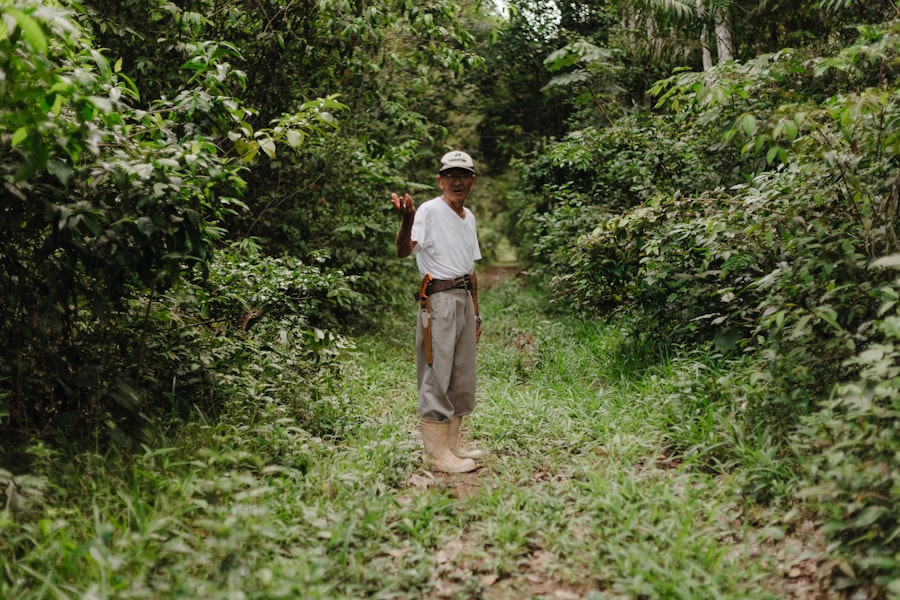
The wisdom embedded within ancient Amazonian food forests is not a relic of the past; it is a powerful blueprint for addressing contemporary challenges in agriculture, environmental conservation, and community development. As the world grapples with food security, climate change, and biodiversity loss, these age-old practices offer invaluable lessons.
Permaculture and Agroforestry: A Modern Embrace of Ancient Wisdom
The principles of permaculture and modern agroforestry systems are remarkably aligned with the design and management of ancient Amazonian food forests. Permaculture, which aims to create sustainable human settlements and agricultural systems that mimic the relationships found in natural ecosystems, directly draws inspiration from these indigenous models.
Mimicking Natural Systems for Resilience
The multi-layered structure, the emphasis on diversity, and the understanding of symbiotic relationships are core tenets of permaculture and agroforestry. By replicating these elements, modern practitioners can create agricultural systems that are more resilient to pests, diseases, and extreme weather events, while also enhancing biodiversity.
Restoring Degraded Landscapes Through Forest Gardening
Agroforestry, the practice of integrating trees and shrubs into agricultural landscapes, is being increasingly recognized for its potential to restore degraded lands. By planting diverse species of edible and useful trees, alongside crops and livestock, farmers can improve soil health, enhance water retention, and create microclimates that support greater biodiversity. This mirrors the regenerative approach of ancient food forests.
Empowering Indigenous Communities: Revitalizing Traditional Practices
Recognizing and supporting the ongoing knowledge and practices of indigenous Amazonian communities is crucial for the preservation and dissemination of this ancient wisdom. Empowering these communities to continue their food forest traditions can lead to both cultural revitalization and the safeguarding of invaluable ecological knowledge.
Securing Food Sovereignty and Cultural Heritage
By supporting indigenous-led food forest initiatives, we can help secure food sovereignty for these communities, ensuring access to diverse and nutritious foods while preserving their cultural heritage. This also helps to protect their ancestral lands from external threats.
Collaborative Research and Knowledge Exchange
Collaboration between indigenous communities and researchers can lead to a deeper understanding of the ecological and agricultural principles at play in these food forests. This knowledge exchange can foster innovation in sustainable agriculture and conservation efforts globally.
The Future of Food: Lessons from the Lungs of the Planet
The lessons learned from unlocking the secrets of ancient Amazonian food forests offer a profound paradigm shift in how we think about food production and our relationship with the natural world. They demonstrate that true abundance and resilience can be achieved through intelligent design, deep ecological understanding, and a harmonious partnership with nature.
Moving Beyond Monocultures Towards Biodiversity
The transition away from large-scale monocultures, which are often vulnerable and environmentally damaging, towards diverse, multi-layered food systems is essential. Ancient Amazonian food forests provide a compelling model for this shift, showcasing the power of biodiversity to create robust and productive landscapes.
Cultivating a Deeper Respect for Nature’s Intelligence
Ultimately, the study of these ancient food forests compels us to cultivate a deeper respect for the intelligence of nature and the profound wisdom of indigenous cultures. Their legacy is a testament to the fact that sustainable living and abundant food production are not modern inventions, but ancient arts, waiting to be rediscovered and honored. The emerald heart of the Amazon holds not just a treasure trove of biodiversity, but a profound blueprint for a healthier, more sustainable future for all.

Millions Once Lived in the Amazon. LiDAR Found the Evidence
FAQs
What is an ancient Amazon food forest system?
An ancient Amazon food forest system refers to the traditional agricultural practice of cultivating a diverse range of food crops within a forested area. This system mimics the structure and function of a natural forest, with different layers of vegetation providing a variety of food sources.
How did ancient Amazon food forest systems work?
Ancient Amazon food forest systems worked by planting a mix of food crops, such as fruit trees, root vegetables, and medicinal plants, in a way that mimicked the natural biodiversity of the surrounding forest. This allowed for sustainable and diverse food production.
What are the benefits of ancient Amazon food forest systems?
The benefits of ancient Amazon food forest systems include increased biodiversity, improved soil fertility, reduced need for external inputs like fertilizers and pesticides, and resilience to environmental changes such as droughts and floods. These systems also provide a variety of food sources for local communities.
Are ancient Amazon food forest systems still used today?
Yes, ancient Amazon food forest systems are still used today in some parts of the Amazon region, as well as in other tropical areas around the world. They are being promoted as a sustainable and resilient form of agriculture that can help address food security and environmental challenges.
What can we learn from ancient Amazon food forest systems?
We can learn from ancient Amazon food forest systems about the importance of biodiversity, the value of traditional ecological knowledge, and the potential for sustainable agriculture practices that work in harmony with natural ecosystems. These systems offer valuable insights for modern agricultural sustainability efforts.