
Aging is an inevitable part of life that affects everyone, yet it remains a topic shrouded in mystery and often fear. As you navigate through the various stages of life, you may find yourself contemplating the changes that come with aging. It is a natural process that brings both challenges and opportunities for growth.
Understanding aging can empower you to embrace this phase of life with grace and resilience. Rather than viewing aging solely as a decline, consider it a journey filled with wisdom, experience, and the potential for continued productivity. As you age, your perspective on life may shift.
While society often emphasizes youth and vitality, it is essential to recognize that aging can also bring about a sense of fulfillment and purpose. By exploring the biological, psychological, and social aspects of aging, you can better appreciate the richness that this stage of life offers.
Key Takeaways
- Aging is a natural biological process influenced by genetics and lifestyle factors.
- Productivity can decline with age due to physical and psychological changes.
- Anti-aging products have limitations and cannot fully stop the aging process.
- Adapting strategies and embracing aging can help maintain productivity and purpose.
- Accepting aging fosters balance and a positive outlook on life’s later stages.
The Biological Process of Aging
The biological process of aging is complex and multifaceted. At its core, aging involves a gradual decline in physiological functions and an increase in vulnerability to diseases. As you age, your cells undergo changes that affect their ability to regenerate and repair themselves.
This cellular aging is influenced by various factors, including genetics, environmental stressors, and lifestyle choices. Understanding these biological changes can help you navigate the aging process more effectively. One significant aspect of biological aging is the role of telomeres, the protective caps at the ends of chromosomes.
With each cell division, telomeres shorten, eventually leading to cellular senescence or death. This process contributes to the overall decline in bodily functions as you age. Additionally, the accumulation of oxidative stress and inflammation can further accelerate aging at the cellular level.
By recognizing these biological factors, you can take proactive steps to mitigate their effects and promote healthier aging.
The Impact of Aging on Productivity
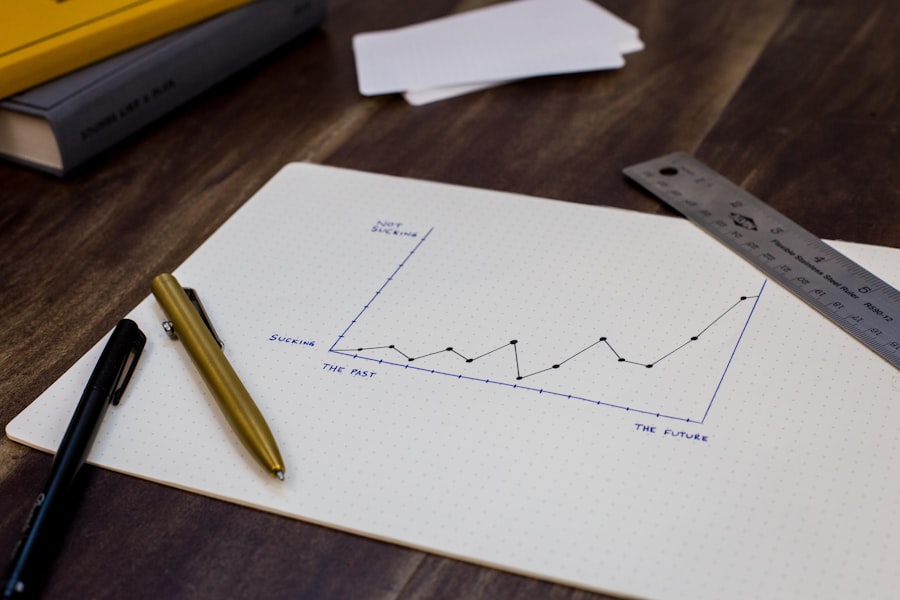
As you transition into older age, you may notice changes in your productivity levels. The impact of aging on productivity can be both positive and negative. On one hand, the wealth of experience and knowledge you possess can enhance your ability to make informed decisions and solve complex problems.
On the other hand, physical limitations or cognitive decline may hinder your capacity to perform tasks as efficiently as before. It is essential to acknowledge that productivity is not solely defined by output or speed; it also encompasses creativity, innovation, and collaboration. As you age, you may find that your approach to work evolves.
You might prioritize quality over quantity or focus on mentoring younger colleagues rather than competing with them. Embracing this shift can lead to a more fulfilling and meaningful work experience, allowing you to contribute in ways that align with your strengths.
Understanding the Limitations of Anti-Aging Products
| Metric | Description | Typical Range/Value | Notes |
|---|---|---|---|
| Effectiveness Duration | Average time period users notice visible effects | 4 to 12 weeks | Varies by product formulation and skin type |
| Skin Penetration Depth | How deeply active ingredients penetrate the skin layers | Up to epidermis (0.1-0.2 mm) | Most topical products do not reach dermis where collagen is produced |
| Active Ingredient Concentration | Percentage of key anti-aging compounds like retinol or peptides | 0.1% to 2% | Higher concentrations may cause irritation |
| Clinical Improvement Rate | Percentage of users reporting improvement in wrinkles or firmness | 30% to 60% | Dependent on product and consistent use |
| Side Effect Incidence | Percentage of users experiencing adverse reactions | 5% to 20% | Includes redness, dryness, or irritation |
| Cost per Month | Average monthly expense for anti-aging products | Varies widely | Not included as per instructions |
| UV Protection Factor | SPF rating included in anti-aging products | SPF 15 to SPF 50 | Important for preventing photoaging |
| Collagen Production Increase | Estimated percentage increase in collagen synthesis | Up to 20% | Measured in clinical studies with retinoids |
In a society obsessed with youthfulness, the market is flooded with anti-aging products promising miraculous results. However, it is crucial to understand the limitations of these products. While some may offer temporary improvements in appearance or skin texture, they cannot halt the natural aging process.
As you explore these options, it’s important to approach them with realistic expectations. Many anti-aging products focus on superficial aspects of aging, such as wrinkles or fine lines, rather than addressing the underlying biological processes. While skincare routines can enhance your appearance and boost your confidence, they should not be viewed as a solution to the challenges that come with aging.
Instead of relying solely on these products, consider adopting a holistic approach that encompasses physical health, mental well-being, and emotional resilience.
The Role of Genetics in Aging
Genetics plays a significant role in how you age. Your genetic makeup influences not only your physical appearance but also your susceptibility to age-related diseases and conditions. Some individuals may inherit genes that promote longevity or protect against certain ailments, while others may face a higher risk due to their genetic predispositions.
Understanding your genetic background can provide valuable insights into your aging process. However, genetics is not the sole determinant of how you age. While you cannot change your genetic code, you can influence how those genes express themselves through lifestyle choices.
Engaging in regular physical activity, maintaining a balanced diet, and managing stress can all positively impact your health as you age. By taking an active role in your well-being, you can mitigate some genetic risks and enhance your overall quality of life.
Lifestyle Factors and Aging
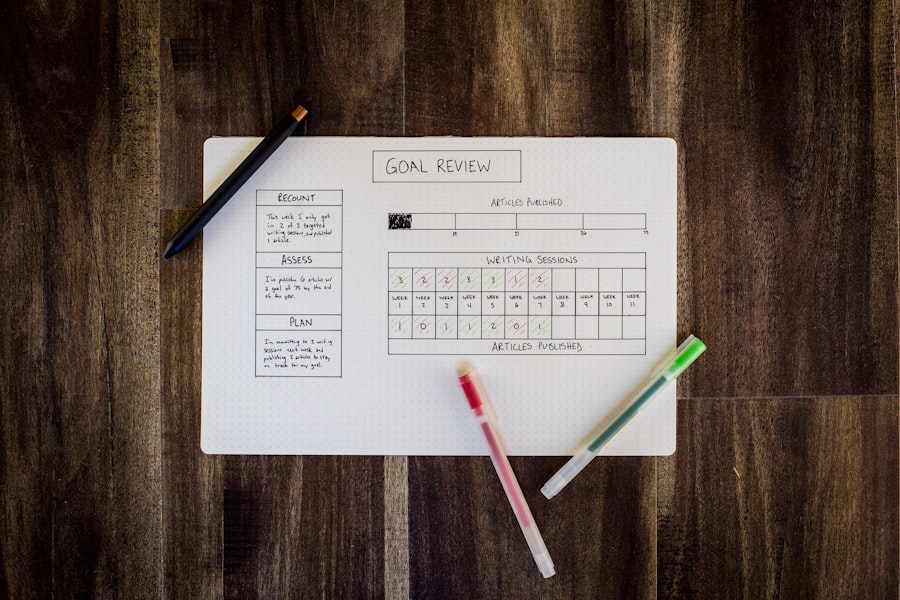
Your lifestyle choices significantly impact how you experience aging. Factors such as diet, exercise, sleep, and social connections all play crucial roles in determining your health and productivity as you grow older. A balanced diet rich in nutrients can support your physical health and cognitive function, while regular exercise helps maintain strength, flexibility, and cardiovascular health.
Moreover, social connections are vital for emotional well-being as you age. Engaging with friends and family can provide a sense of belonging and purpose, which are essential for maintaining mental health. As you navigate this stage of life, consider prioritizing activities that foster social interactions and promote a healthy lifestyle.
By making conscious choices about how you live each day, you can enhance your overall experience of aging.
The Psychological Effects of Aging on Productivity
The psychological effects of aging can significantly influence your productivity levels. As you grow older, you may encounter feelings of anxiety or uncertainty about your capabilities in both personal and professional realms. These emotions can stem from societal pressures to remain youthful or from internalized beliefs about aging.
Recognizing these psychological barriers is crucial for maintaining productivity as you age. Additionally, cognitive changes associated with aging can impact your confidence and motivation. You might find it more challenging to learn new skills or adapt to technological advancements in the workplace.
However, it’s essential to reframe these challenges as opportunities for growth rather than limitations. Embracing a growth mindset can empower you to continue learning and adapting throughout your life.
Adapting to Changes in Productivity as We Age
Adapting to changes in productivity as you age requires flexibility and self-compassion.
Instead of resisting these changes, consider how you can adjust your approach to work and daily tasks to align with your current abilities.
One effective strategy is to prioritize tasks based on your energy levels throughout the day. You may find that you are more productive during certain hours; leveraging this knowledge can help you maximize your efficiency. Additionally, delegating tasks or collaborating with others can alleviate some pressure and allow you to focus on areas where you excel.
By embracing adaptability, you can continue to thrive in both personal and professional settings.
The Importance of Accepting and Embracing Aging
Accepting and embracing aging is crucial for fostering a positive mindset as you navigate this stage of life. Rather than viewing aging as a decline or loss, consider it an opportunity for growth and self-discovery. Embracing the changes that come with age allows you to cultivate resilience and adaptability in the face of challenges.
Moreover, acceptance can lead to greater satisfaction in life overall. When you let go of societal expectations surrounding youthfulness and instead focus on what brings you joy and fulfillment, you open yourself up to new experiences and connections. Embracing aging means celebrating the wisdom gained through years of experience while remaining open to learning and evolving.
Strategies for Maintaining Productivity as We Age
To maintain productivity as you age, consider implementing strategies that support both your physical and mental well-being. Establishing a routine that incorporates regular exercise, balanced nutrition, and sufficient rest is essential for sustaining energy levels and cognitive function. Additionally, setting realistic goals can help you stay motivated while allowing for flexibility as needed.
Engaging in lifelong learning is another effective strategy for maintaining productivity. Whether through formal education or self-directed exploration, continuing to acquire new skills can keep your mind sharp and enhance your confidence in various areas of life. Furthermore, fostering social connections through networking or community involvement can provide support and inspiration as you navigate the challenges of aging.
Finding Balance and Purpose in Aging
In conclusion, finding balance and purpose in aging is a journey that requires self-awareness and adaptability. As you navigate this stage of life, remember that aging is not merely a decline but an opportunity for growth and fulfillment. By understanding the biological processes at play, recognizing the impact of lifestyle choices, and embracing the psychological aspects of aging, you can cultivate a positive outlook on this phase of life.
Ultimately, it’s about finding what works best for you—whether that means prioritizing health through lifestyle changes or seeking fulfillment through meaningful connections and experiences. By embracing aging with an open heart and mind, you can continue to thrive personally and professionally while contributing positively to those around you.
While many people believe that increasing productivity can lead to a more fulfilling life, it is important to recognize that productivity alone cannot address the inevitable process of aging. For a deeper understanding of this concept, you can explore the article on the topic at Real Lore and Order, which discusses the limitations of productivity in the context of aging and the importance of embracing the natural changes that come with time.
WATCH THIS! The Silent Collapse: Why Japan’s Economy Was a Lie
FAQs
What is the main argument of the article “Why Productivity Can’t Fix Aging”?
The article argues that increasing productivity alone cannot solve the biological and social challenges associated with aging. It emphasizes that aging is a complex process that requires more than just economic or technological improvements to address effectively.
Why can’t productivity improvements fix aging?
Productivity improvements typically focus on economic output and efficiency, but aging involves biological deterioration, health issues, and social factors that productivity gains do not directly address. Therefore, productivity alone cannot reverse or halt the aging process.
Does the article suggest any alternatives to productivity for addressing aging?
Yes, the article suggests that addressing aging requires a multifaceted approach, including advances in medical research, healthcare innovation, social support systems, and policies tailored to the needs of an aging population.
How does aging impact productivity according to the article?
Aging can lead to a decline in physical and cognitive abilities, which may reduce an individual’s productivity. The article highlights that while productivity can be improved through technology and training, it cannot fully compensate for the biological effects of aging.
Is technological innovation considered a solution to aging in the article?
Technological innovation is recognized as an important factor but not a standalone solution. The article notes that while technology can help manage some aging-related issues, it cannot completely fix the underlying biological processes of aging.
What role do social policies play in addressing aging?
Social policies are crucial for supporting the aging population by providing healthcare, retirement benefits, and social services. The article stresses that effective policies are necessary to complement productivity improvements and medical advances.
Does the article discuss the economic implications of an aging population?
Yes, it discusses how an aging population can strain economic systems due to increased healthcare costs and a shrinking workforce, highlighting the limitations of relying solely on productivity to mitigate these challenges.
Can lifestyle changes impact aging according to the article?
The article acknowledges that lifestyle changes such as diet, exercise, and preventive healthcare can positively influence the aging process but emphasizes that these changes alone cannot fully counteract aging.
What is the significance of understanding aging beyond productivity?
Understanding aging beyond productivity is important because it allows for a more comprehensive approach that includes health, social, and economic factors, leading to better support and quality of life for older adults.
Who should be involved in addressing the challenges of aging?
The article suggests that a collaborative effort involving scientists, healthcare providers, policymakers, businesses, and communities is necessary to effectively address the multifaceted challenges of aging.