
The wind whispers secrets across the Anatolian plains, carrying tales of a civilization so ancient it predates the pyramids and Stonehenge by millennia. Atop a wind-swept ridge in southeastern Turkey lies Göbekli Tepe, a site that has shattered our understanding of early human history and continues to puzzle archaeologists and historians alike. This monumental complex, built by hunter-gatherers around 10,000 BCE, challenges the long-held belief that settled agriculture was a prerequisite for monumental construction and complex societal organization. Unraveling its ancient mystery is a journey into the dawn of human civilization, a testament to our ancestors’ ingenuity and the enduring power of belief.
Göbekli Tepe stands as a stark defiance to established timelines of human development. For decades, the prevailing narrative suggested that only settled agricultural communities, with their surplus food and stable social structures, possessed the capacity to undertake such ambitious building projects. However, Göbekli Tepe’s existence, unearthed through decades of meticulous excavation, points to a different, more complex, and arguably more fascinating, beginning. It suggests that the drive for communal ritual, for shared spiritual expression, might have been the very catalyst for the development of settled life, rather than its consequence.
Redefining the Neolithic Revolution
The term “Neolithic Revolution” traditionally refers to the shift from nomadic hunter-gatherer lifestyles to settled agriculture, which began roughly around 12,000 years ago. This revolution brought about profound changes in human society, including the development of villages, pottery, and more sophisticated tools. Göbekli Tepe, however, predates the widespread adoption of agriculture. Its builders were hunter-gatherers, yet they were capable of quarrying, transporting, and erecting massive T-shaped limestone pillars, some weighing up to 20 tons. This forces a reevaluation of what triggered such fundamental societal shifts. Was it the need to survive through farming, or was it something more intangible, something spiritual, that galvanized these early humans into creating these enduring monuments?
The Enigma of the Builders: A Nomadic Masterpiece
The identity of the people who built Göbekli Tepe remains a subject of intense speculation. Evidence suggests they were nomadic or semi-nomadic hunter-gatherers, living in a landscape rich with wild game and edible plants. Yet, their ability to organize labor on such a massive scale, to coordinate the quarrying of stone from distant sources, and to shape these enormous megaliths with remarkable precision, points to a level of social complexity and shared purpose that was previously unimaginable for this period. Their lifeways, seemingly simple from a subsistence perspective, were imbued with a profound capacity for collective action and artistic expression.
The Scale and Scope of the Discovery
The sheer scale of Göbekli Tepe is awe-inspiring. The site is not a single structure but a sprawling complex of at least twenty distinct enclosures, circular or oval in shape. These enclosures are defined by stout, carved stone walls, often incorporating immense T-shaped pillars. The central pillars in each enclosure are typically the largest, standing between 4 and 6 meters tall, and are often adorned with intricate carvings of animals. The meticulous planning and execution involved in creating these structures, spanning a period of nearly two millennia, suggest a long-term and dedicated commitment from its builders.
The mystery of Göbekli Tepe continues to intrigue archaeologists and historians alike, as it challenges our understanding of early human civilization and religious practices. For those interested in exploring more about astonishing archaeological discoveries, a related article can be found at this link, which highlights various remarkable findings that have reshaped our knowledge of ancient cultures.
Decoding the Iconography: A Bestiary of the Ancient World
The most captivating aspect of Göbekli Tepe lies in its enigmatic carvings. These reliefs, etched into the limestone pillars, depict a startling array of animals, offering a glimpse into the worldview of its creators. Lions, wild boars, foxes, snakes, insects, and birds are prominently featured, often in dynamic and stylized representations. The absence of human figures in these carvings, a striking feature, adds another layer to the puzzle. What did these animals signify to the people who spent generations creating and maintaining these sacred spaces?
The Symbolic Language of Animals
The recurring animal motifs are not random. Archaeologists believe they hold a deep symbolic meaning, perhaps representing deities, spirits, or important mythological figures. The animals are depicted with a remarkable naturalism, yet often with a sense of ferocity or power. Lions, for instance, are frequently shown with formidable manes, suggesting their role as symbols of strength or protection. The presence of snakes, often coiled or slithering, might allude to the underworld or to chthonic forces. The meticulous rendering of each creature suggests a profound connection with the natural world and a complex understanding of its spiritual significance.
Beyond Mere Decoration: Ritual and Cosmology
The carvings are not simply decorative art; they are integral to the purpose of Göbekli Tepe. Many scholars believe the enclosures were used for ritualistic purposes, perhaps as temples or gathering places for ceremonies. The animals depicted may have been involved in the mythology and cosmology of the builders, playing roles in creation stories or in the cycles of life and death. The arrangement of the pillars and the specific animals featured in each enclosure might have dictated particular rituals or addressed specific spiritual concerns. The act of carving itself, the dedication of time and effort to create these images, underscores their sacred importance.
The Absence of the Human Form: A Curious Omission
The near-total absence of human figures in the carvings is a significant and perplexing detail. While some very abstract human-like forms have been tentatively identified, they are far from the dominant or central figures found in later art. This absence is particularly striking given the immense human effort involved in constructing the site. It suggests that the focus of their spiritual world was not on the human experience in the same way it would become for later civilizations. Perhaps the builders saw themselves as participants within a larger cosmic order, their lives intertwined with the animal kingdom, rather than as the central figures of creation.
The Purpose of the Pillars: Sacred Spaces or Astronomical Observatories?
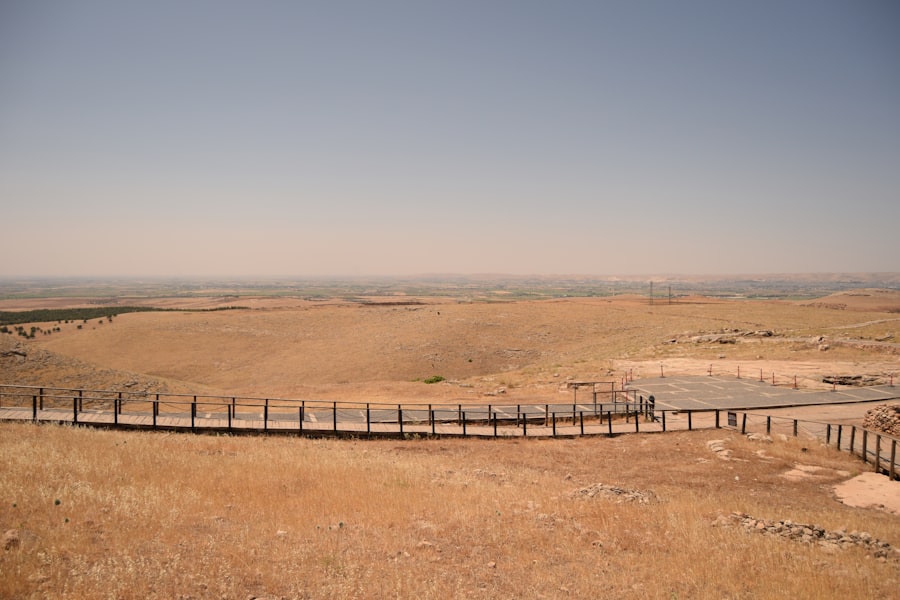
The monumental T-shaped pillars are the defining feature of Göbekli Tepe. Their immense size, intricate carvings, and strategic placement within the enclosures have led to a variety of hypotheses regarding their function. Were they simply symbolic markers, or did they serve a more practical, albeit spiritual, purpose? The ongoing research at Göbekli Tepe continues to refine our understanding of these enigmatic monoliths.
The “T” Shape: Anthropomorphic or Symbolic?
The distinctive T-shape of the pillars has been a subject of much debate. Some interpretations suggest they are stylized representations of humans, with the horizontal arms representing outstretched arms and the vertical shaft forming the body. This interpretation aligns with the idea that the site was a place for ancestor worship or for veneration of important spiritual figures. However, the lack of distinct facial features and the consistent use of this form across the site suggest a more abstract or symbolic meaning, perhaps representing a universal concept or a foundational element of their belief system.
Orientation and Astronomy: Alignments with Celestial Events
Recent research has explored the possibility of astronomical alignments within Göbekli Tepe. Some scholars propose that the enclosures and the placement of certain pillars may have been aligned with specific celestial events, such as the rising or setting of stars or the solstices. If true, this would indicate a sophisticated understanding of astronomy and a desire to connect their spiritual practices with the rhythms of the cosmos. Such alignments could have served as markers for important seasonal festivals or as a means of understanding their place within the universe.
The Function as Temples or Sanctuaries
The most widely accepted theory regarding the purpose of Göbekli Tepe is that it served as a religious or ritualistic center. The sheer effort involved in its construction, the elaborate carvings, and the communal nature of its creation all point towards a shared spiritual purpose. The enclosures could have been used for ceremonies, sacrifices, or as places of pilgrimage. The animals depicted may have been totems or manifestations of deities worshipped at the site. Göbekli Tepe represents an early form of organized religion, a testament to humanity’s innate drive for spiritual connection and meaning.
The Mystery of Its Abandonment: A Civilization Fades
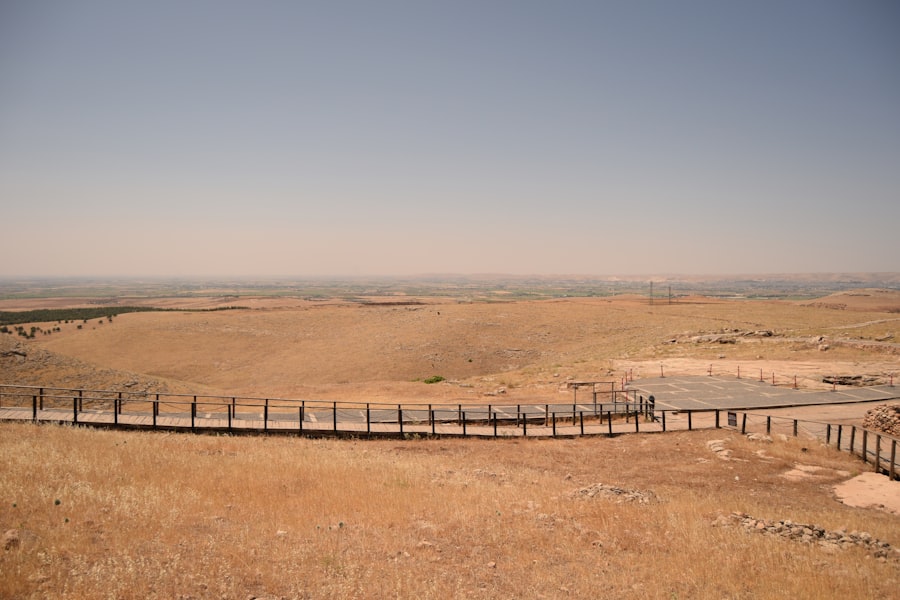
Göbekli Tepe was not continuously occupied throughout its history. It was used and expanded upon for over a thousand years, but eventually, it was deliberately backfilled and buried. The reasons for its abandonment are as mysterious as its creation, adding another layer to its enduring enigma. What led these sophisticated builders to cease their activities and conceal their monumental achievements?
The Deliberate Burial: An Act of Preservation or Obscurity?
The fact that Göbekli Tepe was deliberately backfilled with debris is a crucial clue. This was not a gradual decay due to natural forces but a conscious act of covering the structures. Some archaeologists suggest this was an act of preservation, an attempt to protect the sacred site from desecration or to seal away its power. Others propose it was a way to obscure the site, perhaps due to a shift in beliefs or the rise of a new societal order that no longer recognized the significance of the old ways. The meticulous nature of the burial implies a significant decision was made.
Shifting Societal Structures and Beliefs
The abandonment of Göbekli Tepe likely coincides with significant shifts in the societies that inhabited the region. The transition towards more settled agricultural lifestyles, which did eventually take hold in the area, might have altered social priorities and religious practices. New belief systems may have emerged, rendering the old monuments obsolete or even undesirable. The gradual development of new forms of social organization and governance could have also played a role in the site’s eventual disuse.
Environmental Factors or External Pressures?
While less emphasized, environmental changes or external pressures cannot be entirely ruled out as contributing factors to the site’s abandonment. Changes in climate, resource availability, or conflicts with other groups could have disrupted the lifestyles of the people who maintained Göbekli Tepe, forcing them to relocate or alter their traditions. However, the deliberate burial suggests a more internal, cultural reason for the cessation of activity.
The mystery of Göbekli Tepe continues to captivate archaeologists and historians alike, as it challenges our understanding of early human civilization. Recent discoveries have shed light on the site’s significance, suggesting it may have played a crucial role in the development of social structures and religious practices. For those interested in exploring more about ancient civilizations and their hidden narratives, a fascinating article can be found here, which delves into the secrets of ancient writings and their impact on our comprehension of history.
Göbekli Tepe’s Legacy: Rewriting the Human Story
| Aspect | Details |
|---|---|
| Location | Göbekli Tepe, Turkey |
| Age | Estimated to be over 11,000 years old |
| Structure | Consists of large stone pillars arranged in circles |
| Significance | Considered one of the oldest known religious structures |
| Discovery | Discovered in the 1960s, but its significance was not fully recognized until the 1990s |
| Excavation | Ongoing archaeological excavations continue to uncover new findings |
Göbekli Tepe has fundamentally altered our understanding of human history. It has pushed back the timeline for monumental construction and complex societal organization by thousands of years, forcing a reevaluation of the very origins of civilization. Its discovery is a ongoing testament to the fact that our ancestors were far more sophisticated, spiritually driven, and capable of collective action than we once believed.
The Birth of Religion and Social Complexity
Göbekli Tepe provides compelling evidence for the idea that religion and complex social structures may have predated agriculture. The site suggests that a shared belief system and the need for communal ritual could have been a powerful driving force for human cooperation and innovation, even among hunter-gatherer societies. It challenges the notion that human progress was solely a product of material needs like food security.
The Enduring Quest for Meaning
The continued excavation and study of Göbekli Tepe underscore humanity’s enduring quest for meaning and our deep-seated need to connect with something larger than ourselves. The efforts of its builders to create these sacred spaces, their artistic expressions, and their apparent preoccupation with the spiritual realm speak to a universal human characteristic. Göbekli Tepe, in its silent grandeur, continues to provoke questions about our origins and our place in the grand tapestry of existence.
A Window into the Prehistoric Mind
Each new discovery at Göbekli Tepe opens a new window into the prehistoric mind. The intricate details of the carvings, the sophisticated planning of the enclosures, and the deliberate act of its burial all contribute to a growing, albeit still incomplete, picture of the worldview and motivations of our ancient ancestors. The mystery of Göbekli Tepe is not just an archaeological puzzle; it is a profound exploration of the very essence of what it means to be human. The windswept hills of Anatolia hold secrets that continue to unravel, promising further revelations about the dawn of our civilization and the timeless human drive to understand the world and our place within it.

The World Beyond Göbekli Tepe Is Far Bigger Than We Thought
FAQs
What is Göbekli Tepe?
Göbekli Tepe is an archaeological site located in southeastern Turkey, dating back to the Neolithic period. It is considered one of the oldest known man-made structures, with its construction dating back to around 9600 BCE.
What makes Göbekli Tepe significant?
Göbekli Tepe is significant because it challenges previous assumptions about the development of early human civilization. The site’s complex and sophisticated architecture suggests a level of social organization and technological advancement that was previously thought to have emerged much later in human history.
What is the mystery surrounding Göbekli Tepe?
The mystery of Göbekli Tepe lies in its purpose and the people who built it. The site’s purpose is still not fully understood, and it is unclear how the builders of Göbekli Tepe were able to construct such monumental structures with the limited technology and resources available to them at the time.
What have archaeologists discovered at Göbekli Tepe?
Archaeologists have uncovered numerous T-shaped limestone pillars at Göbekli Tepe, some of which are adorned with intricate carvings of animals and symbols. These findings suggest that the site may have had religious or ceremonial significance.
What are some theories about Göbekli Tepe?
Some theories about Göbekli Tepe propose that it may have been a religious or ritualistic site, a place for communal gatherings, or even a center for early forms of social and economic exchange. However, the true purpose of Göbekli Tepe remains a subject of ongoing research and debate among archaeologists and historians.