
The silent sentinels of prehistory, colossal stone pillars, have long guarded their secrets, defying easy explanation. These enigmatic structures, erected by Neolithic communities across the globe, stand as testaments to a distant past, their purpose and construction methods shrouded in the mists of time. For archaeologists and historians, uncovering the mystery of these Neolithic stone pillars is a compelling intellectual pursuit, a journey into the minds and capabilities of our ancient ancestors.
Neolithic societies, flourishing roughly between 10,000 BCE and 4,500 BCE, marked a profound shift in human history. The advent of agriculture, the domestication of animals, and the establishment of settled communities laid the groundwork for increasingly complex social structures and monumental construction projects. Among the most striking of these achievements are the megalithic structures, and within this category, stone pillars, often referred to as menhirs or standing stones, hold a special allure. Their presence is not confined to a single region; rather, they appear in diverse landscapes and cultures across continents, suggesting either independent innovation or a shared, ancient impetus for their creation.
Defining the “Neolithic Stone Pillar”
The term “Neolithic stone pillar” encompasses a broad spectrum of structures. At its simplest, it refers to a single, upright, unworked or minimally worked stone, typically large and imposing. However, the definition can extend to include more elaborate arrangements, such as rows of pillars (alignments), circles of pillars (stone circles), or even pillars incorporated into larger tomb complexes. The key unifying characteristic is the deliberate placement and upright orientation of significant stone formations by communities of the Neolithic period. The sheer variety in size, shape, and context underscores the multifaceted roles these pillars likely played in Neolithic life. From towering solitary stones that dominate the horizon to carefully orchestrated arrangements of smaller monoliths, each presents a unique puzzle for modern researchers.
Geographical Distribution and Notable Examples
The distribution of Neolithic stone pillars is remarkably widespread. Western Europe, particularly the British Isles, France, and the Iberian Peninsula, boasts some of the most famous and well-preserved examples. Stonehenge and Avebury in England, Carnac in Brittany, France, and the dolmens of various regions are iconic. However, their presence is by no means limited to Europe. Megalithic structures, including pillar-like formations, are found in North Africa, the Middle East, India, Korea, and even parts of the Americas, though the dating and specific cultural contexts can vary significantly. This global distribution sparks debate about the nature of diffusion versus independent invention and the fundamental human drive to erect such enduring markers.
Chronological Considerations and Defining “Neolithic”
The “Neolithic” period itself is not a monolithic era, and the construction of stone pillars spans a considerable portion of it. While the earliest examples of megalithic construction might predate the strictly defined Neolithic in some regions, the hallmark of Neolithic societies – settled agriculture and larger, more organized communities – provided the necessary surplus labor and social cohesion for such ambitious undertakings. Therefore, while some structures might have roots in the late Mesolithic, the peak of megalithic pillar construction is generally attributed to the Neolithic and early Bronze Age. Understanding the precise dating of these sites, through radiocarbon dating of associated organic materials and archaeomagnetic dating of fired materials, is crucial for understanding their development and potential influences.
The Neolithic stone pillars, often associated with ancient rituals and communal gatherings, provide fascinating insights into the social structures of early human societies. These monumental structures not only served as markers of territory but also as symbols of collective identity. For a deeper understanding of how ancient civilizations interacted with their environment, you may find it interesting to explore the challenges faced by modern societies, such as the threat of sinking island nations, which echoes the struggles of our ancestors in adapting to changing landscapes. You can read more about this topic in the article here.
The Enigmatic Purpose: Theories and Interpretations
The most persistent question surrounding Neolithic stone pillars is their purpose. Lacking written records, interpretations must be derived from archaeological evidence, comparative anthropology, and careful observation of the structures themselves and their surrounding environments. The lack of a single, universally accepted answer speaks to the complexity of human societies and the diverse needs they sought to fulfill with these monumental constructions.
Astronomical Alignments and Calendrical Functions
One of the most compelling and widely discussed theories proposes that many Neolithic stone pillars served as astronomical observatories or markers. The precise orientation of certain stones and structures in relation to celestial events, such as solstices, equinoxes, and specific star risings or settings, has been observed at numerous sites. Stonehenge, with its alignment to the summer solstice sunrise, is a prime example.
Solstice and Equinox Alignments
The recurring phenomenon of stones aligning with the sun’s most extreme positions – the summer and winter solstices – is particularly significant. These events mark the turning points of the year and were undoubtedly of immense importance to agrarian societies for tracking seasons, planning planting and harvesting, and regulating social and religious festivals. The effort involved in precisely positioning massive stones to catch a specific ray of sunlight or frame a particular celestial event speaks to a sophisticated understanding of astronomy and a deep reverence for the cosmos.
Lunar and Stellar Observations
Beyond solar events, some researchers suggest that pillars were also used to track lunar cycles or the movements of specific stars. The moon’s phases are crucial for timekeeping, and the appearance of certain constellations might have held religious or navigational significance. While evidence for lunar and stellar alignments can be more subtle and difficult to confirm than solar ones, their potential role adds another layer of complexity to the purpose of these structures.
Ritualistic and Religious Significance
Beyond practical calendrical functions, the sheer scale and effort invested in erecting these pillars strongly suggest a profound ritualistic or religious significance. The construction itself was likely a communal undertaking, a shared endeavor that would have fostered social cohesion and reinforced collective beliefs.
Sacred Landscapes and Places of Worship
The placement of stone pillars in prominent locations, often on hilltops or in open landscapes, suggests they were considered sacred spaces. They may have served as focal points for ceremonies, sacrifices, or other religious rituals. The imposing nature of the stones could have been intended to evoke awe and connect the earthly realm with the divine.
Ancestor Worship and Memorialization
Another possibility is that some pillars were erected as memorials to ancestors or significant individuals. In societies where oral tradition was paramount, such enduring markers could have served to commemorate lineage, heroic deeds, or important historical events, ensuring their remembrance for future generations. The act of erecting a monument for the deceased is a practice found across many cultures and time periods.
Social and Political Functions
The construction and maintenance of megalithic structures would have required a significant degree of social organization, labor coordination, and resource management. This in itself suggests that these pillars played a role in solidifying social hierarchies and demonstrating the power and authority of community leaders.
Demonstrations of Power and Authority
The ability of a community to mobilize and direct the labor of many individuals for a prolonged period to move and erect massive stones would have been a clear demonstration of their collective strength and the authority of their leadership. These structures could have served as visible symbols of a community’s success and its ability to undertake ambitious projects.
Community Gathering Places and Markers of Territory
It is also plausible that stone pillars served as important meeting points for communities. They could have been central to communal gatherings, dispute resolution, or the exchange of goods and information. Furthermore, they may have functioned as territorial markers, delineating the boundaries of a settlement or a clan’s ancestral lands.
The Monumental Challenge of Construction
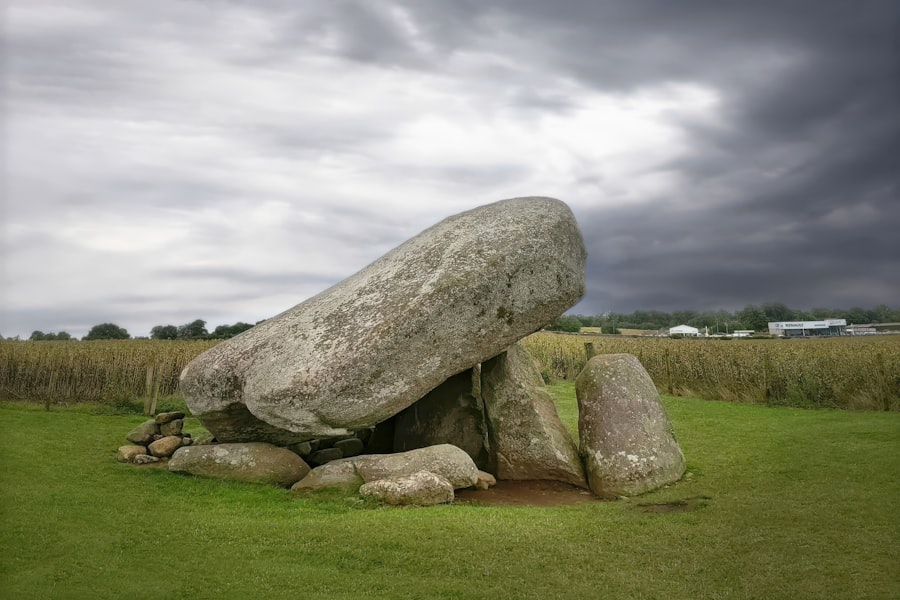
The sheer size and weight of the stones used in Neolithic pillar construction present a formidable challenge, prompting deep inquiry into the methods employed by these ancient peoples. Without the benefit of iron tools or wheeled vehicles, the feat of quarrying, transporting, and erecting these monoliths is nothing short of astonishing.
Quarrying Techniques and Material Selection
The first step in the construction process was the extraction of the stone from local quarries. Archaeological evidence suggests various techniques were utilized, depending on the type of rock available.
Percussion and Wedge Techniques
For softer stones like sandstone or limestone, simple percussion – hammering with stone tools – might have been used to break away sections. For harder rocks like granite, more sophisticated methods likely involved the use of fire and water to exploit thermal expansion and contraction, or the insertion of wooden wedges into natural fissures. These wedges would then be soaked with water, causing them to expand and crack the stone.
Identifying Suitable Stone Sources
The selection of stone was not arbitrary. Neolithic builders would have sought out suitable rock formations, considering not only their availability but also their durability and aesthetic qualities. The presence of readily accessible stone quarries near megalithic sites is a common observation.
Transportation: The Herculean Task
Moving massive stones over potentially long distances was perhaps the most demanding aspect of construction. Without draft animals of the kind used in later civilizations or advanced machinery, ingenuity and brute force were paramount.
Sledges and Rollers
The most widely accepted theory for transporting heavy stones involves the use of sledges. These wooden platforms would have been placed beneath the stones, and then pulled by teams of people. To reduce friction, the path ahead of the sledge would have been lubricated with water or animal fat, or lined with a smooth surface. Another method, or an adjunct to sledges, may have involved the use of logs as rollers placed beneath the sledge. As the sledge moved forward, the rollers would be repositioned from the back to the front, creating a continuous rolling motion.
Human Power and Collaborative Effort
The sheer number of people required for such an undertaking cannot be overstated. It would have necessitated a highly organized and collaborative effort, likely involving the entire community or even multiple communities working together. This shared labor would have reinforced social bonds and fostered a sense of collective identity.
Erection and Stability: The Final Hurdle
Once transported to the site, the colossal stones needed to be carefully raised into their upright positions and secured. This phase would have demanded precision, planning, and a deep understanding of leverage and balance.
Ramps and Levers
The most plausible method for erecting standing stones involves the use of earthen ramps or piles of rubble. The stone would be gradually angled upwards, with levers and ropes used to control its movement. As the stone rose, further material would be added to the ramp, allowing it to reach its vertical position. Once upright, the base would be secured by digging a pit and packing it with smaller stones and earth.
Understanding of Physics and Engineering
The successful erection of these pillars demonstrates an intuitive, albeit perhaps unwritten, understanding of basic physics and engineering principles. The use of leverage, counterweights, and the careful management of forces would have been essential for preventing catastrophic collapse during the process.
Unraveling the Symbolism and Meaning

Beyond their practical or ritualistic functions, Neolithic stone pillars were imbued with deep symbolic meaning for the communities that erected them. Their form, placement, and orientation likely resonated with their understanding of the world, their beliefs about the cosmos, and their place within it.
Fertility and Cosmic Connections
The erect, phallic-like form of many standing stones has led to interpretations linking them with fertility and the generative forces of nature. Their alignment with celestial bodies further strengthens this connection, suggesting a desire to harness and celebrate the cycles of life and growth.
The Earth Mother and Sky Father Archetypes
The monumental stones might have represented the enduring power of the earth, or served as conduits to connect with celestial deities. The reciprocal relationship between the earth and the sky, essential for agricultural success, could have been symbolically embodied in these structures.
Cycles of Life, Death, and Rebirth
The cyclical nature of astronomical events, such as the solstices, mirrors the cycles of life, death, and rebirth that are central to many belief systems. The standing stones, witnessing these cosmic rhythms year after year, could have served as powerful reminders and facilitators of these ongoing processes.
Markers of Identity and Belonging
In a world where communities were often relatively isolated, megalithic structures could have played a vital role in defining and reinforcing group identity.
Ancestral Lands and Clan Affiliations
The erection of a stone pillar could have served as a tangible claim to ancestral lands, a declaration of belonging and historical continuity. These structures might have been focal points for clan gatherings and rituals that reinforced familial bonds and shared heritage.
Communal Identity and Shared Beliefs
The collective effort required to build these monuments would have fostered a strong sense of communal identity. The shared experience of labor, celebration, and perhaps even awe would have cemented the bonds between individuals and reinforced their shared belief system.
Abstract and Metaphysical Concepts
The enduring nature of stone, contrasted with the ephemeral lives of humans, could have symbolized concepts of permanence, eternity, and the spiritual realm.
Connections to the Spirit World
Standing stones, piercing the sky and rooted in the earth, might have been seen as liminal spaces – points of connection between the earthly and spiritual realms. They could have been places where communication with spirits or deities was facilitated.
The Unseen Forces of the Universe
The precise astronomical alignments suggest a deep contemplation of the unseen forces that govern the universe. The pillars, in their silent watch, could have been an attempt to capture, understand, and perhaps even influence these cosmic energies.
The Neolithic stone pillars, often found in various archaeological sites, provide fascinating insights into the rituals and social structures of ancient communities. These monumental structures, such as those seen at Göbekli Tepe, are believed to have played a significant role in early human civilization. For those interested in understanding how ancient societies prepared for challenges, a related article discusses essential tips for preparing your home for national emergencies, which can draw interesting parallels to the survival strategies of our ancestors. You can read more about it here.
Modern Investigations and Future Discoveries
| Location | Number of Stone Pillars | Height of Pillars | Age |
|---|---|---|---|
| Göbekli Tepe, Turkey | Approximately 200 | 3 to 6 meters | 10,000 to 12,000 years old |
| Avebury, England | Approximately 100 | 4 to 7 meters | Around 5,000 years old |
| Carnac, France | Over 3,000 | Up to 4 meters | Around 6,000 years old |
Despite centuries of study, the mysteries of Neolithic stone pillars continue to inspire and challenge. Modern scientific advancements are providing new tools and perspectives for unraveling their secrets, promising further revelations in the years to come.
Advanced Archaeological Techniques
Contemporary archaeology employs sophisticated techniques that were unimaginable to early researchers, allowing for more precise dating, detailed site analysis, and the reconstruction of ancient environments.
Geophysical Survey and Non-Invasive Exploration
Methods such as ground-penetrating radar (GPR) and magnetometry allow archaeologists to explore subterranean features and identify buried structures without disturbing the existing landscape. This can reveal hidden arrangements of stones, postholes, or other associated features.
Isotope Analysis and Environmental Reconstruction
The analysis of stable isotopes in human and animal remains found at or near megalithic sites can provide insights into diet, migration patterns, and the environmental conditions of the time. This helps to contextualize the role of the pillars within the broader landscape and the lives of the people who built them.
Interdisciplinary Collaboration and Global Networks
The study of megalithic monuments is increasingly a collaborative effort, bringing together experts from diverse fields to share knowledge and perspectives.
Astronomy, Anthropology, and Geology
The interpretation of astronomical alignments requires the expertise of astronomers. Understanding the social and cultural context necessitates input from anthropologists. Identifying stone sources and understanding quarrying techniques draws on the knowledge of geologists.
International Research Projects and Data Sharing
Numerous international research projects are dedicated to studying megalithic sites worldwide. The sharing of data, findings, and methodologies across these networks is crucial for developing a more comprehensive understanding of these ancient phenomena.
The Enduring Allure of the Unknown
The inherent mystery of Neolithic stone pillars continues to captivate the public imagination. These silent monuments serve as powerful reminders of our shared human past, prompting us to ponder the ingenuity, spirituality, and enduring legacy of our Neolithic ancestors.
Continuing the Quest for Understanding
The quest to understand these ancient structures is far from over. Each new discovery, each refined technique, brings us a step closer to deciphering the stories etched in stone by those who came long before us. The enduring presence of these pillars ensures that they will continue to inspire wonder and drive research for generations to come.
Lessons from the Past
Ultimately, the study of Neolithic stone pillars offers invaluable lessons about human ingenuity, our deep-seated need for meaning, and our profound connection to the natural world and the cosmos. They stand not just as relics of the past, but as enduring testaments to the timeless aspects of the human spirit.

The World Beyond Göbekli Tepe Is Far Bigger Than We Thought
FAQs
What are Neolithic stone pillars?
Neolithic stone pillars are large, upright stone structures that were erected during the Neolithic period, which lasted from around 10,200 BC to 2,000 BC. These pillars were often used for ceremonial or religious purposes and are found in various parts of the world.
Where are Neolithic stone pillars found?
Neolithic stone pillars can be found in different regions around the world, including Europe, the Middle East, and Asia. Some well-known examples of Neolithic stone pillars include Stonehenge in England, Göbekli Tepe in Turkey, and the Carnac stones in France.
What was the purpose of Neolithic stone pillars?
The exact purpose of Neolithic stone pillars is still a topic of debate among archaeologists and historians. However, it is believed that these structures were used for religious or ceremonial purposes, as they are often found in association with other ritualistic or burial sites.
How were Neolithic stone pillars constructed?
Neolithic stone pillars were typically constructed using large, heavy stones that were quarried from nearby sources. These stones were then transported to the site of the pillar and erected using a combination of manpower, wooden levers, and possibly simple machines such as sledges and rollers.
What is the significance of Neolithic stone pillars?
Neolithic stone pillars are significant because they provide valuable insights into the religious and ceremonial practices of ancient societies. They also demonstrate the impressive engineering and construction capabilities of Neolithic peoples, as many of these structures have withstood the test of time for thousands of years.