
The dust of millennia settled, long concealing secrets that whispered of a world far older and more complex than previously imagined. For decades, the Anatolian plateau of southeastern Turkey held its breath, guarding the monumental legacies of Göbekli Tepe and Karahantepe. These sites, unearthed with painstaking effort, have not merely rewritten our understanding of prehistoric human civilization; they have fundamentally challenged our preconceived notions of what early humans were capable of, their social structures, and their spiritual lives. Far from being the simple hunter-gatherer communities we once envisioned, the builders of these ancient wonders were sophisticated architects, astronomers, and artists, engaging in complex ritualistic practices on a scale that staggers the modern mind.
Göbekli Tepe, meaning “Potbelly Hill” in Turkish, stands as the undisputed elder statesman of monumental prehistoric architecture. Its unassuming appearance belies the revolutionary nature of its discoveries. Dating back to the Pre-Pottery Neolithic period, approximately 9600 BCE to 8200 BCE, this sprawling complex predates the invention of agriculture, pottery, and even settled village life as we understood it. This fact alone is a seismic shift in archaeological thought. How could hunter-gatherer societies, believed to be nomadic and individualistic, have mobilized the labor, organization, and resources necessary to construct such massive and intricate structures? The answer lies in the sheer ingenuity and perhaps a shared spiritual imperative that drove these ancient peoples.
The Enigmatic Pillars: Symbols of a Lost World
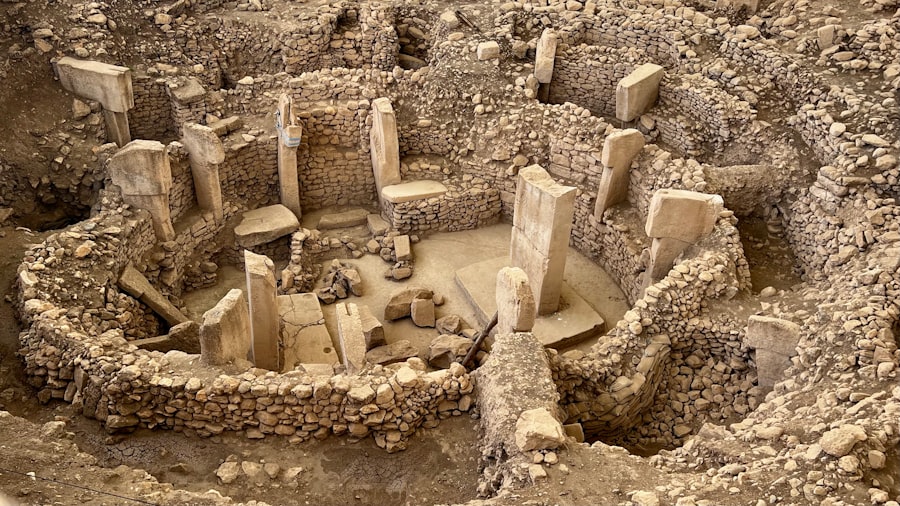
The most striking features of Göbekli Tepe are its T-shaped megalithic pillars. These colossal stone obelisks, some weighing many tons, are arranged in circular enclosures. They are not crude, unadorned stones. Instead, they are intricately carved with a stunning array of animals, abstract symbols, and what appear to be human figures in stylized form. The artistic sophistication of these carvings is remarkable, showcasing a deep understanding of animal anatomy and movement. Lions, boars, foxes, snakes, birds of prey, and even scorpions are depicted with a level of detail that suggests keen observation and artistic skill.
Decoding the Animal Motifs: A Prehistoric Bestiary
The recurring presence of specific animals is a focal point of ongoing research. Lions, powerful predators, are frequently featured, perhaps symbolizing strength, dominance, or a connection to the wild. Wild boars, known for their ferocity, also appear prominently. The interpretation of these animal motifs is a complex puzzle. Are they totems, representing clan affiliations? Are they spiritual guides or deities? Or do they serve a more symbolic function, perhaps related to the changing seasons, cosmic events, or mythological narratives? The sheer diversity of the fauna depicted suggests a worldview deeply intertwined with the natural world.
The Significance of the “T” Shape: Anthropomorphic or Abstract?
The distinctive “T” shape of the pillars has fueled much debate. Some archaeologists propose that these represent stylized human figures, with the arms of the “T” being the arms of the figure and the top the head. The absence of distinct facial features, however, leaves this interpretation open to speculation. Others believe the “T” shape has a more abstract or symbolic meaning, possibly representing a cosmic axis, a divine presence, or a gateway between different realms. Regardless of the exact interpretation, the uniformity of this design across multiple enclosures suggests a shared belief system or ritualistic practice that transcended individual communities.
The Circle of Life and Ritual: Purpose of the Enclosures
The circular arrangement of the pillars is another crucial aspect of Göbekli Tepe’s design. These enclosures, meticulously planned and constructed, are widely believed to have served as ritualistic spaces or temples. The sheer scale of the effort involved in their creation implies a highly organized society capable of coordinating large workforces. It suggests a communal undertaking, driven by shared beliefs and social cohesion.
Gatherings for a Purpose: Communal Rituals and Social Bonding
The construction and use of Göbekli Tepe likely fostered strong social bonds. The mobilization of resources, quarrying of stone, transportation of massive blocks, and the intricate carving all required cooperation on an unprecedented scale for its time. These communal efforts could have served as powerful mechanisms for social integration, reinforcing shared identity and purpose within these early communities. The rituals performed within these sacred spaces would have further solidified this collective identity.
Astronomical Alignments: Glimpses of Early Astronomy
Intriguing research has suggested that some of the enclosures at Göbekli Tepe may have been aligned with celestial events. This implies a rudimentary understanding of astronomy and a connection between the heavens and earthly rituals. The positioning of certain pillars or entrances in relation to solstices or equinoxes could have played a role in the seasonal cycles of ceremonies, marking important times for hunting, gathering, or religious observance. This celestial awareness adds another layer of sophistication to the builders’ capabilities.
The Mystery of Abandonment: A Silent Testament to Time
Perhaps one of the most perplexing aspects of Göbekli Tepe is its eventual abandonment and deliberate burial. Around 8200 BCE, after centuries of use and potential expansion, the site was systematically backfilled. The reasons for this monumental undertaking remain unknown. Was it a ritualistic act of closure? Did the environment change, rendering the site unusable? Or did the beliefs and practices of the people evolve, leading them to move on to new sacred spaces? The deliberate burial, however, ensured its preservation, allowing us a unique window into a past that would have otherwise been lost.
Göbekli Tepe and Karahantepe are two remarkable archaeological sites in Turkey that have significantly contributed to our understanding of prehistoric human societies. While Göbekli Tepe is often celebrated for its monumental stone structures and intricate carvings, Karahantepe has recently gained attention for its similar features and potential insights into early human rituals and social organization. For those interested in exploring broader implications of historical events on modern society, a related article discusses the potential impact of economic changes on personal decisions, such as real estate, which can be found here: Should I Sell My House Before Dollar Collapse?.
Karahantepe: A Sister Site, Revealing New Dimensions
Just a short distance from Göbekli Tepe, Karahantepe is emerging as a complementary site, offering a deeper and broader understanding of this ancient cultural complex. While sharing many similarities with its famous neighbor, Karahantepe presents its own unique features and discoveries, expanding the narrative of these prehistoric societies. Discovered in 2020, it has quickly become a focal point of research, revealing that Göbekli Tepe was not an isolated phenomenon but part of a larger, interconnected cultural landscape.
The Significance of the “Phallus Pillars”: Fertility and Power
One of the most distinctive features of Karahantepe is the presence of a significant number of pillars shaped like phalluses. This striking imagery has led to interpretations related to fertility, virility, and perhaps even the concept of creation. The abundance of these symbols suggests a deep reverence for life-giving forces and a focus on procreation within their belief systems. These pillars are often larger and more overtly symbolic than some of the animal carvings at Göbekli Tepe, suggesting a potentially different emphasis in the rituals conducted at Karahantepe.
Fertility Cults or Cosmic Creation Myths?
The interpretation of these phallic pillars is a subject of ongoing debate. While the connection to fertility is undeniable, some scholars suggest they might be linked to broader cosmic creation myths, representing the generative power of the universe. The presence of these overtly sexual symbols also raises questions about the social dynamics and spiritual beliefs surrounding reproduction and lineage in these ancient communities.
Göbekli Tepe and Karahantepe are remarkable archaeological sites that provide insight into early human civilization and ritual practices. A fascinating article that explores the implications of ancient structures and their relationship to environmental changes can be found here. This piece delves into how rising sea levels could impact our understanding of historical sites, drawing connections between past human activities and present-day challenges.
The “Animal Graveyard” and Ritual Feasting: Sustenance and Sacrifice
Karahantepe has yielded evidence of large animal bone deposits, leading to speculation about ritual feasting and perhaps even animal sacrifice. The systematic deposition of animal remains suggests a deliberate practice, not simply the discarded remnants of daily meals. This points to communal gatherings centered around the consumption of meat, which would have been a significant event for hunter-gatherer societies.
The Politics of Plenty: Sharing Resources and Social Hierarchy
The organized distribution and consumption of meat at Karahantepe would have played a crucial role in social organization. The sharing of such resources would have reinforced social bonds and potentially established hierarchies based on hunting prowess or leadership in organizing these feasts. The act of feasting together could have been a powerful way to unite the community and celebrate shared successes.
Symbolic Offerings: Appeasing Deities or Honoring Ancestors?
The placement and nature of these animal remains might also suggest symbolic offerings. Were these animals sacrificed to appease deities, honor ancestral spirits, or commemorate significant events? The presence of specific animals or patterns in their deposition could hold clues to the specific purposes of these ritualistic meals.
The Human Dimension: Representations of the Builders
While animal carvings dominate Göbekli Tepe, Karahantepe offers more direct representations of human figures, albeit still stylized. These depictions provide a tantalizing glimpse into how these ancient people may have viewed themselves and their place in the world. The anthropomorphic elements, combined with animal imagery, suggest a complex worldview where humans were intricately connected to the animal kingdom.
Beyond the Silhouette: Understanding Early Human Self-Perception
The existence of human figures, even in abstract form, is invaluable for understanding early human self-perception. Do these figures represent specific individuals, idealized archetypes, or shamans? Their posture, adornments, or interactions with animals could reveal insights into their social roles, spiritual practices, and understanding of the human form.
The Interplay of Human and Animal: A Unified Cosmology
The integration of human and animal imagery in both sites highlights a unified cosmology, where the boundaries between the human and natural world were likely blurred. This interconnectedness suggests a profound respect for and integration with the animal kingdom, as opposed to a detached, anthropocentric view.
The Builders: A Revolution in Prehistoric Social Organization
The sheer scale and complexity of Göbekli Tepe and Karahantepe demand a fundamental reassessment of our understanding of prehistoric social organization. The traditional view of small, egalitarian hunter-gatherer bands is simply insufficient to explain the monumental undertakings at these sites.
Beyond Nomadic Bands: Evidence of Sedentary or Semi-Sedentary Lifestyles
The immense labor required for quarrying, transporting, and carving the megaliths strongly suggests that these communities were not entirely nomadic. While they may not have lived in permanent villages in the modern sense, they likely had established base camps or seasonal settlements from which they organized and executed these projects. This points towards a greater degree of sedentism than previously assumed for this period.
The Logistics of Monumental Construction: A Prehistoric Project Management
The logistical challenges of constructing these sites are staggering. The ability to organize, feed, and house hundreds, if not thousands, of individuals for extended periods implies a sophisticated level of project management. This would have required leadership, resource allocation, and effective communication systems.
Social Stratification and Leadership: The Architects of Society
The existence of such large-scale, coordinated endeavors strongly suggests some degree of social stratification and established leadership roles. Someone had to conceive of these projects, mobilize the labor, and direct the construction. This implies a hierarchical structure, with individuals or groups holding authority and influence.
The Role of the Elite: Priests, Chiefs, or Visionaries?
The precise nature of this leadership is unknown. Were they religious leaders, charismatic chiefs, or individuals with a unique vision and ability to inspire their communities? The monumental nature of the constructions suggests that these leaders held significant power and prestige, capable of commanding the collective efforts of their people.
The Dawn of Symbolic Thinking and Shared Beliefs: A Unifying Force
Göbekli Tepe and Karahantepe are testaments to the profound development of symbolic thinking and shared belief systems. The intricate carvings and abstract symbols indicate a capacity for abstract thought and the creation of shared narratives that bound these communities together.
Religion as a Unifying Principle: The Power of the Sacred
It is increasingly clear that religion and shared spiritual beliefs played a crucial role in the formation and maintenance of these early societies. The monumental architecture likely served as the focal point for these shared beliefs, acting as a unifying force that transcended individual or familial ties. The need to construct and maintain these sacred spaces likely fostered cooperation and a sense of collective identity.
The Transfer of Knowledge: A Legacy of Learning
The sophisticated techniques used in stone carving, quarrying, and potentially even astronomical observation imply a system for the transfer of knowledge and skills across generations. This suggests that these were not simply instinctual behaviors but learned traditions, passed down through instruction and practice, laying the groundwork for future cultural development.
The Revolution in Understanding: Rethinking Prehistory
The discoveries at Göbekli Tepe and Karahantepe have irrevocably altered our understanding of the human past. They have dismantled long-held assumptions and opened up new avenues of inquiry into the origins of civilization.
The Neolithic Revolution Reimagined: Beyond Agriculture
The traditional narrative of the Neolithic Revolution emphasizes the domestication of plants and animals as the primary driver of societal change. However, Göbekli Tepe and Karahantepe suggest that the development of complex social structures, spiritual beliefs, and monumental architecture may have preceded or at least co-evolved with agriculture, playing an equally significant role in shaping human civilization.
The “Ritual First” Hypothesis: Beliefs Driving Innovation
The “ritual first” hypothesis, which posits that the need for communal ritualistic spaces spurred social organization and technological innovation, gains significant traction with these findings. The desire to create and maintain these sacred sites may have been the catalyst for the developments that eventually led to settled agriculture and larger communities.
Challenging the Timeline of Civilization: A Deeper Past
These sites push back the timeline for complex human societies by millennia. They demonstrate that early humans were capable of sophisticated planning, artistic expression, and large-scale communal endeavors far earlier than previously believed. This forces us to reconsider the very definition of “civilization” and its origins.
From Nomadic Survival to Monumental Ambition: A Paradigm Shift
The shift from a perception of early humans solely focused on nomadic survival to one that includes monumental ambition and a rich spiritual life is a profound paradigm shift. It highlights the inherent human drive for meaning, connection, and the creation of something enduring, even in the earliest stages of our development.
The Ongoing Quest for Answers: Unlocking Further Secrets
While much has been revealed, the ancient wonders of Göbekli Tepe and Karahantepe still hold countless secrets. Ongoing excavations and interdisciplinary research continue to unravel their mysteries, promising further revelations about the lives, beliefs, and capabilities of our distant ancestors. Each new discovery adds another piece to the intricate puzzle of human history, reminding us that our understanding of the past is a constantly evolving narrative. The silent stones of Anatolia continue to speak, whispering tales of a forgotten world that is, in many ways, more advanced and complex than we could have ever imagined.
The World Beyond Göbekli Tepe Is Far Bigger Than We Thought
FAQs
What is Göbekli Tepe?
Göbekli Tepe is an archaeological site in Turkey, dating back to the Neolithic period, around 10,000 BC. It is known for its large stone pillars, some of which are decorated with intricate carvings of animals and symbols.
What is Karahantepe?
Karahantepe is another archaeological site located near Göbekli Tepe in southeastern Turkey. It is believed to have been a contemporary settlement to Göbekli Tepe, and it also features large stone structures and carvings.
What is the significance of Göbekli Tepe and Karahantepe?
These sites are significant because they challenge previous beliefs about the development of civilization. They suggest that complex societies and monumental architecture may have emerged earlier than previously thought, and they provide insight into the social and religious practices of ancient peoples.
Who built Göbekli Tepe and Karahantepe?
The builders of Göbekli Tepe and Karahantepe were likely early hunter-gatherers who lived in the region. The exact identity of these people is still a subject of debate among archaeologists.
What can visitors see at Göbekli Tepe and Karahantepe today?
Both sites are open to visitors, who can see the impressive stone pillars and carvings that have been uncovered by archaeologists. There are also on-site museums and visitor centers that provide more information about the history and significance of these ancient sites.