The dawn of settled life, marked by the Neolithic Revolution, brought about profound transformations in human societies. As communities transitioned from nomadic hunter-gatherer lifestyles to agriculture-based settlements, new social structures and organizational principles emerged. Among the most significant developments were the construction and use of communal buildings. These structures, often large and centrally located, served as more than mere shelters; they were the physical embodiments of shared purpose, collaboration, and the nascent complexities of early social organization. They provided spaces for a myriad of activities, fostering a sense of unity and collective identity that was crucial for the survival and growth of these emerging societies.
The shift to settled life necessitated new forms of organization and resource management. Agriculture, with its predictable yields and the need for land stewardship, anchored communities to specific locations. This permanence, in turn, allowed for the accumulation of surplus resources and the development of specialized skills, creating opportunities for larger-scale construction projects. Communal buildings represent a logical response to these evolving societal needs.
From Huts to Houses: The Evolution of Dwelling
Early human settlements often comprised individual, simple dwellings. However, as populations grew and societies became more complex, the need for shared spaces became apparent. The transition from purely individual dwellings to incorporating communal areas reflects a growing interdependence.
Early Evidence of Collective Living Spaces
Archaeological findings from various Neolithic sites provide crucial insights into this transition. While distinguishing between individual and communal structures can be challenging due to similar construction techniques, the size, location, and internal features of certain buildings suggest a collective purpose. For instance, unusually large structures found within settlements, often in central locations, point towards functions beyond domestic habitation.
The Impact of Sedentism on Building Practices
The permanence afforded by agriculture allowed for the investment of time and labor into more substantial and durable building projects. Unlike the temporary shelters of nomadic peoples, Neolithic communal buildings were often constructed with more robust materials and techniques, designed to last for generations. This shift in focus from immediate survival to long-term investment is a hallmark of settled societies.
Agricultural Surplus and Collective Endeavor
The advent of agriculture led to the production of surplus food, which in turn freed up labor from subsistence activities. This surplus labor could then be directed towards non-food-producing tasks, including the construction of communal facilities. The ability to feed a larger population while dedicating some individuals to specialized tasks like building was a critical factor in the development of these structures.
The Role of Labor in Communal Construction
The construction of large communal buildings required significant coordinated labor. This implies a degree of social organization and leadership capable of mobilizing and directing communal efforts. Whether through formal leadership roles or informal consensus, the ability to gather and organize labor was fundamental to bringing these projects to fruition.
Resource Management and Shared Benefits
The resources required for building – timber, stone, mud, and labor – were often considerable. The communal nature of these buildings suggests that their construction and maintenance were a collective responsibility, with the benefits shared among the community. This shared investment likely fostered a strong sense of collective ownership and responsibility.
The study of Neolithic communal buildings has revealed fascinating insights into the social structures and communal practices of early human societies. These structures, often characterized by their large size and shared spaces, suggest that cooperation and collective living were vital aspects of Neolithic life. For a deeper understanding of how recent discoveries are reshaping our knowledge of ancient civilizations, you can read the article titled “Unraveling Ancient Mysteries: New Discoveries Shed Light” at this link.
Multifaceted Functions of Neolithic Communal Buildings
Neolithic communal buildings were not monolithic in their purpose. Instead, they served a diverse range of functions, reflecting the multifaceted needs of early societies. These functions often overlapped, blurring the lines between religious, social, economic, and defensive roles.
Centers of Social and Ritualistic Life
Many communal buildings likely served as focal points for social gatherings, ceremonies, and religious practices. Their size and prominent location would have made them natural venues for community rituals, feasts, and important decision-making processes.
The Hearth as a Symbol of Unity
In many early settlements, the presence of a central hearth or fire pit within communal buildings was common. Fire was a vital resource, providing warmth, light, and a means of cooking. A shared hearth would have symbolized unity and provided a focal point for social interaction, storytelling, and communal meals.
Evidence of Ceremonial Practices and Belief Systems
Archaeological evidence, such as specialized artifacts, iconography, or evidence of feasting, can indicate the ritualistic uses of these buildings. The interpretation of these findings is crucial in understanding the spiritual beliefs and cosmological views of early Neolithic communities. These spaces were likely where the intangible aspects of life – faith, myth, and the supernatural – were addressed.
Storage and Economic Hubs
The accumulation of agricultural surplus necessitated secure and organized storage facilities. Communal buildings, often designed to be robust and defensible, were ideally suited for this purpose. They served as granaries, repositories for tools, and storage for other valuable resources.
The Management of Surplus Resources
Efficient management of surplus was crucial for survival, especially in the face of unpredictable harvests or external threats. Communal storage facilities allowed for the equitable distribution of resources, preventing individual hoarding and ensuring that the community as a whole had provisions. This also facilitated trade and exchange with other communities.
Evidence of Craft Production and Specialization
Some communal buildings may have also housed specialized craft production, such as pottery making, tool manufacturing, or textile production. The presence of workshops, kilns, or specific tools within these structures would indicate their role as economic hubs, fostering specialization and the development of new technologies.
Defensive Fortifications and Community Protection
In an era where inter-group conflict was a reality, communal buildings could also serve a defensive purpose. Their substantial construction and often strategic location within settlements could have provided a refuge for the community during times of attack.
Strategic Placement and Construction
The placement of communal buildings within a settlement, often at the core or on elevated ground, suggests a consideration for defense. Their robust construction, potentially with thickened walls or limited access points, would have offered protection against raiders.
Collective Security and Shared Responsibility
The use of communal buildings for defense underscores the concept of collective security. It implied that the protection of the entire community was a shared responsibility, and that individuals would cooperate to defend their collective space and resources.
The Social Impact of Communal Buildings: Fostering Cohesion and Identity
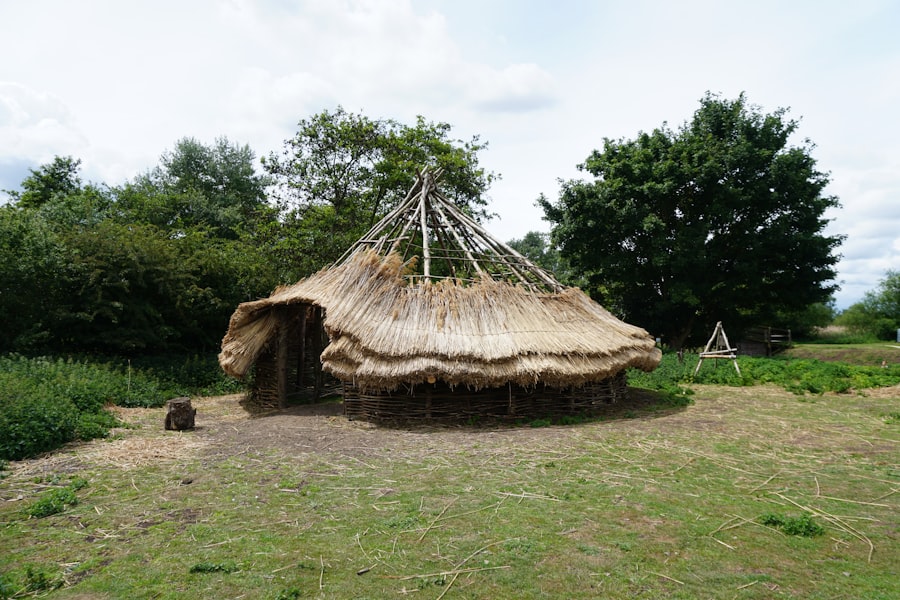
The impact of communal buildings extended far beyond their practical functions. They played a vital role in shaping social dynamics, fostering a sense of collective identity, and establishing the foundations for more complex social organization.
Building Social Bonds and Interpersonal Relationships
The shared activities that took place within communal buildings – feasting, ceremonies, collaborative work – undoubtedly strengthened social bonds and fostered interpersonal relationships. These spaces provided opportunities for interaction and cooperation that were essential for the functioning of the group.
Shared Experiences and Collective Memory
Participating in communal rituals and activities created shared experiences that would have contributed to the formation of a collective memory. These memories, passed down through generations, would have reinforced a sense of shared history and belonging.
The Development of Social Norms and Values
The communal spaces likely served as arenas for the transmission of social norms, values, and traditions. Through observation and participation in communal activities, individuals learned the expected behaviors and moral codes of their society.
The Emergence of Social Hierarchy and Leadership
While early Neolithic societies may have been relatively egalitarian, the construction and management of communal buildings could have contributed to the emergence of social hierarchy and leadership roles. Individuals who organized labor, managed resources, or played prominent roles in ceremonies may have gained status and influence.
Organizers and Leaders of Communal Projects
The sheer scale of communal building projects would have required individuals with organizational skills and the ability to motivate others. These individuals may have transitioned into leadership roles within the community.
Distinguishing Features and Status Symbols
In some cases, differences in the size, decoration, or location of communal structures might have reflected the status of different groups or individuals within the community. However, it is important to avoid anachronistically projecting complex class structures onto early Neolithic societies.
The Concept of “Community” Solidified
Communal buildings provided a tangible focal point for the concept of “community.” They were shared spaces, built through shared effort, and used for shared purposes. This shared physical presence fostered a sense of belonging and collective identity, distinguishing “us” from “them.”
A Physical Manifestation of Shared Identity
The communal building stood as a physical embodiment of the community’s shared identity and purpose. It was a symbol of their unity, their resilience, and their ability to cooperate for mutual benefit.
The Foundation for Future Social Development
The organizational principles and collaborative practices learned through the construction and use of communal buildings laid the groundwork for the development of more complex social structures in later periods.
Case Studies: Examples of Neolithic Communal Architecture
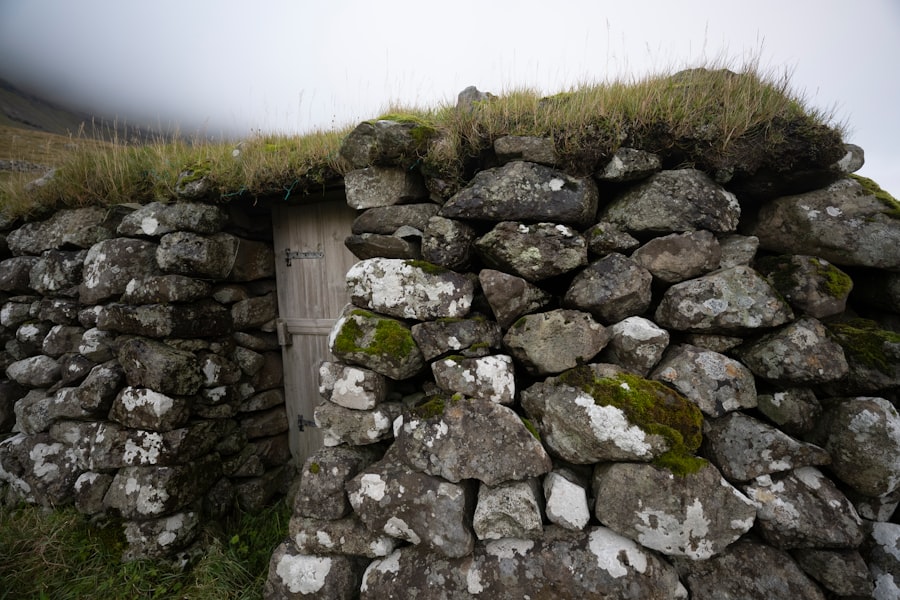
Examining specific archaeological sites provides concrete examples of Neolithic communal buildings and illuminates their diverse forms and functions. These case studies offer tangible evidence of how early societies translated abstract needs into physical structures.
Çatalhöyük: A Dense Urban Precursor
The Neolithic settlement of Çatalhöyük in modern-day Turkey is renowned for its dense, tightly packed dwellings, where houses were built directly on top of one another. However, evidence suggests the existence of larger, more public spaces.
Large Structures and Their Potential Functions
Within the densely packed mounds of Çatalhöyük, archaeologists have identified larger structures that appear to have served functions beyond individual domestic use. These might have been used for feasting, rituals, or as communal storage areas. The precise interpretation of these spaces remains a subject of ongoing research.
The Significance of Wall Paintings and Symbolism
Çatalhöyük is famous for its vibrant wall paintings, some of which are found in larger structures. These paintings, depicting animals, human figures, and geometric patterns, offer insights into the symbolic world and belief systems of its inhabitants, potentially indicating ritualistic or mythological importance of these communal spaces.
Skara Brae: A Village of Connected Dwellings
The Neolithic village of Skara Brae in Orkney, Scotland, offers a remarkable glimpse into a well-preserved settlement. While individual dwellings are clearly defined, the overall layout suggests a high degree of social integration.
The “House” as a Communal Unit
At Skara Brae, the houses are interconnected by low, covered passages, suggesting a sense of communal living and shared space. The central “wattle house” or “hall,” though debated in its exact function, may have served as a gathering place for the entire village.
Evidence of Shared Resources and Cooperation
The sophisticated drainage systems and the shared use of resources within Skara Brae indicate a high level of cooperation and organization among its inhabitants, with communal buildings playing a role in facilitating this integrated lifestyle.
Göbeklitepe: A Monumental Enigma
Göbeklitepe in southeastern Turkey predates many known Neolithic settlements and is characterized by its massive, megalithic structures. Its function remains a subject of intense debate, but it is widely believed to have been a ritualistic or ceremonial center.
The Scale and Purpose of Megalithic Structures
The sheer scale of the enclosures and the elaborately carved T-shaped pillars at Göbeklitepe suggest a monumental undertaking that required immense collaborative effort. Its purpose as a gathering place for complex rituals or astronomical observations is strongly considered.
Rethinking the Origins of Social Organization
Göbeklitepe challenges conventional timelines for the development of complex social organization and monumental architecture, suggesting that communal endeavors of significant scale may have existed even before the full development of agriculture.
The study of Neolithic communal buildings has revealed fascinating insights into the social structures of ancient societies. These structures often served as gathering places, reflecting the communal spirit of the time. A related article explores the intriguing field of archaeoacoustics, shedding light on how sound played a role in these ancient communal spaces. For more information on this captivating subject, you can read the article on archaeoacoustics and its connection to Neolithic architecture.
The Enduring Legacy of Neolithic Communal Buildings
| Site | Location | Size | Function |
|---|---|---|---|
| Göbekli Tepe | Turkey | Up to 15 meters tall | Ritual and ceremonial purposes |
| Skara Brae | Scotland | 8 stone houses | Residential |
| Knap of Howar | Scotland | Two farmsteads | Residential and agricultural |
The communal buildings of the Neolithic period were more than just architectural marvels; they were testaments to the evolving social consciousness of early humanity. They represent a crucial step in the development of human societies, demonstrating an increasing capacity for cooperation, organization, and collective identity.
The Foundation for Later Civilizations
The principles of communal living, resource management, and organized labor that were honed through the construction and use of these early communal buildings provided a foundational blueprint for the development of larger, more complex societies and eventually, civilizations.
From Village Halls to Temples and Palaces
The evolution from simple communal halls to the grand temples, palaces, and public spaces of later civilizations can be traced back to the innovative spirit and organizational prowess demonstrated by Neolithic communities in their collective building efforts.
The Concept of Public Space
The very idea of shared public space, a concept central to modern urban life and social interaction, has its roots in these early communal buildings. They established the precedent for dedicated spaces where community members could come together for a variety of purposes.
A Window into Early Human Social Dynamics
Studying Neolithic communal buildings offers an invaluable window into the social dynamics, belief systems, and organizational capacities of our early ancestors. They reveal a humanity that was not merely surviving, but actively shaping its environment and its social fabric.
Understanding Collective Action and Cooperation
These structures are tangible proof of humanity’s innate capacity for collective action and cooperation. They highlight how shared goals and a sense of common purpose could drive individuals to undertake monumental tasks.
The Dawn of Shared Consciousness
Ultimately, Neolithic communal buildings stand as powerful symbols of a dawning shared consciousness. They represent the moment when humans began to truly think and act as a collective, laying the groundwork for the complex and interconnected world we inhabit today. The echoes of their shared endeavor resonate through the millennia, reminding us of the enduring power of unity and common purpose.

The World Beyond Göbekli Tepe Is Far Bigger Than We Thought
FAQs
What is a Neolithic communal building?
A Neolithic communal building is a large structure built during the Neolithic period, typically used for communal activities such as rituals, ceremonies, and gatherings. These buildings were often constructed using timber posts, wattle and daub walls, and thatched roofs.
Where were Neolithic communal buildings found?
Neolithic communal buildings have been found in various locations around the world, including Europe, the Middle East, and Asia. Some well-known examples include the longhouses of the Linear Pottery culture in Central Europe and the stone-built structures of the Skara Brae settlement in Scotland.
What were the purposes of Neolithic communal buildings?
Neolithic communal buildings served as gathering places for the community, where various activities such as feasting, religious ceremonies, and social gatherings took place. They also provided shelter and storage space for the community’s resources.
How were Neolithic communal buildings constructed?
Neolithic communal buildings were typically constructed using timber posts for the framework, with walls made of wattle and daub, and roofs thatched with straw or reeds. The construction process would have required significant labor and coordination within the community.
What can we learn from Neolithic communal buildings?
Studying Neolithic communal buildings can provide insights into the social organization, religious beliefs, and daily life of Neolithic communities. The layout and design of these structures can also offer clues about the community’s relationship with the environment and their use of resources.