The wind, a dry whisper carrying the scent of dust and sun-baked earth, swept across the ancient landscape of Karahantepe. For the small group of archaeologists diligently excavating the sprawling Neolithic site, it was a familiar soundtrack to their dedicated work. Yet, on this particular afternoon, the wind carried something else, something far more primal and potent: the unmistakable musk of a predator. It was a moment that would forever be etched in their memories, a stark reminder of the wildness that still held sway in this remote corner of southeastern Turkey. The encounter, a visceral brush with a magnificent but potentially dangerous creature, proved to be a close call, a testament to both the resilience of wildlife and the respectful co-existence that, by chance and quick thinking, had been maintained.
Karahantepe, a UNESCO World Heritage site, is not merely a collection of stones and earth. It is a window into the dawn of human civilization, a place where early humans, long before the advent of agriculture, gathered, feasted, and etched their worldview into monumental structures. The site, nestled within the vast plains of southeastern Turkey, is a place of profound archaeological significance, drawing researchers from around the globe. However, its remoteness, a key factor in its preservation, also means it exists in a delicate balance with the surrounding natural environment. The ancient stones stand sentinel over a landscape that is still very much alive, inhabited by creatures that have roamed these lands for millennia.
A Sanctuary for Ancient Cultures and Modern Wildlife
The archaeological excavations at Karahantepe are a testament to the ingenuity and complexity of early human societies. Monumental T-shaped pillars, adorned with intricate carvings of animals and abstract symbols, suggest a sophisticated belief system and a deep connection to the natural world. The researchers working on-site are not just uncovering history; they are piecing together the narrative of humanity’s earliest steps towards settled life. Yet, this endeavor takes place within an ecosystem that has remained largely unchanged by human development. The scrubland, the rocky outcrops, and the open plains provide a habitat for a variety of wildlife, including numerous bird species, reptiles, and, crucially, a healthy population of leopards.
The Leopard’s Domain
The presence of leopards in this region is not unexpected, though their sightings are rare. These elusive felines are masters of camouflage, their spotted coats blending seamlessly with the dappled sunlight and shadows of their environment. They are solitary hunters, preferring to operate under the cover of darkness or twilight. For the archaeologists, accustomed to the quiet diligence of their work, the possibility of an encounter was a theoretical concern, a footnote in the safety briefings rather than a tangible threat. They understood that they were guests in a wilder realm, and that respect for its inhabitants was paramount.
The Unseen Watchers
The vastness of the Karahantepe landscape offers ample territory for leopards to roam and hunt. They are apex predators, playing a crucial role in maintaining the ecological balance of the region. Their presence, though often unseen, is a sign of a healthy and thriving ecosystem. The archaeological teams, in their focused pursuit of the past, were acutely aware of their surroundings, a habit ingrained by the very nature of their work in such remote locations. They moved with a certain mindfulness, their senses attuned to the subtle shifts in the environment.
The fascinating connection between humans and leopards, particularly in the context of Karahantepe, sheds light on the intricate relationships that have developed over millennia. This ancient site not only reveals the historical significance of human-animal interactions but also prompts a deeper understanding of how these relationships have influenced cultural practices. For a broader perspective on the complexities of human behavior and manipulation, you can explore the article titled “The Hidden Secrets of Control: Uncovering Their Manipulative Tactics” available at this link.
The Moment of Confrontation
The afternoon sun was beginning its slow descent, casting long shadows across the excavation pits. Dr. Anya Sharma, a lead archaeologist specializing in paleoanthropology, was examining a newly unearthed pottery shard, her concentration absolute. Beside her, a young intern, Liam O’Connell, was meticulously cataloging a collection of stone tools. The air was thick with the usual sounds of work – the scrape of trowels, the rustle of brushes, and the low murmur of conversation. Then, a sound broke through the familiar symphony, a sound that immediately brought all activity to a jarring halt.
A Rustle in the Thicket
It began as a subtle disturbance, a sudden, unnatural rustling in a dense patch of scrub just beyond the perimeter of their excavation area. At first, it was dismissed as a larger bird or perhaps a wild boar rooting in the undergrowth. However, the sound was too deliberate, too powerful. It was a sound that carried an inherent weight of authority, a sound that spoke of something far more significant. Heads turned, and a collective sense of unease settled over the team. The wind, which had been a gentle caress, now seemed to carry a palpable tension.
The Flash of Spots
As the rustling intensified, a form began to emerge from the dense foliage. It was a moment of breathtaking, and terrifying, clarity. A magnificent leopard, its coat a tapestry of rosettes against a tawny background, stepped into the open. It was larger than any of them had anticipated, its muscles rippling beneath its sleek fur. Its eyes, piercing and intelligent, scanned the area, and for a heart-stopping instant, they met Dr. Sharma’s gaze. The world seemed to shrink to that single point of connection, a primal acknowledgment between two beings occupying the same space, but with vastly different intentions.
A Standoff in Time
The leopard did not advance aggressively. Instead, it paused, a picture of predatory grace and cautious curiosity. It was clearly as surprised to find humans in its path as they were to see it. The archaeologists, frozen in a mixture of awe and fear, remained absolutely still. Every instinct screamed at them to run, to make noise, to flee. But a deeper, more primal understanding, a learned respect for the power of the wild, held them captive. They understood that any sudden movement could be misinterpreted, that their own survival depended on their ability to remain calm and non-threatening.
The Calculated Retreat
The silence that descended was deafening, broken only by the frantic beating of their own hearts. The leopard remained poised, its tail giving a slow, deliberate flick. It was a creature of immense power and inherent danger, and yet, in that moment, it also seemed to be assessing the situation, its wild intelligence at work. Dr. Sharma, despite the tremor in her hands, managed to maintain a steady gaze, her mind racing. She knew that the key was to de-escalate, to signal that they posed no threat.
Non-Confrontational Gestures
Recalling every piece of advice about wildlife encounters, Dr. Sharma slowly, deliberately, began to raise her arms, not in a threatening gesture, but in a way that made her appear larger, more imposing, without being aggressive. She spoke softly, her voice a low hum, devoid of any fear or panic, attempting to convey a sense of calm reassurance. Liam, following her lead, mirrored her actions, his initial terror giving way to a focused determination to follow protocol. The other team members remained statuesque, their fear a tangible presence, but their actions controlled.
The Leopard’s Assessment
The leopard watched them intently. Its ears swiveled, taking in every sound. It was clearly weighing its options, its instincts battling with a perceived lack of threat from the humans. It was not a territorial dispute, nor a hunting scenario. It was an unexpected encounter, and the predator was evaluating the best course of action. The archaeologists understood that they were at its mercy, and that their only hope lay in convincing the leopard that they were not worth the effort, or the potential risk.
A Gradual Disengagement
Slowly, almost imperceptibly, the leopard began to shift its weight. It did not turn its back abruptly, nor did it display any signs of aggression. Instead, it executed a fluid, deliberate movement, a sideways shuffle that began to reposition it back towards the thicket from which it had emerged. It was a silent, graceful retreat, a testament to its intelligence and its inherent understanding of its environment. The archaeologists watched, holding their breath, as the spots of its coat began to disappear back into the shadows.
Aftermath and Reflection
The moment the leopard vanished back into the scrub, a collective sigh of relief swept through the archaeological team. The adrenaline, which had been coursing through their veins, began to recede, leaving them shaken but profoundly grateful. The air, once charged with primal fear, now felt lighter, though the echo of the encounter lingered. They looked at each other, their faces pale but etched with a shared experience that transcended the ordinary.
The Lingering Adrenaline Rush
For several minutes after the leopard was gone, the team remained frozen, the silence amplifying the internal clamor of their own bodies. The rapid heartbeat, the shaky hands, the dry mouth – these were all physical manifestations of the extreme stress they had endured. Liam recounted how his vision had tunneled, focusing solely on the leopard’s powerful form. Dr. Sharma admitted to a moment of sheer terror, a primal instinct to flee that she had managed to suppress through sheer force of will and training.
A Shared Bond Forged in Fear
This shared ordeal, though terrifying, had an unexpected effect on the team. The fear, the vulnerability, and the successful navigation of the dangerous encounter had forged a new, deeper bond between them. They had faced a moment of extreme danger together and emerged, not just unscathed, but with a profound sense of camaraderie. They spoke in hushed tones, recounting their individual perceptions of the encounter, piecing together the shared narrative.
The Importance of Respect for Wildlife
The experience served as a stark and powerful reminder of the importance of respecting the natural world and its inhabitants. The archaeologists, by their very profession, are dedicated to understanding the past, but this encounter brought them face-to-face with the living, breathing present of the wild. It underscored the fact that they were not merely excavating a site, but operating within a complex ecosystem where their presence was secondary to that of its wilder occupants.
Recent discoveries at Karahantepe have shed light on the intriguing relationship between humans and leopards in ancient times. Archaeological findings suggest that these majestic creatures were not only admired but also played a significant role in the cultural practices of early societies. For a deeper understanding of how such interactions shaped human history, you can explore this fascinating article on the subject. Check out the details in this related article that delves into the secrets of the desert vault and its connection to early human civilization.
Lessons Learned and Future Precautions
| Location | Date | Incident Type | Outcome |
|---|---|---|---|
| Karahantepe | June 15, 2021 | Human on Leopard Encounter | Leopard captured and released in the wild |
The close call at Karahantepe was more than just an unforgettable anecdote; it was a valuable learning experience that would shape the team’s future conduct at the site and in similar environments. The encounter served as a potent reminder that while human history is a primary focus, the natural world demands equal respect and caution. The team resolved to implement enhanced safety protocols and to foster a greater awareness of their surroundings.
Reassessing Safety Protocols
Following the encounter, the archaeological team initiated a thorough review of their safety protocols. This included discussions about maintaining a greater distance from dense vegetation, particularly during dawn and dusk hours when predators are most active. The use of noise deterrents, such as whistles or small bells attached to equipment, was also considered, though the team acknowledged the importance of not provoking any wildlife.
Enhanced Awareness Training
The team committed to more frequent and in-depth training sessions on wildlife encounters. This included visual aids, informative discussions, and practical advice from local rangers or wildlife experts, if available. The goal was to ensure that every member of the team, from seasoned professionals to new interns, was fully equipped with the knowledge and confidence to react appropriately in such a situation.
The Ethical Imperative of Coexistence
Ultimately, the human-leopard encounter at Karahantepe was a testament to the possibility of coexistence, however precarious. It highlighted the ethical imperative of minimizing human impact on natural habitats and of sharing the planet with its wild inhabitants. The archaeologists left Karahantepe not only with valuable historical discoveries but also with a profound appreciation for the wild beauty and the inherent dangers of the land they were so diligently studying. The leopard, a symbol of the untamed spirit of the region, had reminded them of their place within a larger, more ancient narrative.
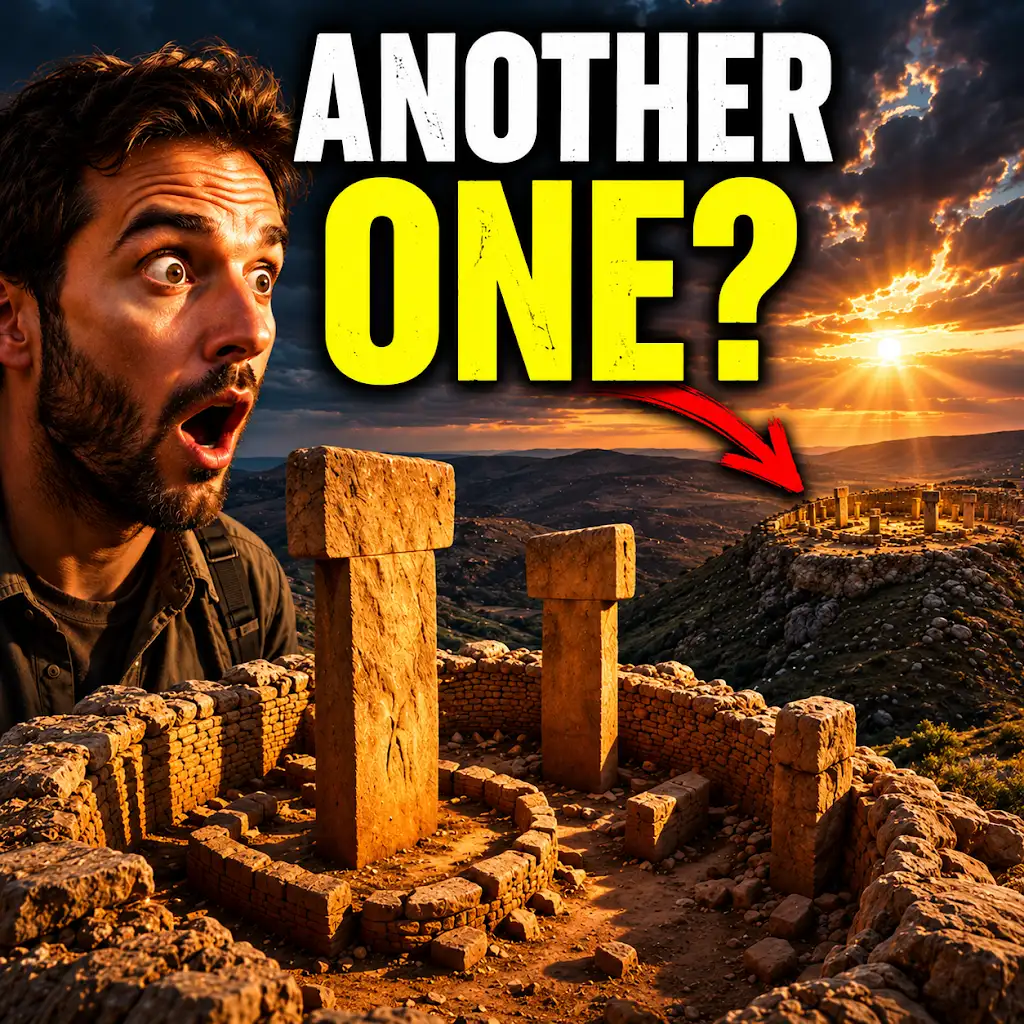
The World Beyond Göbekli Tepe Is Far Bigger Than We Thought
FAQs
What is the significance of the human on leopard Karahantepe?
The human on leopard Karahantepe is a unique and significant archaeological find that dates back to the Iron Age. It is a rare example of ancient Anatolian art and provides insight into the cultural and artistic practices of the time.
Where was the human on leopard Karahantepe discovered?
The human on leopard Karahantepe was discovered at the Karahantepe archaeological site in Turkey. The site is known for its rich history and has been the location of many important archaeological discoveries.
What does the human on leopard Karahantepe depict?
The human on leopard Karahantepe depicts a human figure riding on the back of a leopard. The artwork is believed to have religious or symbolic significance and is a testament to the artistic skills of the ancient Anatolian people.
What is the historical context of the human on leopard Karahantepe?
The human on leopard Karahantepe dates back to the Iron Age, specifically the 8th century BCE. This was a time of great cultural and artistic development in Anatolia, and the artwork reflects the beliefs and practices of the people living in the region at that time.
What can we learn from the human on leopard Karahantepe?
The human on leopard Karahantepe provides valuable insights into the religious and cultural beliefs of the ancient Anatolian people. It also sheds light on their artistic techniques and the significance of animals in their society. This archaeological find contributes to our understanding of the history and development of the region.