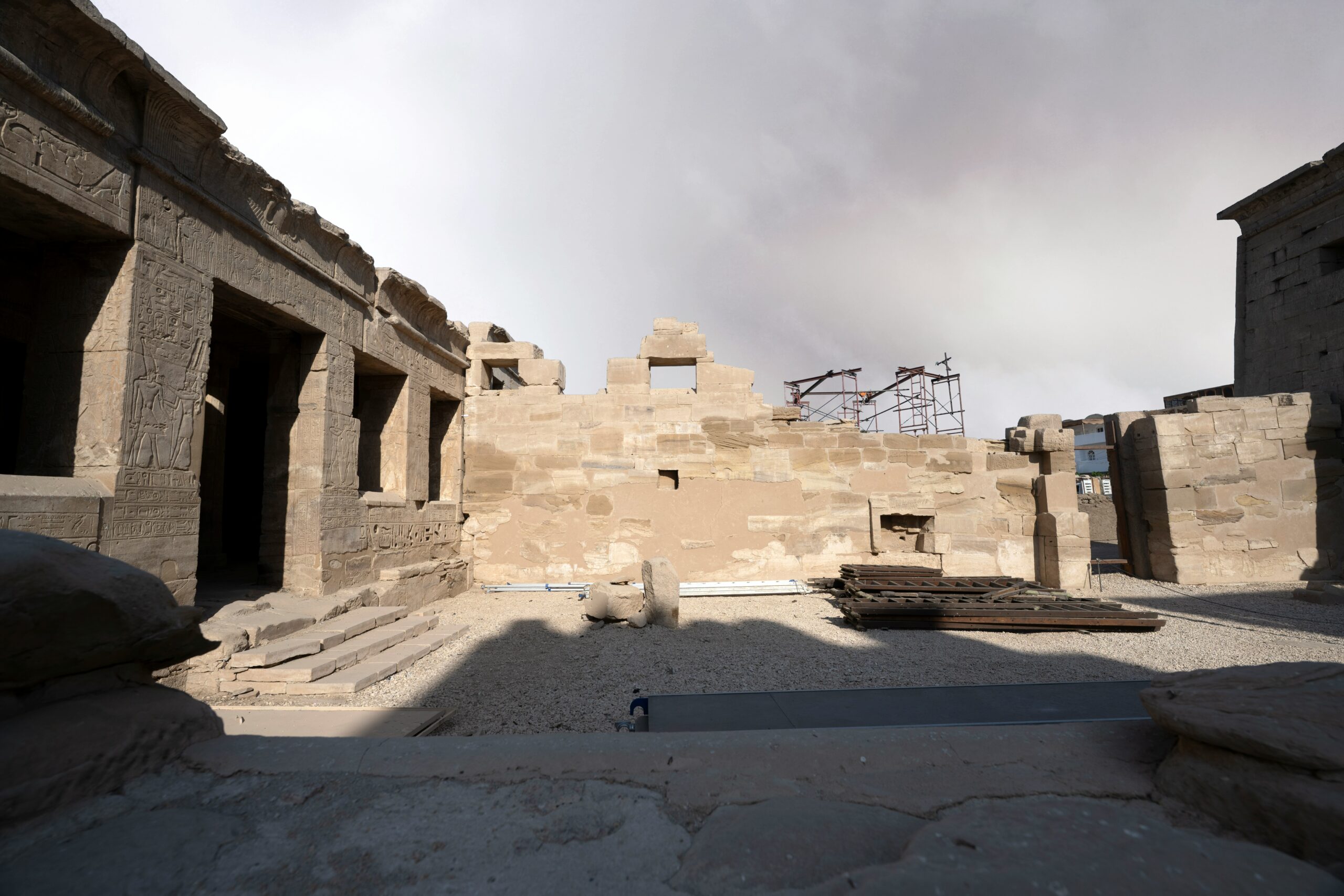
For millennia, the earth has held its secrets close, whispering tales of forgotten civilizations to the wind and the rain. Yet, in the fertile crescent of southeastern Turkey, a remarkable series of discoveries is actively unearthing these ancient narratives, painting a vivid and groundbreaking picture of early human history. The Taş Tepeler, meaning “Stone Hills” in Turkish, is a vast archaeological region that has become a focal point for some of the most significant findings of the 21st century, challenging long-held assumptions about the dawn of human civilization.
The Taş Tepeler archaeological project is not a single excavation, but rather a sprawling network of sites collectively representing a hitherto largely unknown Neolithic landscape. Spanning across Şanlıurfa and Adıyaman provinces, this region has revealed monumental structures, intricate carvings, and evidence of complex social organization dating back to the Pre-Pottery Neolithic period, a time when humans were transitioning from nomadic hunter-gatherer lifestyles to settled agricultural communities.
A Monumental Scale of Discovery
The sheer scale of the discoveries within Taş Tepeler is staggering. Unlike isolated findings, this project encompasses numerous settlements and ritualistic centers, suggesting a highly developed society with a shared culture and belief system. The most famous among these is Göbeklitepe, often referred to as the “world’s first temple,” but Taş Tepeler is revealing that Göbeklitepe was not an anomaly but part of a much larger cultural phenomenon. This regional approach allows archaeologists to reconstruct a more holistic understanding of early human life, moving beyond individual sites to comprehend the interconnectedness of these ancient communities. The ongoing work in the Taş Tepeler region is promising to rewrite textbooks on the origins of agriculture, religion, and monumental architecture.
Challenging Existing Paradigms
The findings from Taş Tepeler are fundamentally altering our understanding of the Neolithic Revolution. For decades, the prevailing theory suggested that agriculture, with its promise of food security, was the primary driver of settled life and the subsequent development of complex societies. However, the evidence from Taş Tepeler points to a different sequence. It appears that sophisticated social structures, elaborate ritualistic practices, and monumental construction preceded widespread agriculture in this region. This suggests that the desire for communal gathering, spiritual expression, and collective endeavor may have been the initial catalysts for sedentary living and the development of new technologies, including farming.
The Role of International Collaboration
The success of the Taş Tepeler project is a testament to the power of international collaboration. Turkish archaeologists, led by institutions like the Şanlıurfa Museum Directorate and supported by the Ministry of Culture and Tourism, are working alongside teams from universities and research institutes across the globe. This multidisciplinary approach brings diverse expertise, advanced technologies, and fresh perspectives to the excavation and interpretation of the findings. The exchange of knowledge and methodologies is crucial for unraveling the complexities of these ancient sites and ensuring their responsible preservation for future generations.
The recent archaeological discoveries at Taş Tepeler have shed light on ancient civilizations and their complex societal structures. These findings not only enhance our understanding of historical human behavior but also draw intriguing parallels to modern economic trends. For instance, the article on the reshoring impact on the US economy discusses how returning manufacturing jobs can influence community development, much like how ancient societies thrived through local resource management and trade. To explore this connection further, you can read the article here: The Reshoring Impact on US Economy.
Göbeklitepe: The Genesis of Monumental Construction
While Taş Tepeler is a broader regional designation, Göbeklitepe stands as its most iconic and revolutionary discovery. Situated atop a mountain ridge, this UNESCO World Heritage Site has reshaped our understanding of early human capabilities and motivations. Its existence predates Stonehenge and the Egyptian pyramids by thousands of years, forcing a re-evaluation of when and why humans began constructing such massive and sophisticated structures.
The T-Shaped Pillars: Symbols of Power and Belief
The hallmark of Göbeklitepe is its numerous massive, T-shaped limestone pillars, some weighing several tons and standing up to 5.5 meters tall. These pillars are intricately carved with relief images of animals – lions, boars, foxes, snakes, and birds – as well as abstract symbols. The exact meaning of these carvings remains a subject of intense debate, but they are widely believed to represent a complex cosmology, shamanistic beliefs, or the depiction of powerful animal spirits central to the spiritual life of the people who built Göbeklitepe. The lack of evidence for domestic habitation at the site suggests its primary function was ritualistic, a communal gathering place for ceremonies and perhaps storytelling.
The Enigmatic Builders: A Hunter-Gatherer Society
One of the most perplexing aspects of Göbeklitepe is its construction by a hunter-gatherer society. The prevailing archaeological consensus was that such monumental undertakings required the labor and organization made possible by settled agricultural communities. However, Göbeklitepe was constructed approximately 11,600 years ago, long before the widespread adoption of farming in the region. This implies that these early humans possessed a level of social cohesion, organizational capacity, and shared ideology that allowed them to mobilize labor for large-scale projects, possibly driven by spiritual or communal needs. The meticulous planning and execution of the site challenge the traditional linear progression of societal development.
The Mystery of Its Abandonment
Despite its monumental scale and apparent significance, Göbeklitepe was intentionally buried and abandoned around 8,000 BCE. The reasons for this deliberate infilling remain a profound mystery. Theories range from environmental shifts that made the site untenable to the possibility that its purpose evolved, and it was superseded by new ritualistic centers. The act of burying such a significant site suggests a conscious decision, perhaps a ritualistic closure or a desire to preserve it for posterity, though the motives behind this massive undertaking continue to elude researchers.
Karahan Tepe: A Sister Site of Göbeklitepe
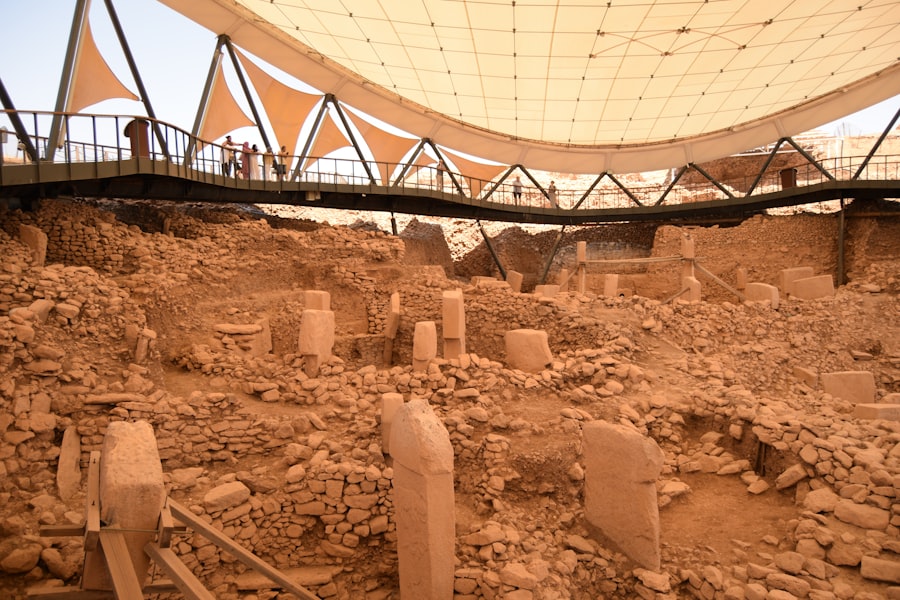
While Göbeklitepe garnered global attention, the broader Taş Tepeler region has revealed other sites of immense archaeological importance, with Karahan Tepe emerging as a significant “sister site.” Located a relatively short distance from Göbeklitepe, Karahan Tepe shares many of its architectural and artistic characteristics, further solidifying the idea of a widespread cultural complex.
Shared Iconography and Architectural Styles
Karahan Tepe features striking similarities to Göbeklitepe, including the presence of large, carved T-shaped pillars arranged in circular enclosures. The animal reliefs and abstract symbols found at Karahan Tepe echo the iconography of Göbeklitepe, suggesting a shared cosmological framework and artistic tradition among the communities that inhabited these sites. The discovery of similar structures and motifs strengthens the hypothesis that these were not isolated developments but part of a coherent cultural phenomenon that spanned a considerable geographical area.
Evidence of Early Rituals and Social Gatherings
Excavations at Karahan Tepe have provided further insights into the ritualistic activities that took place at these sites. Evidence suggests that these were not merely places of worship but also venues for communal gatherings, feasting, and perhaps important social ceremonies. The presence of hearths, tools, and discarded animal bones indicates that people congregated here for extended periods, engaging in activities that fostered social cohesion and shared identity. The scale of these gatherings would have required a significant degree of organization and cooperation.
A Glimpse into Daily Life
While Göbeklitepe appears to have been primarily a ceremonial site, Karahan Tepe may offer a more nuanced glimpse into the daily lives of the people associated with it. While still largely a ritualistic complex, some evidence suggests potential co-location with, or proximity to, nascent settlements. This offers a more layered understanding of how these monumental constructions were integrated into the lives of the communities that built and utilized them, hinting at a growing interdependence between ritualistic practice and the developing social fabric.
Other Key Discoveries in the Taş Tepeler Region

The Taş Tepeler region is a treasure trove of archaeological wonders, with numerous other sites contributing to our understanding of this pivotal period in human history. Beyond Göbeklitepe and Karahan Tepe, ongoing excavations at various locations are unearthing new layers of information about the lives, beliefs, and innovations of these early peoples.
Sayburç: The Earliest Evidence of Village Life
Sayburç is another crucial site within Taş Tepeler that is pushing back the timeline for settled village life. This site has yielded evidence of organized settlements dating to around 10,000 BCE, demonstrating that sedentary communities were emerging concurrently with, or even prior to, the construction of monumental ritualistic centers like Göbeklitepe. The findings at Sayburç include evidence of permanent dwellings, communal storage facilities, and early forms of social organization within these early villages.
The Significance of Animal Depictions
Across many of the Taş Tepeler sites, the recurring theme of animal depictions is a striking feature. The detailed and often dynamic carvings of animals like aurochs, wild boars, foxes, and various birds are not merely decorative. Archaeologists are interpreting these depictions as integral to the belief systems and worldview of these early societies. They may represent totemic animals, mythological beings, or perhaps even early attempts at cataloging the natural world that was so vital to their survival and spiritual understanding. The repeated portrayal of specific animals suggests a shared cultural narrative and symbolic language.
Early Forms of Art and Symbolism
The art found at Taş Tepeler is remarkably sophisticated for its age. The relief carvings showcase a high level of artistic skill and a complex understanding of form and composition. Beyond the animal figures, abstract symbols and geometric patterns are also present, hinting at the development of symbolic language and early forms of abstract thought. The consistent use of certain motifs across different sites suggests a shared cultural vocabulary and a means of communicating complex ideas without the need for written language, which would emerge much later.
The recent archaeological discoveries at Taş Tepeler have shed light on ancient human settlements and their interactions with the environment. These findings are particularly relevant in the context of understanding how climate change has influenced human history. For a deeper exploration of this topic, you can read about the impact of environmental shifts on civilizations in the article titled The Climate Change Chronicles. This resource provides valuable insights into how past societies adapted to changing climates, paralleling the narratives emerging from the Taş Tepeler site.
Implications for Understanding Human History
| Discovery | Year | Significance |
|---|---|---|
| Tumulus Excavation | 1963 | Unearthed ancient burial chambers and artifacts |
| Stone Tools | 1978 | Revealed early human occupation in the area |
| Rock Paintings | 2005 | Provided insights into prehistoric art and culture |
The discoveries in the Taş Tepeler region are not just about unearthing ancient artifacts; they are fundamentally rewriting the narrative of human civilization. They force us to re-examine our assumptions about what constituted “civilization” and the drivers behind its emergence.
Redefining the Neolithic Revolution
The most profound implication of Taş Tepeler is its challenge to the traditional model of the Neolithic Revolution. The idea that agriculture was the sole or primary catalyst for settled life and complex societies is being questioned. The evidence suggests that in this region, the development of complex social structures, elaborate ritualistic practices, and monumental construction may have preceded or run parallel to the widespread adoption of agriculture. This implies that social and spiritual needs might have been as significant, if not more so, in driving the transition to sedentary lifestyles.
The Dawn of Religion and Social Organization
Taş Tepeler provides invaluable insights into the very beginnings of organized religion and complex social structures. The monumental architecture and the intricate symbolism found at sites like Göbeklitepe indicate that these early communities possessed sophisticated belief systems and the capacity for large-scale collective action. The ability to mobilize labor for such ambitious projects suggests a well-developed social hierarchy and a shared ideology that bound people together. These findings offer a unique window into the emergence of human spirituality and the foundations of social organization.
A New Perspective on Human Ingenuity
The ingenuity of the builders of Taş Tepeler is undeniable. Their ability to quarry, transport, and erect massive stone structures without the benefit of advanced technology speaks volumes about their understanding of engineering, problem-solving, and resource management. The intricate carvings further demonstrate their artistic skill and their capacity for abstract thought and symbolic representation. These discoveries reveal a level of human capability and creativity in the deep past that continues to inspire awe and wonder. The ongoing work in Taş Tepeler promises to continue unearthing secrets, pushing the boundaries of our understanding of our ancient ancestors and their remarkable achievements.

The World Beyond Göbekli Tepe Is Far Bigger Than We Thought
FAQs
What are the Taş Tepeler archaeological discoveries?
The Taş Tepeler archaeological discoveries refer to the findings at the Taş Tepeler site in Turkey, which include ancient artifacts, structures, and evidence of human habitation dating back to various periods of history.
When were the Taş Tepeler archaeological discoveries made?
The Taş Tepeler archaeological discoveries were made over a period of time, with initial excavations and findings dating back to the 1960s. Subsequent excavations and research have continued to uncover new discoveries at the site.
What kind of artifacts have been found at the Taş Tepeler site?
Artifacts found at the Taş Tepeler site include pottery, tools, jewelry, and other items that provide insight into the daily lives, customs, and technologies of the people who inhabited the area during different historical periods.
What historical periods do the Taş Tepeler discoveries cover?
The Taş Tepeler discoveries cover a wide range of historical periods, including the Neolithic, Chalcolithic, Bronze Age, and Iron Age, providing a comprehensive understanding of the area’s cultural and historical development.
What significance do the Taş Tepeler archaeological discoveries hold?
The Taş Tepeler archaeological discoveries are significant in contributing to our understanding of ancient civilizations, trade networks, social structures, and technological advancements in the region. They also shed light on the cultural and historical connections between different periods of human history.