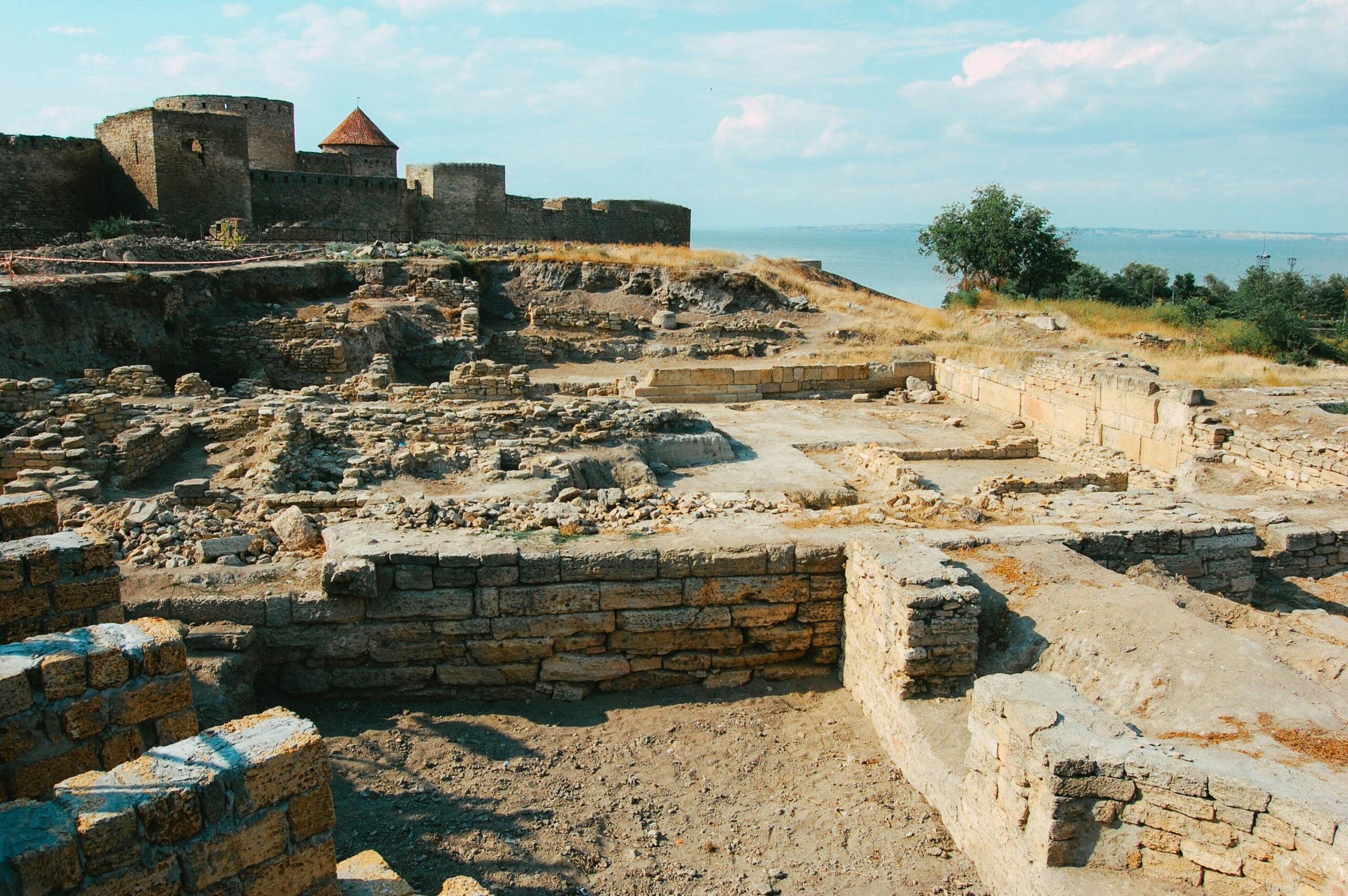
The Anatolian plateau, a vast and historically rich expanse in modern-day Turkey, has long been a cradle of human civilization. While icons like Göbeklitepe have rightfully captured global attention, a groundbreaking archaeological project, Taş Tepeler, is steadily revealing an even more extensive and complex tapestry of early human achievement. This ambitious undertaking, encompassing a network of prehistoric sites across southeastern Turkey, is pushing back the boundaries of our understanding of Neolithic life, revealing sophisticated societies that thrived millennia before previously imagined. The Taş Tepeler (Stone Hills) project is not just uncovering ancient settlements; it is rewriting the narrative of our ancestral past.
The Genesis of the Taş Tepeler Project
The Taş Tepeler project is a testament to collaborative archaeological endeavor, bringing together Turkish and international researchers. It focuses on a series of megalithic structures and settlements dating back to the Pre-Pottery Neolithic period, a crucial era when humanity transitioned from nomadic hunter-gatherer lifestyles to settled agriculture and monumental construction. The sheer scale and density of these discoveries have necessitated a coordinated approach, with multiple excavation teams working concurrently to decipher the secrets held within these ancient landscapes. The project’s name itself, “Stone Hills,” aptly describes the numerous mounds (tepeler) that dot the region, each potentially concealing a trove of historical and anthropological information.
A Multidisciplinary Approach to Ancient Landscapes
The success of the Taş Tepeler project hinges on its comprehensive, multidisciplinary approach. Beyond traditional archaeological excavation, the project integrates geological surveys, environmental studies, paleobotany, zooarchaeology, and advanced dating techniques. This integrated methodology allows researchers to reconstruct not only the physical structures and artifacts but also the ecological context, diet, and social organization of the communities that inhabited these sites. The use of remote sensing technologies, such as Lidar, has been instrumental in identifying buried structures and mapping the wider settlement patterns, revealing a level of interconnectedness between these prehistoric sites that was previously unseen.
Recent discoveries in Taş Tepeler, Türkiye, have shed light on the region’s rich archaeological history, revealing intricate structures and artifacts that date back thousands of years. These findings contribute to our understanding of ancient civilizations in the area. For those interested in exploring related geological phenomena, an intriguing article titled “Unveiling the Antarctic Ice Cap: Seismic Profile” discusses seismic profiling techniques that can uncover hidden landscapes beneath ice, much like the archaeological techniques used in Taş Tepeler. You can read more about it here: Unveiling the Antarctic Ice Cap: Seismic Profile.
Karahan Tepe: A Precursor to Göbeklitepe?
While Göbeklitepe remains the undisputed centerpiece of early monumental architecture, the ongoing excavations at Karahan Tepe, another key site within the Taş Tepeler region, are yielding discoveries that suggest even earlier origins for complex ritualistic practices and communal gatherings. Karahan Tepe’s findings are challenging established timelines and prompting a re-evaluation of the very definition of “monumental” in the Neolithic context. The scale of construction and the intricacy of the carvings found at Karahan Tepe point towards a highly organized society capable of mobilizing significant labor and possessing a sophisticated understanding of their environment and cosmology.
Unveiling the Enigmatic Stelae of Karahan Tepe
One of the most striking revelations from Karahan Tepe is the discovery of numerous T-shaped limestone stelae, similar in form to those found at Göbeklitepe but with distinct stylistic variations and iconographic elements. These stelae, often intricately carved with depictions of animals, human figures, and abstract symbols, are believed to have served important ritualistic and symbolic functions. Researchers are meticulously documenting the placement and orientation of these stelae within the excavated structures, hoping to decipher their narrative meaning and their role in the spiritual life of the community. The diversity of imagery suggests a rich symbolic language, possibly related to beliefs about the natural world, fertility, and the cycles of life and death.
The Animal Motifs: A Glimpse into Neolithic Cosmology
The recurring animal motifs carved onto the stelae of Karahan Tepe offer a captivating window into the worldview of its inhabitants. Lions, boars, bulls, foxes, and various birds are frequently depicted, often rendered with remarkable naturalism. These animals were likely not merely decorative but held significant symbolic meaning, perhaps representing deities, spirits, or important aspects of the natural environment that sustained these communities. The dynamic poses and the detailed rendering suggest a deep observational understanding of animal behavior and a profound connection to the wild. Scholars are analyzing these depictions in comparison to similar iconography from other Neolithic sites to identify potential shared cultural narratives and belief systems.
Human Figures and Abstract Symbols: Decoding a Lost Language
The human figures found at Karahan Tepe are often stylized and enigmatic, lacking clear individualistic features. This may suggest a focus on communal identity or the representation of archetypal figures rather than specific individuals. In conjunction with these human forms, abstract symbols also appear, their meanings currently beyond our grasp. These symbols could represent clan affiliations, astronomical observations, or even elements of a nascent writing system. The ongoing effort to decipher these visual languages is a central challenge for the Taş Tepeler project, promising to unlock deeper insights into the cognitive and symbolic world of these early peoples.
The Enigmatic Structures of Sipil Tepe
Another significant site contributing to the Taş Tepeler narrative is Sipil Tepe, where excavations are revealing a different facet of Neolithic life. While also featuring monumental elements, Sipil Tepe’s structures and artifacts suggest a more diversified use of space, potentially encompassing both residential and communal activities. The discoveries here are helping to paint a more nuanced picture of how these early communities organized themselves and utilized their built environments. The exploration of Sipil Tepe is particularly valuable for understanding the transition from purely ritualistic centers to more multifaceted settlements that supported daily life.
Dwellings and Communal Spaces: Understanding Daily Life
The excavation of what appear to be dwelling structures at Sipil Tepe is providing crucial information about the domestic lives of its inhabitants. Evidence of hearths, storage pits, and architectural layouts allows archaeologists to reconstruct living arrangements and understand how these early people organized their homes. In addition to these domestic spaces, larger communal areas have also been identified, suggesting places for shared meals, social gatherings, or perhaps craft production. The interplay between private and public spaces at Sipil Tepe offers a compelling insight into the social dynamics and daily routines of these ancient communities.
Evidence of Early Agriculture and Animal Domestication
The analysis of faunal and floral remains unearthed at Sipil Tepe is providing concrete evidence of early agricultural practices and animal domestication. The presence of cultivated grains and the bones of domesticated animals indicate a shift from reliance on hunting and gathering to a more managed food production system. This transition was a pivotal moment in human history, enabling population growth and the development of more complex societies. The specific crops cultivated and the types of animals domesticated at Sipil Tepe contribute to our understanding of the regional diffusion of these revolutionary technologies.
Craft Production and Toolmaking: Technological Advancements
Discoveries at Sipil Tepe also highlight significant advancements in craft production and toolmaking. Evidence of flintknapping workshops, the production of polished stone tools, and the creation of bone implements showcases the ingenuity and technical skills of these early artisans. The quality and diversity of the tools found suggest specialized roles within the community and a developing understanding of material properties and manufacturing techniques. These findings underscore the fact that the Neolithic period was not just about building monuments but also about developing the tools and technologies that supported settled life and further innovation.
Göbeklitepe’s Wider Context: The Taş Tepeler Network
The Taş Tepeler project is fundamentally changing how we view Göbeklitepe. Instead of an isolated marvel, it is now understood as a central node within a much larger and interconnected network of prehistoric settlements. The discoveries at sites like Karahan Tepe and Sipil Tepe demonstrate that Göbeklitepe was not a singular anomaly but part of a broader cultural phenomenon that shaped the region for millennia. This network of sites suggests a shared ideology, a common set of building practices, and perhaps even mechanisms for inter-site communication and trade.
The Interconnectedness of Prehistoric Settlements
The identification of similar architectural styles, iconographic motifs, and artifact types across the various Taş Tepeler sites strongly suggests a high degree of interconnectedness between these prehistoric communities. This network implies regular interaction, the exchange of ideas, and potentially the movement of people. Researchers are exploring potential routes of communication and travel, as well as the possibility of shared ritualistic pilgrimage to sites like Göbeklitepe. The concept of a “cultural landscape” encompassing these multiple sites is central to the Taş Tepeler project’s interpretation of this ancient era.
Shared Belief Systems and Ritual Practices
The recurring T-shaped pillars, the depiction of similar animal figures, and the presence of communal feasting areas across multiple Taş Tepeler sites point towards shared belief systems and ritual practices. These shared elements likely underpinned social cohesion and reinforced a sense of collective identity. The project aims to unravel the specifics of these belief systems, understanding how they might have influenced the construction of monumental structures and the organization of social life. The study of depositional patterns within ritual spaces also offers clues about the types of offerings or ceremonies performed.
The Economic and Social Implications of a Networked Society
The existence of a network of sophisticated prehistoric settlements has significant implications for understanding the economic and social organization of these early societies. It suggests the ability to mobilize resources and labor across a wider region, potentially for monumental construction projects or defense. Furthermore, the exchange of goods and ideas between these sites could have fostered innovation and economic specialization. The Taş Tepeler project is actively investigating the potential for trade routes and the economic basis for supporting such a dense concentration of complex communities.
Recent discoveries in the Taş Tepeler region of Turkey have shed light on the ancient civilizations that once thrived there, revealing intricate burial practices and advanced architectural techniques. These findings echo similar archaeological insights from other parts of the world, such as those discussed in an article about the mystical sound of Chavín de Huantar, which explores how sound played a significant role in the rituals of ancient cultures. For a deeper understanding of how these ancient societies utilized their environments, you can read more in this fascinating piece on the mystical sound of Chavín de Huantar.
The Future of Taş Tepeler: Ongoing Excavations and Future Discoveries
The Taş Tepeler project is still in its early stages, and the potential for future discoveries is immense. As excavations continue and new technologies are employed, our understanding of this pivotal period in human history will undoubtedly deepen. The sheer scale of the region and the density of undiscovered sites suggest that the Taş Tepeler findings will continue to surprise and enlighten us for decades to come. This ongoing exploration promises to rewrite our textbooks and offer a more profound appreciation for the ingenuity and complexity of our earliest ancestors.
Unraveling the Mysteries of the Neolithic Revolution
The Taş Tepeler discoveries are providing invaluable data for understanding the complex processes of the Neolithic Revolution. By revealing the scale and sophistication of early settled communities, the project is challenging long-held assumptions about the pace and nature of this transformative period. The insights gained from Taş Tepeler will contribute to a more nuanced global understanding of how humanity transitioned to agriculture, developed complex social structures, and began to leave its indelible mark on the landscape.
The Role of Climate and Environment in Early Settlements
Future research within the Taş Tepeler project will likely focus on further unraveling the interplay between climate and environment and the rise of these early settlements. Understanding the ecological conditions that supported such large populations and enabled complex construction is crucial for a complete picture. Paleoclimate data, combined with archaeological evidence, will help researchers reconstruct the environmental challenges and opportunities faced by these communities and how they adapted to them.
The Legacy of Taş Tepeler for Future Generations
The legacy of the Taş Tepeler project extends far beyond academic circles. It offers a profound connection to our ancestral past, reminding us of the enduring human drive for innovation, community, and meaning. By preserving and studying these ancient sites, we not only gain knowledge but also cultivate a deeper respect for the foundations upon which our modern world is built. The ongoing work at Taş Tepeler is a vital endeavor, ensuring that the stories of these early pioneers are not lost to time but continue to inspire and educate for generations to come.

The World Beyond Göbekli Tepe Is Far Bigger Than We Thought
FAQs
What is the significance of Taş Tepeler in Turkey archaeology?
Taş Tepeler, located in Turkey, is an important archaeological site that dates back to the Neolithic period. It is significant because it provides valuable insights into the early human settlements and cultural developments in the region.
What have archaeologists discovered at Taş Tepeler?
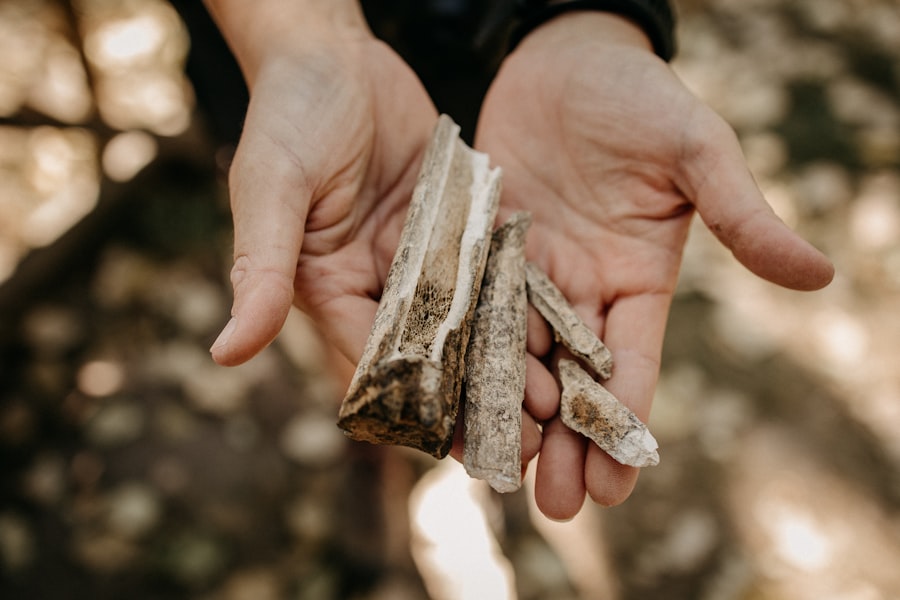
Archaeologists have uncovered various artifacts at Taş Tepeler, including pottery, tools, and human remains. These findings have helped researchers understand the lifestyle, technology, and social organization of the ancient inhabitants of the area.
How old is the archaeological site at Taş Tepeler?
The archaeological site at Taş Tepeler dates back to the Neolithic period, which began around 10,200 BC and ended between 4,500 and 2,000 BC. This means that the site is thousands of years old and provides a glimpse into early human history in the region.
What can visitors see at Taş Tepeler today?
Visitors to Taş Tepeler can see the remains of ancient structures, including houses and other buildings, as well as the artifacts that have been unearthed by archaeologists. The site offers a unique opportunity to learn about the early inhabitants of the area and their way of life.
Why is Taş Tepeler important for understanding the history of Turkey?
Taş Tepeler is important for understanding the history of Turkey because it provides evidence of early human settlement and cultural development in the region. The artifacts and structures found at the site offer valuable insights into the ancient history of Turkey and the surrounding areas.