For millennia, the whispers of forgotten rituals and the echoes of an ancient past lay dormant beneath the Anatolian soil. Then, the world was introduced to Göbekli Tepe, a monumental archaeological site that shattered conventional understandings of early human civilization. This sprawling complex of megalithic structures, dating back over 11,000 years, pushed the origins of monumental architecture and organized religion back by thousands of years, sparking a revolution in our comprehension of Neolithic societies. Yet, Göbekli Tepe was not an isolated marvel; it was, and continues to be revealed as, the heart of a much larger and interconnected phenomenon: the Taş Tepeler. This vast archaeological landscape, encompassing numerous other significant sites, is now being meticulously explored, revealing a complex network of settlements, ceremonial centers, and shared cultural practices that illuminate the lives of the people who shaped this remarkable era. The “Connecting Göbekli Tepe: Uncovering the Taş Tepeler Link” delves into the intricate relationships and shared legacies that bind these ancient sites, painting a richer, more nuanced picture of humanity’s early steps towards complex societies.
The Genesis of a Revolution: Göbekli Tepe’s Enduring Mystery
Göbekli Tepe, meaning “Potbelly Hill” in Turkish, stands as an enigmatic testament to human ingenuity and spiritual devotion during the Pre-Pottery Neolithic period. Discovered by a joint German-Turkish team in the 1960s, initial surveys overlooked its true significance. It wasn’t until the meticulous excavations led by the German Archaeological Institute and the Şanlıurfa Museum, beginning in the mid-1990s, that the astonishing scale and age of the site began to emerge. The defining features of Göbekli Tepe are its numerous circular and oval enclosures, adorned with massive T-shaped limestone pillars, many of which are intricately carved with depictions of animals. These pillars, some weighing several tons and standing up to 5.5 meters tall, were quarried, transported, and erected by hunter-gatherer communities, a feat previously thought impossible for societies at this stage of development. The sheer scale of labor and organization required to construct such a monumental complex has fundamentally challenged existing paradigms.
Redefining the Neolithic Timeline
The radiocarbon dating of Göbekli Tepe places its earliest phases between 9600 and 8200 BCE. This predates the emergence of agriculture in the region by several millennia and the construction of Stonehenge by about 7,000 years. This discovery has forced a significant revision of the traditional Neolithic Revolution narrative, which posited that sedentary lifestyles and agricultural surplus were prerequisites for the development of complex social structures, monumental architecture, and organized religion. Göbekli Tepe suggests that perhaps the impetus for settled life and large-scale cooperation was, in fact, driven by shared spiritual beliefs and the need to construct and maintain these awe-inspiring ritualistic spaces.
The Enigmatic Purpose: A Temple or More?
The precise function of Göbekli Tepe remains a subject of intense debate among archaeologists. The presence of numerous carved animals – lions, boars, foxes, cranes, snakes, and scorpions – suggests a strong symbolic or totemic significance. The anthropomorphic T-shaped pillars themselves have been interpreted as stylized human figures, perhaps representing deities or ancestral spirits. The lack of evidence for permanent habitation within the enclosures, such as domestic hearths or dwelling structures, strongly points towards a ceremonial or ritualistic purpose. It is theorized that Göbekli Tepe served as a central gathering place for dispersed nomadic groups, a sanctuary for important religious ceremonies, initiation rites, or perhaps even a place to honor the dead.
The Unveiling of an Unknown Culture
The artistic style and the sophisticated techniques employed in the carving of the reliefs at Göbekli Tepe are unique and offer a glimpse into the worldview and cosmology of its builders. The dynamic and often fierce depictions of animals suggest a deep connection to the natural world and possibly a belief system that venerated powerful animal spirits. The circular enclosures, with their elevated central pillars, may have symbolized the cosmos or held astronomical significance, though this remains speculative. The mystery surrounding the builders themselves, their social organization, and their ultimate disappearance only adds to the allure of Göbekli Tepe.
Göbekli Tepe, often regarded as one of the world’s oldest known temples, has sparked significant interest in the study of ancient civilizations and their connections to other archaeological sites. A related article that delves deeper into the implications of such findings is titled “Uncovering Evidence of Lost Advanced Civilization.” This piece explores the possibility of advanced societies existing long before recorded history, drawing parallels with the enigmatic structures found at Göbekli Tepe. For more insights, you can read the article here: Uncovering Evidence of Lost Advanced Civilization.
The Taş Tepeler: A Buried Landscape of Wonders
The recognition of Göbekli Tepe’s exceptional nature inevitably led to the exploration of its surrounding regions. The term “Taş Tepeler,” meaning “Stone Hills” in Turkish, now encompasses a vast archaeological zone spanning over 100 kilometers in diameter, encompassing numerous newly discovered and rediscovered sites. These sites, spread across the provinces of Şanlıurfa and Diyarbakır, are all characterized by similar Neolithic or Chalcolithic settlements and, in many cases, share striking architectural and artistic similarities with Göbekli Tepe. This expansive network suggests that Göbekli Tepe was not an isolated entity but rather the apex of a complex, interconnected cultural landscape.
Karahan Tepe: A Mirror to Göbekli Tepe?
One of the most significant sites within the Taş Tepeler is Karahan Tepe. Located a short distance from Göbekli Tepe, this site shares many of its key features, including circular enclosures and monumental T-shaped pillars. Excavations at Karahan Tepe have revealed a similar chronology, with evidence of construction overlapping with the earlier phases of Göbekli Tepe. The presence of a large number of stone sculptures, including more detailed human representations and animal carvings, further strengthens the link. The discovery of a meticulously carved human head, larger than life-size, found embedded in one of the pillars, offers compelling insights into the anthropomorphic interpretations of these monumental structures.
Sipil Tepe: Echoes of Ritual and Community
Sipil Tepe, another prominent site in the Taş Tepeler, also exhibits compelling similarities to Göbekli Tepe. Here, researchers have uncovered stone altars, communal hearths, and evidence of a substantial population living in close proximity to the monumental structures. The distribution of artifacts suggests that Sipil Tepe may have served as a settlement that supported the activities at a larger ceremonial center, or perhaps it was a secondary ceremonial site that played a crucial role in the regional religious landscape. The ongoing excavations are gradually revealing the intricate relationship between these different settlements and their shared purpose.
Other Jewels in the Crown: New Discoveries Unfolding
The Taş Tepeler project is continuously uncovering new sites and re-evaluating existing ones. Sites like Harmantepe, Çatalhöyük (though considerably later and more agriculturally focused, it shares some stylistic and ideological echoes), and even more remote locations are revealing fragments of this ancient interconnectedness. The sheer scale of the landscape being unearthed suggests that this was a region of immense cultural and spiritual significance for thousands of years, attracting and influencing communities across a wide geographical area. The systematic survey and excavation of these numerous “tepes” (hills) are fundamental to understanding the full scope of the Taş Tepeler phenomenon.
The Network Effect: Shared Technologies and Artistic Styles
The most compelling evidence for a strong link between Göbekli Tepe and the other Taş Tepeler sites lies in the shared technological approaches and artistic expressions. The method of quarrying, shaping, and transporting massive limestone blocks, utilizing stone tools, is consistent across these sites. This suggests a transfer of knowledge and skills, indicating a degree of interaction and collaboration between different groups.
The Language of Stone: Iconography and Symbolism
The carved reliefs found at Göbekli Tepe and the surrounding sites speak a common visual language. The repertoire of animals, their dynamic depictions, and the use of symbolic motifs are remarkably similar. While there might be regional variations or evolving artistic conventions, the underlying iconographic framework is clearly shared. This suggests a common mythology, a shared belief system, or at least a common set of symbols that held significant meaning for these ancient peoples. The interpretation of these symbols is a crucial ongoing endeavor, seeking to decipher the cosmological and spiritual beliefs of these early societies.
Architectural Blueprint: T-Pillars and Enclosure Design
The prevalence of T-shaped pillars and the concentric or oval enclosure designs are hallmark features that unite many of the Taş Tepeler sites. While the exact arrangement and scale might vary, the fundamental architectural blueprint is undeniably present. This consistency points towards a shared architectural tradition, perhaps influenced by a central concept or a master design originating from a primary site like Göbekli Tepe. The meticulous planning and execution of these structures underscore a sophisticated understanding of engineering and social organization.
Understanding the Infrastructure: Settlements and Subsistence
The monumental structures of Göbekli Tepe and its contemporaries did not exist in a vacuum. They were supported by surrounding communities whose daily lives, subsistence strategies, and social organization were intricately linked to these sacred spaces. Uncovering the nature of these settlements is crucial to understanding the full picture of the Taş Tepeler phenomenon.
Hunter-Gatherer Foundations: A Sophisticated Lifestyle
Initial interpretations often viewed the builders of Göbekli Tepe as purely hunter-gatherers. However, ongoing research suggests a more complex picture. While hunting and gathering likely formed the basis of their subsistence, evidence points towards a more settled or semi-nomadic lifestyle, with temporary or semi-permanent camps established in proximity to the monumental sites. The resources required to sustain the labor force involved in construction and the ritualistic activities would have necessitated a stable, albeit perhaps not fully agricultural, food supply.
The Role of Sedentism: Precursors to Agriculture?
The question of whether the Taş Tepeler phenomenon predates or coincides with the early stages of agriculture is a central point of research. Some scholars propose that the need for communal gatherings and resource management associated with these monumental constructions may have acted as a catalyst for increased sedentism and eventually, the domestication of plants and animals. The careful management of wild cereals and legumes in the region has been explored as a possible precursor to full-scale agriculture. The presence of grinding stones and other tools associated with food processing at some sites further supports this notion.
Communal Living and Social Organization
The scale of the construction projects implies a high degree of social organization and cooperation. This likely involved leadership structures, division of labor, and a shared sense of purpose that transcended individual families or small bands. The communal living arrangements, as evidenced by shared hearths and living spaces at sites like Sipil Tepe, suggest a complex social fabric, capable of organizing and sustaining large-scale endeavors.
The fascinating archaeological site of Göbekli Tepe has sparked numerous discussions about ancient civilizations and their connections to various aspects of human history. One intriguing angle to explore is how the discoveries at Göbekli Tepe relate to the ongoing geopolitical race for resources, such as those discussed in a recent article. This article delves into the implications of resource competition in remote areas, drawing parallels to how early societies might have organized themselves around resource availability. For more insights on this topic, you can read the article on the geopolitical race for Antarctic resources here.
The Legacy of the Taş Tepeler: Implications for Human History
The unfolding story of the Taş Tepeler and its deep connection to Göbekli Tepe is not merely an archaeological curiosity; it has profound implications for our understanding of human history and the trajectory of civilization. It forces us to re-evaluate long-held assumptions and opens new avenues for research.
The Primacy of Spirituality: Driving Social Evolution
The Taş Tepeler phenomenon strongly suggests that spiritual beliefs and the desire for communal religious expression may have been a primary driving force behind early social evolution, rather than the necessity for survival through agriculture alone. This challenges the purely utilitarian models of human development and highlights the profound impact of shared ideology and ritual on the organization of human societies. The construction of these sacred landscapes could have served as a unifying force, fostering cooperation and facilitating the development of more complex social structures.
The Dawn of Monumental Architecture and Collective Memory
Göbekli Tepe and the Taş Tepeler represent some of the earliest known examples of monumental architecture. These structures were not utilitarian but served symbolic and ritualistic purposes, intended to endure and to communicate something of significance to future generations. This marks a critical shift in human behavior, from ephemeral shelters to enduring monuments that encoded collective memory and cultural identity. The sheer effort involved in their creation speaks to a deep-seated human need to connect with something larger than themselves and to leave a lasting mark on the world.
A New Narrative for the Neolithic Revolution
The Taş Tepeler are fundamentally rewriting the narrative of the Neolithic Revolution. Instead of a sudden leap from nomadic foraging to settled agricultural life, we are now seeing a more gradual and complex transition. The evidence suggests a period where sophisticated hunter-gatherer societies developed complex social structures, monumental construction capabilities, and profound spiritual beliefs, all of which may have paved the way for the subsequent development of agriculture and the rise of settled civilizations. The Taş Tepeler offer a more nuanced and interconnected view of humanity’s journey from prehistory to the dawn of civilization, revealing a world where spirituality and community were as powerful as the need for sustenance. The ongoing excavations and interdisciplinary research promise to continue unveiling the profound connections within this extraordinary landscape, further illuminating the remarkable achievements of these ancient peoples.

The World Beyond Göbekli Tepe Is Far Bigger Than We Thought
FAQs
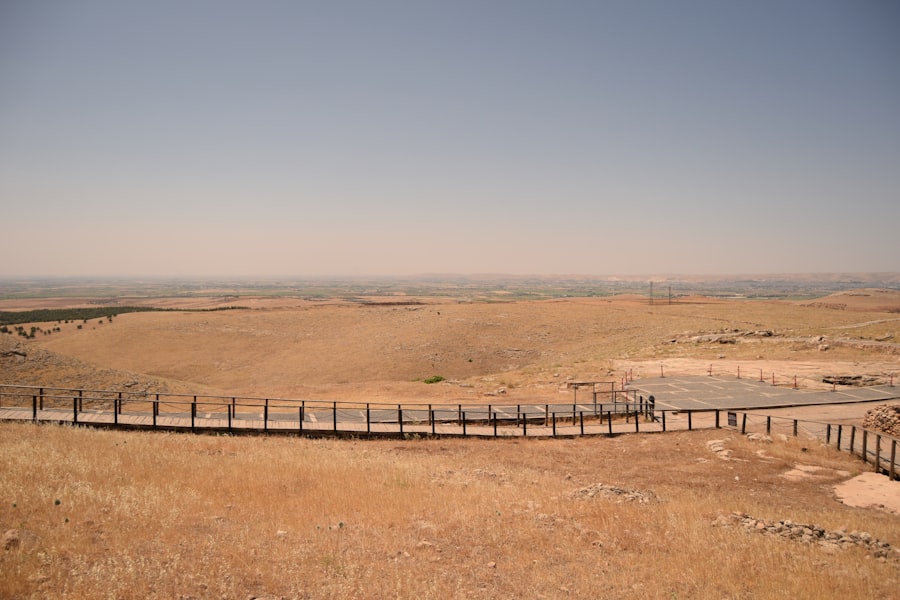
What is Göbekli Tepe?
Göbekli Tepe is an archaeological site in Turkey, dating back to around 9600 BCE. It is considered one of the oldest known man-made structures and is believed to have been a religious site.
What are the Taş Tepeler?
The Taş Tepeler are a series of ancient mounds located in Turkey, near the city of Urfa. These mounds are believed to have been used for religious and ceremonial purposes.
What is the connection between Göbekli Tepe and the Taş Tepeler?
The connection between Göbekli Tepe and the Taş Tepeler is that they both served as important religious and ceremonial sites in ancient times. They are both believed to have been centers of ritual activity and worship.
What significance do these sites hold in understanding ancient civilizations?
These sites are significant because they provide insight into the religious and ceremonial practices of ancient civilizations. They also challenge previous assumptions about the development of complex societies, as they demonstrate that organized religious activity may have predated the development of agriculture.
What ongoing research and discoveries are being made at these sites?
Ongoing research at Göbekli Tepe and the Taş Tepeler continues to uncover new information about the people who built and used these sites. Archaeologists are studying the carvings, artifacts, and structures to gain a better understanding of the religious beliefs and social organization of the ancient societies that inhabited these areas.