The vast plains of southeastern Anatolia, a region steeped in millennia of history, have yielded a secret that is rewriting humanity’s prehistoric narrative: the Taş Tepeler, or Stone Hills. This sprawling complex of Neolithic settlements, far older than previously imagined, challenges long-held understandings of early human societal development, offering an unprecedented glimpse into the lives of people who shaped the very foundations of civilization. The sheer scale and sophistication of these sites, spread across an area of approximately 100,000 square kilometers, are astonishing, indicating a level of organization and collective effort that was once thought to be the sole domain of later periods. For decades, archaeological whispers hinted at something significant buried beneath these unassuming hills, but it is through concerted, multi-disciplinary efforts that the true magnitude of Taş Tepeler has begun to emerge. This groundbreaking discovery is not merely a collection of ancient ruins; it is a window into the dawn of human ingenuity, social complexity, and spiritual belief.
For many years, the archaeological landscape of southeastern Anatolia was dominated by the fame of Göbeklitepe, a monumental site that pushed back the known dates of complex construction and ritualistic behavior to an astonishing 11,600 years ago. However, as research expanded and new technologies were employed, it became increasingly evident that Göbeklitepe was not an isolated anomaly, but rather the crown jewel of a much larger, interconnected cultural landscape. The term “Taş Tepeler” itself is a relatively recent designation, coined to encompass the numerous mounds, or tepeler, that dot the region and are now understood to represent a network of contemporaneous and interconnected Neolithic settlements. These sites, often overlooked in the shadow of their more famous neighbor, are proving to be equally, if not more, revealing about the everyday lives of the people who inhabited them. The meticulous work of archaeologists, geophysicists, and other specialists has been instrumental in peeling back the layers of earth and time to reveal this extraordinary prehistoric tapestry.
Early Explorations and Growing Evidence
The groundwork for understanding Taş Tepeler was laid by earlier generations of archaeologists who conducted surveys and limited excavations in the region. These early investigations, while not fully grasping the scope of the phenomenon, noted the presence of numerous tell-like mounds and unearthed artifacts that hinted at significant prehistoric occupation. The sheer density of these sites, however, remained a puzzle. It wasn’t until the advent of advanced remote sensing techniques, such as satellite imagery and Lidar (Light Detection and Ranging), that the true extent and interconnections between these settlements began to become apparent. These technologies allowed researchers to map the landscape with unprecedented detail, revealing subtle topographical anomalies that indicated buried structures and ancient pathways, providing a roadmap for more targeted excavations.
The Göbeklitepe Connection: A Paradigm Shift
The discovery and extensive excavation of Göbeklitepe, beginning in the 1990s, undoubtedly played a pivotal role in re-evaluating the archaeological potential of the wider Taş Tepeler region. Göbeklitepe, with its monumental T-shaped pillars and intricate carvings, demonstrated that hunter-gatherer societies were capable of monumental construction and complex symbolic expression far earlier than previously believed. This finding challenged the prevailing model that agriculture and settled life were prerequisites for such societal advancements. The presence of numerous other mounds in the vicinity of Göbeklitepe, previously considered less significant, now took on a new importance, prompting a re-examination and a surge in research funding and interest, leading to the comprehensive exploration of the Taş Tepeler.
Modern Surveying and Geophysical Techniques
The modern era of Taş Tepeler research is characterized by its reliance on cutting-edge technologies. Geophysical surveys, employing methods like ground-penetrating radar (GPR) and magnetometry, allow archaeologists to “see” beneath the surface without disturbing the soil. These techniques can identify anomalies that correspond to buried walls, hearths, pits, and even entire structures, providing invaluable information about the layout and extent of settlements before any digging begins. This non-invasive approach is crucial for maximizing the efficiency of excavations and for understanding the spatial relationships between different features within a site. The data generated by these surveys has been instrumental in identifying hundreds of potential settlement locations, many of which are now being systematically investigated.
The Taş Tepeler prehistoric settlements offer fascinating insights into early human habitation and societal development in the region. For those interested in exploring how ancient civilizations adapted to their environments, a related article discussing modern resource extraction strategies can provide a unique perspective on the continuity of human innovation. You can read more about this topic in the article on China’s lunar resource extraction strategy at this link.
The Architecture of Ancestors: Revealing Neolithic Settlements
The structures unearthed within Taş Tepeler are a testament to the ingenuity and organizational skills of its prehistoric inhabitants. These are not merely rudimentary shelters but well-planned settlements with distinct architectural features that speak of a settled and communal lifestyle. The scale and complexity of these structures challenge the notion of Neolithic societies as being solely focused on survival; they reveal a sophisticated understanding of building techniques and a capacity for collective labor. The materials used, the planning of living spaces, and the presence of communal areas all contribute to a rich tapestry of early human domestic and social life.
Domestic Dwellings and Communal Spaces
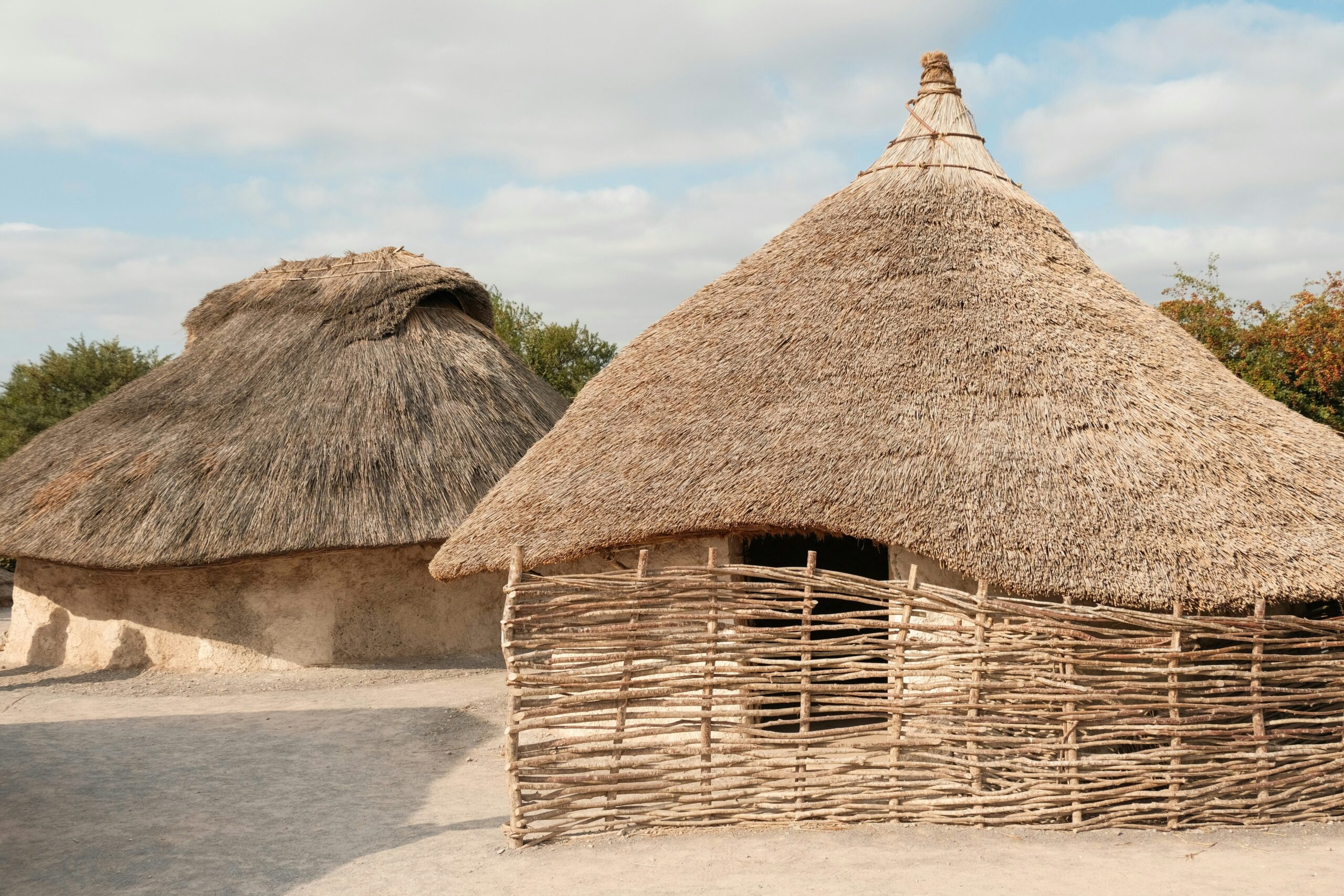
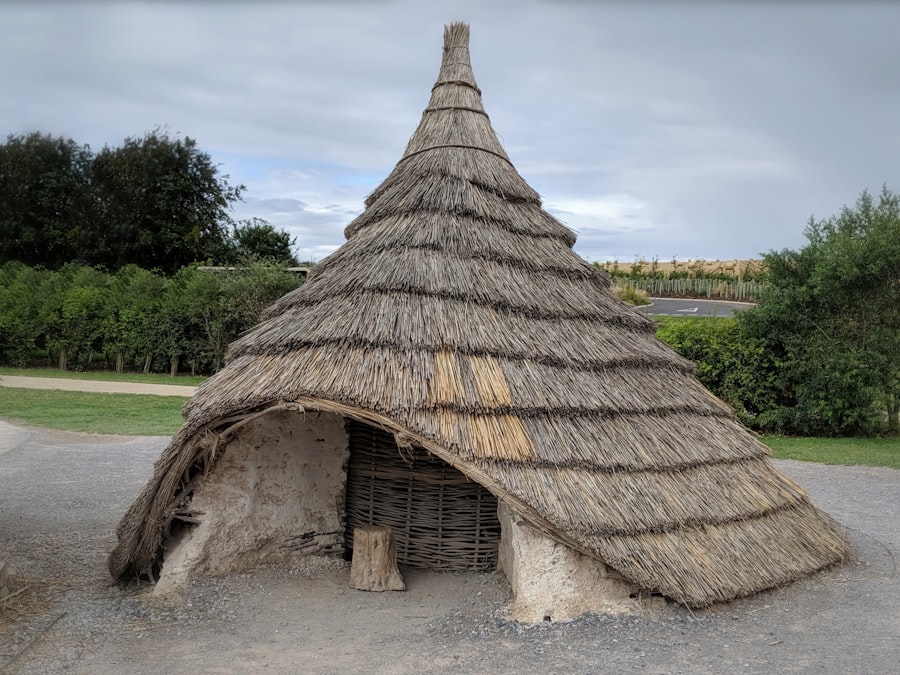
Excavations at various Taş Tepeler sites have revealed a variety of dwelling types. While some appear to be individual family homes, others suggest larger communal structures or shared living spaces. These dwellings often feature stone foundations, plastered walls, and hearths, indicating a level of comfort and permanence. The arrangement of these structures within settlements suggests a degree of urban planning, with evidence of pathways and possibly even organized public areas. The presence of communal ovens, workshops, and gathering spaces points towards a society that valued collective activity and shared resources, laying the groundwork for future village and urban development.
Monumental Architecture Beyond Göbeklitepe
While Göbeklitepe is renowned for its monumental pillars, the Taş Tepeler complex reveals that this focus on large-scale construction extended to other sites as well. Evidence of significant earthworks, large stone enclosures, and possibly even erected monoliths at other settlements suggests a widespread cultural practice of undertaking ambitious building projects. These structures likely served multiple purposes, from defensive fortifications to ceremonial centers, and their construction would have required a considerable investment of time and labor from the community, indicating a high degree of social cohesion and leadership.
Building Materials and Techniques
The prehistoric builders of Taş Tepeler employed a range of materials and techniques that were remarkably advanced for their time. They utilized locally sourced stone, mudbrick, and timber, demonstrating a practical understanding of their environment and its resources. The construction of substantial stone walls, the careful fitting of blocks, and the use of plaster for interior finishes all point to a developed building tradition. The sheer effort involved in quarrying, transporting, and shaping these materials underscores the communal effort and organizational capacity of these early societies.
Daily Lives and Subsistence: A Glimpse into Prehistoric Economies
The artifacts and environmental evidence recovered from Taş Tepeler provide invaluable insights into the daily routines, subsistence strategies, and economic activities of its inhabitants. These discoveries paint a picture of communities that were not solely reliant on hunting and gathering but were actively engaged in a more complex interplay with their environment, hinting at early forms of agriculture and animal husbandry. The diversity of recovered tools and organic remains allows for a reconstruction of their diets, their crafting practices, and the broader economic networks they participated in.
Early Agriculture and Animal Domestication
The presence of domesticated plant species, such as emmer wheat and barley, and evidence of animal management, including sheep, goats, and cattle, suggest that the inhabitants of Taş Tepeler were at the forefront of the agricultural revolution. While the exact balance between wild resource exploitation and cultivation is still being investigated, the findings indicate that these communities were developing sophisticated agricultural practices, contributing to the shift from a nomadic hunter-gatherer lifestyle to a more sedentary existence. The analysis of pollen and seed remains provides crucial data on the types of crops cultivated and the agricultural techniques employed.
Tools, Craftsmanship, and Trade
A wide array of tools has been unearthed at Taş Tepeler sites, including finely crafted flint arrowheads, axes, scrapers, and grinding stones. These tools reveal a high level of craftsmanship and a specialized knowledge of lithic technology. The presence of exotic materials, such as obsidian from distant volcanic sources, also suggests evidence of long-distance trade networks. This indicates that these communities were not isolated entities but were connected to a wider economic and social web, exchanging goods and ideas with other groups. The study of these artifacts provides insights into their technological capabilities and their interactions with the wider world.
Diet and Food Processing
Analysis of animal bones and plant remains provides a detailed understanding of the diet of the Taş Tepeler inhabitants. This evidence suggests a varied diet that included hunted game, domesticated animals, and a range of cultivated grains and wild plants. The discovery of grinding stones, mortars, and pestles indicates sophisticated food processing techniques, essential for transforming raw ingredients into edible meals. The study of isotopic signatures in human remains can further illuminate dietary patterns and shifts over time.
Spiritual Beliefs and Ritual Practices: The Symbolic Landscape

The most compelling aspect of the Taş Tepeler discoveries, and perhaps what most distinguishes them, is the profound evidence of complex spiritual beliefs and sophisticated ritual practices. The monumental architecture, intricate carvings, and symbolic arrangements at these sites point to a deeply spiritual society that invested significant effort and resources into their belief systems. These findings are pushing back the timeline for the emergence of complex religious thought and practice, suggesting that abstract thought and symbolic representation were integral to early human existence.
Iconography and Symbolism on Stone
The stone carvings found at Taş Tepeler sites are incredibly rich in iconography. These depictions range from stylized human forms and animal representations to abstract symbols. The recurring motifs and their deliberate placement within monumental structures suggest a shared symbolic language and a complex mythology. The interpretations of these symbols are ongoing, but they clearly indicate a society preoccupied with the spiritual, the cosmic, and perhaps even their place in the universe. The intricate details and the artistry involved are remarkable.
Ceremonial Structures and Ritual Landscapes
Beyond the individual dwellings, the presence of large, purpose-built ceremonial structures suggests organized religious activities. These spaces, often characterized by distinctive architectural features and elaborate decorations, were likely the focal points for communal rituals and ceremonies. The spatial organization of these sites, with their prominent monuments and carefully designed pathways, suggests that the entire landscape was imbued with spiritual significance, with the act of building itself possibly having ritualistic importance.
The Role of Animals in Belief Systems
Animals feature prominently in the iconography of Taş Tepeler. From the fearsome imagery of predators to the more placid depictions of herbivores, their presence in a spiritual context is undeniable. Whether these animals represented deities, spirits, or fundamental forces of nature, their central role in the beliefs of these ancient peoples is clear. The meticulous depiction of these creatures suggests a deep understanding of and reverence for the natural world and its inhabitants.
The Taş Tepeler prehistoric settlements offer a fascinating glimpse into early human life and community organization. These ancient sites, located in modern-day Turkey, are significant for understanding the transition from nomadic lifestyles to more permanent agricultural societies. For those interested in the broader implications of historical developments, a related article discusses how past innovations continue to shape our present, particularly in the context of exploration and competition, as seen in the new space race. You can read more about this intriguing topic in the article on Russia’s role in the new moon race.
Rethinking Human History: The Legacy of Taş Tepeler
| Settlement Name | Location | Period | Population |
|---|---|---|---|
| Taş Tepeler | Ankara, Turkey | Neolithic Period | Estimated 500-1000 people |
The Taş Tepeler complex represents a fundamental paradigm shift in our understanding of human prehistory. It forces us to re-evaluate the timeline and the preconditions for the development of complex societies, challenging long-held assumptions about the trajectory of human civilization. The discoveries here are not just academic curiosities; they offer profound insights into the origins of human ingenuity, our capacity for abstract thought, and the enduring power of our spiritual and social connections. The ongoing research promises to reveal even more about these remarkable ancient people and their indelible mark on the human story.
Redefining the Neolithic Revolution
The findings at Taş Tepeler challenge the conventional understanding of the Neolithic Revolution, suggesting that monumental construction, complex social organization, and sophisticated symbolic thought may have preceded or developed concurrently with the widespread adoption of agriculture, rather than being solely a consequence of it. This implies that social and ideological factors played a more significant role in driving societal change than previously recognized. The intellectual and spiritual drivers of innovation were as crucial as the practical need for sustenance.
The Birthplace of Civilization: A New Perspective
While the fertile crescent has long been recognized as a cradle of civilization, the Taş Tepeler discoveries suggest that this region was perhaps even more pivotal than previously understood. The complex interplay of social, economic, and spiritual developments observed here provides a compelling argument for southeastern Anatolia as a crucial incubator for the foundational elements of human civilization, influencing subsequent developments across the Near East and beyond. The interconnectedness of these sites suggests a nascent form of regional culture that laid the groundwork for larger societal structures.
Future Research and Unanswered Questions
The exploration of Taş Tepeler is still in its early stages, and a vast amount of work remains. Future research will undoubtedly focus on expanding excavations, refining dating techniques, and employing advanced analytical methods to further unravel the mysteries of these prehistoric settlements. Unanswered questions abound: the precise relationship between the various sites, the exact nature of their governance and social structures, and the full spectrum of their belief systems are all areas ripe for continued investigation. The ongoing work promises to continue to redefine our understanding of our earliest ancestors and the remarkable journey of human development.

The World Beyond Göbekli Tepe Is Far Bigger Than We Thought
FAQs
What is Taş Tepeler prehistoric settlements?
Taş Tepeler prehistoric settlements are a group of ancient settlements located in Turkey, dating back to the Neolithic and Chalcolithic periods.
Where are the Taş Tepeler prehistoric settlements located?
The Taş Tepeler prehistoric settlements are located in the Çatalhöyük region of central Turkey, near the Konya Plain.
What is the significance of the Taş Tepeler prehistoric settlements?
The Taş Tepeler prehistoric settlements are significant because they provide valuable insights into the early human settlements and the transition from hunter-gatherer societies to agricultural communities.
What have archaeologists discovered at the Taş Tepeler prehistoric settlements?
Archaeologists have discovered a variety of artifacts at the Taş Tepeler prehistoric settlements, including pottery, tools, and evidence of early agricultural practices.
Can visitors access the Taş Tepeler prehistoric settlements?
Yes, the Taş Tepeler prehistoric settlements are open to visitors, and there are guided tours available to explore the ancient ruins and learn about the history of the area.