
Nevali Çori: A Glimpse into Humanity’s Dawn
Nestled in the southeastern Anatolian region of Turkey, the archaeological site of Nevali Çori offers a profound window into the lives of early Homo sapiens, a testament to their burgeoning societal structures and spiritual beliefs. Excavations at this remarkable site have unveiled a wealth of information that challenges and expands our understanding of the Neolithic period, particularly concerning the development of settled life, ritual practices, and the dawn of monumental architecture. Its discovery and ongoing exploration have positioned Nevali Çori as a crucial piece in the puzzle of human civilization’s origins.
The initial discovery of Nevali Çori in the late 1970s was serendipitous, a byproduct of dam construction on the Euphrates River. The impending inundation of the area necessitated a rapid archaeological survey and excavation, a race against time to preserve the invaluable remnants of a lost past. What emerged from the earth was far more significant than initially anticipated, revealing a settlement that predates many previously known complex societies. The site’s strategic location, surrounded by fertile land and near vital water sources, undoubtedly played a role in its establishment and long-term habitation. The careful analysis of the artifacts and structures unearthed has allowed archaeologists to reconstruct a vivid picture of life thousands of years ago, from the mundane details of daily existence to the sophisticated organization of their communities.
The Genesis of a Settlement
The story of Nevali Çori begins in the Pre-Pottery Neolithic period, a transformative era in human history. This was a time when hunter-gatherer societies began to transition towards a more sedentary lifestyle, cultivating crops and domesticating animals. Nevali Çori stands as a prime example of this profound shift, showcasing a well-established village with evidence of sophisticated planning and communal living.
Early Habitation and Construction Techniques
The earliest layers of Nevali Çori reveal a community that had already begun to embrace settled life. Evidence suggests the construction of sturdy dwellings, likely built from mudbrick and timber, arranged in a relatively organized manner. These structures were not haphazard, indicating a conscious effort to create a functional and perhaps even aesthetically pleasing living environment. The sheer effort involved in constructing permanent structures speaks volumes about the inhabitants’ commitment to their chosen location.
Architectural Innovations of the Early Phase
While the earliest structures might appear simple by modern standards, they represent significant architectural innovations for their time. The use of durable materials and the development of techniques for creating stable walls and roofs were crucial steps in the evolution of human construction. Archaeologists have studied the foundations and remaining wall sections to understand the building methods employed, providing insights into the practical knowledge and engineering skills of these early people.
The Strategic Importance of the Site
The location of Nevali Çori was not accidental. Its position along the Euphrates River provided a reliable water source for agriculture and domestic use, while the surrounding fertile plains offered ideal conditions for cultivating early crops like wheat and barley. This environmental advantage likely facilitated the transition to a food-producing economy, a cornerstone of Neolitihic development.
Resource Management and Agricultural Practices
The presence of cultivated plants and evidence of animal husbandry at Nevali Çori points to a sophisticated understanding of resource management. The inhabitants were not simply passively benefiting from their environment; they were actively shaping it through agriculture. Studies of pollen and seed remains have helped reconstruct the types of crops grown and the agricultural techniques employed, revealing a deep knowledge of their local ecosystem.
The Nevali Çori archaeological site, known for its remarkable early Neolithic structures and artifacts, provides valuable insights into the development of human societies in the region. Interestingly, the site has connections to broader discussions about ancient knowledge and cartography, as highlighted in the article on the Piri Reis map. This map, which dates back to the early 16th century, has sparked debates regarding its accuracy and the extent of ancient navigational skills. For more information on this intriguing topic, you can read the article here: The Piri Reis Map Accuracy Debate.
The Enigmatic Temple Complex
Perhaps the most striking and debated aspect of Nevali Çori is its monumental temple complex. Unlike anything previously discovered from this period, these structures suggest a level of social organization and spiritual devotion that has reshaped our understanding of early Neolithic societies. The presence of elaborate carvings and symbolic imagery within these sacred spaces points to a complex belief system.
Architectural Features of the Sanctuary
The temple complex at Nevali Çori is characterized by its impressive stone construction. Unlike the more modest dwellings, these structures were built with large, carefully shaped stones, often featuring polished surfaces and intricate details. The layout of the complex, with its interconnected spaces and central altar-like features, suggests a deliberate design intended for communal gatherings and ritualistic activities.
The “T-shaped” Pillars: A Defining Characteristic
A defining feature of the Nevali Çori temple complex are the massive “T-shaped” pillars, a motif that would later become iconic at sites like Göbekli Tepe. These pillars, often carved with depictions of animals and abstract symbols, were erected in rows and within circular enclosures. Their sheer size and the labor required for their quarrying, transport, and erection indicate a highly organized society capable of mobilizing and coordinating significant manpower. The precise function of these pillars remains a subject of ongoing research, but their symbolic importance is undeniable.
Iconography and Symbolic Representation
The surfaces of the pillars and other architectural elements within the temple complex are adorned with a rich tapestry of carvings. These depictions range from realistic portrayals of animals – such as boars, foxes, and birds – to more abstract geometric patterns and anthropomorphic figures. This iconography provides a visual language through which the beliefs and worldview of the Nevali Çori inhabitants can be partially deciphered.
Decoding the Sacred Art: Animal Motifs and Their Meanings
The abundant animal carvings are particularly significant. Their prominence suggests a deep connection to the natural world and perhaps a reverence for certain species. Researchers have explored various interpretations, from totemic affiliations to symbolic representations of natural forces or hunting prowess. The recurring presence of specific animals might offer clues to their spiritual significance within the community.
Anthropomorphic Figures and the Dawn of Religious Thought
The presence of anthropomorphic figures, though often stylized, is equally compelling. These figures, sometimes depicted with prominent sexual characteristics, have led to speculation about early forms of deity worship or shamanistic practices. Their integration within the sacred architecture suggests a nascent form of religious thought, a formalized system of beliefs and rituals that guided the lives of the community.
Evidence of Social Organization and Ritual Life
The scale and complexity of the temple complex at Nevali Çori strongly suggest a level of social organization far beyond that of simple hunter-gatherer bands. The ability to plan, construct, and maintain such monumental structures, coupled with the intricate artistic expressions, points to a society with specialized roles and a shared cultural identity.
Communal Activities and Shared Beliefs
The very existence of a public ritual space like the temple complex implies communal gatherings and shared beliefs. These gatherings likely served to reinforce social cohesion, transmit knowledge and traditions, and provide a framework for understanding the world. The collective effort invested in building and maintaining these sacred sites underscores their importance in the social fabric of Nevali Çori.
The Role of Feasting and Sacrifice in Rituals
Archaeological evidence, such as the presence of large quantities of animal bones and specially prepared areas within the temple, suggests that feasting played a significant role in ritual activities. These communal meals would have further strengthened social bonds and provided an opportunity for shared experiences. The possibility of sacrifices, while not definitively proven, is also considered in the context of ancient religious practices.
Evidence of Specialization and Hierarchy
The construction of the temple complex and the creation of its intricate art would have required specialized skills. Quarrying and shaping large stones, carving intricate reliefs, and organizing labor for construction all point to a society where individuals might have held distinct roles and responsibilities. This specialization can be a precursor to the development of social hierarchies, where certain individuals or groups held more authority or prestige.
The Labor Force Behind Monumental Architecture
Understanding the labor force required for these constructions is crucial. It likely involved a significant portion of the community, perhaps organized through kinship groups or other social structures. The coordination of such a large-scale endeavor would have necessitated effective leadership and a shared understanding of the goals.
The Emergence of Leaders or Priestly Classes
While direct evidence of rulers or a formal priesthood is scarce, the significant resources and effort dedicated to the temple complex suggest the presence of individuals or groups who held considerable influence. These could have been influential elders, shamans, or a nascent priestly class who guided the spiritual and perhaps even secular affairs of the community.
Comparison with Other Neolithic Sites
Nevali Çori does not exist in isolation; it is part of a broader narrative of human development during the Neolithic period. Its discoveries have significantly influenced our understanding of other contemporary and slightly later sites, particularly in the Fertile Crescent.
Göbekli Tepe: A Sister Site of Profound Significance
The discovery of Göbekli Tepe, located not far from Nevali Çori, has further illuminated the astonishing achievements of early Neolithic communities. Both sites share the iconic “T-shaped” pillars and sophisticated stone carving, suggesting a shared cultural tradition and a remarkable level of technological and artistic advancement. The dating of these sites has also been crucial, with Göbekli Tepe being even older than the main temple complex at Nevali Çori, pushing back the timeline for monumental construction and organized ritual activity.
Shared Architectural Motifs and Symbolic Language
The striking similarities in architectural elements and iconography between Nevali Çori and Göbekli Tepe are undeniable. The “T-shaped” pillars, the animal carvings, and the overall organization of the temple spaces point to a common origin or at least a significant cultural exchange between these two sites. Researchers are actively exploring the extent of this connection and what it signifies for the understanding of early human societies.
The Wider Neolithic Landscape of the Fertile Crescent
Nevali Çori and Göbekli Tepe are crucial anchors in understanding the broader Neolithic revolution across the Fertile Crescent. They provide concrete evidence that the transition to settled life and complex social structures was not a uniform process but one that involved remarkable innovation and sophisticated cultural development in certain key regions.
Redefining the Timeline of Early Civilization
The advanced nature of Nevali Çori and Göbekli Tepe has forced a re-evaluation of the timeline for the development of complex societies. Previously, it was assumed that monumental architecture and organized religion emerged much later, after the establishment of agriculture. These sites suggest that the pursuit of spiritual and communal goals might have even predated or at least co-evolved with the full transition to agriculture, a paradigm-shifting realization.
The Interconnectedness of Early Communities
The similarities observed across these sites suggest a degree of interconnectedness between early communities. Whether through trade, migration, or shared ancestral knowledge, these early peoples were not isolated entities. The understanding of their interactions and the spread of ideas is a vital component of reconstructing this ancient world.
The Nevali Çori archaeological site, known for its remarkable early Neolithic structures and intricate sculptures, offers valuable insights into the development of human civilization. Researchers have drawn parallels between Nevali Çori and other ancient sites, highlighting the significance of urban planning in prehistoric communities. For a deeper understanding of how ancient city planning has evolved and the challenges faced by early societies, you can explore this fascinating article on ancient city planning.
The Legacy and Ongoing Research
The exploration of Nevali Çori is a continuous process. Each new excavation season and every detailed analysis of existing findings contribute to a more nuanced understanding of this extraordinary site and the people who inhabited it. The challenges of preservation, especially given its submersion, have necessitated innovative approaches to documentation and research.
Preservation Challenges and Future Prospects
The inundation of Nevali Çori by the Atatürk Dam poses a unique and significant challenge for its preservation. While archaeological efforts were made to excavate and document the site before it was submerged, a substantial portion of it now lies beneath the waters of the reservoir. This necessitates a reliance on the data collected from past excavations and ongoing efforts to monitor the submerged areas.
Underwater Archaeology and Digital Reconstruction
Future research may involve specialized underwater archaeological techniques to explore the submerged sections of the site. Furthermore, advanced digital technologies, such as 3D scanning and virtual reality, can be used to reconstruct the site as it once stood, allowing researchers and the public to experience its grandeur even in its current state.
The Enduring Significance of Nevali Çori
Nevali Çori stands as a beacon of human ingenuity and the deep-seated human need for community, spirituality, and monumental expression. Its legacy lies not only in the artifacts and structures it has yielded but in the profound questions it continues to inspire about the origins of civilization, the evolution of human consciousness, and the enduring power of shared belief.
Shaping Our Understanding of the Neolithic Revolution
The discoveries at Nevali Çori have fundamentally altered our understanding of the Neolithic period. It has moved beyond a simple narrative of agricultural development to reveal a dynamic era of complex social organization, sophisticated spiritual practices, and ambitious architectural endeavors. The site serves as a constant reminder that human history is far richer and more complex than we might initially imagine.
A Window into the Human Past for Future Generations
As research continues and technology advances, Nevali Çori will undoubtedly continue to reveal more of its secrets. It remains a vital testament to the capabilities and aspirations of our ancient ancestors, offering invaluable insights into the very foundations of human society and culture, a legacy that will continue to inform and inspire for generations to come.
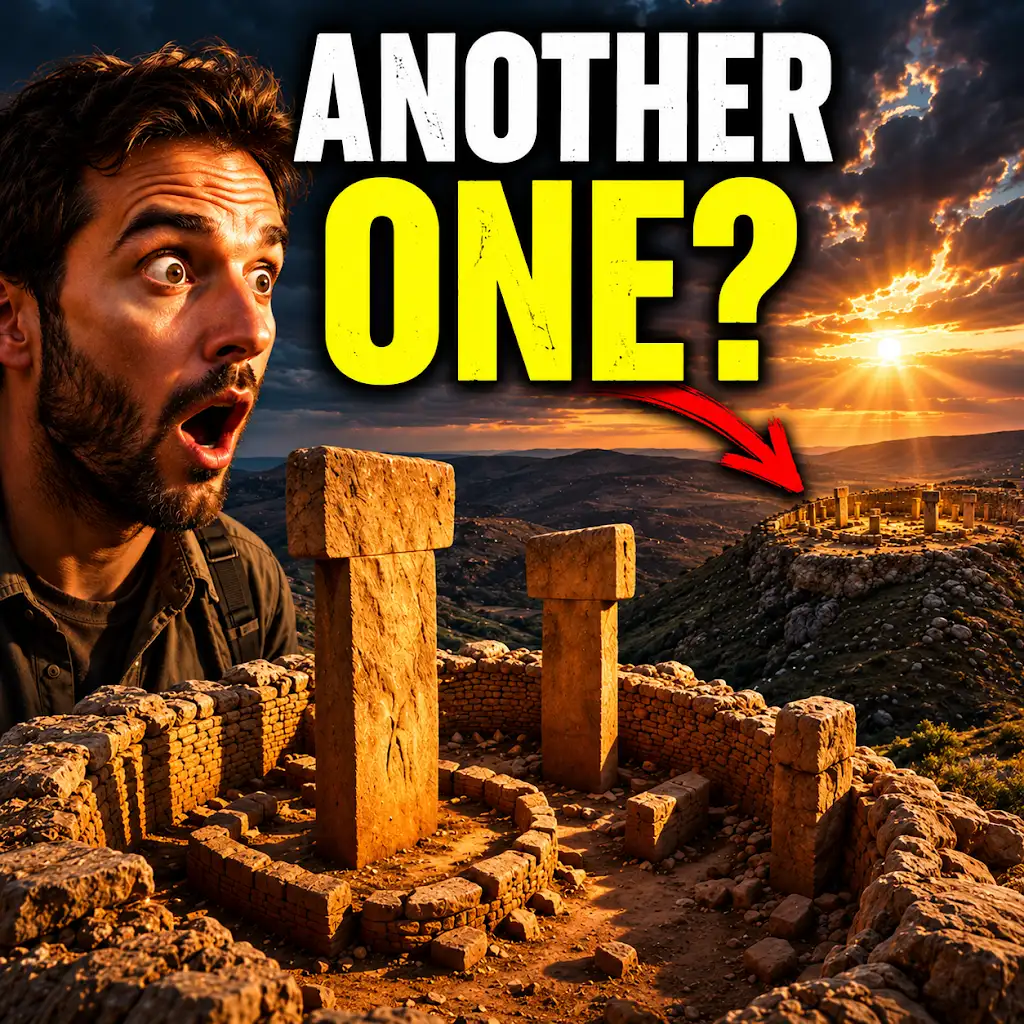
The World Beyond Göbekli Tepe Is Far Bigger Than We Thought
FAQs
What is Nevali Çori archaeological site?
Nevali Çori is an ancient archaeological site located in southeastern Turkey, near the modern city of Şanlıurfa. It dates back to the Pre-Pottery Neolithic period, around 8,000 BCE.
What was Nevali Çori known for?
Nevali Çori is known for its well-preserved remains of a prehistoric settlement, including circular and rectangular buildings, religious structures, and various artifacts such as sculptures and tools.
What significance does Nevali Çori hold in archaeology?
Nevali Çori is significant in archaeology as it provides valuable insights into the early stages of human settlement and the development of agriculture and religious practices during the Neolithic period.
What happened to Nevali Çori archaeological site?
The site was partially submerged under water due to the construction of the Atatürk Dam on the Euphrates River in the 1990s. Some of the artifacts and structures were relocated to higher ground, while others remain underwater.
Can visitors access Nevali Çori archaeological site?
Due to its partial submersion and relocation of artifacts, Nevali Çori is not easily accessible to visitors. However, efforts are being made to preserve and protect the site, and limited access may be available through guided tours.