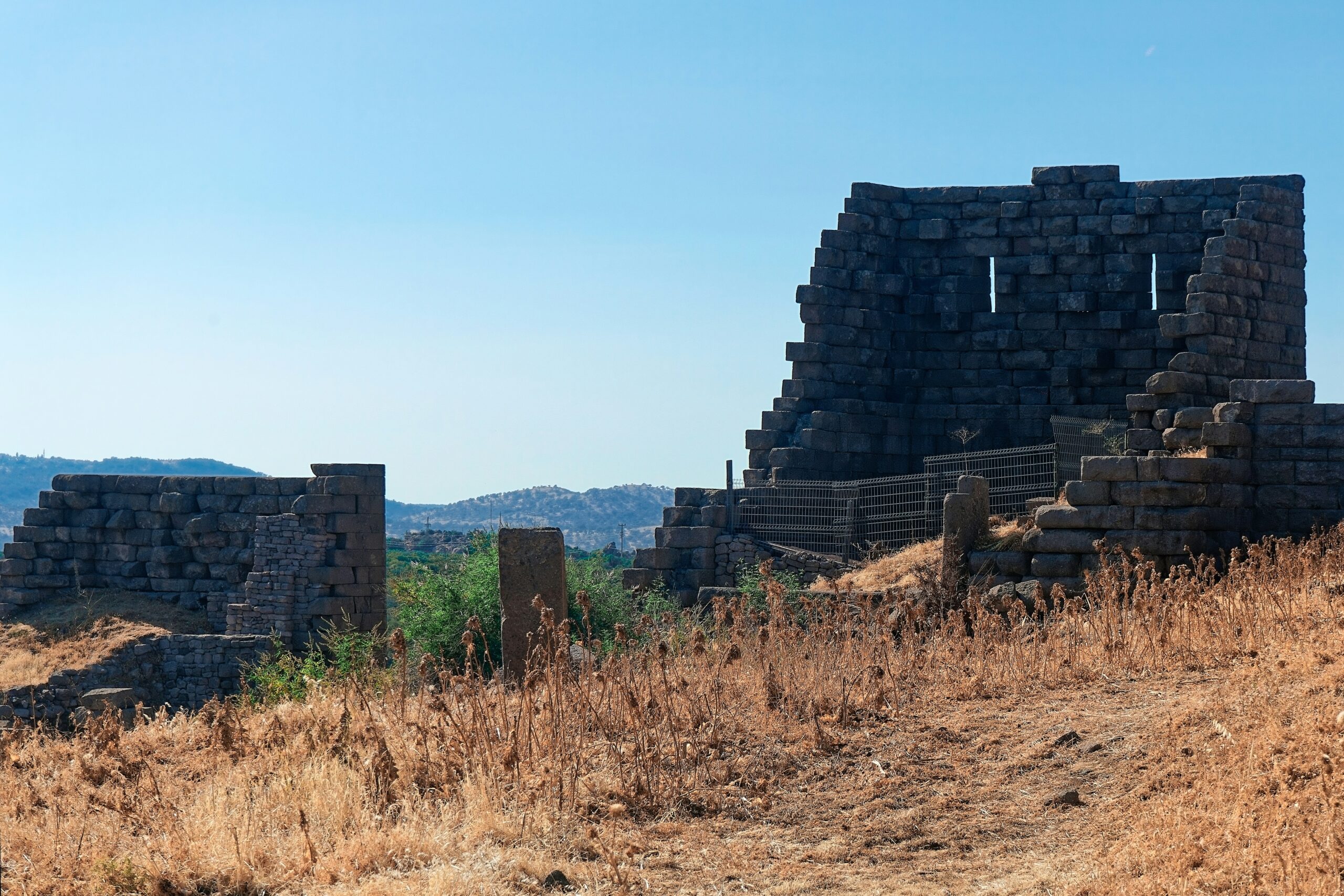
The sun beat down on the fertile plains of southeastern Turkey, a landscape steeped in millennia of human history. Here, a team of dedicated archaeologists had been diligently working, their trowels and brushes coaxing secrets from the earth. Their efforts, focused on the site of Sayburç, were beginning to yield extraordinary insights, painting a vibrant new picture of a forgotten civilization. What had started as a promising dig had transformed into a monumental undertaking, promising to rewrite chapters of human development and societal organization.
The story of Sayburç’s unearthing is one of gradual revelation, not a sudden, dramatic find. Initial explorations in the region, often driven by the need to understand broader settlement patterns in the Fertile Crescent, had hinted at the presence of significant prehistoric activity. It was during these preliminary surveys that the tell – a mound of accumulated human habitation – at Sayburç first captured the attention of archaeologists. The sheer scale of the mound, coupled with the presence of surface pottery shards indicative of ancient occupation, suggested a site of considerable importance, potentially dating back to very early periods of human settled life.
The Initial Groundwork: Surveying and Prospecting
Early stages involved meticulous surface surveys. Archaeologists walked the fields, systematically noting and collecting any visible artifacts. This process, seemingly simple, is crucial for understanding the distribution and density of ancient remains. The findings at Sayburç, even from these initial surface collections, were noteworthy. A concentration of lithic tools, obsidian flakes, and fragments of early ceramic ware pointed towards a settlement that was not merely ephemeral but sustained over time. The strategic location of Sayburç, near water sources and arable land, further reinforced the hypothesis of a significant community.
Establishing the Stratigraphy: The Foundation of Understanding
Before any major excavation could commence, the crucial task of establishing the site’s stratigraphy was undertaken. This involves carefully observing and documenting the layers of soil and debris that have accumulated over centuries. Each layer represents a distinct period of occupation or natural deposition, and understanding their sequence is paramount to dating artifacts and interpreting the site’s history. The stratigraphy at Sayburç, even in its initial revealed phases, showed a remarkable depth, suggesting a long and continuous human presence, potentially spanning thousands of years. This complex layering, while challenging to excavate, was also a treasure trove of information waiting to be unlocked.
Recent archaeological discoveries at Sayburç have shed light on the advanced technologies and cultural practices of ancient civilizations. These findings are part of a broader exploration of historical advancements, which is further discussed in an insightful article titled “Unlocking the Mysteries of Lost Tech” found at this link. This article delves into the implications of such discoveries and how they contribute to our understanding of technological evolution in ancient societies.
Unveiling the Neolithic Heart: Architecture and Domestic Life
As the excavations delved deeper, the true nature of Sayburç began to emerge. The site was not just a collection of scattered remains; it was the remnants of a well-organized, substantial settlement from the Neolithic period. The discovery of well-preserved architectural structures provided unprecedented insights into the daily lives of its inhabitants, their social structures, and their technological capabilities during this transformative era of human history.
The Precision of Construction: Early Dwellings and Communal Spaces
One of the most striking discoveries at Sayburç has been the sophisticated architecture of its dwellings. Unlike the rudimentary shelters often associated with early Neolithic settlements, the structures at Sayburç exhibit a level of planning and construction skill that has surprised the archaeological community. Walls, constructed from carefully shaped mud bricks and reinforced with stone foundations, stood testament to a developing understanding of engineering. The layout of these dwellings, with distinct living areas and perhaps even specialized spaces, offered a glimpse into the domestic routines of these ancient people.
The Significance of Courtyards and Open Areas
The presence of open courtyards within and between dwellings also reveals important aspects of social organization. These communal spaces likely served multiple purposes, from cooking and food preparation to social gatherings and the tending of domestic animals. Their strategic placement suggests a deliberate design that fostered interaction and cooperation among the inhabitants, hinting at a communal rather than entirely isolated existence.
The Hearth of the Home: Evidence of Food Preparation and Consumption
The hearth, the central element of any dwelling, provided tangible evidence of the inhabitants’ dietary habits and food preparation techniques. Excavations unearthed numerous fire pits, often lined with stones to retain heat, surrounded by remnants of cooked food. Analysis of these remnants, including charred seeds, animal bones, and even impressions left on pottery, allows archaeologists to reconstruct the diet of the Sayburç community. This provides critical data on their agricultural practices, hunting skills, and the types of foods they cultivated and consumed, painting a vivid picture of their sustenance.
Domestic Tools and Utensils: A Window into Daily Chores
The discovery of a wealth of domestic tools and utensils further illuminated the daily lives of Sayburç’s residents. Stone tools, used for grinding grains, scraping hides, and other essential tasks, were found in abundance. Ceramic vessels, some elegantly decorated, served for cooking, storage, and serving food. The variety and sophistication of these implements suggest a community that had developed specialized skills and a capacity for crafting the tools necessary for a settled, agrarian lifestyle.
Beyond the Domestic: Ritual, Belief, and Symbolism

While the domestic aspects of Sayburç are compelling, the site also offers tantalizing clues into the spiritual lives, beliefs, and symbolic representations of its inhabitants. The discovery of ritualistic spaces and enigmatic artifacts suggests a world far richer than mere survival, one imbued with meaning and an understanding of forces beyond the mundane.
The Sacred Spaces: Altars and Offerings
The identification of what appear to be dedicated ritualistic spaces has been a cornerstone of the research. These areas, often set apart from the main residential zones, contain evidence of ceremonial activity. The presence of stone altars, decorated with enigmatic carvings, and the discovery of votive offerings – objects deliberately placed as part of religious practice – point towards a developed system of belief. These findings allow archaeologists to speculate on the gods or spirits that were revered, and the nature of their relationship with the divine.
Interpreting the Iconography: Early Forms of Art and Meaning
The carvings and symbols found on architectural elements and artifacts are particularly intriguing. These represent some of the earliest known forms of symbolic expression in the region. While interpretations are often challenging and subject to ongoing research, these iconographic elements can offer insights into their cosmology, their understanding of the natural world, and perhaps even their social hierarchy. The recurring motifs and patterns suggest a shared visual language and a collective understanding of meaning.
The Enigma of Figurines: Representations of the Human Form and Beyond
The discovery of small figurines, often crafted from clay or stone, adds another layer of complexity to our understanding of Sayburç’s symbolic landscape. These figurines, which can represent human beings, animals, or perhaps even deities, are a common feature of many Neolithic sites. At Sayburç, their presence in both domestic and ritualistic contexts suggests a multifaceted role. They may have been used in personal devotion, fertility rituals, or as talismans. Their stylistic variations could also indicate different artistic traditions or symbolic meanings.
The Significance of Animal Representations: Totems or Deities?
The frequent representation of animals in the art of Sayburç is particularly noteworthy. Certain animals may have held totemic significance, representing clan lineages or protective spirits. Alternatively, they could have been associated with specific deities or forces of nature. Analyzing the types of animals depicted and their contexts of discovery is crucial for unraveling these potential meanings. The emphasis on certain species could reflect their importance in the local ecosystem, their perceived spiritual qualities, or their role in their economy.
Communal Life and Social Dynamics: A Society in Formation
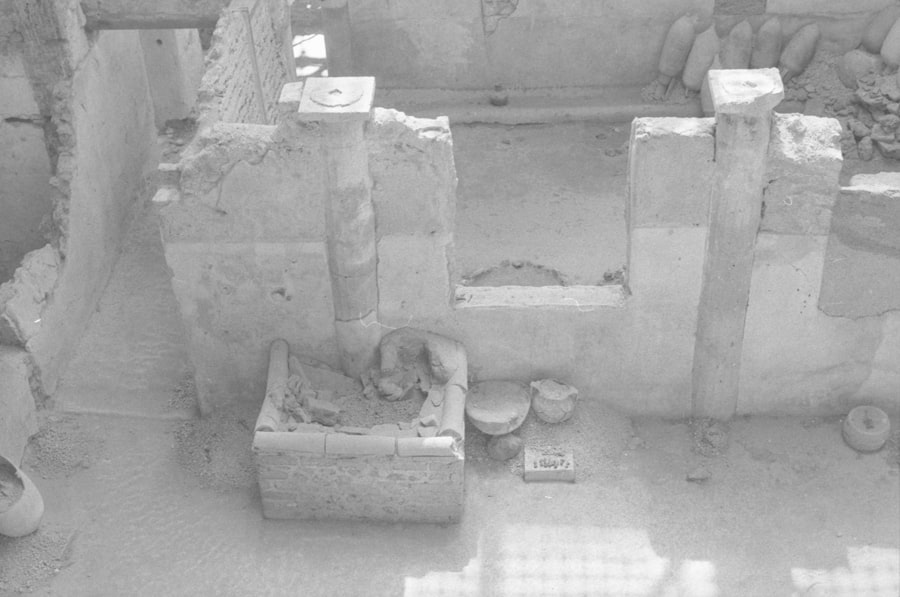
The sheer scale and organization of the Sayburç settlement, coupled with the evidence of communal spaces and shared activities, points towards a society that had moved beyond simple family units. The site provides a window into the early development of complex social structures, cooperation, and perhaps even early forms of governance.
The Organization of Labor: Evidence of Collective Effort
The sophisticated architecture and the apparent planning involved in the construction of Sayburç suggest a significant degree of organized labor. The coordinated effort required to quarry stone, prepare mud bricks, and erect substantial structures implies a system where tasks were allocated and executed by a collective. This points towards a level of social organization that transcended individual households, hinting at communal decision-making and resource management.
Shared Resources and Collaborative Practices
Evidence of shared resources, such as communal storage facilities or the collective management of water sources, further supports the idea of a highly cooperative society. The ability to pool resources and labor would have been essential for the success and resilience of such a large settlement in the challenging environment of the early Holocene. The very act of living in such close proximity and undertaking large-scale projects together would have fostered strong social bonds.
Early Forms of Exchange and Interaction: Evidence of Trade Networks
While much of the focus is on domestic life and ritual, the presence of materials not local to the immediate Sayburç region offers clues about early forms of exchange and interaction. The discovery of obsidian, for example, sourced from distant volcanic deposits, indicates that the inhabitants were part of wider trade networks. This suggests that Sayburç was not an isolated entity but rather a node in a complex web of prehistoric communication and exchange, allowing for the movement of not just goods but also ideas and technologies.
The Role of Specialized Craftsmen and Artisans
The varying quality and sophistication of artifacts found at Sayburç suggest the presence of specialized craftsmen. Some tools and decorative items are remarkably finely made, implying individuals who dedicated their skills to specific crafts. This specialization, even in its nascent stages, would have contributed to the overall complexity and economic activity of the community, leading to the production of a wider range of goods and services.
Recent archaeological discoveries at Sayburç have shed light on the ancient civilization that once thrived in the region, revealing intricate structures and artifacts that provide insight into their daily lives. These findings have sparked interest among historians and archaeologists alike, prompting further exploration of similar sites. For those intrigued by ancient ruins, an engaging article titled Exploring the Forbidden Room delves into the mysteries surrounding another fascinating archaeological site, highlighting the connections between various ancient cultures and their architectural innovations.
The Legacy of Sayburç: Rewriting Prehistoric Narratives
| Discovery | Year | Significance |
|---|---|---|
| Sayburç Temple | 2015 | Unearthed ancient temple complex |
| Artifacts | 2018 | Excavated pottery, tools, and jewelry |
| Tombs | 2020 | Discovered burial chambers with valuable findings |
The ongoing excavations at Sayburç are not just about uncovering a lost settlement; they are about fundamentally re-evaluating our understanding of the Neolithic Revolution and the trajectory of human civilization. The site’s revelations challenge long-held assumptions and offer a more nuanced and sophisticated picture of early human societies.
Challenging the Linear Model: A More Complex Path to Civilization
The findings at Sayburç suggest that the transition from hunter-gatherer lifestyles to settled agriculture and complex societies was not a simple, linear progression. Instead, it was likely a more multifaceted process, with significant regional variations and periods of innovation. Sayburç, with its advanced architecture and social organization, demonstrates that early Neolithic communities were capable of developing complex systems much earlier than previously believed, pushing back the timeline for the emergence of certain societal characteristics.
The Importance of Local Adaptations and Innovations
The unique features of Sayburç highlight the importance of local adaptations and innovations in shaping early human societies. While sharing common threads with other Neolithic sites, Sayburç exhibits distinct characteristics that speak to the specific environmental conditions, resource availability, and cultural developments of its inhabitants. This emphasis on local agency and creativity is crucial for a comprehensive understanding of prehistoric development.
Sayburç’s Contribution to the Fertile Crescent Narrative
The Fertile Crescent is often hailed as the “cradle of civilization.” The discoveries at Sayburç significantly enrich this narrative, providing concrete evidence of the sophisticated societies that flourished in this region during its formative periods. The site adds crucial data points to our understanding of the spread of agriculture, the development of sedentary lifestyles, and the emergence of complex social structures across this vital geographical area.
The Future of Research: Unanswered Questions and New Horizons
Despite the remarkable progress made at Sayburç, many questions remain unanswered. The full extent of the settlement, the nature of its decline, and the precise relationships it had with other contemporary sites are still subjects of ongoing investigation. Future research will undoubtedly delve deeper into these mysteries, employing new technologies and interdisciplinary approaches to further unravel the secrets of this extraordinary prehistoric site and continue to rewrite the story of humanity’s early journey. The ongoing work at Sayburç promises to be a beacon of knowledge, illuminating the path of human ingenuity and social evolution for generations to come.
The World Beyond Göbekli Tepe Is Far Bigger Than We Thought
FAQs
What are the Sayburç archaeological discoveries?
The Sayburç archaeological discoveries refer to the findings at the ancient site of Sayburç in Turkey, which have provided valuable insights into the region’s history and culture.
What have the excavations at Sayburç revealed?
Excavations at Sayburç have revealed a variety of artifacts, including pottery, coins, and architectural remains, shedding light on the daily life, trade, and religious practices of the ancient inhabitants.
When were the Sayburç archaeological discoveries made?
The Sayburç archaeological discoveries have been ongoing for several years, with significant findings being made in various excavation seasons.
Who is leading the archaeological excavations at Sayburç?
The archaeological excavations at Sayburç are typically led by a team of experts, including archaeologists, historians, and other specialists in the field of ancient civilizations.
What is the significance of the Sayburç archaeological discoveries?
The Sayburç archaeological discoveries are significant as they contribute to our understanding of the history and culture of the region, and provide valuable information for researchers and historians studying ancient civilizations.