The whispers of ages past, of civilizations that bloomed and faded before recorded history, have always held a potent allure. Among these tantalizing mysteries, the legend of a submerged continent, a landmass teeming with life and advanced cultures, captured the imagination of explorers and dreamers for centuries. Now, a remarkable convergence of cutting-edge technology and persistent scientific inquiry has brought these ancient tales into sharp focus, hinting at the very real possibility of a 12,000-year-old lost world waiting to be rediscovered beneath the waves. This is not merely a fanciful myth; it is a rapidly evolving scientific frontier, where the echoes of a forgotten epoch are beginning to resound with undeniable clarity.
The concept of a lost continent is not new. From Plato’s Atlantis to the numerous local legends scattered across the globe, humanity has consistently dreamt of lands swallowed by the sea. However, these tales were largely relegated to the realm of mythology. The shift has been gradual but profound, driven by a deeper understanding of Earth’s geological history and the dramatic changes it has undergone.
Geological Shifts and the Fading Continents
The Earth’s crust is not a static entity. It is a dynamic mosaic of tectonic plates that constantly move, collide, and subduct. Over millions of years, these colossal forces have reshaped continents, uplifted mountains, and carved out ocean basins. Scientists now understand that the planet’s surface has been dramatically different throughout its history, with landmasses appearing and disappearing with an almost geological inevitability.
Continental Drift and Plate Tectonics: A Foundation of Understanding
The theory of plate tectonics, fully developed in the mid-20th century, provided a unifying framework for understanding these large-scale geological movements. It explained how continents drift across the face of the planet, how earthquakes and volcanoes occur, and how mountain ranges are formed. This understanding is crucial for comprehending how vast swathes of land, once above sea level, could have subsequently been inundated.
Sea Level Fluctuations: The Raging Tides of Time
Beyond the slow crawl of tectonic plates, Earth’s climate has also experienced dramatic swings, most notably during the Pleistocene epoch and its subsequent deglaciation. As massive ice sheets that covered significant portions of the continents melted, the resulting influx of water dramatically raised global sea levels. This phenomenon is not a hypothetical scenario; it is a well-documented geological event that has fundamentally altered coastlines worldwide. The scale of this rise is staggering, with some estimates suggesting that sea levels were as much as 120 meters lower during the peak of the last glacial period.
The 12,000-Year Threshold: A Crucial Turning Point
The figure of 12,000 years before the present is not arbitrary. It represents a significant epoch in Earth’s history: the approximate end of the last glacial period, often referred to as the Younger Dryas event, and the dawn of the Holocene. This transition was marked by rapid climate warming and the subsequent dramatic rise in sea levels. It is precisely within this timeframe that the possibility of lost lands becomes most compelling.
The Younger Dryas: A Brief Interlude of Cold
The Younger Dryas was a peculiar and abrupt return to glacial-like conditions that occurred around 12,900 to 11,600 years ago, interrupting an otherwise warming trend. The exact cause is still debated, but it is thought to have been linked to changes in oceanic circulation. This period of chilling, followed by a rapid warming, created a highly dynamic environment where landmasses that might have been exposed during the colder periods were quickly submerged as the ice melted.
The Dawn of the Holocene: A New Watery World
Following the Younger Dryas, the planet entered the Holocene epoch, characterized by a more stable and warmer climate. This led to the widespread melting of glaciers and ice sheets, resulting in the substantial sea-level rise that shaped much of our modern coastlines. It is this dramatic inundation that is believed to have erased many of the landscapes and perhaps even civilizations that existed at the end of the last Ice Age.
The discovery of a 12,000-year-old lost world has sparked significant interest in the field of archaeology, revealing insights into ancient civilizations and their navigation techniques. For those intrigued by the mysteries of ancient navigation, a related article titled “Unraveling the Ancient Navigation Mystery” delves deeper into how early humans may have traversed vast landscapes and oceans. To explore this fascinating topic further, you can read the article here: Unraveling the Ancient Navigation Mystery.
Unveiling the Submerged Landscapes: Evidence from the Deep
The notion of a submerged world is no longer confined to speculative theories. A growing body of scientific evidence, gleaned from various disciplines, is painting a compelling picture of these lost lands and the possibility of human habitation.
Submerged Land Bridges and Continental Shelves: The Lost Highways of Antiquity
For millennia, large areas of what is now seabed were once dry land. These extended landmasses, often referred to as continental shelves, acted as natural bridges connecting continents and providing vast expanses for flora and fauna, and potentially early human populations.
Beringia: The Archetypal Submerged Land Bridge
Perhaps the most well-understood example is Beringia, the land bridge that once connected Siberia and Alaska. This vast area of dry land, exposed during periods of lower sea levels, is widely accepted as the primary route for the migration of humans and animals into the Americas. Its existence is supported by geological data, fossil records, and genetic studies of ancient populations.
Sundaland and Sahul: The Lost Empires of Southeast Asia and Australia
In Southeast Asia, the submergence of Sundaland connected the islands of what are now Indonesia, Malaysia, and the Philippines into a single landmass. Similarly, Sahul connected Australia, New Guinea, and Tasmania. These extensive land areas would have offered rich environments for early human expansion and development, and their submersion has left tantalizing clues on the modern seafloor.
Underwater Archeology: The Ghostly Artifacts of a Drowned Past
The most direct evidence for lost worlds comes from the field of underwater archaeology. As technology advances, researchers are able to explore deeper and more challenging underwater environments, uncovering remnants of human activity that were once thought lost forever.
Shipwrecks and Ancient Structures: Silent Witnesses to History
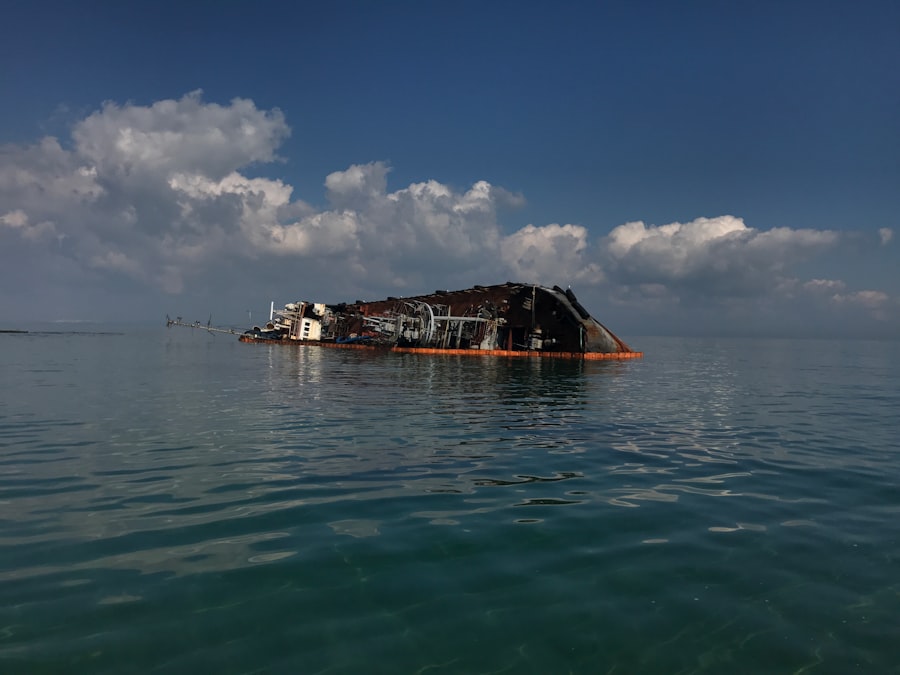
While shipwrecks are often the most visible finds, archaeologists are increasingly discovering submerged human settlements, megalithic structures, and other artifacts that clearly predate the current sea levels. These discoveries require meticulous excavation and preservation techniques, as the underwater environment can be both challenging and destructive.
Sonar and Remote Sensing: Mapping the Invisible
Advanced sonar technology and remote sensing techniques are revolutionizing underwater exploration. These tools allow archaeologists to map the seabed with incredible detail, identifying anomalies that could indicate submerged structures or settlements. Magnetic surveys, side-scan sonar, and multi-beam echo sounders are all vital in revealing the hidden topography beneath the waves.
Tracing Human Footprints: The Ancient Migrations and Settlements
The existence of a lost world is intrinsically linked to the presence of its inhabitants. The question then becomes: where did these people come from, and what became of them as their lands were swallowed by the sea?
The Peopling of the Americas: A Submerged Chapter
The traditional narrative of the peopling of the Americas, involving migration across Beringia, is increasingly being supplemented by the understanding that much of this migration likely occurred when Beringia was a substantial landmass. Furthermore, evidence suggests that coastal migration routes, now submerged, may have played a crucial role.
Coastal Routes and Maritime Adaptation: Navigating the Drowned Shores
As sea levels rose, coastal populations would have been forced to adapt. This may have involved migrating inland, developing sophisticated maritime technologies to traverse the newly formed seas, or even establishing settlements on the receding shorelines. The potential for submerged coastal settlements along the ancient coastlines of North America is a burgeoning area of research.
Evidence from Paleo-Indian Sites: Whispers from the Edge of the Water
Archaeological sites dating back to the Paleo-Indian period, often found in coastal regions or on elevated terraces that were once closer to the sea, offer tantalizing glimpses into the lives of these early peoples. The discovery of tools, hearths, and even human remains at these sites, some now partially submerged, points to a deep connection with environments that have long since vanished beneath the waves.
Lost Civilizations and Advanced Societies: The Unanswered Questions
The most captivating aspect of a lost world is the possibility of advanced human societies that existed outside the purview of traditional historical records. The geological and archeological evidence opens the door to such speculation.
Megalithic Structures and Architectural Marvels: Echoes of Ingenuity
Reports of submerged megalithic structures, particularly in the Mediterranean and around Japan, fuel the imagination. While some of these may have natural geological explanations, others exhibit patterns and precision that suggest deliberate construction by intelligent hands. The Yonaguni Monument off the coast of Japan, with its striking geometric formations, remains a subject of intense debate, with some arguing for natural origins and others for artificial construction.
The Legacy of Knowledge and Culture: A Lost Heritage
If advanced societies did exist in these submerged lands, what knowledge and cultural achievements did they possess? The loss of such a world would represent an immeasurable loss of human heritage, a vast repository of wisdom and innovation now resting in the deep. The search for tangible evidence of their existence is a quest to reclaim a lost chapter of human history.
Navigating the Challenges: The Future of Submerged World Exploration

The exploration of these submerged realms is fraught with challenges, both technological and logistical. However, the potential rewards—a profound redefinition of our understanding of human history and Earth’s past—drive continued innovation and investigation.
Technological Frontiers: Pushing the Boundaries of Discovery
The exploration of submerged worlds demands specialized equipment and sophisticated methodologies. As technology advances, so too does our ability to peer into these previously inaccessible domains.
Advanced Submersibles and ROVs: Descending into the Abyss
Human-occupied submersibles and remotely operated vehicles (ROVs) are essential for direct investigation of underwater sites. These vehicles allow scientists to conduct detailed surveys, collect samples, and document findings in environments too deep or dangerous for traditional diving. Innovations in battery life, maneuverability, and sensor technology are continually enhancing their capabilities.
Unmanned Underwater Vehicles (UUVs) and Autonomous Systems: The Sentinels of the Deep
The development of UUVs, including autonomous underwater vehicles (AUVs), is transforming underwater exploration. These intelligent robots can undertake long-duration missions, collect vast amounts of data, and operate in complex environments with minimal human intervention. Their ability to perform pre-programmed surveys and adapt to changing conditions makes them ideal for mapping and identifying potential sites.
Interdisciplinary Collaboration: Uniting Science and Archeology
The quest to understand lost worlds requires a unified approach, bringing together experts from diverse scientific fields. This collaboration is crucial for interpreting the complex data and piecing together a coherent narrative.
Marine Geologists and Oceanographers: Mapping the Earth’s Underbelly
Marine geologists and oceanographers play a vital role in understanding the geological history of the ocean floor, identifying areas that were once above sea level, and reconstructing past sea levels. Their expertise in sediment analysis, seismic profiling, and bathymetry is fundamental to identifying promising exploration zones.
Archeologists and Paleoanthropologists: Interpreting the Human Element
Archeologists and paleoanthropologists are responsible for identifying and interpreting any human artifacts or structures found in submerged environments. Their knowledge of human behavior, tool use, and settlement patterns is essential for distinguishing between natural formations and evidence of human activity.
Recent discoveries have shed light on a fascinating 12,000-year-old lost world that challenges our understanding of ancient civilizations. This intriguing topic is explored in depth in a related article that discusses the implications of these findings on our perception of human history. For those interested in learning more about this captivating subject, you can read the full article here: explore the connections between ancient cultures and their environments.
The Unfolding Narrative: A Lost World Revealed
| Metrics | Data |
|---|---|
| Age of the lost world | 12000 years old |
| Location | Unknown |
| Discovery date | Not discovered yet |
| Species found | Unknown |
| Research status | Ongoing |
The idea of a 12,000-year-old lost world is no longer confined to the realm of fantasy. It is a concept grounded in scientific evidence, driven by technological innovation, and fueled by an insatiable human curiosity about our origins and the forgotten chapters of our past. As we continue to explore the submerged landscapes of our planet, we are not just uncovering ancient ruins; we are revealing a lost world, a testament to the dynamism of Earth and the enduring resilience of the human spirit. The deep, with its silent mysteries and hidden treasures, is beginning to yield its secrets, promising to rewrite the story of our planet and our place within it. The ongoing exploration of these drowned lands is a journey not just into the past, but into a deeper understanding of ourselves and the world we inhabit. Each discovery is a step closer to piecing together a grander, more comprehensive narrative of human existence, one that stretches back further than we ever imagined, submerged but not forgotten.
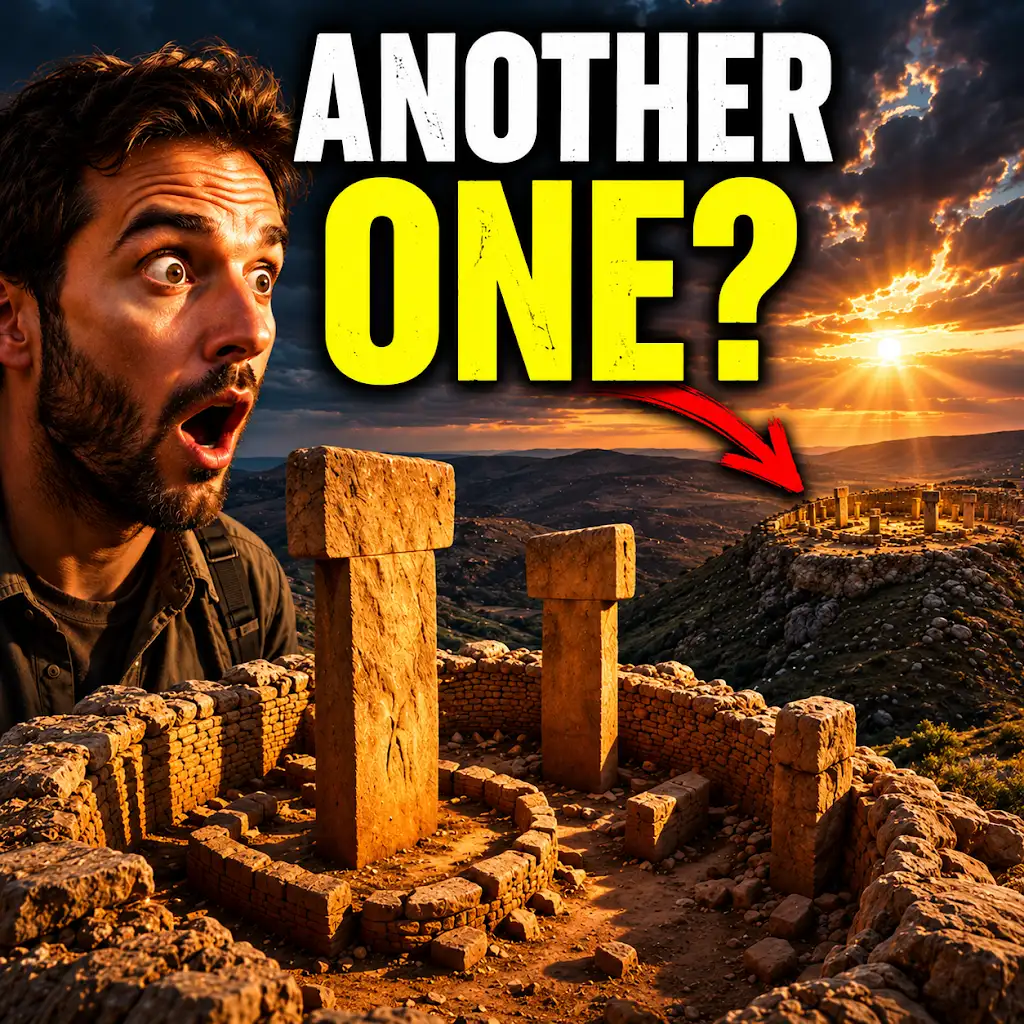
The World Beyond Göbekli Tepe Is Far Bigger Than We Thought
FAQs
What is the 12000 year old lost world?
The 12000 year old lost world refers to a recently discovered ancient civilization that dates back to around 10,000 BC. This civilization is believed to have existed in what is now modern-day Turkey.
How was the 12000 year old lost world discovered?
The 12000 year old lost world was discovered by a team of archaeologists led by Professor Klaus Schmidt in 1994. The site, known as Göbekli Tepe, was initially thought to be a Byzantine cemetery, but further excavation revealed its true significance.
What makes the 12000 year old lost world significant?
The 12000 year old lost world is significant because it challenges previous beliefs about the development of civilization. The site predates other known ancient civilizations such as Mesopotamia and ancient Egypt, and its advanced architecture and complex symbolism suggest a more sophisticated society than previously thought.
What was the purpose of the structures at the 12000 year old lost world?
The purpose of the structures at the 12000 year old lost world, Göbekli Tepe, is still a topic of debate among archaeologists. Some believe it was a religious or ceremonial site, while others suggest it may have been a center for social gatherings and community activities.
What can we learn from the 12000 year old lost world?
Studying the 12000 year old lost world can provide valuable insights into the early development of human civilization, including the origins of complex societies, religious practices, and architectural advancements. It also challenges our understanding of the timeline of human history and the capabilities of ancient peoples.