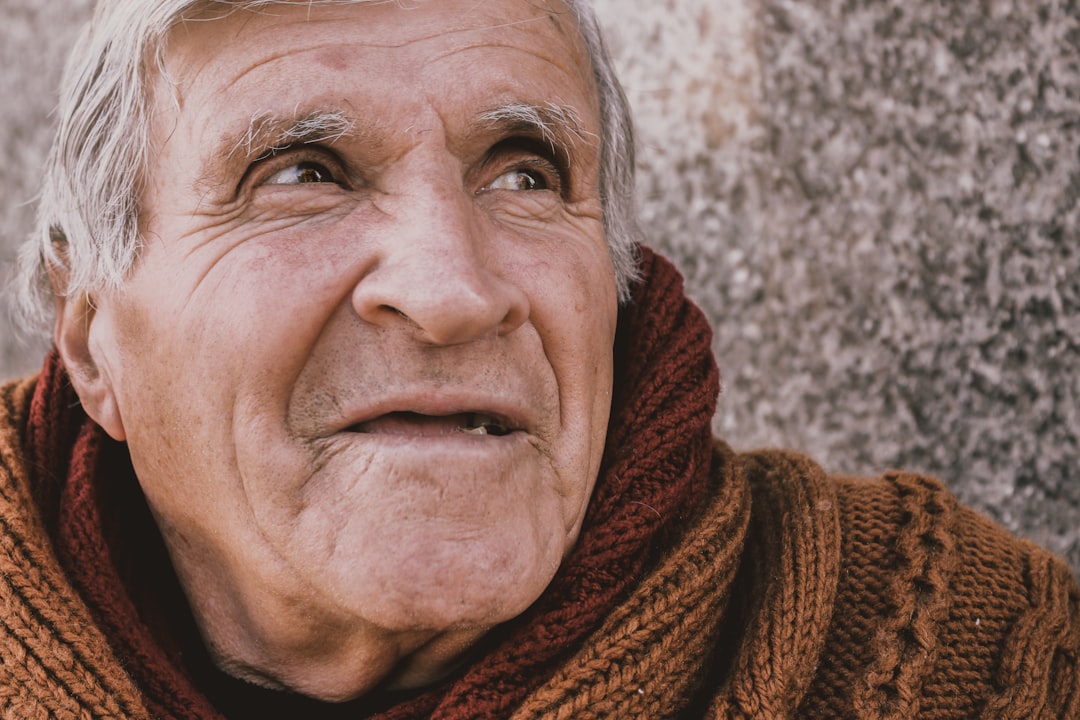
Japan stands at a demographic crossroads, grappling with one of the most significant aging populations in the world. As you delve into this topic, you will discover that nearly 30% of Japan’s population is aged 65 or older, a figure that is projected to rise in the coming decades. This phenomenon is not merely a statistic; it represents a profound shift in the societal fabric of the nation.
As you explore this issue, you will find that Japan’s aging population is a result of various interrelated factors, including low birth rates and increased life expectancy. The combination of these elements has led to a demographic imbalance that poses unique challenges and opportunities.
Understanding the nuances of this situation is crucial for grasping how Japan is navigating its future in an increasingly aged society.
Key Takeaways
- Japan’s aging population significantly increases the dependency ratio, impacting economic growth and social services.
- Key factors include low birth rates, increased life expectancy, and limited immigration.
- The healthcare system faces challenges like rising costs and a shortage of caregivers.
- Government policies focus on pension reform, healthcare improvements, and promoting active aging.
- Technology and international lessons play crucial roles in developing strategies to support the elderly population.
Understanding the Dependency Ratio
To fully appreciate the implications of Japan’s aging population, it is essential to understand the concept of the dependency ratio. This ratio measures the proportion of dependents—those who are typically not in the labor force, such as children and the elderly—compared to the working-age population. As you analyze this metric, you will see that Japan’s dependency ratio has been steadily increasing, indicating a growing burden on the working-age population to support those who are retired or unable to work.
The rising dependency ratio presents significant economic challenges. With fewer workers contributing to the economy, there is a strain on social security systems and public resources. You may find it alarming that projections suggest that by 2050, there could be as few as two working-age individuals for every elderly person.
This shift not only raises concerns about financial sustainability but also highlights the urgent need for innovative solutions to support an aging society.
Factors Contributing to Japan’s Aging Population

Several factors contribute to Japan’s aging demographic landscape, and as you explore these elements, you will uncover a complex interplay of social, economic, and cultural influences. One primary factor is the country’s remarkably low birth rate, which has been attributed to various reasons, including economic uncertainty, high living costs, and changing societal norms regarding family and career. Many young people today prioritize education and professional development over starting families, leading to a significant decline in birth rates.
In addition to low birth rates, advancements in healthcare and technology have dramatically increased life expectancy in Japan. You will find that Japanese citizens enjoy some of the highest life expectancies globally, thanks in part to a robust healthcare system and a focus on healthy living. While this is undoubtedly a positive development, it also means that more individuals are living longer lives, further contributing to the aging population.
Impacts of an Aging Population on Japan’s Economy
| Metric | Value | Impact on Economy |
|---|---|---|
| Percentage of Population Aged 65+ | 29.1% (2023) | Increased demand for healthcare and social services |
| Labor Force Participation Rate (Aged 15-64) | 59.5% | Declining workforce leading to labor shortages |
| Dependency Ratio (Elderly to Working Age) | 48.5% | Higher economic burden on working population |
| Healthcare Expenditure Growth Rate | 4.2% annually | Rising public spending on elderly care |
| GDP Growth Rate | 0.5% (recent years) | Slower economic growth due to aging population |
| Average Retirement Age | 65 years | Pressure to extend working years to sustain economy |
| Public Pension Expenditure | Approximately 17% of government budget | Increased fiscal pressure on government finances |
The economic implications of an aging population are profound and multifaceted. As you consider these impacts, you will notice that an older population can lead to decreased consumer spending and economic growth. With retirees often living on fixed incomes, their purchasing power diminishes, which can slow down economic activity.
Additionally, businesses may face challenges in adapting to a shrinking workforce, leading to potential labor shortages in various sectors. Moreover, the financial burden on social security systems becomes increasingly pronounced as more individuals retire and require pensions and healthcare services. You may find it concerning that Japan’s government faces mounting pressure to allocate resources effectively while ensuring that the needs of both the elderly and younger generations are met.
This delicate balance is crucial for maintaining economic stability in the face of demographic shifts.
Challenges Faced by Japan’s Healthcare System
Japan’s healthcare system is renowned for its quality and accessibility; however, it is not immune to the challenges posed by an aging population. As you examine this aspect, you will discover that the demand for healthcare services is surging due to the increasing number of elderly individuals requiring medical attention. This surge places immense pressure on healthcare providers and facilities, leading to concerns about capacity and resource allocation.
Additionally, you may find that the healthcare workforce itself is facing challenges related to an aging population. Many healthcare professionals are nearing retirement age, creating potential shortages in skilled labor. The need for specialized care for chronic conditions prevalent among older adults further complicates matters.
As you reflect on these challenges, it becomes clear that innovative solutions are necessary to ensure that Japan’s healthcare system can continue to provide high-quality care for its aging citizens.
Social and Cultural Implications of an Aging Population

The social and cultural implications of Japan’s aging population are profound and far-reaching. As you explore this dimension, you will notice that traditional family structures are evolving. In many cases, younger generations are moving away from home for education or work opportunities, leading to a decline in multigenerational households where elderly family members were once cared for by their children or grandchildren.
This shift has significant cultural ramifications as well. You may find it interesting that Japan has long valued respect for elders and familial duty; however, as societal norms change, there is a growing concern about social isolation among older adults. Many elderly individuals may find themselves living alone or lacking regular social interaction, which can lead to feelings of loneliness and depression.
Addressing these social issues is essential for fostering a sense of community and belonging among Japan’s aging population.
Government Policies and Initiatives to Address Aging Population
In response to the challenges posed by an aging population, the Japanese government has implemented various policies and initiatives aimed at addressing these issues. As you investigate these efforts, you will discover that one key strategy involves promoting higher birth rates through family-friendly policies such as parental leave and childcare support. The government recognizes that encouraging young families to have children is vital for balancing the demographic scales.
Additionally, you may find it noteworthy that Japan has also focused on enhancing support systems for the elderly. Initiatives such as community-based care programs aim to provide assistance to older adults while allowing them to remain in their homes as long as possible. These programs not only help alleviate pressure on healthcare facilities but also promote independence and dignity among seniors.
The Role of Technology in Supporting Japan’s Aging Population
Technology plays a pivotal role in addressing the challenges associated with Japan’s aging population. As you explore this aspect, you will find that innovations in healthcare technology are transforming how care is delivered to older adults. Telemedicine services have gained popularity, allowing seniors to access medical consultations from the comfort of their homes.
This not only enhances convenience but also reduces the burden on healthcare facilities. Moreover, advancements in robotics and artificial intelligence are being harnessed to assist with caregiving tasks. You may be intrigued by developments such as robotic companions designed to provide emotional support or assist with daily activities for seniors living alone.
These technological solutions not only improve quality of life but also help bridge the gap created by workforce shortages in caregiving roles.
International Comparisons and Lessons Learned
As you consider Japan’s aging population within a global context, it becomes evident that other countries face similar challenges. Nations such as Italy and Germany also grapple with declining birth rates and increasing life expectancies. By examining their approaches, you can glean valuable insights into potential solutions for Japan.
For instance, some countries have successfully implemented policies encouraging immigration as a means of bolstering their workforce and addressing labor shortages caused by aging populations. You may find it interesting that these nations have also invested in community programs aimed at fostering intergenerational connections, which can combat social isolation among seniors while enriching the lives of younger generations.
Strategies for Addressing Japan’s Aging Population
To effectively address the multifaceted challenges posed by an aging population, Japan must adopt comprehensive strategies that encompass various sectors of society. As you contemplate these strategies, consider the importance of fostering a culture that values both youth and age equally. Encouraging intergenerational collaboration can create opportunities for knowledge sharing and mutual support.
Additionally, investing in education and training programs for caregivers can help alleviate workforce shortages while ensuring high-quality care for older adults. You may also find it beneficial for Japan to explore innovative housing solutions that promote community living among seniors while providing access to necessary services.
Conclusion and Future Outlook
In conclusion, Japan’s aging population presents both challenges and opportunities that require thoughtful consideration and proactive measures. As you reflect on this complex issue, it becomes clear that addressing the needs of an aging society demands collaboration across various sectors—government, healthcare, technology, and community organizations must work together to create sustainable solutions. Looking ahead, Japan has the potential to emerge as a leader in developing innovative approaches to aging populations worldwide.
By embracing change and fostering a culture of inclusivity and support for all generations, you can envision a future where older adults thrive alongside younger generations—creating a harmonious society that values every stage of life.
The old age dependency ratio in Japan has become a pressing issue as the population ages rapidly, leading to significant economic and social implications. For a deeper understanding of the challenges and potential solutions related to this demographic shift, you can read more in the article available at Real Lore and Order.
WATCH THIS! The Silent Collapse: Why Japan’s Economy Was a Lie
FAQs
What is the old age dependency ratio?
The old age dependency ratio is a demographic measure that compares the number of elderly individuals, typically those aged 65 and over, to the working-age population, usually those aged 15 to 64. It indicates the pressure on the productive population to support the elderly.
What is the current old age dependency ratio in Japan?
As of recent data, Japan has one of the highest old age dependency ratios in the world, with approximately 48 elderly individuals for every 100 working-age people. This ratio continues to increase due to Japan’s aging population.
Why is Japan’s old age dependency ratio so high?
Japan’s high old age dependency ratio is primarily due to its low birth rate and high life expectancy. The population is aging rapidly, with fewer young people entering the workforce and a growing number of elderly citizens.
How does the old age dependency ratio affect Japan’s economy?
A high old age dependency ratio places economic pressure on the working population, as fewer workers support more retirees. This can lead to increased social security costs, labor shortages, and challenges in sustaining economic growth.
What measures is Japan taking to address the high old age dependency ratio?
Japan is implementing various strategies, including encouraging higher workforce participation among women and older individuals, promoting automation and technology, reforming pension systems, and considering immigration policy adjustments to mitigate the effects of an aging population.
How does Japan’s old age dependency ratio compare to other countries?
Japan has one of the highest old age dependency ratios globally, surpassing many developed countries. Its ratio is significantly higher than the global average, reflecting its unique demographic challenges.
What are the social implications of a high old age dependency ratio in Japan?
Social implications include increased demand for healthcare and eldercare services, potential intergenerational tensions over resource allocation, and changes in family structures as more elderly require support.
Can the old age dependency ratio in Japan be expected to improve in the near future?
Given current demographic trends, the old age dependency ratio in Japan is expected to remain high or increase in the near future unless there are significant changes in birth rates, immigration, or workforce participation.