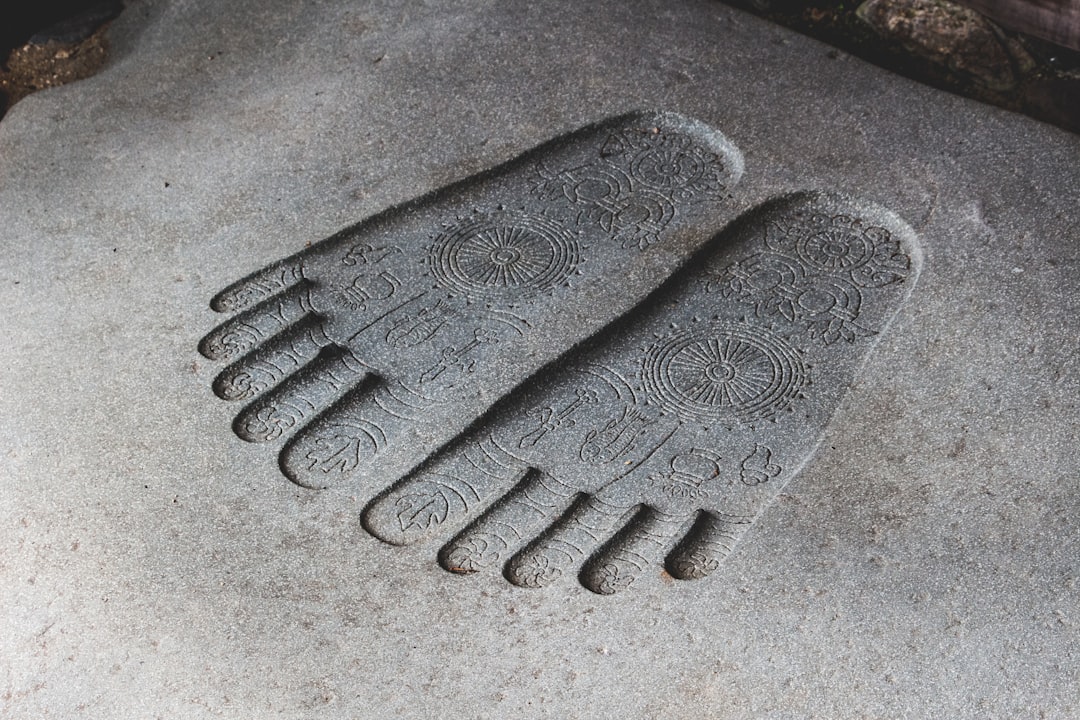
The vast, gypsum sands of White Sands National Park in New Mexico hold secrets that stretch back millennia. For years, scientists have been captivated by the park’s unique geological formations and the tantalizing hints of ancient life that lie beneath its shimmering dunes. Now, a remarkable discovery has pushed back the boundaries of our understanding, revealing a profound glimpse into a prehistoric world. Imprinted in the fine, wind-swept grains are the unmistakable tracks of mammoths, ancient giants that once roamed this very landscape. These fossilized footprints, meticulously preserved by the ephemeral nature of the dunes, offer a tangible connection to an era long past, challenging previous assumptions and igniting new avenues of scientific inquiry.
The Discovery and its Significance
The discovery of mammoth footprints at White Sands is not an entirely novel event; sporadic finds have been reported in the past. However, the scale and clarity of these recent discoveries, particularly those that have garnered significant scientific attention, are unparalleled. These aren’t just isolated imprints; they are entire trails, revealing the movements and behaviors of these colossal creatures. The implications of these findings are far-reaching, impacting our understanding of when mammoths first arrived in North America, how they navigated their environment, and the complex ecosystems they inhabited.
Unveiling the Tracks: A Glimpse into the Past
The process of uncovering these ancient tracks is a delicate dance with nature. The ephemeral nature of the White Sands dunes means that footprints can appear and disappear with the shifting sands, revealing and concealing evidence of past life. When conditions are just right – typically following periods of rain that temporarily stabilize the sand – paleontologists and park rangers have been able to identify and document these extraordinary fossils.
The Role of Wind and Water
The unique geological conditions of White Sands are crucial to the preservation of these delicate tracks. The fine gypsum crystals, when mixed with water, form a semi-solid layer. As this layer dries, it can harden, creating a mold of whatever impresses it. Wind then deposits more sand on top, burying and protecting the impression. Over millennia, this process, repeated countless times, has created a stratified record of the park’s past, including the ghostly imprints of its ancient inhabitants.
From Speculation to Certainty: Initial Findings
While anecdotal reports of large, prehistoric footprints have circulated for decades, the definitive identification of mammoth tracks required rigorous scientific analysis. Initial observations were often met with skepticism, given the challenging environment and the potential for misinterpretation. However, as more tracks were discovered and examined by experts, the evidence became undeniable. The size, shape, and characteristic arrangement of the prints strongly pointed to the unmistakable gait of a mammoth.
Recent discoveries of mammoth footprints at White Sands, New Mexico, have sparked significant interest in the study of prehistoric life and human interaction with megafauna. These footprints, dating back over 10,000 years, provide invaluable insights into the behaviors and movements of both mammoths and early human inhabitants of the region. For those intrigued by ancient mysteries and explorations, a related article delves into the enigmatic Queen Maud Land coastline and the Piri Reis map, shedding light on historical explorations and cartographic mysteries. You can read more about it in this article: Exploring the Enigmatic Queen Maud Land Coastline: Unraveling the Piri Reis Mystery.
Dating the Ancient Stride: Challenging Preconceptions
One of the most profound impacts of the White Sands mammoth footprints lies in their ability to help recalibrate our understanding of the timeline of mammoth presence in North America. Traditional archaeological and paleontological evidence has often placed the arrival of mammoths on the continent at a later date. However, the dating of these newly discovered tracks suggests that these magnificent animals may have been present in the region much earlier than previously believed.
The Radiocarbon Enigma: Establishing a Timeline
The process of accurately dating these fossilized footprints is a complex scientific undertaking. Researchers employ various dating techniques, with radiocarbon dating being a prominent method. This technique relies on the decay of radioactive carbon-14 isotopes, which are absorbed by living organisms. Once an organism dies, the carbon-14 begins to decay at a known rate. By measuring the remaining carbon-14 in organic material found in or around the footprints, scientists can estimate their age.
Challenges in Dating Fossilized Prints
Dating fossilized footprints presents unique challenges. Unlike dating bone fragments or organic artifacts, which are directly dated, footprints are indirect evidence. Researchers often look for organic material trapped within the sedimentary layers that preserve the prints. This could include plant remains or even traces of ancient dung. The accuracy of the dating then depends on the integrity of the sampled material and its direct association with the footprints.
Shifting the Paradigm: Early Mammoth Arrival
The dates derived from the White Sands mammoth footprints have, in some cases, pushed back the estimated arrival of mammoths in North America by thousands of years. This has significant implications for our understanding of human migration patterns and the timeline of interactions between early humans and megafauna. If mammoths were present in this region at such an early stage, it suggests that humans may have coexisted with them for a much longer period than previously thought.
Beyond the Footprint: Unraveling Mammoth Behavior
The discovery of these well-preserved tracks is not merely about establishing a date; it offers an unprecedented window into the behavior of these ancient behemoths. The patterns of their footprints, the distances between them, and their arrangement can reveal much about how they moved, socialized, and interacted with their environment.
Social Dynamics: Herd Behavior Revealed
In many instances, the White Sands mammoth footprints have been found in groups, suggesting the movement of multiple individuals. The spacing and arrangement of these tracks can offer clues about herd dynamics. Were they traveling in family units? Were they migrating in large herds? The presence of smaller prints alongside larger ones could indicate the presence of calves, offering a glimpse into their social structures and maternal care.
Individual Journeys: Lone Explorers or Group Migrations
Analyzing the directionality and density of the footprints can also shed light on individual journeys versus organized group movements. Are the tracks heading in a consistent direction, suggesting a migration route? Or are they scattered, indicating more localized foraging or individual exploration? The clarity of the White Sands tracks allows for a level of detail that was previously unattainable.
Environmental Interactions: Water Sources and Foraging Grounds
The location of the mammoth footprints can also provide insights into their environmental interactions. If the tracks lead towards what were once ancient water sources or areas rich in vegetation, it suggests that these creatures were adept at utilizing their surroundings to meet their needs. Understanding these patterns helps reconstruct the ancient ecosystems of White Sands.
The White Sands Ecosystem: A Prehistoric Haven
The presence of mammoths at White Sands underscores the fact that this now-arid landscape was once a vastly different environment. The ancient ecosystem that supported these massive herbivores was likely a complex tapestry of flora and fauna, a stark contrast to the current desert conditions.
Ancient Flora and Fauna: A Lost World
The types of vegetation that mammoths fed on would have dictated the landscape. Were they consuming grasses, sedges, or woody plants? Evidence from the sedimentary layers associated with the footprints can sometimes reveal fossilized plant remains, offering direct clues about their diet and the plant communities that thrived in the region. The presence of mammoths also implies the existence of a complex food web, with other animals likely sharing this ancient habitat.
The Role of Water: Ancient Lakes and Rivers
The gypsum sands of White Sands are a testament to a time when water was abundant. Ancient lakes and rivers would have supported a much richer ecosystem, providing the necessary resources for large herbivores like mammoths. The footprints themselves, often found in areas that were once shorelines or riverbeds, are direct evidence of these ancient water features.
Climate Change and Adaptation: A Story of Transformation
The transformation of White Sands from a verdant landscape to a desert is a story of dramatic climate change. The disappearance of the ancient lakes and rivers and the shift to arid conditions would have had a profound impact on the fauna that inhabited the region. The discovery of mammoth footprints at White Sands offers a snapshot of this ecosystem before its drastic transformation.
Recent discoveries of mammoth footprints at White Sands, New Mexico, have sparked significant interest in the study of prehistoric life in North America. These ancient tracks provide valuable insights into the behavior and movement of these magnificent creatures. For those interested in exploring related topics, an intriguing article discusses the implications of teaching methods in understanding complex subjects, which can be found here. This connection highlights how our approach to learning can shape our understanding of both the past and present.
Future Research and Preservation
The discovery of mammoth footprints at White Sands National Park is not an endpoint but a catalyst for further research and a call for enhanced preservation efforts. Scientists are eager to explore more of the park, hoping to uncover even more evidence of these ancient giants and the world they inhabited.
Expanding the Search: New Frontiers in Paleontology
With the success of the current discoveries, researchers are increasingly keen to expand their search across different areas of White Sands National Park. Advanced surveying techniques and ground-penetrating radar may be employed to identify promising locations for further excavation and study. The goal is to build a more comprehensive picture of mammoth distribution and behavior across the region.
Technological Advancements: Tools for Discovery
Technological advancements are playing a crucial role in this ongoing research. Drones equipped with high-resolution cameras can map vast areas, identifying potential fossil sites. Digital mapping and 3D scanning technologies allow for the meticulous documentation and analysis of the footprints, preserving them virtually even as they are threatened by natural erosion.
The Importance of Preservation: Protecting a Fragile Legacy
The ephemeral nature of the White Sands dunes presents a significant challenge for preservation. The very forces that create these fossils can also lead to their destruction. Park management and scientific teams are working collaboratively to develop strategies for protecting these invaluable discoveries. This may involve carefully stabilizing certain areas or documenting them thoroughly before they are lost to the wind and sand.
Public Engagement and Education: Sharing the Wonder
The White Sands mammoth footprints are a powerful tool for public education and engagement. Sharing these discoveries with the public fosters a deeper appreciation for natural history, paleontology, and the importance of conservation. Educational programs and interpretative materials will play a vital role in conveying the significance of these findings to a wider audience, inspiring future generations of scientists and conservationists.
In conclusion, the mammoth footprints discovered at White Sands National Park represent a monumental stride in our understanding of prehistoric North America. They have not only pushed back the timeline of mammoth presence but have also provided invaluable insights into their behavior, the ancient ecosystems they inhabited, and the dramatic environmental changes that have shaped this remarkable landscape. As research continues and preservation efforts are strengthened, these ancient tracks will undoubtedly continue to reveal their secrets, offering us ever-deeper glimpses into the distant past.

These Footprints Could Rewrite the Story of the First Americans
FAQs
What are mammoth footprints?
Mammoth footprints are the imprints left behind by the large, extinct elephant-like creatures known as mammoths. These footprints provide valuable information about the size, gait, and behavior of these ancient animals.
Where are the mammoth footprints located?
The mammoth footprints were discovered in White Sands, New Mexico. This area is known for its vast gypsum dune fields and is a popular location for paleontological research.
How were the mammoth footprints preserved?
The mammoth footprints were preserved in the gypsum-rich sediment of White Sands. The unique conditions of the area, including the presence of gypsum and occasional flooding, helped to create a perfect environment for preserving the footprints over thousands of years.
What do the mammoth footprints tell us about the animals?
Studying the mammoth footprints can provide insights into the size, weight, and movement patterns of the mammoths. Researchers can also use the footprints to understand the social behavior and interactions of these ancient creatures.
Why are the mammoth footprints significant?
The discovery of mammoth footprints in White Sands, New Mexico is significant because it adds to our understanding of the prehistoric ecosystem in the region. It also provides valuable information about the behavior and movement patterns of mammoths, contributing to our knowledge of these fascinating creatures.