
The stark, otherworldly beauty of White Sands National Park in New Mexico has long captivated visitors with its vast expanse of gypsum dunes. Yet, beneath this shimmering landscape lies a deeper, more ancient narrative, one etched not in stone, but in the very earth itself. In recent years, this ancient story has been brought to light through the remarkable discovery of human footprints, offering an unprecedented glimpse into the lives of some of the earliest inhabitants of North America. This revelation has not only rewritten timelines but also ignited a profound sense of connection to our distant past, transforming White Sands from a geological marvel into a deeply human landscape.
The journey to understanding these ancient footprints began not with a grand expedition, but with a series of intriguing observations. For years, park rangers and local researchers noted unusual impressions in certain areas of the park, particularly after heavy rains or shifts in the dune formations. These depressions, though often fleeting, possessed a distinct human-like quality that set them apart from the myriad of animal tracks that regularly graced the sandy terrain. Initially, their significance was debated, with some attributing them to natural erosional processes or even more recent human activity. However, the persistent nature of these formations, and the growing number of reports, spurred a more concerted effort to investigate.
Early Speculation and the Role of Nature
The soft, porous nature of the gypsum sand at White Sands means that any impression left upon it is inherently fragile. This characteristic, while contributing to the park’s unique aesthetic, also presents a significant challenge for preserving ephemeral evidence of the past. Early on, the prevailing scientific understanding suggested that human presence in this region was considerably more recent. Therefore, any depressions resembling footprints were often tentatively explained as geological quirks.
The “Pseudofootprints” Hypothesis
One of the initial scientific considerations was the formation of “pseudofootprints.” These are impressions created by the natural forces of wind and water acting upon the gypsum. The unique crystalline structure of gypsum can, under specific conditions, form shapes that superficially mimic organic forms. Researchers meticulously examined these hypotheses, comparing the suspect impressions to known geological formations and the tracks of local fauna to rule out natural explanations.
The Elusive Evidence
Despite the initial skepticism, the consistent appearance of these impressions, particularly their regularity and the spacing that suggested bipedal locomotion, fueled continued curiosity. The ephemeral nature of the evidence, however, meant that any potential site of interest could be quickly erased by the shifting sands, making systematic study difficult. This added a layer of urgency to the ongoing observations.
Recent discoveries of ancient human footprints at White Sands National Park have sparked significant interest in the study of early human life in North America. These footprints, estimated to be around 23,000 years old, provide crucial evidence of human presence during the last Ice Age. For those interested in exploring more about ancient civilizations and their potential advancements, a related article titled “Uncovering Evidence of Ancient Advanced Civilizations” offers intriguing insights. You can read it here: Uncovering Evidence of Ancient Advanced Civilizations.
The Breakthrough: Scientific Scrutiny and Dating
The turning point in understanding the true age and origin of the White Sands footprints came with the application of rigorous scientific methodologies. The vague observations of the past were systematically analyzed, and new discoveries were subjected to advanced dating techniques. This transition from anecdotal evidence to empirical data was crucial in establishing the profound significance of these ancient traces.
The Maya Limy and the Stratigraphy of Time
The key to unlocking the age of the footprints lay in the geological context in which they were found. The White Sands are not a simple accumulation of sand; they are composed of gypsum, a mineral that forms in specific geological conditions. Interspersed within these gypsum layers are often deposits of mud, particularly from ancient lakebeds that once existed in the region. These mud layers, known as paleolakes, hold a critical key to dating: they contain organic material that can be accurately dated.
The Significance of Paleolakes
During the Pleistocene Epoch, the climate of the American Southwest was wetter and cooler than it is today. This led to the formation of numerous shallow lakes and playa lakes across the landscape, including in the area that is now White Sands. As these lakes ebbed and flowed, they left behind layers of fine sediment, including muds. When humans or animals walked across the wet mud around these ancient shorelines, their footprints were preserved as the mud dried and hardened. Later, these hardened impressions were often covered by wind-blown gypsum, effectively encapsulating them for millennia.
Radiocarbon Dating: A Window to the Past
The presence of organic material within these mud layers, such as plant fragments or even ancient microbial life, provided a direct means of dating. Radiocarbon dating, a technique that measures the decay of the radioactive isotope carbon-14, became indispensable. By analyzing the carbon-14 content in samples taken from layers above and below the footprints, scientists could establish a temporal bracket, indicating when the footprints were made.
Pinpointing the Pleistocene
The radiocarbon dating of samples associated with the footprints yielded astonishing results. The dates consistently pointed to a period during the late Pleistocene Epoch, a time when mammoths and other megafauna roamed the land. This pushed the established timeline for human presence in North America back by thousands of years, challenging long-held theories about the peopling of the continent.
Challenging Established Timelines
For decades, the prevailing “Clovis-first” model suggested that the earliest inhabitants of North America arrived around 13,500 years ago. The White Sands footprints, with dates pushing back to 23,000 years ago, presented a direct contradiction to this paradigm. This forced a significant reevaluation of archaeological and anthropological understanding, opening up new avenues of research and debate.
The “Pre-Clovis” Era Takes Center Stage
The implications of these dates were profound. They strongly supported the existence of a significant “Pre-Clovis” human presence in North America, indicating that humans arrived on the continent much earlier than previously thought and likely crossed Beringia before the formation of the Clovis culture. This fundamentally altered the narrative of human migration and settlement.
The Footprints Themselves: A Human Story

Beyond the scientific dating, the footprints themselves offer an intimate and evocative glimpse into the lives of these ancient people. Each impression is a silent testament to individual movements, choices, and everyday activities, transforming abstract dates and theories into tangible human experiences.
More Than Just Impressions: Analyzing the Details
When examined closely, the footprints reveal a wealth of information. The size and depth of the impressions can provide clues about the age, sex, and even the gait of the individuals who made them. The presence of other tracks alongside them can offer insights into social dynamics and group behavior.
Size and Stature: Inferring Demographics
The dimensions of the footprints, such as their length and width, can be used to estimate the height and build of the individuals. This allows researchers to infer whether the tracks were made by adults or children, and potentially even to distinguish between males and females based on general anthropometric data.
Gait and Movement: Understanding Daily Life
The spacing and depth variations in a series of footprints can reveal how people moved. Were they walking at a relaxed pace, or were they running? Were they carrying burdens, as suggested by deeper impressions? These subtle details paint a picture of their daily routines and activities.
A Window into Social Interactions
The arrangement of the footprints, and the presence of multiple sets of tracks, can offer clues about social interactions. Did individuals walk together? Were there separate paths for different groups? These patterns can hint at family units, social gatherings, or even hunting parties.
Group Dynamics: Walking Together
The discovery of multiple sets of footprints appearing in close proximity suggests that people were moving in groups. The relative positions and spacing of these tracks can indicate whether they were walking side-by-side, in single file, or interacting in other ways.
The Mystery of the Children’s Tracks
Perhaps some of the most poignant discoveries are the smaller footprints, clearly belonging to children. These impressions add a deeply human dimension to the scientific findings, reminding us that these were not just abstract figures but families with young ones navigating their world. Some of these children’s tracks are found alongside adult tracks, suggesting they were accompanied and cared for.
The Significance of White Sands: A Global Perspective
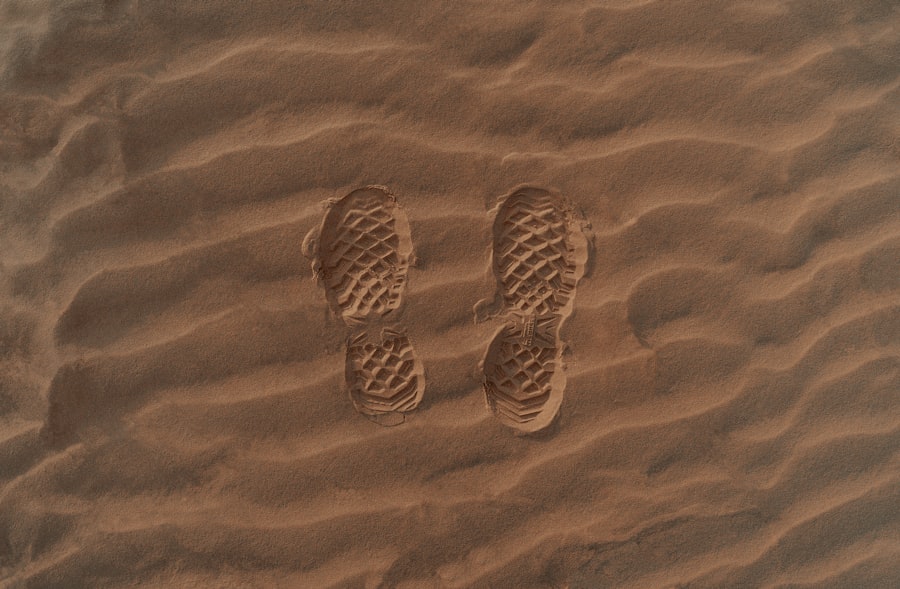
The discoveries at White Sands National Park are not merely a local archaeological footnote; they have far-reaching implications for our understanding of human history and migration on a global scale. The evidence unearthed in this New Mexico desert challenges existing paradigms and opens up new frontiers of research.
Redefining the “Peopling of the Americas”
The most immediate and profound impact of the White Sands footprints is their challenge to the established timeline of human migration into the Americas. The 23,000-year-old dates suggest a much earlier arrival than previously accepted, necessitating a re-evaluation of the routes and timing of these ancient journeys.
Beyond Beringia: Alternative Migration Theories
While the Bering land bridge remains a plausible route for early human migration, the White Sands findings lend further support to theories that suggest additional migration pathways, such as coastal routes along the Pacific rim. The earlier arrival implies that humans may have been present in North America for a much longer period, allowing for greater diversification and dispersal.
The Complexity of Early Human Movement
These discoveries underscore the complexity of early human movements. It is no longer sufficient to envision a single, monolithic migration event. Instead, the evidence points to a more intricate tapestry of movements, with potential multiple arrivals and dispersals over vast periods.
A Global Tapestry of Human Resilience
The White Sands footprints contribute to a broader understanding of human resilience and adaptability. These early peoples were not only able to traverse vast continents but also to thrive in diverse and challenging environments, as evidenced by their presence in what is now a desert landscape.
Adapting to Diverse Environments
The fact that humans were present in the White Sands region during the late Pleistocene, a period with a different climate, speaks to their remarkable ability to adapt to a variety of ecological conditions. This underscores the inherent capacity of humans to find and exploit resources in new territories.
A Shared Human Ancestry
Ultimately, these ancient footprints serve as a powerful reminder of our shared human ancestry. They connect us to individuals who lived and breathed thousands of years ago, highlighting the common threads of human experience that transcend time and geography.
Recent discoveries of ancient human footprints at White Sands National Park have sparked significant interest among researchers and historians alike, shedding light on the lives of early inhabitants of North America. These footprints, believed to be over 23,000 years old, provide valuable insights into the behaviors and movements of prehistoric peoples. For those interested in exploring how human innovation and exploration have evolved over time, a fascinating read can be found in this article about the new space race and the tactics nations are employing to stake their claims on the moon. You can check it out here.
Preserving the Past for Future Generations
| Location | Date Discovered | Number of Footprints | Age of Footprints |
|---|---|---|---|
| White Sands National Park | 2017 | More than 400 footprints | Approximately 23,000 years old |
The extraordinary nature of the White Sands footprints comes with a significant responsibility: ensuring their preservation for future study and for the benefit of generations to come. The very forces that preserved these impressions for millennia also pose a threat to their continued existence.
The Fragile Nature of the Evidence
The delicate balance of wind, rain, and the ephemeral nature of gypsum sand means that these ancient tracks are constantly at risk of being eroded or buried. This requires a constant effort to monitor, document, and protect the sites where these footprints are found.
Monitoring and Documentation: A Continuous Effort
Park staff and researchers are engaged in ongoing efforts to monitor known footprint sites. This involves regular surveys, photographic documentation, and the use of advanced imaging techniques to record the details of the impressions before they change or disappear.
The Role of Technology in Preservation
New technologies are playing a crucial role in this preservation effort. Lidar scanning, for example, allows for the creation of highly detailed 3D models of the footprints, providing a permanent digital record that can be studied even if the physical impressions are lost.
Balancing Access and Protection
White Sands National Park is a popular tourist destination, and balancing public access with the need to protect these invaluable archaeological resources presents a constant challenge. Strict regulations and visitor education are essential to minimize human impact on sensitive areas.
Visitor Education and Stewardship
Educating visitors about the significance of the footprints and the importance of their preservation is paramount. This includes providing information about responsible behavior within the park and discouraging activities that could damage the fragile sites.
Designated Research Areas
Certain areas containing significant footprint evidence may be designated as off-limits to the general public, accessible only to researchers. This allows for controlled study and ensures that these irreplaceable resources are not inadvertently disturbed.
The Ongoing Quest for Knowledge
The discovery of these ancient footprints is not an endpoint but a beginning. The research at White Sands continues, with ongoing exploration and analysis promising to reveal even more about the lives of these early inhabitants and their place in the grand narrative of human history. The sands of White Sands, once perceived primarily for their geological wonder, have now revealed themselves as a profound repository of human memory, inviting us to walk in the footsteps of our distant ancestors and contemplate the enduring journey of our species.

These Footprints Could Rewrite the Story of the First Americans
FAQs
What are the ancient human footprints at White Sands National Park?
The ancient human footprints at White Sands National Park are fossilized tracks left by early inhabitants of North America. These footprints provide valuable insight into the lives of ancient humans who lived in the area over 10,000 years ago.
How were the ancient human footprints preserved at White Sands National Park?
The ancient human footprints at White Sands National Park were preserved through a combination of factors including the unique gypsum sand dunes and the arid climate of the region. The footprints were covered by layers of gypsum sand, which helped protect them from erosion and other environmental factors.
What do the ancient human footprints reveal about early human activity?
The ancient human footprints at White Sands National Park reveal important information about early human activity in North America. They provide evidence of hunting, gathering, and other daily activities of ancient inhabitants. The footprints also offer clues about the size, gait, and behavior of the individuals who left them.
How are the ancient human footprints studied and preserved at White Sands National Park?
The ancient human footprints at White Sands National Park are studied and preserved through careful scientific research and conservation efforts. Researchers use advanced techniques such as 3D scanning and photogrammetry to document and analyze the footprints. Conservation measures are also in place to protect the footprints from damage and degradation.
What is the significance of the ancient human footprints at White Sands National Park?
The ancient human footprints at White Sands National Park are significant because they provide a direct link to the early human history of North America. They offer a rare glimpse into the lives of ancient inhabitants and contribute to our understanding of human migration and settlement in the region. The footprints also hold cultural and educational value for visitors to the park.