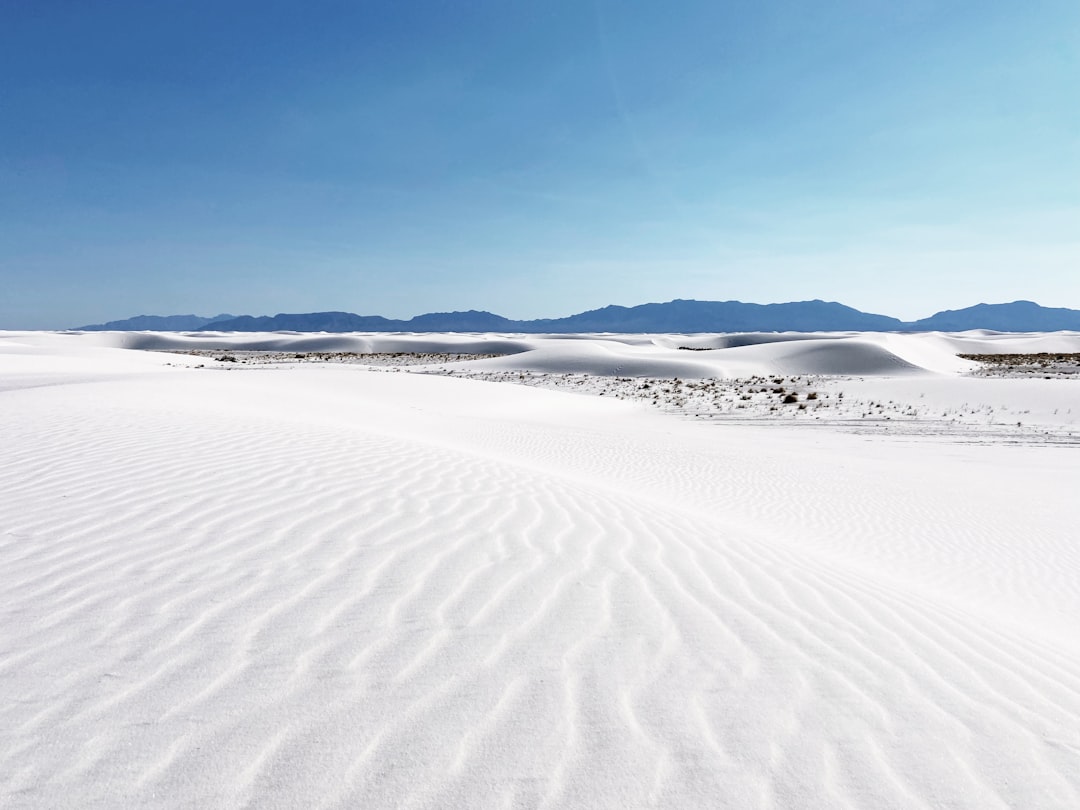
White Sands National Park, a breathtaking expanse of gypsum dunes in New Mexico, is renowned for its stark, surreal beauty and the tantalizing glimpse it offers into a deep past. While visitors marvel at the shimmering white landscape, a significant and ongoing story unfolds beneath the shifting sands: the discovery and preservation of archaeological treasures. These remnants of ancient human presence whisper tales of forgotten peoples, their ingenious adaptations to a challenging environment, and the very origins of human habitation in the Americas. The park, far from being just a geological wonder, serves as a vast, open-air museum, where dedicated archaeologists and researchers diligently work to uncover and interpret the scattered evidence of millennia of human activity.
The most compelling and groundbreaking discoveries at White Sands relate to the earliest periods of human presence in North America, pushing back the established timelines and igniting fierce debate within the scientific community. For decades, the Clovis culture, dating back approximately 13,000 years, was considered the earliest evidence of widespread human settlement. However, the White Sands finds have dramatically challenged this paradigm.
The Dawn of Discovery: The Story of the Ghost Ranch Strata
The initial hints of an older human presence emerged from meticulous work in layers of sediment, often referred to as strata, within the park. Researchers, meticulously documenting the geological history of the dunes, began to encounter artifacts and trace evidence that predated the accepted Clovis timeline. These findings were often subtle, requiring careful analysis and comparison with established archaeological chronologies.
Artefacts of a Lost World
Among the earliest discoveries were lithic artifacts – stone tools crafted by early humans. These weren’t the finely flaked points associated with later cultures but rather more rudimentary tools, indicative of a survival strategy honed by a nomadic lifestyle. The types of stone used, their flaking techniques, and their distribution across the landscape all provided clues to the capabilities and movements of these ancient peoples.
Beyond Tools: The Significance of Trace Evidence
While stone tools are a crucial piece of the puzzle, the truly revolutionary discoveries at White Sands have involved more ephemeral forms of evidence. These include microscopic traces of organic materials, ancient hearths, and evidence of resource utilization that, when analyzed with advanced dating techniques, painted a picture of human activity far older than previously thought. The careful excavation and analysis of these subtle indicators have been paramount in establishing the extended timeline of human occupation.
The Groundbreaking Footprints: Revolutionizing the Timeline
The most sensational and scientifically impactful discoveries at White Sands have been the human footprints preserved in the ancient lakebed sediments. These aren’t just any footprints; they represent indisputable evidence of human presence dating back to a time when North America was undergoing dramatic environmental changes at the end of the last Ice Age.
Imprints in Time: The Dynamics of Preservation
The unique conditions at White Sands, particularly the presence of soft gypsum sediments and the subsequent drying and hardening of these layers, have created an extraordinary environment for preserving ephemeral evidence like footprints. When ancient humans walked across the wet mud of a prehistoric lakebed, their impressions were left behind. Subsequent layers of sediment, windblown gypsum, and the drying process essentially fossilized these tracks, protecting them from erosion and the passage of time.
Radiocarbon Dating: Unlocking the Age of the Tracks
The dating of these footprints has been a complex and iterative process. Initial dating efforts utilized radiocarbon analysis of organic materials found within or associated with the footprint layers, such as seeds, charcoal, or even pollen. These analyses provided age estimates that, upon initial publication, caused considerable controversy due to their implications for established migration models.
The Puzzling Origins of Organic Material
A key point of contention in the early stages of research revolved around the precise association of organic materials with the footprints. Archaeologists had to meticulously ensure that the dated material was definitively contemporaneous with the footprints themselves, and not from a later or earlier period. This required painstaking excavation and contextual analysis to rule out any possibility of contamination or misinterpretation.
Subsequent Verification and Corroboration
As more footprints were discovered and analyzed, and as dating technologies advanced, the initial estimates began to be corroborated by independent research teams. The consistent dating of multiple track sites, using different organic samples and employing sophisticated analytical techniques, has gradually built a stronger consensus around the remarkable age of these human imprints. This ongoing verification process is crucial in the scientific community’s acceptance of such groundbreaking findings.
Implications for Human Migration Theories
The dating of the White Sands footprints has profound implications for our understanding of how and when humans first populated the Americas. The presence of humans at White Sands between approximately 21,000 and 23,000 years ago significantly predates the widely accepted Clovis barrier, suggesting that humans were established in North America for thousands of years longer than previously believed. This forces a re-evaluation of migration routes and timing.
Challenging the Bering Land Bridge Model
For decades, the primary theory for human migration into the Americas involved a land bridge that connected Siberia and Alaska during glacial periods, known as Beringia. While this model remains plausible, the White Sands evidence suggests that humans may have arrived via different routes, or perhaps much earlier, potentially utilizing coastal migration pathways before the retreat of the ice sheets opened up interior routes.
The Importance of Multiple Migration Waves
The early presence of humans at White Sands also supports the idea of multiple migration waves into the Americas. It is possible that early arrivals, distinct from later Clovis populations, adapted to various environments and developed different toolkits and cultural practices. The park’s archaeological record offers a window into these potentially diverse early groups.
Recent archaeological discoveries at White Sands, New Mexico, have shed new light on the region’s ancient history, revealing evidence of human presence dating back over 20,000 years. This remarkable finding has sparked interest not only among historians and archaeologists but also in discussions about the implications of land use and property rights. For a deeper understanding of how government actions can impact private property, you may find the article on the government’s seizure of private property during crises insightful. You can read it here: Government’s Seizure of Private Property in Crisis.
Glimpses into Ancient Lifeways: Adapting to the Dune Sea
Beyond the astonishing age of the earliest inhabitants, the archaeological record at White Sands provides invaluable insights into how these ancient peoples lived, survived, and interacted with their unique environment. The gypsum dunes, while challenging, also offered distinct resources and opportunities.
Paleoenvironmental Reconstruction: A Dynamic Landscape
Understanding the ancient environment of White Sands is crucial to interpreting the archaeological evidence. The park today is a desert, but during the late Pleistocene and early Holocene, it was a much wetter landscape, characterized by numerous lakes, rivers, and diverse flora and fauna.
The Shifting Sands of Time
Archaeologists use geological data, pollen analysis, and the study of fossilized plant and animal remains to reconstruct the paleoenvironment. These studies reveal periods of abundant water and vegetation, interspersed with cycles of drying and aridification, directly impacting the availability of resources for human populations.
The Interplay of Humans and Ecosystems
The archaeological sites at White Sands offer direct evidence of how humans interacted with these changing ecosystems. They hunted game, gathered plants, and utilized available resources, leaving behind traces of their activities that speak to their sophisticated understanding of their surroundings.
Subsistence Strategies: Survival in a Challenging Terrain
The inhabitants of White Sands developed specific strategies to procure food and water in this dynamic environment. The available evidence points to a varied diet and resourceful utilization of both aquatic and terrestrial resources.
Hunting and Gathering: A Diverse Diet
Archaeological evidence, such as animal bone fragments and plant remains, indicates that early inhabitants hunted a range of fauna, including large mammals that roamed the ancient grasslands. They also gathered edible plants, seeds, and tubers, demonstrating a broad knowledge of the local flora.
The Importance of Water Sources
The presence of ancient lakes and watercourses would have been a critical factor for human settlement. Archaeological sites are often found in proximity to these ancient water sources, highlighting their importance for survival and as focal points for human activity.
Lithic Technology: Crafting Tools for Survival
The stone tools found at White Sands provide a tangible connection to the technological capabilities of its ancient inhabitants. The types of stone used and the methods of manufacture reveal their ingenuity and adaptability.
Sourcing and Processing Raw Materials
Archaeologists analyze the geological origins of the lithic materials to understand where ancient peoples obtained their stone. The presence of various stone types suggests trade networks or extensive travel to procure suitable materials for toolmaking. The methods of flaking and shaping the stone indicate their understanding of fracture mechanics and tool design.
Functional Diversity of Stone Tools
The recovered tools exhibit a range of functions, from projectile points for hunting to scrapers for processing hides and knives for butchering. The wear patterns on these tools, examined under magnification, further reveal their specific uses and the tasks performed by these ancient people.
Preserving the Past: The Challenges of a Dynamic Landscape

White Sands National Park is not a static museum. The very forces that preserve its archaeological treasures also pose significant threats to their continued existence. The wind, rain, and constant movement of the gypsum dunes present a perpetual challenge for preservation efforts.
The Threat of Erosion: The Sands of Time
The constant shifting of the dunes is a double-edged sword. While it can uncover new sites, it also exposes previously buried artifacts and features to the elements, leading to rapid deterioration. Wind erosion can obliterate delicate features, and rain can leach away organic materials.
Unearthing and Reburial Cycles
The dynamic nature of the dunes means that archaeological sites are constantly being unearthed and then reburied. This ongoing cycle necessitates continuous monitoring and rapid intervention when significant discoveries are made. The ephemeral nature of many discoveries means that what is visible today may be gone tomorrow.
The Impact of Weathering and Chemical Processes
The high gypsum content of the dunes can also contribute to the degradation of artifacts, particularly those made of organic materials. Chemical processes within the soil can alter or destroy evidence over time, making the preservation of certain types of artifacts particularly challenging.
The Role of Technology in Protection and Study
Modern technology plays a vital role in both protecting and studying the fragile archaeological resources at White Sands. Advanced imaging techniques, remote sensing, and digital documentation are indispensable tools for researchers.
Remote Sensing and Geophysical Surveys
Techniques such as ground-penetrating radar (GPR) and magnetometry are used to identify potential subsurface archaeological features without extensive excavation. These non-invasive methods help researchers pinpoint areas of interest and minimize disturbance to the landscape.
High-Resolution Imaging and Digital Archiving
The use of drones and high-resolution cameras allows for detailed mapping and documentation of archaeological sites and individual artifacts. This digital data is crucial for creating accurate records, tracking changes over time, and facilitating further research. The meticulous digital archiving of all findings ensures that the information is preserved for future generations, even if the physical remains degrade.
Collaborative Efforts: Scientists, Park Rangers, and the Public
The preservation of White Sands’ archaeological heritage is a collaborative endeavor. It requires the combined efforts of archaeologists, park rangers, geologists, and increasingly, the public, who play a crucial role as stewards of the park.
The Vigilance of Park Staff
Park rangers are on the front lines of preservation. Their daily patrols help identify new discoveries, monitor existing sites, and respond to any threats to the archaeological resources. Their knowledge of the park and its delicate ecosystem is invaluable.
The Importance of Public Awareness and Responsible Tourism
Educating visitors about the importance of the archaeological sites and encouraging responsible behavior is paramount. Promoting a “leave no trace” ethic and discouraging the removal of any artifacts ensures that these treasures remain for future generations to discover and study. Public engagement through educational programs and guided tours helps foster a sense of ownership and responsibility.
Unveiling the Future: Ongoing Research and Future Discoveries
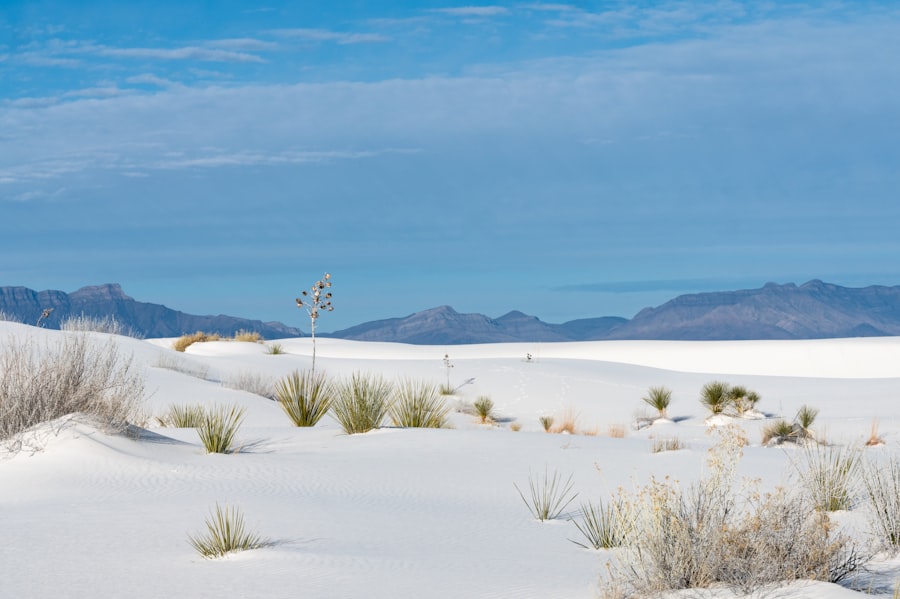
The archaeological exploration of White Sands is far from over. The vastness of the park and the dynamic nature of its landscape suggest that many more secrets lie buried beneath the dunes, waiting to be revealed by ongoing research and future scientific advancements.
Expanding the Chronological Framework
Future research will undoubtedly continue to push the boundaries of human occupation in the Americas. Scientists will strive to find even older evidence, further refining our understanding of when and how humans first arrived and spread across the continent.
The Search for Even Earlier Habitation
Researchers are actively exploring new areas of the park and employing advanced techniques to search for evidence that may predate even the earliest known footprints. This could involve new types of artifacts, different forms of trace evidence, or even fossilized remnants of early human campsites.
Investigating Potential Coastal Migration Routes
The possibility of early human migration along ancient coastlines remains a significant area of inquiry. Future research may focus on identifying submerged or eroded coastal sites that could shed light on these early journeys.
Understanding Cultural Diversity and Adaptation
As more sites are discovered and analyzed, a more nuanced picture of the cultural diversity and adaptive strategies of early peoples will emerge. This will move beyond broad timelines to explore the specific lifeways and innovations of different groups.
Regional Variations in Toolkits and Practices
Future excavations will likely reveal greater regional variations in stone tool technologies, subsistence strategies, and potentially even social structures. This will help archaeologists differentiate between distinct cultural groups and understand their unique adaptations to different environmental niches.
The Development of Complex Societies
As the archaeological record extends further back in time, researchers will also investigate the potential for the development of more complex social organizations and cultural practices among early inhabitants, challenging assumptions about the simplicity of early American societies.
The Role of Citizen Science and Public Engagement
The future of archaeological discovery at White Sands may also involve innovative approaches to public engagement, including citizen science initiatives that empower the public to contribute to research efforts.
Citizen Scientists as Guardians of the Past
Training volunteers in basic archaeological survey and documentation techniques could significantly expand the reach of research efforts. Citizen scientists can help identify potential sites, monitor known locations, and contribute valuable observational data.
Interactive Educational Experiences
The park is increasingly utilizing interactive exhibits, virtual reality experiences, and online platforms to share its archaeological discoveries with a wider audience. These initiatives aim to make the science accessible and engaging, fostering a deeper appreciation for the park’s rich heritage.
Recent archaeological discoveries at White Sands, New Mexico, have shed light on the ancient human presence in North America, pushing back the timeline of human habitation in the region. These findings have sparked interest not only among historians but also in various fields, including economics, as they highlight the importance of understanding our past. For a deeper exploration of how historical events can influence modern economic trends, you might find this article on the reshoring impact on the US economy insightful. You can read it here.
A Window to Our Origins: The Enduring Legacy of White Sands
| Discovery Date | Location | Artifact Type | Significance |
|---|---|---|---|
| 1930s | White Sands, New Mexico | Fossilized footprints | Evidence of human presence over 10,000 years ago |
White Sands National Park is more than just a stunning natural landscape; it is a profound repository of human history. The archaeological treasures unearthed from its shifting sands offer an unparalleled glimpse into the lives of our most ancient ancestors, challenging our understanding of human origins and migration.
A Living Laboratory of Human History
The ongoing research at White Sands serves as a vital “living laboratory” for understanding human adaptation and resilience. The park’s unique conditions allow for the preservation of evidence that is often lost in other environments, providing a rare opportunity to study the deep past.
The Power of Paleoarchaeology
The discoveries at White Sands underscore the immense importance of paleoarchaeology – the study of ancient human remains and their environments. It is through this discipline that we can piece together the intricate narrative of human evolution and migration across the globe.
Lessons for the Present and Future
By studying the adaptive strategies of ancient peoples who thrived in challenging environments, we can gain valuable insights into sustainable living and human resilience. The lessons learned from White Sands can inform our understanding of our own relationship with the environment and the challenges of navigating a changing world.
The Importance of Continued Investment and Research
The continued discovery and preservation of the archaeological treasures at White Sands depend on sustained investment in research, technology, and conservation efforts. Protecting these irreplaceable resources is a long-term commitment.
Securing Funding for Expeditions and Analysis
Ongoing archaeological expeditions, laboratory analysis of recovered materials, and the development of new preservation techniques require consistent financial support. This funding allows researchers to pursue critical questions and ensure the integrity of the unearthed evidence.
Fostering Interdisciplinary Collaboration
The most significant advancements in understanding the White Sands archaeological record have come from collaborations between archaeologists, geologists, climatologists, geneticists, and other specialists. Continued interdisciplinary work is essential for a comprehensive interpretation of the findings.
A Global Significance: Rewriting the Human Story
The archaeological discoveries at White Sands National Park are not just of regional or national importance; they have global significance. They are actively reshaping our understanding of human history, our place in the grand tapestry of life, and the incredible journey of our species across the planet. The whispers from beneath the dunes are a powerful testament to the enduring human spirit and our ancient roots in the Americas.

These Footprints Could Rewrite the Story of the First Americans
FAQs
What was discovered at White Sands, New Mexico?
Archaeologists discovered a series of ancient footprints at White Sands, New Mexico, which are believed to be over 23,000 years old. These footprints provide evidence of human activity in North America during the last ice age.
What is the significance of this discovery?
The discovery of these ancient footprints at White Sands, New Mexico is significant because it challenges previous theories about the timeline of human migration into the Americas. It suggests that humans may have arrived in North America much earlier than previously thought.
How were the footprints preserved for so long?
The footprints were preserved due to the unique environmental conditions at White Sands, including the presence of gypsum in the soil. This allowed the footprints to be imprinted and preserved over thousands of years.
What do the footprints reveal about the people who made them?
The footprints reveal that the people who made them were likely part of a larger group, as there are multiple sets of footprints found in the same area. The size and spacing of the footprints also provide insight into the physical characteristics and behavior of the individuals who made them.
What are the next steps for researchers following this discovery?
Researchers plan to continue studying the footprints and the surrounding area at White Sands, New Mexico to gain a better understanding of the people who left the footprints and the environment in which they lived. This discovery has opened up new avenues for archaeological research in the region.