
The Last Glacial Maximum (LGM) presented a starkly different North America, a continent sculpted by ice and unforgiving in its grandeur. For the early human populations that inhabited this vast landscape, survival was not a passive existence but a constant, intricate dance with an environment that demanded resilience, ingenuity, and profound knowledge. This was an era when colossal ice sheets, the Laurentide and Cordilleran, dominated the northern two-thirds of the continent, forcing human adaptation to a degree rarely seen in subsequent periods. Understanding survival during the LGM requires delving into the strategies employed to navigate extreme cold, procure scarce resources, and maintain social structures in a world profoundly shaped by glaciation.
The sheer scale of the Laurentide Ice Sheet was the defining feature of LGM North America. This immense frozen mass, miles thick in places, stretched from the Arctic islands down to the present-day Ohio River valley and across much of Canada. Its presence dramatically altered landscapes, carving out vast fjords, gouging out the Great Lakes basins, and depositing colossal moraines. The periphery of this ice sheet was characterized by a frigid steppe-tundra environment, a stark contrast to the verdant forests of today.
Life on the Periglacial Frontier
The regions bordering the Laurentide Ice Sheet, known as the periglacial zones, were the primary abodes for human populations. These areas, though frigid, were not entirely devoid of life.
Tundra and Steppe Ecosystems
The dominant vegetation consisted of hardy grasses, sedges, mosses, and lichens, interspersed with low-lying shrubs. This treeless landscape, while seemingly bleak, supported a surprisingly diverse megafauna. Herds of mammoth, mastodon, bison antiquus, caribou, and horses roamed these plains, providing a vital food source for human hunters. Understanding the migratory patterns and habits of these animals was paramount for successful hunting expeditions.
Frozen Rivers and Glacial Meltwater Streams
Rivers, often fed by glacial meltwater, carved through the landscape. These watercourses, though frequently partially or fully frozen for much of the year, could serve as routes for travel and as indicators of potential hunting grounds. Fish, though less abundant than terrestrial mammals, could be a crucial dietary supplement, especially in areas where large game was migratory.
The Impact of Permafrost and Cryoturbation
The omnipresent permafrost presented its own challenges. Constant freezing and thawing cycles, known as cryoturbation, constantly reshaped the land, making stable settlements difficult to establish in some areas. This meant that human groups were likely more mobile, following the movements of game and adapting to the ever-changing terrain.
During the Last Glacial Maximum, humans in North America faced extreme environmental challenges that shaped their survival strategies and cultural practices. The adaptation to harsh climates and the migration patterns of large game animals significantly influenced their way of life. For a deeper understanding of how ancient memory systems and mnemonic devices may have played a role in the cognitive strategies of these early peoples, you can explore the article “Unlocking Ancient Memory Grids: Mnemonic Devices” found at this link.
Resource Procurement in a Frozen World
The harsh climate of the LGM dictated a highly specialized approach to resource procurement. Survival hinged on the ability to acquire and process animal hides, bone, and meat, and to effectively utilize plant materials when available.
Hunting the Giants of the Ice Age
Large game animals formed the backbone of the LGM diet. The sheer size and power of these creatures necessitated sophisticated hunting strategies and robust tools.
Mammoth and Mastodon Hunting
The woolly mammoth and mastodon, iconic inhabitants of the LGM, were a prize catch. Hunting these massive herbivores likely involved cooperative efforts, using specialized spears tipped with stone or bone points. Ambush tactics, driving the animals into natural traps like ravines or bogs, were probably common. The successful slaughter of a large mammal provided not only meat but also hides for clothing and shelter, bones for tools and fuel, and ivory for crafting.
Bison and Equid Herds
Herds of Bison antiquus and Ice Age horses also provided sustenance. These animals, perhaps less challenging to hunt than mammoths, would have offered a more consistent food supply. Tracking these herds across the vast plains and understanding their social structures would have been crucial for efficient hunting.
Small Game and Avian Resources
While large game was the focus, smaller animals like rabbits, foxes, and birds also contributed to the diet. Snares and traps would have been effective for catching these smaller creatures, providing a more readily accessible protein source.
Utilizing Every Part: The Ingenuity of Bone and Hide
The ability to maximize the utility of every hunted animal was a hallmark of LGM survival.
Bone Tools and Implements
Bone was a versatile material, fashioned into a wide array of tools. Needles for sewing hides, awls for punching holes, scrapers for processing hides, and projectile points were all expertly crafted from bone. The marrow within bones also provided a valuable source of fat and nutrients.
Hide Tanning and Clothing
Animal hides were essential for protection against the extreme cold. The process of tanning hides to make them pliable and durable would have been a critical skill. Clothing was likely multilayered, constructed from the thick hides of large mammals and insulated with furs. Parkas, leggings, and moccasins would have been vital for survival in sub-zero temperatures.
The Role of Fire: Warmth and Sustenance
Fire was an indispensable element of LGM life. It provided warmth, a crucial necessity in the frigid environment. It was also used for cooking meat, making it more digestible and killing parasites. Furthermore, fire could be used to harden wooden spear tips and to create smoke for drying and preserving meat.
Shelter and Dwelling Strategies

Constructing and maintaining effective shelter was paramount for surviving the LGM’s brutal winters. Human groups employed a variety of strategies, often dictated by available resources and their nomadic lifestyle.
Temporary and Semi-Permanent Structures
The need for mobility often meant that shelters were designed to be erected and dismantled relatively quickly.
Mammoth Bone Dwellings
In areas where mammoths were abundant, their massive bones provided a readily available building material. Excavated remains of mammoth bone structures, particularly in Eastern Europe, suggest circular or oval dwellings constructed with large bones forming the framework and covered with hides and sod. These structures could offer significant protection from wind and cold.
Hide and Wood Structures
More ephemeral shelters likely consisted of frameworks of wood or bone covered with animal hides. These could range from simple windbreaks to more elaborate tent-like structures, depending on the duration of stay and the severity of the weather.
Natural Shelters and Caves
Utilizing natural features like caves and rock overhangs provided immediate and effective shelter. These locations offered protection from the elements and could be readily adapted for habitation.
The Importance of Insulation
Regardless of the primary construction material, insulation was key to maintaining warmth.
Thatching and Sod
The use of thick layers of moss, grass, or sod as roofing and wall insulation would have significantly improved the thermal efficiency of dwellings.
Furs and Pelts
The abundant furs from hunted animals were undoubtedly used to line the interiors of shelters, providing an additional layer of warmth and comfort.
Social Organization and Survival Networks
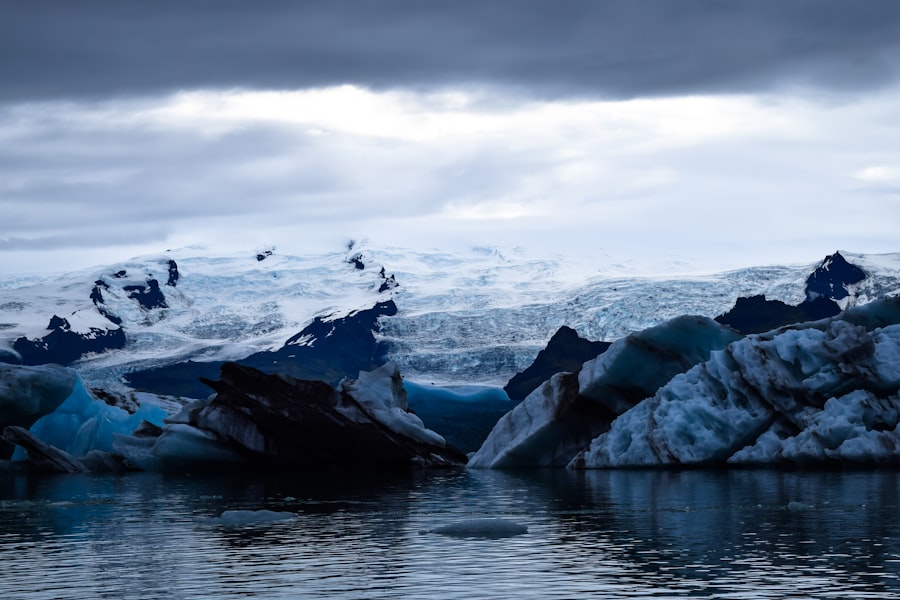
Survival on the LGM frontier was not solely an individual endeavor. Social organization and the formation of networks were crucial for sharing knowledge, coordinating hunts, and providing mutual support.
The Role of Kinship and Band Societies
Early human groups were likely organized into small, mobile bands, often based on kinship ties. These bands would have facilitated cooperation in hunting, gathering, and child-rearing.
Inter-Band Exchange and Alliances
While bands were largely self-sufficient, there is evidence to suggest that they engaged in exchange and formed alliances with other groups. This could have involved the trade of raw materials, finished tools, or even social connections through marriage.
Knowledge Transmission and Education
The complex skills required for LGM survival, from flintknapping to tracking game, were passed down through generations. Elders would have played a vital role in educating younger members of the group, ensuring the continuity of essential knowledge.
The Significance of Shared Resources and Cooperation
In a resource-scarce environment, cooperation was not just beneficial but essential.
Cooperative Hunting Expeditions
As mentioned earlier, the hunting of large game often required the coordinated efforts of multiple individuals, highlighting the importance of communal action.
Sharing of Food and Resources
The sharing of food and other vital resources within a band would have been a critical survival mechanism, ensuring that no individual or family suffered unduly from a lack of provisions.
Defense and Mutual Aid
In a dangerous world, bands may have also relied on each other for defense against predators or rival groups, and for mutual aid in times of crisis, such as illness or injury.
During the Last Glacial Maximum, humans in North America faced significant challenges as they adapted to harsh climates and shifting landscapes. Archaeological evidence suggests that these early inhabitants developed innovative survival strategies, including hunting megafauna and foraging for diverse plant resources. For a deeper understanding of how environmental changes impact human societies, you can explore this related article on economic stability and its parallels to historical adaptations in the face of crisis. Check it out here.
Dispersal and Adaptation in the Face of Ice
| Aspect | Data/Metric |
|---|---|
| Population | Likely less than 10,000 individuals |
| Settlements | Small, mobile hunter-gatherer groups |
| Technology | Stone tools, bone tools, and possibly early forms of clothing |
| Environment | Cold and arid climate with large ice sheets covering much of the continent |
| Subsistence | Relying on hunting large game such as mammoths and bison, as well as gathering plants |
The presence of the massive ice sheets profoundly influenced human dispersal patterns across North America. While the northern regions were largely uninhabitable, human populations adapted to the available refugia and the dynamic glacial margins.
The Pacific Coastal Route Hypothesis
One prominent hypothesis suggests that early humans may have migrated into North America via a Pacific coastal route, utilizing the ice-free corridor along the western seaboard. This route would have offered access to marine resources, which could have sustained populations during periods when terrestrial resources were scarce.
Marine Resources and Coastal Adaptations
The rich marine ecosystems along the Pacific coast, including shellfish, fish, and marine mammals, could have provided a reliable food source. Coastal adaptations would have involved specialized tools for fishing and marine hunting, and knowledge of tidal patterns and marine life.
The Challenge of Glacial Advance
Even along the coast, glacial advances could have presented significant challenges, forcing migrations and adaptations to changing ice margins.
The Inland Ice-Free Corridor
The timing of the opening of the inland ice-free corridor, a potentially habitable zone between the Laurentide and Cordilleran ice sheets, is a subject of ongoing debate. If this corridor opened early enough, it would have provided a route for inland migration from Alaska into the rest of North America.
Navigating the Glacial Margins
Populations living near the ice sheets would have needed to understand the dynamic nature of the ice, including meltwater flows, calving icebergs, and the seasonal advances and retreats of the glaciers.
The Bering Land Bridge and Early Migrations
While the LGM saw the expansion of ice sheets, it also overlapped with periods when the Bering Land Bridge was exposed, allowing for migrations from Asia into North America. The descendants of these early migrants would have then adapted to the LGM environment.
Post-Glacial Rebound and the Reshaping of Landscapes
As the LGM waned and the ice sheets began to retreat, the landscapes of North America underwent dramatic transformations. This post-glacial rebound opened up new territories for human colonization and led to shifts in ecosystems and resource availability. The survival strategies honed during the LGM provided a crucial foundation for these later adaptations to a warming world. The legacy of these resilient ancestors is etched in the archaeological record, a testament to the extraordinary capacity of humans to thrive even in the most challenging of circumstances.

These Footprints Could Rewrite the Story of the First Americans
FAQs
1. What was the Last Glacial Maximum (LGM) and when did it occur?
The Last Glacial Maximum (LGM) was a period of the most recent glacial advance, which occurred approximately 26,500 to 19,000 years ago. During this time, large parts of North America were covered by ice sheets and glaciers.
2. Were humans present in North America during the Last Glacial Maximum?
Yes, humans were present in North America during the Last Glacial Maximum. Archaeological evidence suggests that humans inhabited parts of North America during this time, adapting to the harsh environmental conditions and utilizing available resources for survival.
3. How did humans in North America adapt to the environmental challenges during the Last Glacial Maximum?
Humans in North America during the Last Glacial Maximum adapted to the environmental challenges by utilizing specialized hunting techniques, making use of available plant resources, and possibly seeking refuge in areas with milder climates, such as along the coastlines.
4. What evidence supports the presence of humans in North America during the Last Glacial Maximum?
Archaeological findings, such as stone tools, hearths, and other artifacts, as well as the discovery of human remains, provide evidence of human presence in North America during the Last Glacial Maximum. Additionally, genetic studies of modern Indigenous populations also support the presence of ancient human populations in North America during this time.
5. How did the presence of humans in North America during the Last Glacial Maximum contribute to our understanding of human migration and adaptation?
The presence of humans in North America during the Last Glacial Maximum contributes to our understanding of human migration and adaptation by providing insights into how early populations navigated and survived in challenging environments. It also sheds light on the diverse strategies and innovations that early humans employed to thrive in different ecological settings.