
The hushed anticipation within the darkened theater was palpable. As the opening credits rolled, signaling the commencement of “Uncovering the First Americans: Archaeology Documentary,” a collective breath seemed to be held by the assembled audience. This cinematic journey promised to delve into one of history’s most enduring enigmas: the identity and arrival of the first humans on the American continents. The documentary, a meticulously crafted exploration of scientific discovery, archaeological endeavor, and the persistent human quest for origins, aimed to illuminate the complex and often contentious narrative of how humans first populated the vast expanse of North and South America.
The question of who the first Americans were and when they arrived has captivated scholars and the public alike for centuries. For a long time, a singular narrative dominated, known as the Clovis-First model. This theory posited that the first humans to inhabit the Americas were a Paleoindian culture, the Clovis people, who arrived approximately 13,500 years ago, migrating from Siberia across a land bridge that once connected Asia and North America during the last Ice Age. Their distinctive fluted spear points, found at numerous archaeological sites across the continent, served as the primary evidence for this belief. The Clovis-First model, for decades, served as the bedrock of our understanding of early American settlement. However, as archaeological techniques advanced and new discoveries emerged, cracks began to appear in this seemingly solid foundation. The documentary meticulously traces the evolution of this understanding, showcasing how persistent fieldwork and a willingness to challenge established dogma have reshaped our perception of humanity’s earliest footsteps on this continent. It highlighted the inherent challenges in deciphering a past that is literally buried beneath millennia of earth, erosion, and geological change. The narrative underscored that archaeology is not a static science but a dynamic field of ongoing investigation, where new evidence can, and often does, overturn long-held theories.
The Rise and Reign of the Clovis-First Model
The early 20th century witnessed the burgeoning of scientific archaeology in North America. The discovery of distinctive stone tools, characterized by their elegant fluting at the base, became a defining marker of the earliest known inhabitants. These “Clovis points,” named after the town in New Mexico where they were first extensively studied, were found in association with the remains of megafauna, the extinct giant mammals that roamed the continent during the Pleistocene epoch. This association fueled the belief that the Clovis people were skilled hunters who followed these animals across the Bering Land Bridge. The documentary expertly presented archival footage and early excavation photographs, painting a vivid picture of the excitement and intellectual fervor surrounding these discoveries. It showcased the meticulous work of early archaeologists who painstakingly cataloged these artifacts, their significance gradually becoming apparent. The Clovis-First model provided a coherent, albeit limited, framework for understanding the initial peopling of the Americas, offering a clear timeline and a distinct cultural signature. It became the prevailing paradigm, shaping academic discourse and public perception for generations.
The Seeds of Doubt: Early Challenges to the Paradigm
While the Clovis-First model enjoyed widespread acceptance, a persistent undercurrent of dissent began to emerge. Anomalous archaeological finds, sites that appeared to predate the Clovis culture, were increasingly being unearthed. These discoveries, often met with skepticism and resistance from the established archaeological community, presented a significant challenge to the prevailing theory. The documentary dedicated substantial segments to these early maverick researchers and their groundbreaking, often controversial, findings. It highlighted the painstaking efforts required to document these pre-Clovis sites, often in remote and challenging environments. The narrative emphasized the scientific process at play: the presentation of evidence, the rigorous peer review, and the eventual, albeit slow, acceptance of new data that contradicted established beliefs. These early challenges were not simply about finding older artifacts; they were about fundamentally questioning the accepted timeline and the assumed migratory route, paving the way for a more complex and nuanced understanding of American prehistory.
The exploration of the first Americans and their rich archaeological history is a fascinating subject that intertwines with various aspects of ancient cultures. A related article that delves into the intriguing use of mnemonic devices in ancient societies can be found at this link: Unlocking Ancient Memory Grids: Mnemonic Devices. This article offers insights into how early civilizations, possibly including the first Americans, utilized memory techniques to preserve and transmit their knowledge across generations.
Beyond the Bering Strait: Exploring Alternative Migration Routes
The perceived limitations of the Bering Land Bridge as the sole point of entry for the first Americans sparked considerable debate and spurred the exploration of alternative migration routes. The documentary meticulously examines these hypotheses, presenting compelling evidence that suggests a more multifaceted approach to early human dispersal. The coastal migration route, once a fringe theory, has gained significant traction in recent decades, supported by a growing body of archaeological and genetic evidence. This route posits that early humans traveled along the Pacific coastline, utilizing marine resources and navigating along the shores of Alaska and down the western seaboard of North and South America. The documentary visually reconstructs this journey, using sophisticated CGI to depict the ancient coastlines and the potential travel methods of these early mariners. It explores the challenges and opportunities presented by such a journey, from the reliance on sophisticated boat-building and navigation skills to the abundance of seafood and coastal flora that could sustain a migrating population.
The Coastal Migration Hypothesis: A Viable Alternative
The coastal migration hypothesis offers a compelling explanation for the presence of human populations in the Americas much earlier than previously thought. The documentary showcases sites like Monte Verde in Chile, which has yielded evidence of human occupation dating back over 14,500 years, predating the Clovis culture. The archaeological remains at Monte Verde include not only stone tools but also organic materials, such as plant remains and wooden artifacts, offering a richer picture of daily life and subsistence strategies. The documentary emphasizes the importance of these organic finds, as they are often more susceptible to degradation but provide invaluable insights into diet, technology, and settlement patterns. Furthermore, genetic studies have also lent support to the coastal migration theory, suggesting a divergence of Native American populations that aligns with a southward movement along the Pacific coast. The documentary delves into the complexities of interpreting genetic data, explaining how the analysis of mitochondrial DNA and Y-chromosome DNA can reveal patterns of migration and population history stretching back thousands of years.
The Role of the Pacific Coastline in Early Settlement
The documentary highlights the dramatic environmental changes that occurred at the end of the last Ice Age. As glaciers receded, vast areas of the Pacific coastline, previously submerged or inaccessible, became exposed. This created new opportunities for migration and settlement. The documentary explores the potential for ice-free corridors to have formed along the coast, allowing for passage southward. It also discusses the possibility of mariners utilizing the ice edge itself as a navigational aid and a source of resources, a concept known as the “ice-edge corridor” hypothesis. The visual reconstructions are crucial here, showing how early humans might have adapted to these challenging but ultimately navigable environments. The documentary underscores that these early Americans were not simply land-bound nomads but were likely skilled mariners capable of undertaking ambitious voyages. This re-evaluation of their capabilities challenges the traditional image of primitive hunter-gatherers and paints a picture of resourceful and adaptable pioneers.
Unearthing the Evidence: Key Archaeological Discoveries
The backbone of “Uncovering the First Americans” lies in its detailed exploration of pivotal archaeological sites. These locations, often the result of decades of painstaking excavation and analysis, serve as tangible proof of the complex history of human migration into the Americas. The documentary brings these sites to life, utilizing stunning cinematography and expert commentary to illustrate the significance of each discovery. From the iconic Clovis points to the more subtle evidence of early human presence, these sites are presented not just as collections of artifacts but as windows into the lives of our earliest ancestors. The narrative emphasizes the interdisciplinary nature of modern archaeology, where geologists, geneticists, paleontologists, and other specialists collaborate to extract the maximum information from these precious remnants of the past.
Monte Verde, Chile: A Pre-Clovis Game Changer
The documentary dedicates a significant portion to the extraordinary discoveries at Monte Verde in southern Chile. This site, meticulously excavated by Tom Dillehay and his team, provided irrefutable evidence of human occupation dating back at least 14,500 years, significantly predating the Clovis culture. The documentary highlights the preservation conditions at Monte Verde, which allowed for the survival of delicate organic materials, including wooden tools, hearths, and even plant remains. These findings provided an unprecedented glimpse into the diet, settlement patterns, and toolkits of a pre-Clovis population. The documentary revisits the controversy that initially surrounded Monte Verde, demonstrating how robust scientific methodology and mounting evidence eventually led to its widespread acceptance within the archaeological community. It underscores the importance of challenging established paradigms and the courage required to pursue unconventional findings.
Paisley Caves, Oregon: Genetic Clues to Early Migrants
The Paisley Caves in Oregon offer another crucial piece of the puzzle. The discovery of human coprolites (fossilized feces) dating back over 14,000 years has provided invaluable genetic material. The documentary explains how DNA extracted from these coprolites has been analyzed, revealing genetic links to modern Native American populations and confirming the presence of humans in North America significantly before the Clovis culture. The documentary visually represents the extraction and analysis of ancient DNA, a complex process that has revolutionized our understanding of human migration. It explains the concept of “mitochondrial Eve” and “Y-chromosome Adam” in the context of American populations, illustrating how genetic lineages can be traced back to specific ancestral groups and migration events. The Paisley Caves discoveries underscore the power of modern scientific techniques in unlocking the secrets of the past.
Other Significant Sites and Their Contributions
Beyond Monte Verde and Paisley Caves, the documentary touches upon numerous other vital archaeological sites that have contributed to our understanding of the first Americans. These include Meadowcroft Rockshelter in Pennsylvania, Gault Site in Texas, and the Cooper’s Ferry site in Idaho, each offering unique evidence of early human presence and technological sophistication. The documentary uses a dynamic montage of images and short interviews with the archaeologists who led the excavations at these sites, allowing viewers to grasp the breadth and depth of the archaeological record. It highlights how each site, with its specific geographical context and archaeological assemblage, contributes a unique perspective to the overall narrative, filling in different pieces of the complex mosaic of early American settlement.
The Science Behind the Discoveries: Tools and Techniques
“Uncovering the First Americans” not only showcases the discoveries themselves but also delves into the sophisticated scientific tools and techniques that have enabled these breakthroughs. The documentary demonstrates how advancements in dating methodologies, artifact analysis, and genetic sequencing have revolutionized the field of archaeology, allowing for unprecedented precision and insight into the ancient past. It emphasizes that archaeology is no longer solely about the shovel and brush but relies heavily on cutting-edge scientific analysis. The documentary aims to demystify these complex scientific processes, making them accessible and engaging for a general audience, illustrating how scientific rigor is fundamental to the credibility and progress of archaeological research.
Radiocarbon Dating: Pinpointing the Past
The documentary explains the fundamental principles of radiocarbon dating, a technique that has been instrumental in establishing chronologies for archaeological sites. It illustrates how the decay of radioactive carbon-14 isotopes in organic materials can be measured to determine their age. The documentary emphasizes the limitations of radiocarbon dating, such as the effective range of the technique and the potential for contamination, but also highlights its immense value in providing absolute dates for archaeological finds. Visualizations of carbon atoms and their decay process help to clarify the scientific underpinnings of this crucial dating method. The documentary shows how radiocarbon dating has been applied to various organic artifacts from early American sites, providing concrete timelines for human presence.
Paleoclimatology and Paleoenvironmental Reconstruction
Understanding the ancient environment is crucial for interpreting human migration and settlement patterns. The documentary explores the field of paleoclimatology, explaining how scientists reconstruct past climates through the analysis of ice cores, sediment layers, and fossilized pollen. It illustrates how this information helps to understand the geographical conditions, vegetation, and animal life that early Americans would have encountered. The documentary connects these environmental reconstructions directly to the archaeological evidence, showing how changes in sea level, glaciation, and vegetation would have influenced migration routes and resource availability. For instance, understanding when the Bering Land Bridge was exposed or when coastal ice-free corridors might have been navigable is directly informed by paleoclimatic data.
Ancient DNA Analysis: Unraveling Genetic Lineages
The advent of ancient DNA (aDNA) analysis has been a game-changer in understanding human origins. The documentary delves into the process of extracting and analyzing ancient DNA from human remains, coprolites, and even environmental samples. It explains how this genetic information can reveal ancestral relationships, migration patterns, and the genetic diversity of early populations. The documentary highlights how aDNA studies have provided crucial evidence for the timing and routes of migration into the Americas, sometimes confirming or challenging hypotheses derived from traditional archaeological methods. It discusses the ethical considerations and technical challenges associated with aDNA research, emphasizing the importance of responsible scientific practice. The visualization of DNA strands and their comparison between different populations helps to make this complex science more understandable.
The recent documentary on the archaeology of the first Americans sheds light on the complex societies that existed long before European contact, revealing their innovative practices and rich cultural heritage. For those interested in understanding the broader context of ancient civilizations, a related article discusses the sudden collapse of various cultures throughout history, which can provide valuable insights into the challenges faced by early societies. You can explore this fascinating topic further in the article about the downfall of ancient civilizations.
The Future of Discovery: Ongoing Research and Emerging Questions
| Metrics | Data |
|---|---|
| Documentary Title | First Americans Archaeology |
| Release Year | 2021 |
| Duration | 90 minutes |
| Director | [Director’s Name] |
| Archaeological Sites Featured | [List of sites] |
“Uncovering the First Americans” concludes by looking towards the future, acknowledging that the story of the first Americans is far from fully told. The documentary highlights the ongoing research, emerging technologies, and persistent questions that continue to drive archaeological exploration. It emphasizes that new discoveries are made regularly, and our understanding of this ancient past is constantly evolving. The narrative encourages a sense of wonder and anticipation for what future investigations will reveal, reinforcing the idea that the quest for understanding our origins is a continuous and exciting journey of scientific inquiry and human curiosity.
The Role of Technology in Future Investigations
The documentary shines a light on how emerging technologies are poised to further revolutionize the study of the first Americans. Innovations in remote sensing, such as LiDAR (Light Detection and Ranging), can penetrate dense vegetation to reveal hidden archaeological features on the landscape. Advanced computational modeling and artificial intelligence are being used to analyze vast datasets and identify subtle patterns that might have previously gone unnoticed. The documentary also touches upon the potential for further advancements in DNA sequencing techniques, allowing for the analysis of even more degraded or limited genetic samples. These technological leaps promise to unlock new insights and potentially rewrite chapters of our prehistory.
Persistent Questions and New Avenues of Research
Despite the significant progress made, several key questions regarding the first Americans remain unanswered. The documentary touches upon the precise timing and number of migration waves, the specific origins of different Native American groups, and the nature of their interactions with the changing Pleistocene environment. It also discusses the ongoing debate surrounding the possibility of pre-Clovis trans-Atlantic migration, a hypothesis that, while still debated, continues to generate research. The documentary concludes by fostering a sense of anticipation for future discoveries, suggesting that the story of the first Americans is a dynamic and evolving narrative, continually being shaped by the dedication and ingenuity of researchers worldwide. It leaves the audience with a profound appreciation for the depth of human history and the ongoing quest to understand our collective past.
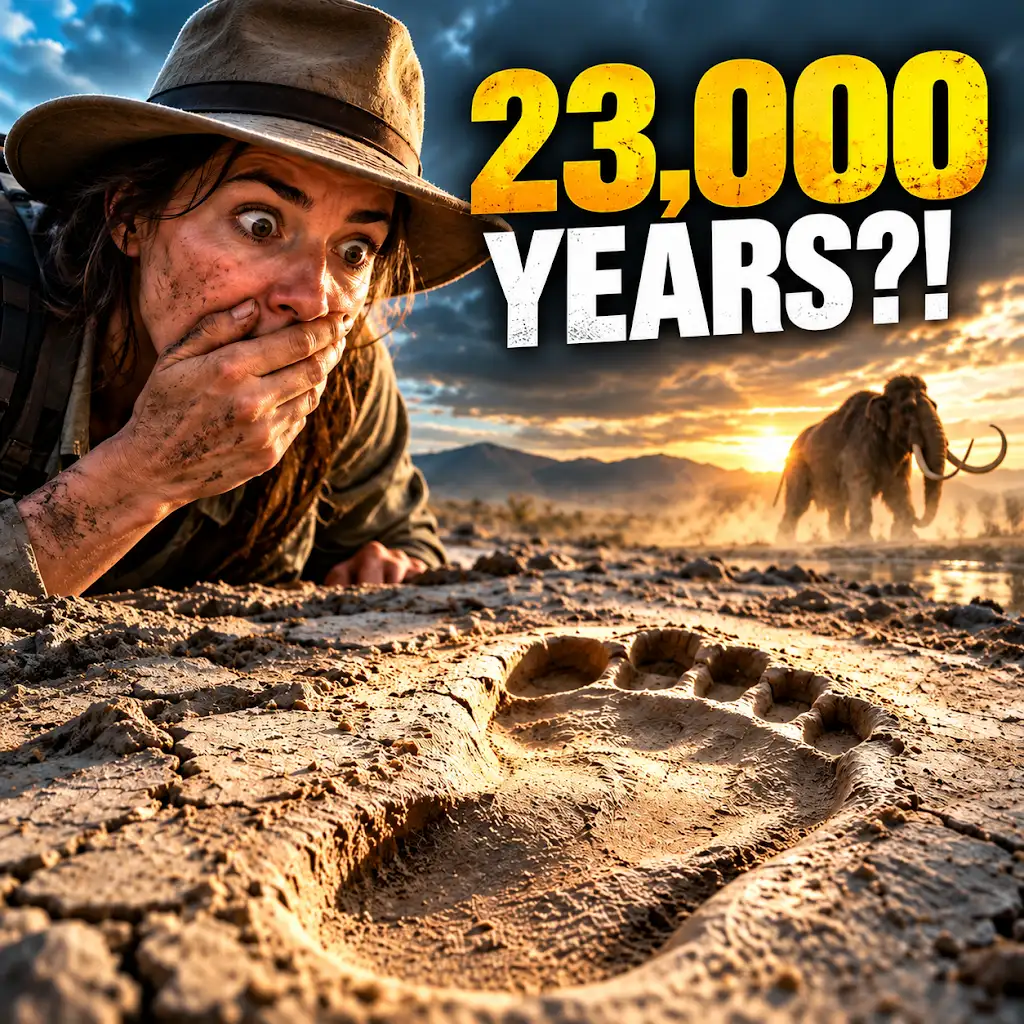
These Footprints Could Rewrite the Story of the First Americans
FAQs
What is the documentary “First Americans” about?
The documentary “First Americans” explores the archaeological evidence and research surrounding the earliest human inhabitants of the Americas.
What are some key findings presented in the documentary?
The documentary presents key findings such as the discovery of ancient tools, artifacts, and human remains that provide insights into the migration patterns and lifestyles of the first Americans.
Who are the experts featured in the documentary?
The documentary features interviews and insights from leading archaeologists, anthropologists, and researchers who have dedicated their careers to studying the first Americans and their ancient cultures.
How does the documentary contribute to our understanding of early American history?
The documentary contributes to our understanding of early American history by presenting the latest archaeological discoveries and scientific research that shed light on the origins and experiences of the first Americans.
Where can the “First Americans” documentary be viewed?
The “First Americans” documentary may be available for viewing on streaming platforms, through educational institutions, or on television networks that specialize in historical and archaeological programming.