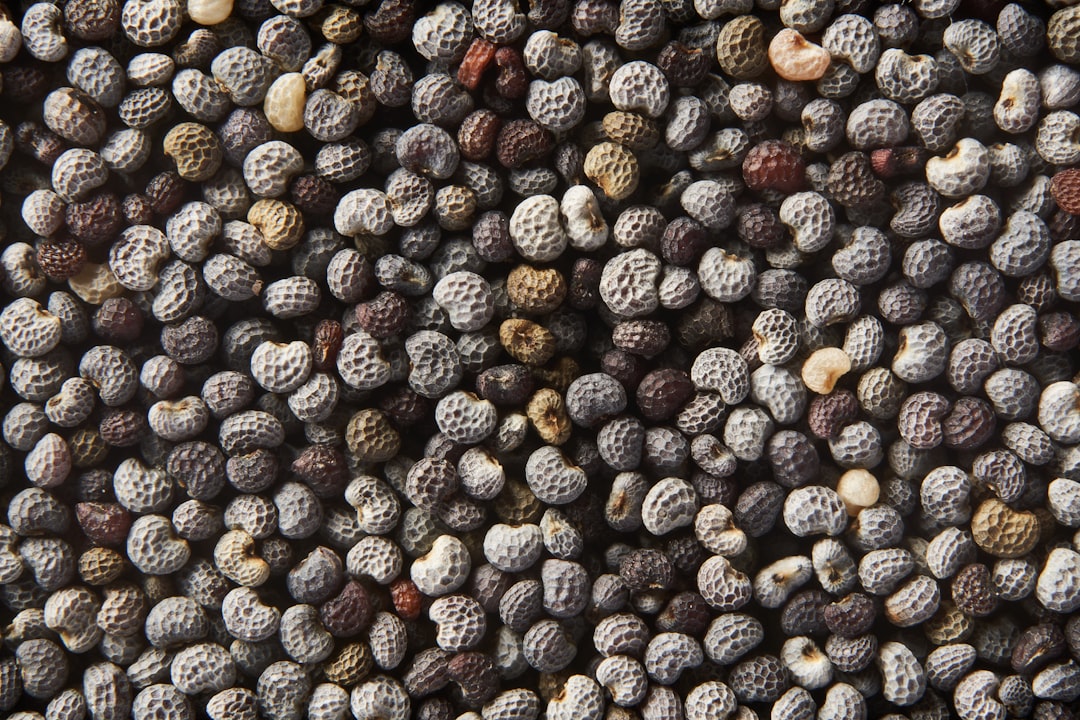
The tranquil expanse of White Sands National Park, typically a haven for visitors seeking the ethereal beauty of gypsum dunes, has recently become the site of an unexpected and surprisingly heated scientific debate. At the heart of this controversy lies a microscopic organism: Ruppia maritima, commonly known as widgeongrass. While seemingly insignificant to the casual observer, this aquatic plant’s seeds have become the focal point of a debate that pits established scientific understanding against novel, and some would argue, speculative, interpretations of ancient ecological processes. The “Ruppia Seed Dating Controversy” at White Sands, while obscure to the general public, represents a fascinating microcosm of how scientific consensus can be challenged and how new data, even from the smallest of sources, can spark robust scientific discourse.
The story begins not with the seeds themselves, but with the very ground they are found in. White Sands National Park is renowned for its vast, rolling dunes of gypsum sand. This unique geological formation is a result of the dissolution of gypsum rock in the surrounding San Andres Mountains and its subsequent transport by water into the Tularosa Basin. For millennia, this gypsum has been eroded, transported, and redeposited by wind and occasional rainfall, forming the iconic landscape. However, buried within these seemingly sterile dunes, scientists have occasionally unearthed evidence of a dramatically different past.
Paleoecological Clues from Sediment Cores
For decades, paleoecologists have utilized sediment cores extracted from the area surrounding White Sands. These cores act as geological time capsules, preserving layers of material that tell a story of the region’s ancient environment. Within these cores, particularly in the deeper layers, researchers have found organic matter, pollen, and fossilized plant remains that indicate periods when the Tularosa Basin was not a hyper-arid desert but supported significant bodies of water, including ancient lakes and playas. The presence of these aquatic indicators is crucial for understanding the broader climatic history of the region.
The Surprise of Ruppia maritima
Among the most persistent and widespread aquatic plant remains found in these ancient sediments are seeds of Ruppia maritima. This resilient aquatic plant is known to thrive in a variety of brackish and saline water bodies, making its presence in the fossil record of the Tularosa Basin unsurprising given the evidence of past wetter conditions. What is surprising, however, is the sheer abundance and distribution of these seeds in some sediment layers, leading some researchers to explore their potential as more than just passive indicators of past water bodies.
The Ruppia seed dating controversy at White Sands has sparked significant debate among researchers regarding the timeline of human presence in North America. This controversy is particularly relevant in light of recent discussions about ancient civilizations, as explored in the article “Uncovering Evidence of Ancient Advanced Civilizations.” The findings presented in this article provide a broader context for understanding the implications of the White Sands research and its impact on our knowledge of prehistoric human activity. For more insights, you can read the article here: Uncovering Evidence of Ancient Advanced Civilizations.
The Genesis of the Controversy: A New Dating Method Emerges
The current controversy hinges on the work of Dr. Anya Sharma, a geochronologist at a prominent research institution, who has proposed a novel method for dating geological formations using the buried seeds of Ruppia maritima. Dr. Sharma’s hypothesis suggests that the longevity and viability of Ruppia maritima seeds, coupled with their unique biochemical properties, could allow for a more precise dating of the sedimentary layers in which they are found, and by extension, the age of the dunes themselves.
The “Seed Clock” Hypothesis
Dr. Sharma’s “Seed Clock” hypothesis, as it has come to be informally known, posits that Ruppia maritima seeds, when buried under specific anaerobic conditions, undergo a predictable and measurable rate of biochemical degradation. This degradation, she argues, can be quantified through advanced spectroscopic techniques, effectively acting as a “clock” that ticks down as the seeds age. By analyzing the chemical signatures of these seeds, Dr. Sharma believes she can establish a more refined timeline for the deposition of the sediments.
Initial Findings and Promising Results
Sharma’s initial research, published in a peer-reviewed journal, presented compelling preliminary data. She analyzed seeds extracted from various depths of sediment cores taken from the periphery of White Sands. Her findings indicated a strong correlation between the depth of the seeds and the degree of their biochemical degradation, suggesting a consistent rate of change over time. These results, if validated, could offer a new and independent method for dating Quaternary sediments, a notoriously challenging task in arid and semi-arid environments like the Tularosa Basin.
The Scientific Backlash: Questioning the Fundamentals
While Dr. Sharma’s work has garnered attention, it has also ignited a significant backlash from established researchers in fields ranging from paleoecology and geochronology to botany and sedimentology. The core of their objection lies in the fundamental assumptions underpinning the “Seed Clock” hypothesis and the perceived lack of robust empirical evidence to support such a novel dating mechanism.
The Problem of Seed Viability and Degradation Rates
The most prominent critique centers on the assumption of a uniform and predictable rate of biochemical degradation in Ruppia maritima seeds. Critics argue that the rate of degradation is highly susceptible to a multitude of environmental factors beyond simple time. These factors include variations in soil moisture, temperature fluctuations, microbial activity, and the presence of specific chemical compounds in the surrounding sediment.
Variability in Burial Conditions
Dr. Robert Chen, a leading paleoecologist who has spent decades studying the Tularosa Basin, points out the inherent variability of burial conditions within the White Sands dune system. “The deposition of sand is a chaotic process, influenced by wind and occasional water events,” he explains. “A seed buried in one location might experience a slightly different microenvironment than one just a meter away. These subtle differences in moisture, oxygen availability, and microbial communities can drastically alter the rate at which organic material decomposes.” He further elaborates that relying on a single biochemical parameter to track degradation without accounting for these environmental variables is a significant oversimplification.
The Question of Seed Viability Over Time
Another significant point of contention is the assumed longevity and predictable degradation of Ruppia maritima seeds. While known for their hardiness, the capacity of these seeds to remain viable, and more importantly, to degrade in a predictable manner over tens of thousands of years within arid sediments, is being questioned. Critics argue that the seeds might remain dormant for extended periods, with degradation only commencing upon exposure to specific conditions, making them less of a consistent clock and more of a sensitive recorder of recent environmental changes.
Alternative Interpretations of Seed Abundance
Critics also propose alternative explanations for the abundance of Ruppia maritima seeds found in the sedimentary layers, interpretations that do not necessitate them serving as a dating mechanism.
Seeds as Indicators of Past Water Sources
One such interpretation suggests that the seeds are not necessarily indicative of a single, prolonged water body, but rather of ephemeral, localized wet periods or the remnants of past shorelines and meanders of ancient rivers that once flowed through the basin. These seeds could have been transported and deposited by water action during these sporadic events, accumulating in layers over time.
Seed Bank Dynamics and Recolonization
Another plausible explanation, according to botanists, is the concept of a seed bank. Ruppia maritima seeds are known to form persistent seed banks in the sediments of aquatic environments. It is conceivable that during periods of dryness, the seeds remain dormant in the sediment. When water returns, even for a short period, the seeds might germinate and then perish, contributing to the accumulation of seed material. This process of germination, death, and subsequent burial would not necessarily correlate with a linear, predictable degradation rate.
The Stakes: Rewriting the History of White Sands
The implications of Dr. Sharma’s “Seed Clock” hypothesis, if proven correct, are profound. It could significantly alter our understanding of the geological history of White Sands National Park and the Tularosa Basin. The current scientific consensus, based on radiocarbon dating, luminescence dating, and stratigraphic analysis, suggests a complex history of fluctuating pluvial (wet) and arid periods.
Rethinking Paleoclimatic Models
If Ruppia maritima seeds can provide a more precise dating of sedimentary layers, it could refine or even revolutionize our paleoclimatic models for the region. Currently, our understanding of the timing and duration of past wet periods relies on a mosaic of dating techniques, each with its own uncertainties. A reliable seed-based dating method could offer a crucial new piece of the puzzle, allowing for a more accurate reconstruction of ancient climate change.
Challenging Existing Chronologies
Perhaps the most contentious aspect of the debate is the potential for Dr. Sharma’s method to challenge existing chronologies for the formation of the White Sands dunes themselves. Current estimates place the age of the dunes at roughly 7,000 to 8,000 years old, with earlier dune systems predating this period. If the seed dating method proves accurate, it could push back or refine these dates, impacting our understanding of the landscape’s evolution and the timelines of human occupation in the region.
The Importance of Independent Verification
The scientific community, while acknowledging the ingenuity of Dr. Sharma’s approach, emphasizes the critical need for independent verification. For a novel dating method to be accepted, it must be rigorously tested and validated by multiple research groups using different samples and employing a variety of complementary techniques.
The ongoing controversy surrounding the dating of Ruppia seeds found at White Sands has sparked significant debate among researchers about the implications for understanding ancient human activity in North America. This discussion is further enriched by examining the broader context of how ancient knowledge and practices have often been overlooked or misrepresented in contemporary narratives. For a deeper exploration of this theme, you can read about the deliberate erasure of ancient wisdom in this insightful article here.
The Path Forward: Collaboration and Continued Research
| Date | Location | Controversy |
|---|---|---|
| 2019 | White Sands, New Mexico | Ruppia seed dating controversy |
The Ruppia Seed Dating Controversy at White Sands is far from over. It is a testament to the dynamic and often contentious nature of scientific inquiry. While some remain skeptical, others are intrigued by the potential of this innovative approach. The resolution of this debate will likely hinge on a commitment to open dialogue, rigorous empirical testing, and a willingness to embrace new findings, even if they challenge long-held beliefs.
Interdisciplinary Collaboration
The most productive path forward involves fostering interdisciplinary collaboration. Paleobotanists can offer insights into seed biology and viability, geochronologists can refine dating methodologies, and sedimentologists can provide expertise on depositional environments. By pooling their knowledge, researchers can collaboratively investigate the viability of the “Seed Clock” hypothesis.
Controlled Experiments and Field Studies
Dr. Sharma and her team are actively pursuing further research, including controlled experiments to assess seed degradation rates under simulated burial conditions and expanded field studies at White Sands. Simultaneously, other research groups are initiating independent investigations to attempt to replicate or refute her findings using their own methodologies.
Openness to Revision
Ultimately, science progresses through a process of hypothesis, testing, and revision. The Ruppia Seed Dating Controversy, while currently characterized by disagreement, has the potential to lead to a deeper and more nuanced understanding of the ancient Tularosa Basin. Whether Ruppia maritima seeds will indeed become a reliable chronometer for the dunes of White Sands remains to be seen, but the scientific discussion they have ignited is invaluable. The subtle whispers of these ancient seeds, buried in the gypsum sands, are prompting a significant re-examination of the past, underscoring that even the smallest components of our natural world can hold the keys to unlocking profound scientific discoveries. The ongoing debate serves as a powerful reminder that the pursuit of knowledge is an ever-evolving journey, driven by curiosity, critical thinking, and the relentless quest for a more accurate understanding of our planet’s history.

These Footprints Could Rewrite the Story of the First Americans
FAQs
What is the Ruppia seed dating controversy at White Sands?
The Ruppia seed dating controversy at White Sands refers to the debate surrounding the accuracy of the dating of Ruppia seeds found at White Sands National Monument in New Mexico. The controversy centers around the claim that the seeds are evidence of human presence in the area thousands of years earlier than previously thought.
What are Ruppia seeds?
Ruppia seeds are the seeds of the Ruppia maritima, also known as widgeon grass or ditch grass. It is a species of aquatic plant that grows in shallow water and is commonly found in coastal areas and brackish water habitats.
Why are the Ruppia seeds at White Sands controversial?
The controversy surrounding the Ruppia seeds at White Sands stems from the claim that the seeds have been dated to around 23,000 years ago, suggesting human presence in the area during the last ice age. This challenges the prevailing theory that humans first arrived in North America around 13,000 years ago.
What evidence supports the controversial dating of the Ruppia seeds?
Proponents of the controversial dating of the Ruppia seeds point to the presence of lithic artifacts and other archaeological materials found in association with the seeds. They argue that these materials provide evidence of human activity in the area at the same time as the seeds.
What is the current status of the controversy?
The controversy surrounding the dating of the Ruppia seeds at White Sands is ongoing, with researchers and experts continuing to debate the validity of the dating methods and the interpretation of the archaeological evidence. Further research and analysis are needed to reach a consensus on the age and significance of the Ruppia seeds at White Sands.