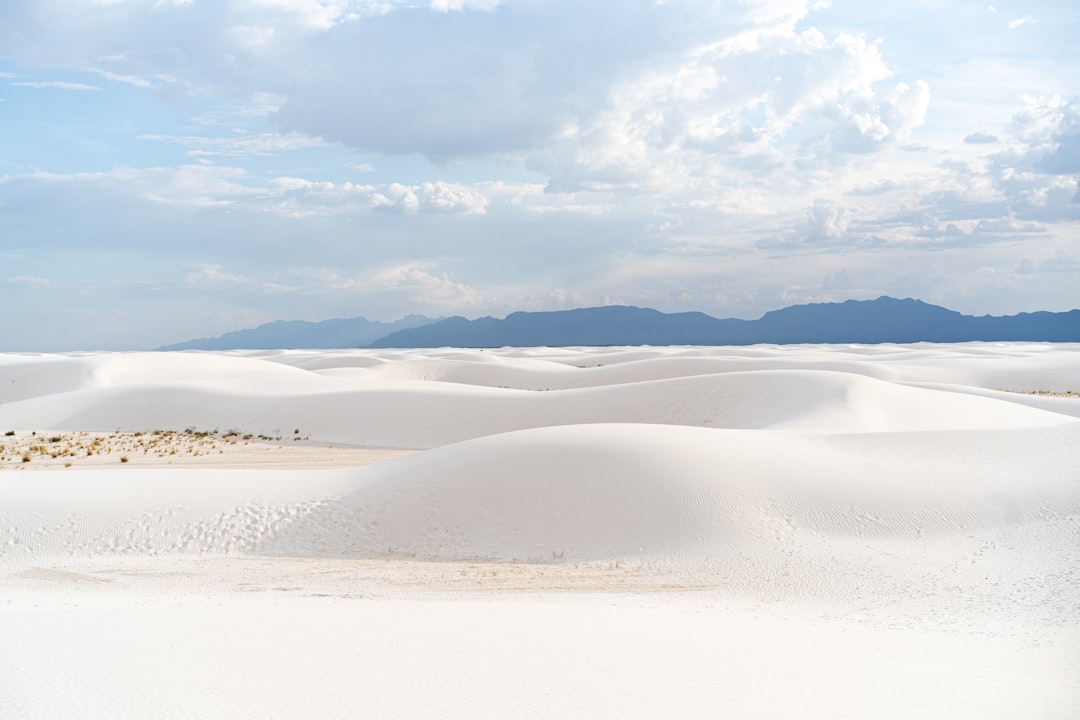
The stark beauty of White Sands National Park, a seemingly endless expanse of gypsum sand dunes, conceals a far more ancient and profound story than its shimmering surface might suggest. This iconic landscape, often perceived as a desert mirage, is in fact a dynamic testament to the dramatic climatic shifts of the Pleistocene Epoch, commonly known as the Ice Age. Far from being a barren wasteland, White Sands offers a unique window into a world sculpted by glaciers, immense pluvial lakes, and the relentless forces of nature that shaped its astonishing terrain. Exploring this remarkable region is not merely a visual journey; it is an immersion into geological history, a chance to walk upon the very foundations laid down during a pivotal era of Earth’s past.
The creation of White Sands’ iconic dunes is a fascinating interplay of mineralogy, hydrology, and climatology. It is a story that begins not with sand, but with rock and water, a slow and persistent process that has spanned millennia. The gypsum, the foundational material of these dunes, is not native to the immediate surroundings in the form that one might expect. Its presence is a direct consequence of ancient geological processes and the unique hydrological cycle that defines the Tularosa Basin.
The Gypsum Source: Ancient Seas and Dissolving Rock
The gypsum that forms White Sands is primarily derived from the erosion of the San Andres Mountains to the east. These mountains contain vast deposits of selenite, a crystalline form of gypsum. However, the journey of this gypsum to its final resting place as dunes is far more intricate. Millions of years ago, this region was submerged under a shallow sea. As this sea evaporated, it left behind thick layers of evaporite minerals, including gypsum. Over eons, geological uplift and erosion began to break down these mineral deposits. Rainfall, a crucial component of the region’s water cycle, plays a vital role in dissolving these gypsum-rich rocks. This dissolved gypsum, in the form of calcium sulfate, is then carried by ephemeral streams and underground flows.
The Role of the Pluvial Lakes: Watery Nurseries of the Ice Age
During the Pleistocene Epoch, the climate of North America was vastly different. Periods of intense glaciation in the north led to cooler temperatures and increased precipitation across much of the continent. This resulted in the formation of large, inland freshwater lakes, known as pluvial lakes, in arid and semi-arid regions. The Tularosa Basin, where White Sands is located, was once the site of such a lake, known as Lake Otero. This immense body of water would have covered a significant portion of the present-day basin.
The presence of Lake Otero was instrumental in concentrating the dissolved gypsum. As the lake repeatedly filled and receded with the fluctuating Ice Age climate, dissolved gypsum was deposited on its shores and bed. When the lake finally evaporated completely, it left behind vast, exposed playas – flat, salt-encrusted basins. These playas, saturated with gypsum, became the raw material for the dunes.
The Winds of Change: From Playa to Dune
The transformation of the gypsum-rich playa into the undulating dunes we see today is a testament to the power of wind. The Tularosa Basin is characterized by prevailing winds, particularly during certain seasons. As the sun baked the exposed playas, the fine gypsum particles would become dry and susceptible to erosion. The wind, acting as a natural conveyor belt, began to lift and transport these gypsum grains. Over thousands of years, this continuous process of wind erosion and deposition led to the accumulation of the fine gypsum particles, gradually building the impressive dunes that define White Sands National Park. The unique composition of the gypsum – finely ground and relatively soft – makes it highly mobile and easily shaped by the wind, contributing to the formation of such towering and dynamic dune structures.
The White Sands Ice Age landscape offers a fascinating glimpse into the Earth’s climatic history, showcasing how ancient environments shaped the development of ecosystems. For those interested in understanding the broader implications of climate change and environmental regulation, a related article can be found here: Mastering Ancient Climate Control: Sophisticated Techniques for Environmental Regulation. This piece delves into the advanced methods used by ancient civilizations to manage their environments, providing valuable insights that resonate with the lessons learned from the White Sands region.
Ice Age Waters: The Legacy of Ancient Lakes
The impact of the Ice Age on the White Sands landscape is most profoundly evident in the remnants and influences of the ancient pluvial lakes that once dominated the Tularosa Basin. These vast bodies of water were not mere geological curiosities; they were vibrant ecosystems and crucial sculptors of the terrain, leaving behind a palpable legacy that informs our understanding of this region’s past. The story of these lakes is one of dramatic cycles of inundation and desiccation, mirroring the waxing and waning of the glacial periods.
Lake Otero: A Pleistocene Water Body
The most significant of these ancient lakes was Lake Otero. Its existence is supported by geological evidence, including the presence of ancient shorelines, lacustrine sediments, and the very gypsum deposits that form the dunes. During peak glacial periods, when increased precipitation and reduced evaporation created a more humid climate, Lake Otero would have been a formidable presence, potentially covering thousands of square miles. Its depths would have been substantial, creating a freshwater environment that could have supported a variety of aquatic life. The scale of Lake Otero underscores the dramatic climatic differences between the Ice Age and the present-day arid conditions of the Tularosa Basin.
The Hydrological Cycle of the Ice Age
The formation and eventual demise of Lake Otero were intrinsically linked to the global hydrological cycle during the Ice Age. Cooler global temperatures led to the formation of massive ice sheets and glaciers in higher latitudes. This had a cascade effect on precipitation patterns, often leading to increased rainfall and reduced evaporation in regions further south. The Tularosa Basin, like many other basins in the American Southwest, experienced periods of significant aridity interspersed with these wetter, pluvial phases. The filling and emptying of Lake Otero would have followed these climatic fluctuations, creating a dynamic and ever-changing environment.
Evidence of Ancient Lake Life
While the water of Lake Otero has long since vanished, its legacy is preserved in the geological record. Scientists have discovered fossilized remains of ancient aquatic organisms, such as diatoms and ostracods, within the sediments deposited by the lake. These microscopic fossils provide invaluable insights into the water chemistry, temperature, and ecological conditions of Lake Otero. The study of these ancient life forms helps reconstruct the biodiversity of the Ice Age Tularosa Basin and provides a tangible connection to the creatures that once inhabited these now-dry shores. Furthermore, evidence of shorelines, wave-cut terraces, and ancient river channels leading to the lake offer further confirmation of its past existence and the scale of its influence.
The Frozen World: Glacial Remnants and Climate Indicators

While the White Sands region itself did not host glaciers directly, the profound influence of the Ice Age is evident through the indirect effects of glaciation on regional climate and water availability. The distant ice sheets acted as powerful drivers of climatic change, shaping the environment of the Tularosa Basin and contributing to the unique conditions that allowed for the formation of the gypsum dunes. Understanding these connections provides a broader context for appreciating the geological narrative of White Sands.
Global Ice Sheets and Their Influence
The vast ice sheets that covered much of North America and Eurasia during the Pleistocene Epoch fundamentally altered global weather patterns. The immense weight of the ice masses influenced atmospheric circulation, leading to shifts in prevailing winds and storm tracks. In the American Southwest, the increased prevalence of cooler, moister air masses from the north contributed to the pluvial conditions that fueled the formation of lakes like Otero. The presence of these ice sheets, though geographically distant, was the ultimate architect of the wetter climate that preceded the arid conditions of today.
Paleoclimate Reconstruction: Clues from the Sands
The gypsum dunes themselves act as a unique archive of paleoclimate data. The composition and structure of the dune sands, as well as the associated sediments, can provide clues about past environmental conditions. For instance, the presence of certain mineral impurities or the layering within the gypsum can indicate periods of different moisture levels or wind regimes. Scientists study these geological markers to reconstruct the climatic history of the region, correlating changes in the dunes with known glacial and interglacial periods. This allows for a deeper understanding of how the climate has fluctuated over thousands of years.
Indirect Evidence of Cooler Temperatures
While not directly preserving ice, the White Sands region bears indirect evidence of the cooler temperatures associated with the Ice Age. The increased water availability, as discussed with the pluvial lakes, is a direct consequence of a cooler global climate. Furthermore, studies of fossilized plant and animal remains from the region, though scarce within the dunes themselves, can indicate the presence of flora and fauna that thrive in cooler, moister environments, suggesting a climate far removed from the desert of today.
Adapting to the Ancient Landscape: Life on the Dunes
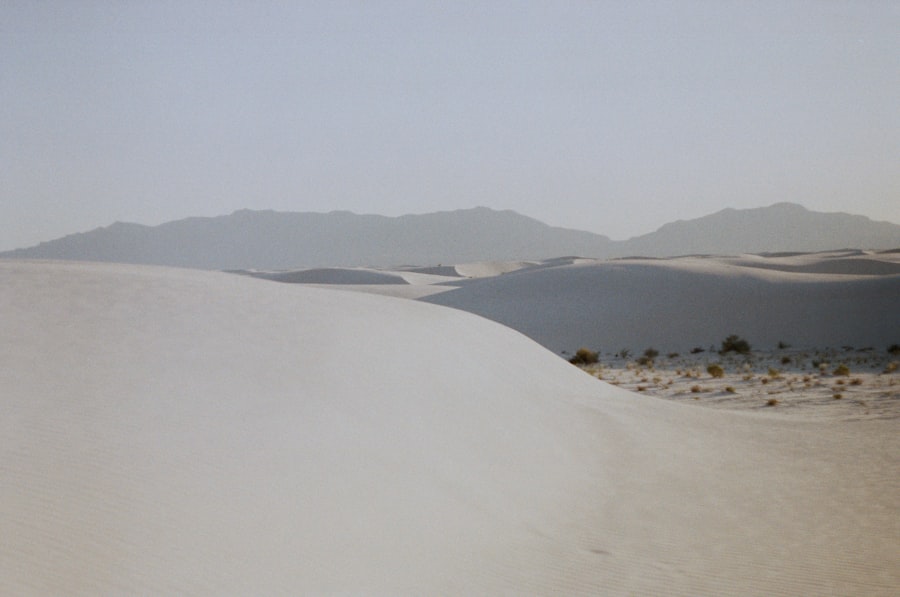
The White Sands dunes, though born of Ice Age climatic shifts, are not devoid of life. The organisms that inhabit this seemingly harsh environment have evolved remarkable adaptations to survive the extreme temperatures, arid conditions, and mobile substrate. These creatures are living testament to the resilience of life and offer a glimpse into the ecological history of the region, showcasing how life has persisted and adapted through millennia of climatic change.
Dune-Dwelling Specialists
The dunes of White Sands are home to a number of endemic species, meaning they are found nowhere else on Earth. These specialized creatures have evolved unique characteristics to navigate and survive the shifting sands. Perhaps the most iconic are the white lizards and insects, whose pale coloration provides camouflage against the bright gypsum. Their elongated limbs or specialized foot structures allow them to move efficiently across the loose sand, preventing them from sinking.
The White Sands Salamander: A Relic of a Wetter Past
One of the most fascinating inhabitants is the White Sands salamander. This small amphibian is a living relic of the Ice Age, its presence a direct consequence of the persistent moisture found in gypsum dunes. The salamanders burrow into the cooler, moister subsurface layers of the dunes, emerging primarily at night or during periods of higher humidity. Their survival is intricately linked to the unique microclimates within the dune system, which retain moisture long after the surface has dried. The salamander’s very existence serves as a constant reminder of the region’s wetter past and the adaptations necessary to thrive in a fluctuating environment.
Plant Life in the Gypsum Sands
Despite the apparent barrenness, a surprising array of plant life manages to take root in the gypsum sands. Various grasses, yucca, and shrubs have developed specialized root systems to anchor themselves in the shifting substrate and to access scarce water resources. Some plants, like the alkali sacaton grass, are adapted to the high salt content of the gypsum. These hardy plants play a crucial role in stabilizing the dunes, slowing erosion, and providing habitats and food sources for the park’s wildlife. Their presence, however subtle, is another indicator of the ecosystem’s ability to adapt and endure over vast stretches of time.
The White Sands Ice Age landscape offers a fascinating glimpse into a time when the region was dramatically different, showcasing ancient footprints and unique geological features. For those interested in exploring more about ancient mysteries, the article on hidden writings reveals intriguing secrets about ancient scribes and their lost knowledge. You can read more about it in this insightful piece on hidden writings, which complements the discoveries made at White Sands by shedding light on the enigmatic past of human civilization.
Preserving the Ice Age Legacy: Conservation and Exploration
| Metrics | Data |
|---|---|
| Location | New Mexico, United States |
| Area | 275 square miles |
| Age | 10,000 to 25,000 years old |
| Features | Gypsum sand dunes, unique plant and animal life |
| Activities | Hiking, sledding, photography, camping |
The stunning White Sands Ice Age terrain is a fragile treasure, requiring dedicated efforts for its preservation and careful exploration to appreciate its scientific and natural significance. Understanding its Ice Age origins underscores the importance of protecting this unique landscape for future generations. The park service and researchers are committed to safeguarding this invaluable testament to Earth’s past.
The Role of White Sands National Park
White Sands National Park was established to protect and preserve this extraordinary natural wonder. The park’s mission includes not only managing the dunes and their ecological inhabitants but also facilitating scientific research and educating the public about the park’s unique geology and history. The park service actively works to mitigate human impacts, such as off-road vehicle use and the introduction of invasive species, to ensure the long-term health of the ecosystem.
Scientific Research and Understanding
Ongoing scientific research is crucial for unraveling the full story of White Sands’ Ice Age origins. Geologists, paleontologists, and ecologists continue to study the dunes, the ancient lakebed sediments, and the park’s biodiversity. These studies provide deeper insights into past climates, the evolution of species, and the processes that shaped the landscape. The park serves as an invaluable outdoor laboratory for advancing our scientific understanding of Earth’s history.
Responsible Exploration and Education
Visitors to White Sands National Park play a vital role in its preservation. Responsible exploration, which includes staying on designated trails, packing out all trash, and respecting the natural environment, is essential. The park offers numerous educational programs, ranger-led walks, and interpretive displays that help visitors connect with the Ice Age narrative of the dunes. By learning about the geological forces and climatic shifts that created this remarkable landscape, visitors gain a deeper appreciation for its significance and the importance of its conservation. Exploring White Sands is an opportunity to step back in time, to walk on the remnants of a world sculpted by ice and water, and to marvel at the enduring power of nature.

These Footprints Could Rewrite the Story of the First Americans
FAQs
What is the White Sands Ice Age landscape?
The White Sands Ice Age landscape refers to the area within White Sands National Park in New Mexico, USA, where large gypsum dunes have formed over thousands of years. These dunes are the largest of their kind in the world and create a unique and otherworldly landscape.
How were the gypsum dunes formed?
The gypsum dunes at White Sands National Park were formed through a combination of factors including the drying up of a large lake, the evaporation of gypsum-rich water, and the shifting winds that carried the gypsum particles to form the dunes. This process took place over thousands of years.
What makes the White Sands Ice Age landscape unique?
The White Sands Ice Age landscape is unique due to the size and composition of the gypsum dunes. The pure white color of the dunes, the way they reflect light, and the fact that they are constantly shifting and changing make this landscape unlike any other in the world.
What kind of wildlife can be found in the White Sands Ice Age landscape?
Despite the harsh conditions, the White Sands Ice Age landscape is home to a variety of wildlife including the bleached earless lizard, the kit fox, and several species of birds. These animals have adapted to the extreme temperatures and the shifting sands.
Can visitors explore the White Sands Ice Age landscape?
Yes, visitors to White Sands National Park can explore the gypsum dunes through hiking, sledding, and even camping. The park offers designated trails and areas for visitors to experience and enjoy this unique and beautiful landscape.