New Mexico’s Last Glacial Maximum: A Frozen Past
The Land of Enchantment, renowned for its sun-drenched deserts and vibrant cultural tapestry, holds a secret history, a forgotten era when its landscapes were sculpted not by arid winds but by the relentless power of ice. The Last Glacial Maximum (LGM), a period spanning roughly from 26,500 to 19,000 years ago, witnessed New Mexico transform into a frigid realm, a stark contrast to the arid beauty we recognize today. This was a time when global temperatures plummeted, leading to the expansion of massive ice sheets across North America, and even in regions as far south as New Mexico, the effects were profound and far-reaching. Understanding this frozen past offers a unique lens through which to appreciate the dynamic geological and climatic forces that have shaped this extraordinary state.
The LGM was not an isolated event but a global phenomenon. Throughout the Northern Hemisphere, vast continental glaciers, some miles thick, covered significant portions of land. These colossal ice masses, driven by immense gravitational forces, carved out valleys, pulverized mountains, and dramatically altered sea levels. While New Mexico did not host the colossal ice sheets that dominated Canada and the northern United States, it was by no means immune to the pervasive cold. The lowered global temperatures, estimated to be between 4-7 degrees Celsius (7-13 degrees Fahrenheit) cooler than present-day averages, had a direct impact on New Mexico’s climate and its landscapes.
Temperature and Precipitation Shifts
The most evident impact of the LGM on New Mexico was a significant reduction in average temperatures. This cooling trend extended throughout the year, leading to extended winters and cooler summers. The precise degree of cooling varied across the state, but even a few degrees of sustained cold could trigger dramatic ecological and geological changes. This temperature drop was coupled with altered precipitation patterns. While some areas experienced increased snowfall, others saw shifts in moisture availability, influencing vegetation and water resources. The interplay between cooler temperatures and modified precipitation was the engine driving the transformation of New Mexico’s environments.
The Altithermal Period Precursor
It is important to note that the LGM did not happen in a vacuum. It followed a period known as the Altithermal, or the Hypsithermal, which was characterized by warmer and drier conditions. The transition from a warmer period to a significantly colder one demonstrates the cyclical nature of Earth’s climate and the dramatic swings that can occur over geological timescales. The LGM represented a stark reversal of the prevailing conditions that preceded it, setting the stage for a vastly different New Mexican landscape.
Evidence from Ice Cores and Sedimentary Records
Scientists glean crucial information about past climates from a variety of sources. Ice cores, extracted from glaciers and ice sheets in polar regions, act as time capsules, trapping ancient air bubbles that reveal atmospheric composition and temperature proxies. While New Mexico itself lacks significant glacial ice deposits from the LGM, the global data from these ice cores provide undeniable evidence of the widespread cooling. Furthermore, sedimentary records from lakes, bogs, and riverbeds in and around New Mexico offer invaluable insights into past environmental conditions. The types of pollen found, the composition of organic matter, and the geological strata themselves all tell a story of climatic change.
During the Last Glacial Maximum, New Mexico experienced significant climatic and environmental changes that shaped its landscape and ecosystems. An insightful article that explores the broader implications of historical climate patterns on contemporary issues is available at Navigating International Relations: Key Strategies for Success. This piece delves into how understanding past climate events can inform current international relations and strategies, highlighting the interconnectedness of environmental history and modern geopolitical dynamics.
Glacial Imprints in the High Country
While the low-lying deserts of New Mexico remained largely free of thick ice sheets, the higher elevations, particularly the mountain ranges, bore the unmistakable mark of glaciation. These mountain glaciers, though smaller in scale than their continental counterparts, were powerful erosional agents, actively shaping the topography. The remnants of their passage are still visible today, offering tangible evidence of New Mexico’s frozen past.
Cirque Formation and Valley Glaciers
The most iconic glacial features found in New Mexico’s mountains are cirques and U-shaped valleys. Cirques are armchair-shaped hollows carved out at the heads of glaciers, often where snow accumulated and transformed into ice. As the ice flowed downhill, it scoured the bedrock, widening and deepening existing valleys into the characteristic U-shapes that distinguish glacial valleys from the V-shapes carved by rivers. The Sangre de Cristo Mountains and the Jemez Mountains, among others, contain numerous examples of these glacial landforms.
The Sculpting Power of Ice
The immense weight of glacial ice, combined with the abrasive action of rock fragments embedded within it, allowed glaciers to effectively erode the landscape. This process, known as glacial abrasion, stripped away soil and rock, exposing fresh bedrock and creating steep, often polished, rock faces. The sheer force of moving ice could also pluck large chunks of rock from the valley walls, a process called glacial plucking, which further contributed to the deepening and widening of valleys.
Tarns and Moraines: Whispers of Retreat
As glaciers retreated at the end of the LGM, they left behind distinct geological features. Tarns, small mountain lakes that fill depressions scoured by glaciers, are common in cirques. Moraines, ridges of unsorted rock and debris deposited by the glacier at its edges or snout, also serve as important indicators of past glacial extent. Studying the location and composition of these moraines allows geologists to reconstruct the size and movement of past glaciers with remarkable accuracy.
Periglacial Environments
Even areas beyond the direct reach of glaciers experienced significant changes due to the frigid conditions. These are known as periglacial environments. In these regions, the ground was permanently frozen to a certain depth (permafrost), and the active layer above it would thaw and freeze seasonally. This repeated freezing and thawing of the soil led to unique landforms such as patterned ground (circles, polygons, and stripes of rocks and soil), sorted and unsorted stone stripes, and pingos (mounds of earth with a core of ice). While direct evidence of widespread periglacial features in New Mexico is less abundant than in more northerly regions, the prevalence of colder temperatures suggests that such processes likely influenced higher-elevation landscapes.
A Changing Water World: Rivers, Lakes, and Pluvial Lakes
The LGM’s impact on water resources in New Mexico was as profound as its impact on the landscape. Cooler temperatures meant less evaporation, and altered precipitation patterns, in some cases, led to increased water availability. This resulted in a dramatically different hydrological regime, with rivers flowing more robustly and the formation of expansive, albeit temporary, lakes.
The Reign of Pluvial Lakes
The most significant hydrological consequence of the LGM in the arid and semi-arid Southwest, including New Mexico, was the development of pluvial lakes. These were lakes that formed in basins during periods of increased precipitation and reduced evaporation. While not directly fed by glacial meltwater from within New Mexico, the cooler global climate fostered wetter conditions across the region. These pluvial lakes, some covering thousands of square miles, created entirely new aquatic ecosystems where none exist today.
Evidence in Dry Lake Beds
The ancient shorelines and sediment deposits of these pluvial lakes are still visible today, particularly in areas that are now arid or semi-arid. Dry lake beds, or playas, across New Mexico, such as those found in the Estancia Basin and the Tularosa Basin, are remnants of these once-vast bodies of water. The layers of fine-grained sediment within these basins, sometimes interspersed with coarser deposits from infrequent floods, provide a detailed record of the lakes’ fluctuating water levels and the climatic conditions that governed them.
Implications for Ancient Life
The existence of these pluvial lakes had profound implications for the flora and fauna of New Mexico. These large water bodies provided crucial habitats for a diverse range of aquatic life, including fish, amphibians, and waterfowl. Furthermore, the increased availability of surface water would have supported more lush vegetation along their shores, attracting large mammals that relied on these resources for survival. The study of fossil remains found within the sediments of these ancient lake beds offers direct evidence of the types of organisms that thrived in this wetter LGM environment.
River Systems in Flux
New Mexico’s present-day river systems, such as the Rio Grande and the San Juan, were also affected by the LGM. While not typically carrying the massive volumes of glacial meltwater seen in rivers flowing directly from active ice sheets, they likely flowed more consistently and with greater discharge due to increased precipitation and reduced evaporation. The erosional power of these amplified rivers would have further shaped the landscape, carving deeper channels and depositing sediment over wider floodplains.
Increased Flow and Sediment Transport
The combination of cooler temperatures, which reduced evapotranspiration, and potentially increased rainfall or snowfall in the headwaters of these river systems would have resulted in higher average flows. This increased water volume would have enhanced the rivers’ capacity to transport sediment, leading to the deposition of thicker and more extensive alluvial fans and floodplains. Understanding these past river dynamics is crucial for reconstructing the past environments and the potential for human settlement.
Flora and Fauna: A Different Ecosystem
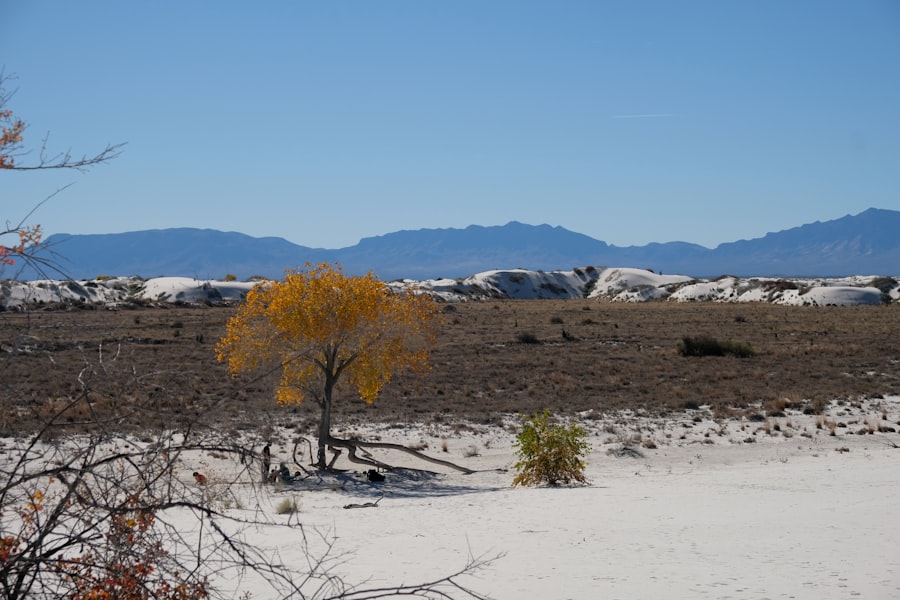
The dramatic climatic shifts of the Last Glacial Maximum fundamentally altered the ecosystems of New Mexico. The prevailing arid or semi-arid conditions were replaced by environments that could support different plant communities and a diverse array of animal life, including megafauna that are now long extinct.
The Spread of Forests and Grasslands
With cooler temperatures and increased moisture, areas that are now characterized by scrubland or desert would have been dominated by forests and more expansive grasslands. Coniferous forests, similar to those found at higher elevations today, would have extended to lower elevations. Grasslands would have flourished in areas that are currently too dry to support them. This shift in vegetation would have had a cascading effect on the animal populations that depended on these resources for food and shelter.
Adapting to the Cold
The plant species that thrived during the LGM were adapted to colder, more humid conditions. This might have included species that are now found only in higher mountain elevations or in more northerly latitudes. The expansion of these cold-tolerant plant communities created a fundamentally different habitat structure, influencing the types of animals that could survive and reproduce in the region.
The Era of Megafauna
Perhaps the most compelling aspect of New Mexico’s LGM ecosystem is the presence of megafauna. These were large mammals, many of which are now extinct, that roamed the landscape. This included mammoths, mastodons, giant ground sloths, dire wolves, and saber-toothed cats. These magnificent creatures were sustained by the abundant vegetation and the availability of water resources that characterized the LGM.
Fossil Evidence and Paleoecological Reconstruction
The fossil record provides compelling evidence of these Ice Age giants in New Mexico. Skeletal remains of mammoths and mastodons have been found in various locations, particularly in association with ancient lake beds and river deposits. The presence of these fossils, alongside the remains of other Ice Age animals and the paleoecological data gleaned from plant and pollen records, allows scientists to reconstruct the food webs and the overall ecological dynamics of New Mexico during the LGM.
The Arrival and Survival of Early Humans
The presence of a dramatically altered environment during the LGM also raises questions about the arrival and survival of early humans in New Mexico. While the exact timing of human arrival in the Americas is still debated, it is widely accepted that humans were present in North America by the end of the LGM, and likely before.
Navigating a Cooler Landscape
Early human populations would have had to adapt to the colder climate, the altered vegetation, and the presence of large megafauna. The availability of water from pluvial lakes and more robust river systems would have been a significant factor in their settlement patterns. Hunting megafauna would have provided a rich source of food and resources, but it would have also presented significant challenges and required sophisticated hunting strategies. Archaeological evidence, such as projectile points and butchered animal bones, provides clues about the lives and subsistence strategies of these early inhabitants.
During the Last Glacial Maximum, New Mexico experienced significant climatic changes that shaped its landscape and ecosystems. Research indicates that the region was not only a refuge for various species but also a critical area for early human populations. For a deeper understanding of how these ancient environments influenced both flora and fauna, you can explore a related article that discusses the broader implications of glacial periods on biodiversity in North America. This insightful piece can be found here.
Post-Glacial Transition: The Warming Returns
| Metrics | Data |
|---|---|
| Temperature | Approximately 10-15 degrees Fahrenheit cooler than present day |
| Precipitation | Lower than present day, leading to drier conditions |
| Glacial Coverage | Significant glacial coverage in the northern part of the state |
| Vegetation | Shift to more cold-adapted plants and grasslands |
| Animal Species | Presence of megafauna such as mammoths and giant ground sloths |
The end of the Last Glacial Maximum, approximately 19,000 years ago, marked the beginning of a gradual warming trend that would ultimately lead to the Holocene epoch, the geological period in which we live today. This transition was not an abrupt switch but a complex and drawn-out process, with periods of warming and cooling.
The Bølling-Allerød Interstadial and the Younger Dryas
The transition out of the LGM was punctuated by significant climatic fluctuations. The Bølling-Allerød interstadial, a period of relatively rapid warming, offered a glimpse of a post-glacial world. However, this warming was interrupted by the Younger Dryas, a period of renewed, albeit less severe, cooling that lasted for about 1,000 years. These fluctuations would have presented challenges for both ecosystems and any human populations trying to establish themselves in the region.
The Retreat of Glaciers and the Drying of Lakes
As the Earth warmed, the mountain glaciers in New Mexico began to melt and retreat, eventually disappearing from most of the high country. The pluvial lakes that had formed during the LGM also began to shrink and dry up as evaporation increased and precipitation patterns shifted back towards drier conditions. This process of desiccation would have gradually transformed the landscape, leading to the establishment of the more arid environments that characterize much of New Mexico today.
Ecological Reshuffling
The warming trend and the drying of the land led to a significant reshuffling of ecosystems. Cold-adapted species retreated to higher elevations or more northerly latitudes, while species adapted to warmer and drier conditions began to spread. The megafauna, unable to adapt to the changing environment and likely facing increased hunting pressure from humans, eventually went extinct. This ecological transformation laid the groundwork for the modern biodiversity of New Mexico.
Unraveling the Past: Ongoing Research and Future Discoveries
Our understanding of New Mexico’s Last Glacial Maximum is a testament to the ongoing efforts of scientists from various disciplines. Geologists, paleontologists, archaeologists, and climate modelers continue to work collaboratively, piecing together the intricate details of this frozen past.
Advanced Analytical Techniques
Modern scientific techniques are revolutionizing our ability to study past climates and environments. Isotope analysis of ancient bone and shell material can reveal information about diet and water sources. Advanced dating techniques, such as radiocarbon dating and optically stimulated luminescence, allow for more precise chronological frameworks. Furthermore, sophisticated climate models are used to simulate past climatic conditions, helping us to understand the drivers of these changes and their effects on the landscape.
The Importance of Archaeological and Paleontological Sites
New Mexico’s rich archaeological and paleontological heritage holds immense potential for future discoveries. As new sites are uncovered, they offer fresh opportunities to examine human adaptation, extinct megafauna, and the paleoenvironmental conditions of the LGM. Continued exploration and careful excavation of these sites are crucial for refining our understanding of this fascinating period.
Connecting Past Climates to Present Challenges
Studying past climate change, such as the Last Glacial Maximum, provides invaluable context for understanding contemporary climate change. The dramatic shifts that occurred during the LGM highlight the Earth’s sensitivity to climatic variations and the profound impact these changes can have on ecosystems and life itself. By learning from New Mexico’s frozen past, we gain a deeper appreciation for the delicate balance of our planet’s climate and the importance of addressing the challenges of a warming world. The echoes of New Mexico’s LGM serve as a powerful reminder of its dynamic history and the enduring power of nature’s grand cycles.

These Footprints Could Rewrite the Story of the First Americans
FAQs
What was the Last Glacial Maximum?
The Last Glacial Maximum (LGM) was a period of the most recent glacial advance, which occurred approximately 26,500 to 19,000 years ago. During this time, large ice sheets covered much of North America, including parts of what is now New Mexico.
How did the Last Glacial Maximum impact New Mexico?
During the Last Glacial Maximum, New Mexico experienced colder and drier conditions, with the expansion of ice sheets in the northern part of the state. This led to changes in vegetation and the distribution of plant and animal species.
What evidence of the Last Glacial Maximum has been found in New Mexico?
Evidence of the Last Glacial Maximum in New Mexico includes glacial deposits, moraines, and other landforms associated with the advance and retreat of glaciers. Additionally, pollen and plant remains provide insight into the changes in vegetation during this period.
How did human populations in New Mexico adapt to the Last Glacial Maximum?
During the Last Glacial Maximum, human populations in New Mexico adapted to the changing environment by adjusting their hunting and gathering strategies, as well as seeking out sheltered areas with access to water and other resources.
What can the study of the Last Glacial Maximum in New Mexico tell us about climate change?
Studying the Last Glacial Maximum in New Mexico can provide valuable information about past climate change and its effects on ecosystems and human populations. This knowledge can help us better understand and prepare for future climate change.