Africa, a continent synonymous with ancient civilizations and a rich tapestry of human history, still guards secrets beneath its sun-baked earth. While iconic sites like the pyramids of Egypt or the ruins of Great Zimbabwe draw throngs of visitors and dominate archaeological discourse, vast swathes of the continent remain underexplored, holding the potential to rewrite our understanding of human origins, migration patterns, and the development of complex societies. The quest to unearth Africa’s hidden treasures, its undiscovered archaeological sites, is a vital undertaking that promises to enrich global heritage and deepen our appreciation for the profound human journey.
The sheer scale of Africa, coupled with its diverse landscapes – from dense rainforests to sprawling deserts and savannas – presents both challenges and unparalleled opportunities for archaeological discovery. Centuries of political instability, limited funding, and a historical focus on other regions have left many African nations with a wealth of archaeological potential waiting to be realized. The narrative of human evolution itself is deeply rooted in Africa, with some of the earliest hominin fossils found across the continent. Yet, our knowledge of the later periods, the emergence of complex social structures, early trade networks, and the development of sophisticated cultures beyond the commonly known sites, remains remarkably incomplete.
Beyond the Familiar: Reimagining the Archaeological Map
When one thinks of African archaeology, the images that often come to mind are well-established and widely studied. However, a deeper dive into the continent reveals a mosaic of potential sites that could rival these famous landmarks in their historical significance. These are not merely isolated finds but entire landscapes potentially teeming with evidence of human activity that has yet to be systematically investigated. The focus is shifting from merely confirming existing narratives to actively seeking out the unknown, to filling the gaps in our historical understanding. This requires a paradigm shift in how archaeological research is conducted, embracing new technologies and collaborative approaches to unlock these buried narratives.
The Footprint of Early Humans: Uncovering Ancestral Landscapes
Africa is the cradle of humankind, and undiscovered archaeological sites hold the keys to further illuminating this profound lineage. Evidence of early hominins, tool use, and the development of complex behaviors are scattered across the continent, often in remote or challenging terrains. These sites are not just about finding old bones; they are about understanding the cognitive, social, and technological leaps that shaped our species. The ongoing search for these ancestral landscapes is a continuous process of piecing together the puzzle of our origins, with each new discovery offering a fresh perspective.
Recent discussions about undiscovered archaeological sites in Africa have highlighted the continent’s rich and largely untapped historical potential. For instance, an intriguing article explores the evolution of labor and industry in different contexts, shedding light on how ancient practices may inform our understanding of modern work environments. To delve deeper into this topic, you can read the article here: The Evolution of the American Factory Worker. This connection emphasizes the importance of archaeological research in revealing the complexities of human development across various regions.
Whispers from the Sahara: Desert Sands and Lost Civilizations
The Sahara Desert, often perceived as a barren wasteland, is in fact a repository of ancient human activity. During wetter climatic periods in its past, the Sahara was a vibrant landscape supporting human populations and complex societies. The shifting sands, while a barrier to modern exploration, also act as a protective blanket over forgotten settlements, rock art sites, and burial grounds. Archaeological efforts in the Sahara are like venturing into a time capsule, where each excavation has the potential to reveal the remnants of civilizations that once thrived in what is now an arid expanse.
Nomadic Empires and Trading Hubs: Echoes of the Trans-Saharan Trade
The Sahara was not always a barrier; it was a conduit. The Trans-Saharan trade routes, which connected North Africa with sub-Saharan regions for millennia, facilitated the exchange of goods, ideas, and cultures. Undiscovered sites could reveal the locations of forgotten trading posts, bustling caravan cities, and the administrative centers of powerful nomadic empires that controlled these lucrative routes. These discoveries would not only shed light on economic history but also on the complex social and political structures that emerged from long-distance trade.
Rock Art and Ritual Landscapes: Artistic Expressions of Ancient Desert Dwellers
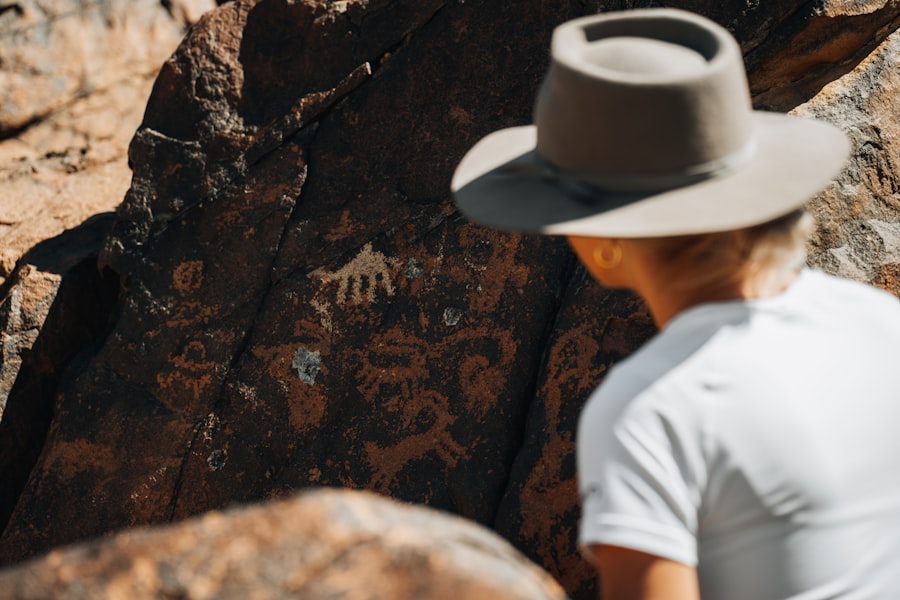
The Sahara is home to some of the most extensive and impressive rock art galleries in the world, with sites like Tassili n’Ajjer in Algeria offering a glimpse into the lives and beliefs of prehistoric peoples. However, vast areas of the desert remain unexplored, and many more rock art sites, adorned with intricate engravings and paintings, are likely waiting to be found. These artistic expressions are invaluable windows into the spiritual lives, daily activities, and environmental observations of ancient desert dwellers, offering insights into their worldview and their relationship with their environment.
Subterranean Cities and Oasis Settlements: Adaptations to Arid Environments
Evidence suggests the existence of settlements that adapted ingeniously to arid conditions, including potential subterranean structures or well-developed oasis communities. The discovery of such sites could reveal advanced engineering techniques, sophisticated water management systems, and resilient social organization that allowed people to thrive in a challenging environment. These lost settlements would offer crucial lessons in sustainability and adaptation for modern societies facing similar environmental pressures.
The Green Heart of Africa: Rainforests and Their Buried Histories
The dense rainforests of Central and West Africa, with their challenging terrain and thick vegetation, present a unique set of obstacles for archaeologists. However, these seemingly impenetrable environments have, in many cases, preserved archaeological evidence from being disturbed, making them treasure troves of information. Beneath the canopy lie the remnants of ancient kingdoms, sophisticated agricultural practices, and unique cultural expressions that are only now beginning to be systematically explored.
Forgotten Kingdoms and Urban Centers: The Scale of Pre-Colonial Societies
While kingdoms like those of Kongo or the Ashanti are known, the rainforests likely hold the keys to understanding numerous other complex societies and their urban centers that have yet to be discovered or fully documented. These sites could reveal the scale of pre-colonial political organization, the sophistication of their infrastructure, and the extent of their influence. The discovery of these lost cities would fundamentally alter our understanding of the political landscape of pre-colonial Africa.
Agricultural Innovations and Environmental Adaptation: Cultivating the Rainforest
The rainforest inhabitants developed sophisticated agricultural techniques to cultivate the land and sustain their populations. Undiscovered sites could reveal evidence of ancient farming systems, crop diversity, and the management of forest resources. These findings would offer invaluable insights into human adaptation to rainforest environments and the development of sustainable land-use practices that could be relevant today.
Artisanal Traditions and Material Culture: The Craftsmanship of the Forest Dwellers
The craftsmanship of various African cultures is renowned, and the rainforests are likely home to numerous undiscovered sites that showcase unique artisanal traditions. Excavations could unearth finely crafted pottery, metalwork, wooden artifacts, and other material culture that speak to the skill, creativity, and spiritual beliefs of these ancient communities. These artifacts provide tangible links to the past, offering a deep appreciation for the ingenuity of these societies.
Coastal Connections: Maritime Trade and Interactions Across the Oceans
Africa’s extensive coastline has long been a nexus of interaction, connecting inland communities with the wider world through maritime trade. Undiscovered archaeological sites along these coasts offer crucial evidence of these connections, revealing the ebb and flow of trade, the migration of peoples, and the exchange of cultural influences with civilizations across the Indian Ocean and the Atlantic.
Ports of Call and Trading Enclaves: Hubs of Global Commerce
Along the coasts of East Africa, for instance, the Swahili city-states are well-known for their role in the Indian Ocean trade. However, numerous smaller ports of call and trading enclaves, potentially belonging to previously unknown polities or serving as vital links in larger networks, are likely waiting to be discovered. These sites could reveal the scale and diversity of pre-colonial African maritime trade, its economic impact, and the people who participated in it.
Shipwrecks and Submerged Settlements: Underwater Heritage
The ocean floor and submerged coastal areas hold a wealth of undiscovered archaeological material. Shipwrecks from ancient trade routes, as well as submerged settlements that have succumbed to sea-level rise or coastal erosion, represent invaluable time capsules. Underwater archaeology offers a unique opportunity to recover intact artifacts and gain insights into maritime technology, trade goods, and the daily lives of coastal communities.
Cultural Exchange and Syncretism: Blending of Traditions
The coastal regions were melting pots of cultures, where African traditions interacted with those of traders from the Middle East, Asia, and eventually Europe. Undiscovered sites could reveal evidence of this cultural exchange and syncretism, manifesting in architectural styles, religious practices, language, and material culture. These discoveries would paint a richer picture of the interconnectedness of the ancient world.
Recent discoveries have sparked interest in the potential of undiscovered archaeological sites across Africa, highlighting the continent’s rich history and cultural heritage. For those intrigued by the challenges of exploring such sites, a fascinating article discusses the complexities of building and defending a lunar base, which can draw parallels to the meticulous planning required in archaeological endeavors. You can read more about it in this insightful piece on future challenges in space exploration here.
The Highlands and the Savannahs: Plateau Civilizations and Pastoralist Nomads
| Country | Number of Undiscovered Sites | Potential Importance |
|---|---|---|
| Egypt | 500 | High |
| Nigeria | 300 | Medium |
| Algeria | 250 | High |
| Sudan | 200 | High |
| South Africa | 150 | Medium |
The elevated plateaus and vast savannahs of Africa, from the Ethiopian Highlands to the plains of East Africa and Southern Africa, have been home to diverse human populations and complex societies for millennia. These regions offer a different archaeological landscape, with a focus on fortified settlements, evidence of pastoralism, and the development of unique cultural traditions.
Fortified Settlements and Defensive Structures: Resilience and Conflict
The highlands and savannahs often feature evidence of fortified settlements and defensive structures, suggesting periods of conflict or a need for protection. Undiscovered sites could reveal the strategic importance of these locations, the architectural innovations employed in their construction, and the social structures that necessitated such defenses. These findings can shed light on the political dynamics and historical conflicts of these regions.
Pastoralist Migrations and Social Organization: Life on the Move
The savannahs have been shaped by the movements of pastoralist communities for millennia. Archaeological research in these areas can uncover evidence of their nomadic lifestyles, their social organization, their interactions with settled agricultural communities, and the development of their unique cultural practices. The discovery of their camps, burial sites, and portable artifacts can illuminate their rich history.
Iron Age Innovations and Early Metallurgy: Technological Advancements
The Iron Age was a period of significant technological advancement across Africa, with the development of iron smelting and its widespread application. Undiscovered Iron Age sites in the highlands and savannahs could reveal new information about the spread of this technology, the organization of metal production, and its impact on societal development, including advancements in agriculture and warfare.
The Future of African Archaeology: Technology, Collaboration, and Preservation
The journey to unearth Africa’s hidden treasures is far from over. The future of African archaeology hinges on several key factors: embracing technological advancements, fostering robust international and local collaborations, and prioritizing the preservation of these invaluable sites. These elements are crucial for unlocking the continent’s past and ensuring its legacy for generations to come.
Remote Sensing and Geoarchaeology: Seeing Beneath the Surface
New technologies are revolutionizing archaeological exploration. Remote sensing techniques, such as satellite imagery and LiDAR (Light Detection and Ranging), allow archaeologists to survey vast areas and identify potential sites from above, penetrating dense vegetation and difficult terrain. Geoarchaeological studies, which examine the interplay between human activity and the natural environment, provide crucial context for understanding site formation processes and the paleoenvironment in which ancient peoples lived.
Community Engagement and Indigenous Knowledge: Partners in Discovery
Engaging local communities and incorporating indigenous knowledge are paramount to successful and ethical archaeological research. Local communities often possess invaluable traditional knowledge about the land, its history, and its hidden sites. Collaborative projects ensure that research benefits the communities themselves, fostering a sense of ownership and stewardship over their heritage, and respecting the cultural significance of these discoveries.
Capacity Building and Training: Empowering African Archaeologists
Investing in the training and capacity building of African archaeologists is essential for the long-term sustainability of archaeological research on the continent. Empowering local experts ensures that the stewardship and interpretation of Africa’s heritage remain in the hands of those who are best placed to understand and protect it. This includes providing opportunities for advanced education, access to research funding, and participation in international archaeological projects.
Preservation and Sustainable Tourism: Protecting for the Future
The discovery of new sites brings with it the responsibility of their preservation. Protecting these fragile remnants from looting, environmental degradation, and unsustainable development is a critical challenge. Developing responsible and sustainable tourism models around newly discovered sites can provide economic benefits to local communities while ensuring the long-term protection and interpretation of these invaluable cultural assets. The ongoing quest to unearth Africa’s hidden treasures is not just an academic pursuit; it is a journey of profound cultural discovery, a vital effort to complete the global human story, and a testament to the enduring power of human ingenuity and resilience etched into the very fabric of the continent.

260 Ancient Graves Were Hiding in This “Empty” Desert
FAQs
What are some examples of undiscovered archaeological sites in Africa?
Some examples of undiscovered archaeological sites in Africa include the ancient city of Kerma in Sudan, the lost city of Rhapta in Tanzania, and the mysterious stone circles of Senegal.
Why are there still undiscovered archaeological sites in Africa?
There are still undiscovered archaeological sites in Africa due to factors such as dense vegetation covering potential sites, limited funding for archaeological research, and political instability in certain regions.
What is the significance of undiscovered archaeological sites in Africa?
Undiscovered archaeological sites in Africa have the potential to provide valuable insights into the continent’s rich history, including the development of ancient civilizations, trade routes, and cultural practices.
How are undiscovered archaeological sites in Africa identified and explored?
Undiscovered archaeological sites in Africa are often identified through satellite imagery, ground surveys, and local knowledge. Once identified, these sites are explored through careful excavation and analysis of artifacts and structures.
What challenges are faced in preserving undiscovered archaeological sites in Africa?
Challenges in preserving undiscovered archaeological sites in Africa include looting, encroachment by urban development, and the impact of climate change on fragile archaeological remains. Efforts to preserve these sites often require collaboration between local communities, governments, and international organizations.