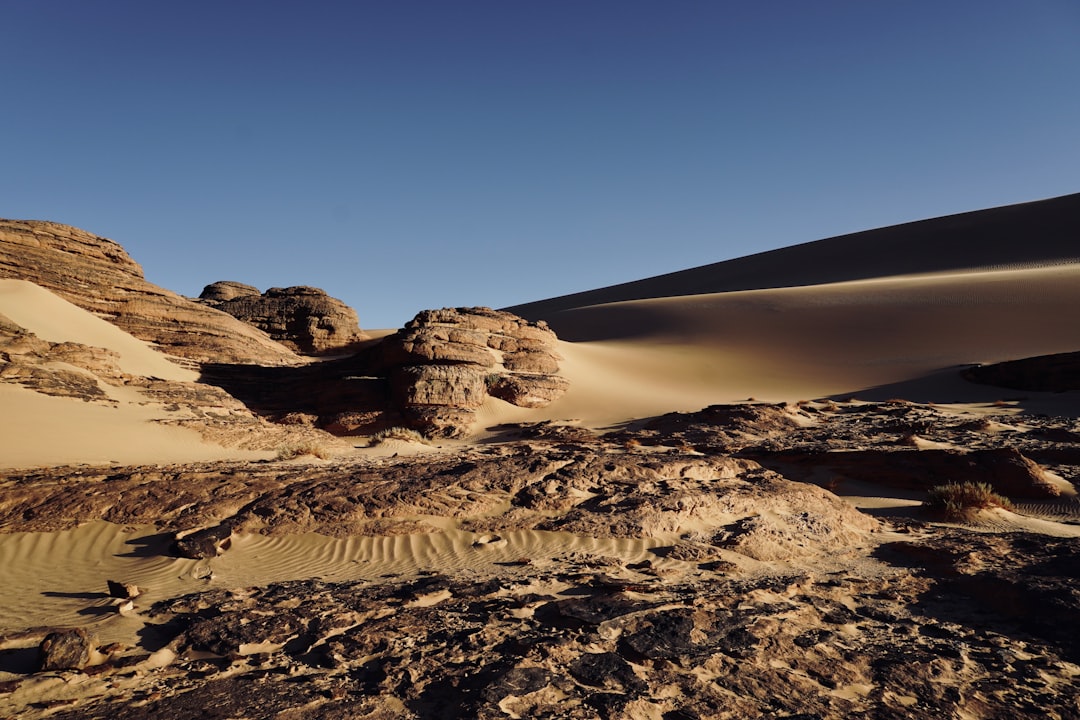
The vast, enigmatic expanse of the Sahara Desert, a canvas of shifting sands and scorching sun, has long held a magnetic allure for adventurers and historians alike. It is a landscape where time itself seems to warp, preserving whispers of ancient civilizations and lost empires beneath its unforgiving surface. Within this realm of mystery, a new documentary, “Lost Treasures of the Sahara,” promises to unearth some of these secrets, guiding viewers on a breathtaking journey into the heart of forgotten histories. This compelling production delves into the archaeological wonders that lie hidden, offering a glimpse into the lives of those who once thrived in what is now a desolate wilderness.
The Sahara Desert, far from being a barren wasteland, was once a vibrant and fertile region, a cradle of early human civilization. The documentary meticulously reconstructs this lost world, employing cutting-edge technology and the expertise of renowned archaeologists. It challenges the prevailing perception of the Sahara as solely a harsh desert, revealing its transformation over millennia.
The Green Sahara: A Lost Eden
“Lost Treasures of the Sahara” begins by transporting viewers back to a time when the desert was a verdant paradise. Through stunning CGI reconstructions and vivid archaeological evidence, the film paints a picture of a Sahara teeming with life.
Rivers and Lakes: The Lifeblood of Ancient Civilizations
The documentary highlights the crucial role of ancient water systems in supporting human settlements. It showcases evidence of vast river networks and numerous lakes that once dotted the landscape, providing fertile grounds for agriculture and sustaining complex societies. The presence of these water sources is presented as the primary catalyst for the flourishing of life in this now-arid region.
Flora and Fauna: A Thriving Ecosystem
Viewers are introduced to the rich biodiversity that characterized the Green Sahara. The film details discoveries of fossils and rock art depicting animals like elephants, giraffes, and hippopotamuses, creatures that are now entirely absent from the desert ecosystem. This stark contrast serves to emphasize the dramatic environmental shifts the region has undergone.
The Great Drying: A Climate Cataclysm
The film then meticulously details the gradual but devastating process of desertification that transformed the Sahara. It explores the scientific understanding of the climatic changes that led to the desiccation of this once-lush land.
Shifting Monsoon Patterns: The Beginning of the End
“Lost Treasures of the Sahara” explains how shifts in global weather patterns, specifically the weakening of the African monsoon, led to a significant decrease in rainfall. This gradual drying out is presented as the primary driver of the Sahara’s transformation.
Human Adaptation and Migration: The Exodus from Paradise
The documentary examines how ancient populations coped with the encroaching desert. It presents archaeological findings that suggest large-scale migrations, as communities were forced to abandon their ancestral lands in search of more hospitable environments. This aspect of the film humanizes the environmental changes, focusing on the resilience and adaptive strategies of early humans.
The Sahara archaeology documentary offers a fascinating glimpse into the ancient civilizations that once thrived in the Sahara Desert, revealing how climate change has shaped human history in this region. For those interested in the broader implications of resource exploration and geopolitical dynamics, a related article discusses the new space race and the struggle for lunar resources, highlighting how these themes resonate across both terrestrial and extraterrestrial landscapes. You can read more about this intriguing topic in the article available at The New Space Race: Geopolitical Struggle for Lunar Resources.
Echoes of Empires: Unveiling Lost Cities and Cultures
Beyond the environmental narratives, “Lost Treasures of the Sahara” delves into the rich tapestry of human history that unfolded within its borders. The documentary focuses on specific archaeological sites that offer profound insights into lost civilizations and their achievements.
The Garamantes: Masters of the Subterranean World
A significant portion of the documentary is dedicated to the Garamantes, a remarkable civilization that flourished in what is now Libya. Their sophisticated engineering feats and unique way of life are brought to life through extensive archaeological research.
The Foggaras: Ingenious Underground Aqueducts
The film showcases the Garamantes’ extraordinary foggara system, a network of subterranean channels that transported water from underground aquifers to their settlements and agricultural fields. This remarkable feat of engineering allowed them to thrive in an extremely arid environment. The documentary uses advanced imaging techniques to illustrate the complexity and extent of these underground structures.
Lost Cities in the Sand: The Remains of Garamantian Civilization
“Lost Treasures of the Sahara” takes viewers to the archaeological sites of Garamantian cities, revealing the remnants of their once-grand settlements. The film details excavations that have unearthed dwellings, fortifications, and even burial sites, providing tangible evidence of their advanced society. The discovery of pottery, tools, and art offers a window into their daily lives and cultural practices.
The Rock Art of Tassili n’Ajjer: A Visual Chronicle of Prehistory
The documentary also highlights the breathtaking rock art found in the Tassili n’Ajjer plateau in Algeria, a UNESCO World Heritage site. This ancient art gallery, etched into the sandstone cliffs, provides an unparalleled visual record of prehistoric life in the Sahara.
The “Round Heads”: Mysterious Figures of an Ancient People
The film focuses on the enigmatic “Round Head” period of rock art, characterized by anthropomorphic figures with large, rounded heads. Archaeologists discuss various theories about their meaning, from shamanistic rituals to representations of important individuals. The sheer artistry and detail of these ancient paintings are emphasized, highlighting the creative spirit of early Saharan inhabitants.
Depictions of Daily Life and Rituals: A Window into the Past
Beyond the mysterious figures, the rock art offers vivid depictions of hunting scenes, pastoral life, animal migrations, and communal gatherings. The documentary interprets these images, providing viewers with a deeper understanding of the social structures, economic activities, and spiritual beliefs of the people who created them.
The Nomadic Legacy: Tracing the Routes of Ancient Traders and Migrators
The Sahara was not merely a home to settled civilizations; it also served as a vital conduit for trade and human movement. “Lost Treasures of the Sahara” explores the enduring legacy of nomadic peoples and the trade routes that crisscrossed the vast desert.
The Trans-Saharan Trade Routes: Arteries of Commerce
The documentary illuminates the importance of the ancient trans-Saharan trade routes, which connected North Africa with sub-Saharan Africa for centuries. These routes facilitated the exchange of goods, ideas, and technologies, shaping the cultural and economic landscape of the region.
Gold, Salt, and Slaves: The Commodities of the Desert
“Lost Treasures of the Sahara” details the key commodities that fueled this trade, including gold, salt, ivory, and unfortunately, human beings. The film discusses the economic power derived from these trade networks and their impact on the development of empires and kingdoms.
The Camel’s Role: The Ship of the Desert
The documentary acknowledges the indispensable role of the camel in enabling trans-Saharan trade. It explains how this resilient animal was perfectly adapted to the harsh desert conditions, allowing for long-distance travel and the transport of heavy loads.
The Tuareg: Keepers of the Saharan Traditions
The film recognizes the contemporary descendants of ancient Saharan peoples, particularly the Tuareg, who continue to maintain a semi-nomadic lifestyle. It explores their rich cultural heritage and their deep connection to the desert.
The Blue Men of the Desert: A Symbol of Saharan Resilience
“Lost Treasures of the Sahara” features segments on the Tuareg people, often referred to as the “Blue Men of the Desert” due to the indigo dye of their traditional clothing. The documentary showcases their intricate social structures, their traditional crafts, and their enduring knowledge of the desert environment.
Challenges and Preservation: Protecting a Fading Way of Life
The film also touches upon the modern challenges faced by the Tuareg and other Saharan communities, including political instability, climate change, and the erosion of traditional practices. It highlights the importance of preserving their unique cultural heritage for future generations.
The Modern Explorer: Contemporary Archaeology in the Sahara
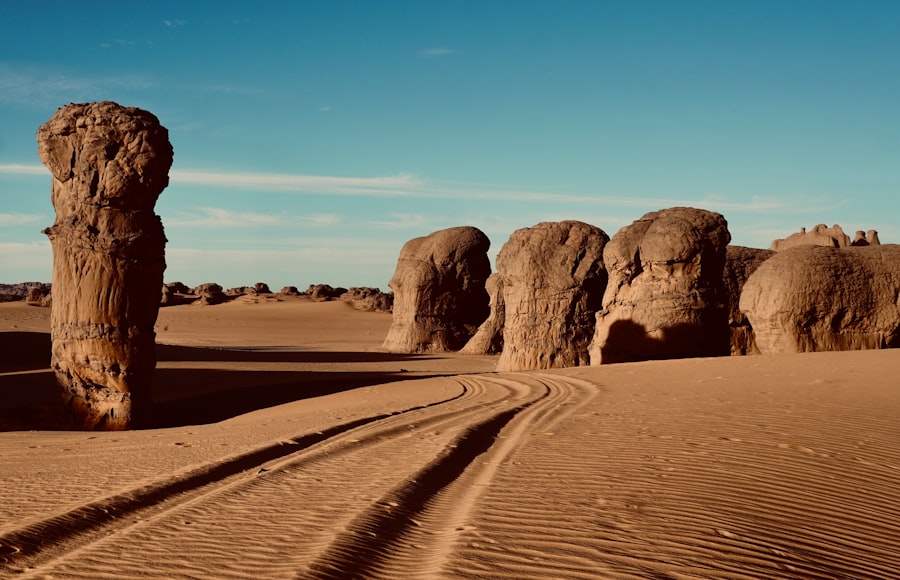
“Lost Treasures of the Sahara” doesn’t just focus on the past; it also highlights the ongoing work of modern archaeologists who are pushing the boundaries of discovery in this challenging environment. The documentary showcases the innovative techniques and collaborative efforts that are shedding new light on Saharan history.
Advanced Technologies: Peering Beneath the Sands
The film demonstrates how cutting-edge technologies are revolutionizing Saharan archaeology.
Satellite Imagery and Remote Sensing: Mapping the Unseen
“Lost Treasures of the Sahara” showcases the use of satellite imagery and remote sensing techniques to identify potential archaeological sites hidden beneath the sands. These technologies allow researchers to map vast areas efficiently and detect subtle anomalies indicative of buried structures or ancient landscapes.
Ground-Penetrating Radar (GPR): Visualizing Subsurface Features
The documentary explains how Ground-Penetrating Radar (GPR) is used to create images of subsurface features without the need for extensive excavation. This non-invasive method helps archaeologists understand the layout of ancient settlements and identify areas of particular interest for further investigation.
Collaborative Efforts: International Teams at Work
The film emphasizes the importance of international collaboration in Saharan archaeological research. It highlights how teams of archaeologists, geologists, anthropologists, and other specialists from around the world are pooling their expertise to unravel the desert’s mysteries.
Sharing Knowledge and Resources: A Global Endeavor
“Lost Treasures of the Sahara” showcases instances where different research groups share data, resources, and findings, accelerating the pace of discovery and fostering a more comprehensive understanding of Saharan history.
Training the Next Generation: Cultivating Future Archaeologists
The documentary also touches upon the efforts to train local populations in archaeological techniques, ensuring the long-term stewardship and study of these invaluable sites. This empowers communities to become active participants in preserving their heritage.
The Sahara region, known for its vast deserts and ancient trade routes, has long been a focal point for archaeologists seeking to uncover the mysteries of past civilizations. A fascinating article that delves into the historical significance of maps in understanding ancient geography is available at Exploring Topkapi Palace with Piri Reis Map. This piece highlights how cartographic evidence, like the Piri Reis map, can provide invaluable insights into the connections between different cultures and their environments, further enriching our understanding of Sahara archaeology.
The Enduring Mystery: Why the Sahara Continues to Captivate
| Category | Metric |
|---|---|
| Documentary Title | Sahara Archaeology |
| Release Year | 2021 |
| Director | [Director’s Name] |
| Duration | [Duration in minutes] |
| Archaeological Sites Explored | [Number of sites] |
| Expert Interviews | [Number of experts] |
As “Lost Treasures of the Sahara” draws to a close, it leaves viewers with a profound sense of wonder and a deep appreciation for the enduring mystery of this vast and ancient land. The documentary effectively argues that the Sahara’s allure lies not just in its hidden treasures but also in its ability to continually challenge our understanding of human history and our relationship with the environment.
The Fragility of Civilization: Lessons from the Desert
The film serves as a powerful reminder of the fragility of human civilization and the profound impact of environmental change. The rise and fall of civilizations within the Sahara offer timeless lessons about adaptation, resilience, and the delicate balance between humanity and nature.
The Future of Saharan Archaeology: Uncharted Territories
“Lost Treasures of the Sahara” concludes by looking towards the future of archaeological exploration in the region. It suggests that despite decades of research, vast areas of the Sahara remain unexplored, holding the potential for even more extraordinary discoveries. The ongoing pursuit of knowledge in this challenging yet rewarding environment promises to continue unveiling the captivating stories of this lost world. The documentary leaves the audience with a sense of anticipation, eager for the next revelation to emerge from the silent, golden embrace of the Sahara.

260 Ancient Graves Were Hiding in This “Empty” Desert
FAQs
What is the Sahara archaeology documentary about?
The Sahara archaeology documentary explores the rich history and culture of the Sahara desert, showcasing the archaeological discoveries and ancient civilizations that once thrived in the region.
Who produced the Sahara archaeology documentary?
The Sahara archaeology documentary was produced by a team of archaeologists, historians, and filmmakers who collaborated to bring to light the fascinating stories and findings from the Sahara desert.
What are some of the key discoveries featured in the Sahara archaeology documentary?
The documentary features key discoveries such as ancient rock art, prehistoric settlements, burial sites, and artifacts that provide insights into the lives of early inhabitants of the Sahara desert.
Where can I watch the Sahara archaeology documentary?
The Sahara archaeology documentary may be available for viewing on various streaming platforms, television networks, or through special screenings and events organized by the producers.
Why is the Sahara archaeology documentary significant?
The documentary is significant as it sheds light on the often overlooked history and cultural heritage of the Sahara desert, highlighting the importance of preserving and understanding the region’s archaeological treasures.