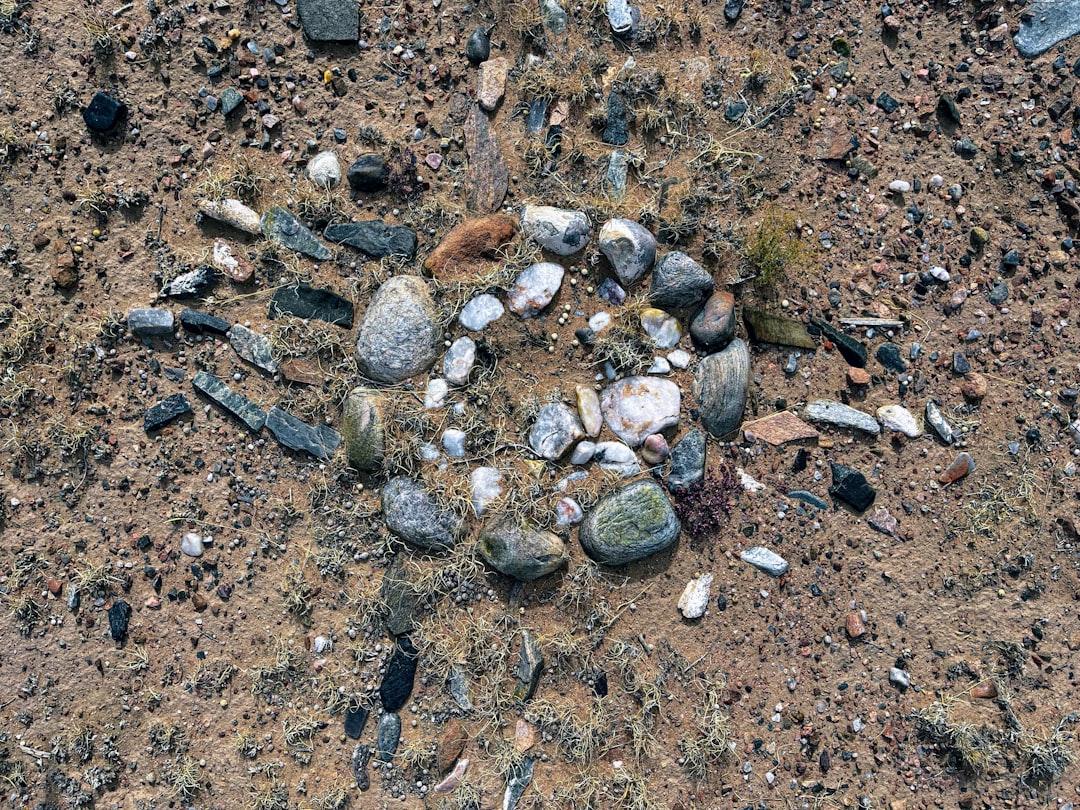
The scorching sun of the Sudanese desert, a relentless orb hanging in a vast, cerulean sky, has for millennia guarded secrets etched in stone. Scattered across this arid expanse, from the fertile banks of the Nile to the desolate plains stretching towards the horizon, lie enigmatic stone circles. These ancient wonders, often overlooked in favor of the more globally recognized megalithic structures of Europe, possess a unique mystique, whispering tales of forgotten peoples and their profound connection to the cosmos. Their silent presence, a testament to human ingenuity and spiritual yearning, continues to captivate archaeologists and historians, inviting a deeper exploration into the heart of Sudan’s ancient past.
The sheer number and widespread distribution of these stone circles in Sudan are staggering. While precise figures are elusive due to ongoing research and the harshness of the terrain, estimates suggest thousands of these sites dot the landscape. They are not mere random arrangements of rocks; their deliberate construction and often precise alignments point to a sophisticated understanding of astronomy and a rich cultural or religious practice. These are not the solitary, monumental stones of Stonehenge, though they share a similar purpose of marking and remembrance. Instead, Sudanese stone circles often comprise numerous smaller stones, sometimes arranged in concentric rings, semi-circles, or even complex geometric patterns. Their age is a subject of ongoing debate, with radiocarbon dating suggesting origins stretching back as far as the 5th millennium BCE, predating the pyramids of Egypt and placing them among the earliest known examples of monumental construction in the world. The purpose behind their creation remains a subject of intense speculation, fueling the allure of these desert sentinels.
The Dawn of Monumental Construction in Africa
The sheer antiquity of these Sudanese stone circles is a crucial element in understanding their significance. For decades, the narrative of early monumental construction was heavily skewed towards Mesopotamia and the Nile Valley. However, discoveries in Sudan have begun to redraw this map, revealing a continent that was a cradle of innovation and complex societal organization far earlier than previously assumed. The meticulous planning and labor required to assemble these structures, especially in a resource-scarce environment, speak volumes about the social cohesion and organizational capabilities of the ancient Sudanese populations. They were not simply nomadic tribes; they were communities with the capacity for long-term vision and collective action, driven by motivations that reached beyond immediate survival.
Early Astronomical Observations and Alignments
A recurring and compelling feature of many Sudanese stone circles is their apparent alignment with celestial bodies. Archeoastronomers have identified alignments with the rising and setting points of the sun during solstices and equinoxes, as well as with significant stars and constellations. This suggests a deep understanding of celestial cycles, crucial for agricultural practices, seasonal planning, and possibly for religious or ceremonial purposes. The precision with which these stones were placed, often requiring careful surveying and measurement, hints at a learned tradition passed down through generations, a testament to their astronomical knowledge.
Ancient stone circles in the Sudan desert have captivated archaeologists and historians alike, revealing insights into the region’s prehistoric cultures. These enigmatic structures, often associated with burial practices and ceremonial activities, offer a glimpse into the lives of the people who once inhabited this arid landscape. For those interested in exploring the broader implications of historical sites and their preservation, a related article discusses the urgent need for international aid in crisis regions, highlighting how cultural heritage can be affected by contemporary conflicts. You can read more about this pressing issue in the article found here: Yemen Crisis: The Urgent Need for International Aid.
Diverse Forms and Regional Variations
The stone circles of Sudan are far from monolithic in their appearance. Regional variations in construction techniques, stone types, and overall design reflect the diverse cultures and environmental conditions that prevailed across the vast Sudanese landscape over millennia. While the fundamental principle of arranging stones in a circular or semi-circular formation often holds true, the specifics of their execution reveal a fascinating tapestry of ancient Sudanese life.
The Gash Group and their Enigmatic Structures
One of the most extensively studied groups of stone circles is associated with the Gash Delta region in eastern Sudan. These sites, often found in proximity to ancient settlements, exhibit a distinct architectural style. The stones are typically of locally sourced granite or sandstone, and the circles can range from small, intimate enclosures to larger, more complex arrangements. Some sites feature central stelae or upright stones, which may have served as focal points for ceremonies or astronomical observations. The proximity to arable land suggests a connection to settled agricultural communities, perhaps using the circles for calendrical purposes related to planting and harvesting.
The Kordofan Plateau and its Boulder Arrays
Further west, on the Kordofan Plateau, the stone circles take on a different character. Here, larger, more irregularly shaped boulders are often employed, and the formations can appear more rugged and less precisely defined than those in the Gash region. Despite their seemingly less organized appearance, alignments with celestial events have still been detected in some Kordofan sites. This suggests a different, perhaps more pastoralist, cultural tradition, where the connection to the land and its natural rhythms was paramount, and their astronomical observations were integrated into a lifestyle dictated by the movement of herds and the changing seasons.
The ancient stone circles found in the Sudan desert have captivated archaeologists and historians alike, as they offer intriguing insights into the region’s prehistoric cultures. These structures, often compared to the more famous stone circles of Europe, suggest a complex society with advanced knowledge of astronomy and ritual practices. For those interested in understanding the broader context of ancient civilizations, an insightful article explores the mysterious causes of the Bronze Age collapse, shedding light on how such events may have influenced societies across different regions. You can read more about this fascinating topic in the article here.
The Nile Valley and its Sacred Enclosures
Along the fertile banks of the Nile, the stone circles often appear in conjunction with other ancient settlements and burial grounds. These might have served as sacred enclosures, ritual spaces, or perhaps as markers of important lineage or community gathering places. The availability of resources and the proximity to established communities may have influenced the scale and complexity of these structures, possibly allowing for more elaborate designs and a greater integration into the daily life of the inhabitants.
The Search for Purpose: Ritual, Astronomy, and Social Cohesion
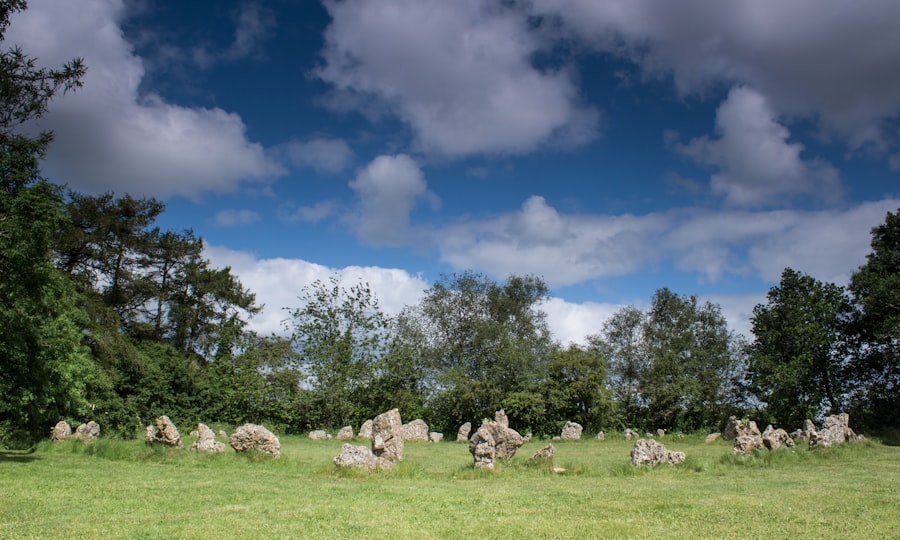
The enduring question that surrounds every Sudanese stone circle is: why were they built? While definitive answers remain elusive, a confluence of archaeological evidence and theoretical frameworks points towards a multifaceted purpose, encompassing ritualistic practices, sophisticated astronomical observation, and the reinforcement of social bonds. The very act of gathering and arranging stones on such a scale implies a shared endeavor, a communal project that likely held profound meaning for the people who created them.
Astronomical Calendars and Agricultural Cycles
The most frequently proposed function for these stone circles is their role as astronomical observatories and calendars. In pre-industrial societies, the reliable prediction of celestial events was vital for survival. The solstices marked the longest and shortest days, crucial for understanding the changing seasons and planning agricultural activities. Equinoxes indicated periods of equal day and night, often associated with specific planting or harvesting times. The precise alignments observed in many sites strongly suggest that these circles were used to track these celestial markers, providing a framework for the rhythm of life in the desert.
Sacred Spaces and Ritual Performance
Beyond their practical astronomical functions, the stone circles undoubtedly held deep spiritual and ritualistic significance. The act of gathering in these specially designated spaces, perhaps marked by central stones or specific arrangements, likely facilitated ceremonies, offerings, and communal gatherings. The orientation of these circles towards significant celestial events could have imbued them with sacred meaning, connecting the earthly realm with the divine. The sheer effort involved in their construction implies a profound belief system that valued such ritualistic spaces, places where the community could come together to honor their gods, ancestors, or the natural forces that governed their lives.
Social Hubs and Markers of Identity
The construction and maintenance of stone circles would have required significant social cooperation and organization. These projects could have served as focal points for communal gatherings, reinforcing social bonds and fostering a sense of shared identity. The circles might have also functioned as territorial markers, delineating the lands of a particular tribe or community. Their presence would have been a visible testament to their enduring presence and their claim to the land. Furthermore, some circles might have served as burial sites or memorials, with the stones marking the resting places of important individuals or ancestors, thus connecting the living with the past.
Enduring Mysteries and the Future of Research
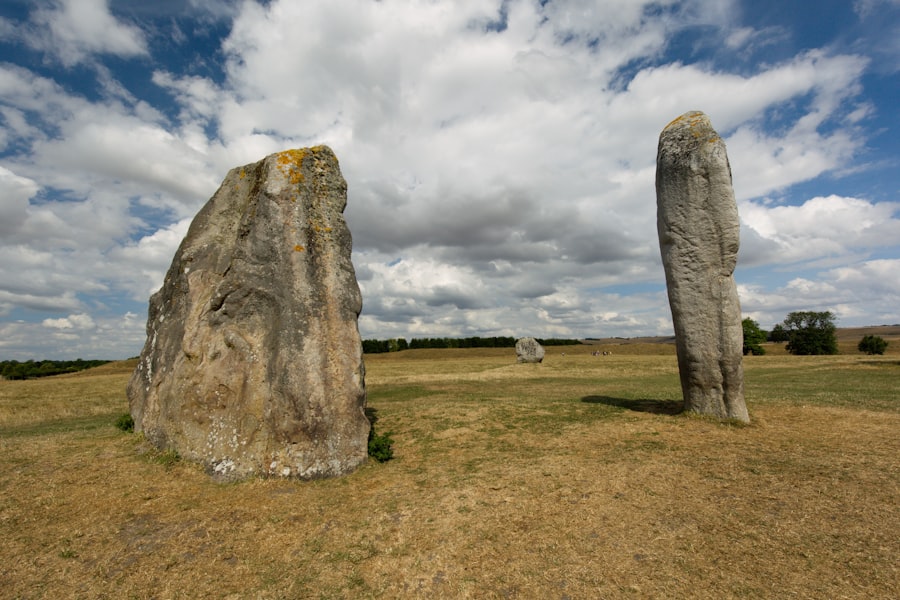
Despite decades of study, the Sudanese stone circles continue to hold many of their secrets close. The challenges of working in the remote and often inhospitable desert environments, coupled with limited resources, have meant that much remains to be discovered. However, ongoing research, aided by modern technology, promises to shed further light on these ancient wonders.
Archaeological Excavations and Artifact Discovery
Continued archaeological excavations at promising sites are crucial for unearthing tangible evidence of the people who built these circles. The discovery of artifacts, such as pottery fragments, tools, and even human remains, can provide invaluable insights into their daily lives, their diet, their technologies, and their belief systems. Understanding the context in which these circles were used, through the analysis of associated settlement patterns and burial practices, is paramount to deciphering their purpose.
Advanced Technologies in Archeoastronomy
Modern technological advancements are revolutionizing the study of ancient astronomical alignments. High-resolution satellite imagery, LiDAR (Light Detection and Ranging) technology, and advanced GPS systems allow archaeologists to map these sites with unprecedented accuracy and to analyze their orientations with greater precision. Computer simulations can recreate the night sky as it would have appeared thousands of years ago, helping to identify potential celestial alignments that may not be immediately obvious. This technological synergy is opening new avenues for understanding the sophisticated astronomical knowledge of ancient Sudanese cultures.
The Importance of Cultural Preservation and Collaboration
The preservation of these invaluable archaeological sites is of paramount importance. Protecting them from erosion, looting, and uncontrolled development is crucial for ensuring that future generations can continue to study and appreciate them. Furthermore, fostering collaboration between Sudanese archaeologists and international researchers, as well as engaging local communities in preservation efforts, is essential for the long-term safeguarding of these ancient wonders. Their stories are an integral part of Sudan’s rich cultural heritage, deserving of global recognition and protection. The silent sentinels of the Sudanese desert continue to beckon, inviting us to listen to the whispers of their ancient past and to unravel the profound mysteries they hold.

260 Ancient Graves Were Hiding in This “Empty” Desert
FAQs
What are ancient stone circles in Sudan desert?
Ancient stone circles in Sudan desert are archaeological sites consisting of circular arrangements of stones, believed to have been constructed by ancient civilizations thousands of years ago.
Where are the ancient stone circles located?
The ancient stone circles are located in the Sudanese desert, particularly in the region of the Nubian Desert, which spans across Sudan and Egypt.
When were the ancient stone circles constructed?
The construction of the ancient stone circles is estimated to have taken place between 7500 and 3500 years ago, during the Neolithic and Bronze Age periods.
What is the significance of the ancient stone circles?
The significance of the ancient stone circles is still a subject of research and debate among archaeologists and historians. Some theories suggest that they may have served as burial sites, astronomical observatories, or ritualistic gathering places.
Are the ancient stone circles open to visitors?
Yes, some of the ancient stone circles in Sudan desert are open to visitors, allowing people to explore and learn about these fascinating archaeological sites. However, it’s important to respect the historical and cultural significance of these sites while visiting.