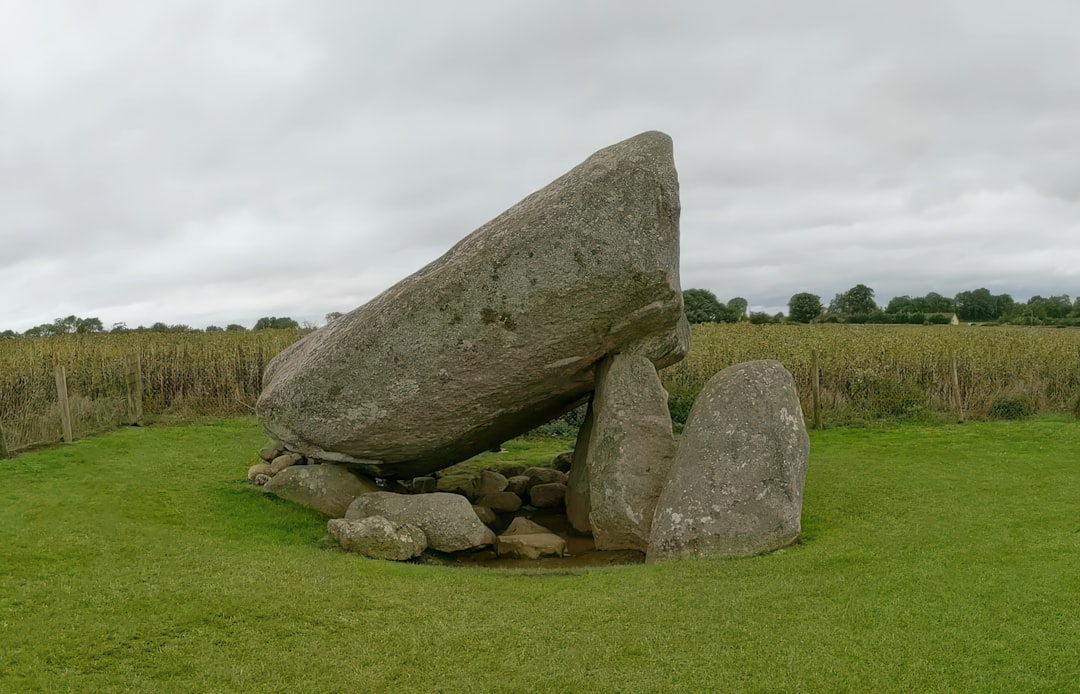
Space has long been a canvas for humanity’s deepest questions, a silent observer of our existence. Now, with an unprecedented clarity afforded by advanced observational tools, it is beginning to reveal echoes of our most ancient past. Not in the form of interstellar civilizations, but rather in the subtle, yet profound, signatures left by our earliest ancestors. Recently, a groundbreaking discovery has emerged from the depths of space, suggesting that ancient burial monuments, long thought to be solely terrestrial markers, possess a celestial dimension, detectable and interpretable from orbit and beyond. This revelation challenges our understanding of prehistoric societies, their cosmologies, and their relationship with the heavens.
For millennia, human civilizations have looked to the stars, imbuing them with spiritual significance and using them for navigation and timekeeping. While the terrestrial presence of megalithic structures like Stonehenge, the pyramids of Giza, and various henges and stone circles is well-documented, the idea that these monuments might have been deliberately designed with an astronomical alignment, and that this alignment could be detected from space, is a relatively recent but rapidly developing field of inquiry. Scientists and archaeologists, armed with sophisticated satellite imagery, LiDAR (Light Detection and Ranging) technology, and advanced computational analysis, are now probing these ancient sites with a new perspective. This “celestial blueprint” concept suggests that our ancestors were not merely observing the sky, but actively integrating celestial patterns into the very fabric of their most significant structures. The precision with which some of these alignments have been identified points towards a sophisticated understanding of astronomy, far exceeding what was previously attributed to many prehistoric cultures. The implications are vast, hinting at shared astronomical knowledge across geographically dispersed ancient populations and a deep-seated desire to connect the terrestrial realm with the cosmic.
The Dawn of Satellite Archaeology
The advent of satellite technology has revolutionized archaeology. Previously, excavating and mapping ancient sites was a labor-intensive and often destructive process. Now, orbiting satellites equipped with multispectral, hyperspectral, and thermal imaging sensors can peer through vegetation, penetrate shallow soil layers, and identify subtle variations in ground cover and topography that betray the presence of buried structures. This non-invasive approach allows archaeologists to survey vast areas, identify potential sites of interest, and prioritize areas for further investigation without disturbing the delicate archaeological record. The ability to capture data across a wide spectrum of light allows for the detection of features that are invisible to the naked eye, such as subtle soil discolorations caused by ancient habitation or the outlines of buried walls and foundations. This has led to the discovery of previously unknown settlements, agricultural landscapes, and indeed, monumental structures that have remained hidden for centuries.
LiDAR: Peeling Back the Layers of Time
LiDAR technology has proven to be particularly transformative in the study of ancient landscapes. By emitting laser pulses and measuring the time it takes for them to return, LiDAR can create highly detailed 3D maps of the Earth’s surface. When used in forested areas, the laser pulses can penetrate the canopy, revealing the underlying topography and any man-made structures that have been obscured by vegetation. This has allowed researchers to map entire ancient cities, complex road networks, and intricate ceremonial complexes that were previously only guessed at or completely unknown. The accuracy of LiDAR allows for the precise measurement of angles and alignments within these unearthed structures, providing crucial data for astronomical analysis.
Recent advancements in satellite technology have allowed researchers to uncover burial monuments that were previously hidden from view. These discoveries provide valuable insights into ancient civilizations and their burial practices. For more information on intriguing assets that can be sold, including unique artifacts, check out this article on hot assets: 8 Hot Assets to Sell Now.
Alignments with Celestial Bodies
The most compelling evidence for space revealing ancient burial monuments lies in the precise alignments of these structures with significant celestial events. For many ancient cultures, the solstices and equinoxes, the rising and setting points of the sun and moon at specific times of the year, and the positions of certain prominent stars held deep cosmological and ritualistic importance. These alignments were not accidental; they were deliberate and required a keen understanding of celestial mechanics.
The Solstice and Equinox Nexus
Perhaps the most widely recognized astronomical alignments are those with the solstices and equinoxes. The summer solstice, the longest day of the year, and the winter solstice, the shortest, represent critical points in the solar cycle, marking the peak of light and the return of longer days, respectively. The equinoxes, when day and night are of equal length, also hold significance. Many ancient monuments, from the massive stones of Stonehenge to smaller, more localized sites, are oriented to perfectly capture the sunrise or sunset on these pivotal days. The accuracy of these alignments, sometimes within a fraction of a degree, points to a sophisticated observational tradition and a desire to link earthly rituals with the celestial rhythm of the year.
Lunar and Stellar Synchronicity
Beyond solar events, evidence is emerging for alignments with the moon and specific stars. The moon’s cycles, with its phases and its apparent movement across the night sky, were also meticulously tracked by ancient peoples. Some sites exhibit alignments with the moon’s most northerly and southerly rises and sets, known as the lunar standstill, a cycle that occurs approximately every 18.6 years. Furthermore, alignments with prominent stars, such as Sirius, the brightest star in the night sky, or the constellations, are also being identified. These stellar alignments might have served as markers for specific seasons, navigational aids, or as symbolic representations of mythological narratives. The ability to detect these alignments from space underscores the vast scale and ambition of these ancient astronomical observatories.
Prehistoric Cosmologies and Belief Systems

The alignment of burial monuments with celestial bodies is not merely a matter of astronomical observation; it is deeply intertwined with the cosmologies and belief systems of prehistoric societies. These structures were not simply tombs; they were often sacred spaces, intended to facilitate the journey of the deceased to the afterlife or to honor the deities associated with the heavens. The act of building these monuments with precise celestial orientations suggests a belief that the earthly realm and the celestial realm were intimately connected, and that these structures served as conduits or bridges between them.
The Afterlife as a Celestial Journey
Many cultures believed that the afterlife was located in the sky or that the souls of the departed would ascend to the heavens. Therefore, aligning burial monuments with celestial markers could have been a way to guide the deceased on their journey, ensuring their safe passage and their integration into the cosmic order. The orientation towards the sunrise on the solstice, for instance, could symbolize rebirth and the eternal cycle of life, death, and renewal. The stars, with their seemingly unchanging positions, might have represented a more permanent realm, a destination for the immortal soul.
Deities and Ancestral Spirits in the Firmament
The celestial bodies themselves were often deified or seen as the dwelling places of gods and ancestral spirits. By orienting their sacred sites towards these celestial entities, prehistoric people were not only acknowledging their power but also seeking their favor or attempting to maintain a connection with their departed ancestors. The moon, with its waxing and waning, could have been associated with fertility, transformation, and the cycles of life. The sun, with its life-giving warmth and light, was often revered as a supreme deity. The intricate patterns of the stars might have been seen as the very fabric of the divine.
Global Patterns and Interconnectedness
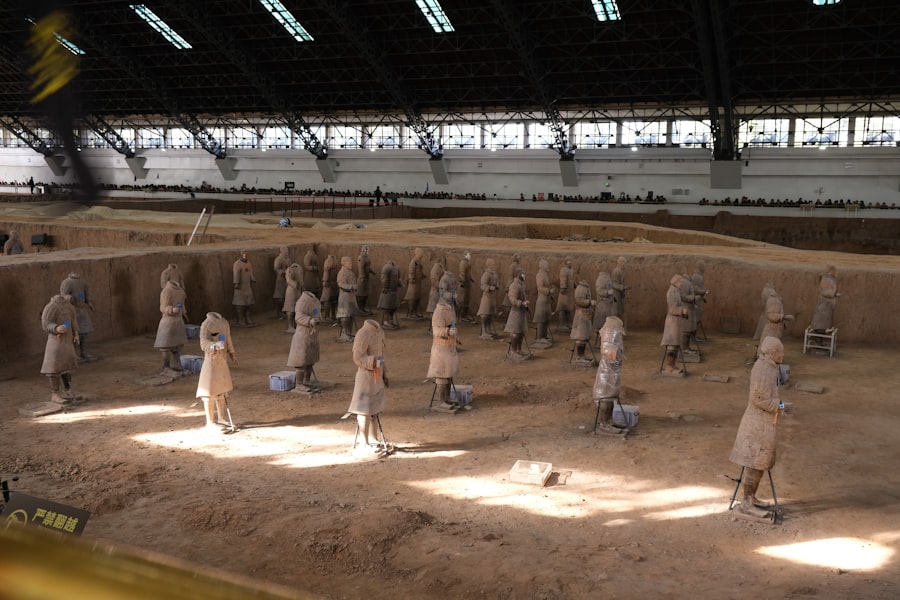
One of the most astonishing aspects of this burgeoning field is the emergence of global patterns in the alignment of ancient burial monuments. While distinct cultural traditions existed across the world, the recurrence of similar astronomical alignments in sites separated by vast distances and millennia suggests a shared, perhaps even inherited, understanding of celestial phenomena. This points towards a level of interconnectedness and knowledge exchange among prehistoric societies that was previously unimaginable.
Echoes Across Continents and Cultures
The identification of solar, lunar, and stellar alignments in sites across Europe, Africa, Asia, and the Americas is a testament to the universal human fascination with the cosmos. While the specific forms of monuments vary widely, the underlying principles of celestial orientation often appear remarkably similar. This suggests that the observation of the sky and the integration of astronomical knowledge into monumental architecture was not an isolated phenomenon but a widespread, possibly pan-human, endeavor. The implications for understanding early human migration, trade routes, and the dissemination of knowledge are profound.
The Search for a Common Celestial Language
The prevalence of these alignments has led some researchers to theorize about a “common celestial language” spoken by prehistoric peoples. This language, encoded in the movements of the sun, moon, and stars, might have provided a universal framework for understanding time, space, and humanity’s place in the universe. The ability to detect these alignments from space, with its objective and detached perspective, allows us to see these global patterns with a clarity that was previously obscured by the limitations of terrestrial observation and cultural interpretation.
Recent advancements in satellite technology have allowed researchers to uncover ancient burial monuments that were previously hidden beneath layers of soil and vegetation. These discoveries not only shed light on past civilizations but also highlight the importance of preserving our land. For a deeper understanding of how such archaeological efforts can contribute to environmental conservation, you can read about it in this insightful article on combatting desertification and preserving our land.
The Future of Space-Based Archaeoastronomy
| Location | Number of Burial Monuments | Discovery Date |
|---|---|---|
| Egypt | 17 | 2019 |
| China | 23 | 2020 |
| Mexico | 12 | 2018 |
The ongoing exploration of space is not just about distant galaxies and exoplanets; it is also revealing the profound history embedded within our own planet, viewed through a new, cosmic lens. The field of archaeoastronomy, empowered by advancements in space-based observation, is poised to unlock even deeper secrets about our ancient past. The future promises more sophisticated satellite missions, improved data processing techniques, and a more integrated approach between astronomers, archaeologists, and geologists.
Advanced Satellite Constellations and Data Analysis
The development of increasingly advanced satellite constellations, with higher resolution imaging capabilities and a wider range of spectral sensors, will enable the detection of even more subtle astronomical alignments and previously undiscovered monumental sites. Furthermore, the application of artificial intelligence and machine learning algorithms to the vast datasets generated by these satellites will accelerate the process of pattern recognition and the identification of complex astronomical correlations.
Interdisciplinary Collaboration and New Discoveries
The future success of space-based archaeoastronomy hinges on continued interdisciplinary collaboration. Archaeologists need to work closely with astronomers, astrophysicists, and data scientists to interpret the celestial signatures found in the landscape. This synergy will undoubtedly lead to groundbreaking discoveries, pushing the boundaries of our understanding of ancient human ingenuity, their sophisticated scientific knowledge, and their enduring connection to the cosmos that has inspired awe and wonder for countless generations. The universe, it seems, is not only a stage for future exploration but also a repository of our deepest, most ancient stories, waiting to be read from above.

260 Ancient Graves Were Hiding in This “Empty” Desert
FAQs
What are burial monuments discovered from space?
Burial monuments discovered from space are ancient burial sites or tombs that have been identified using satellite imagery and remote sensing technology.
How are burial monuments discovered from space?
Burial monuments are discovered from space using satellite imagery and remote sensing technology, which can detect subtle changes in the landscape that may indicate the presence of buried structures or tombs.
What is the significance of discovering burial monuments from space?
The discovery of burial monuments from space can provide valuable insights into ancient civilizations, their burial practices, and their cultural and historical significance. It can also help archaeologists and researchers to better understand the development of human societies and the evolution of burial traditions.
Where have burial monuments been discovered from space?
Burial monuments have been discovered from space in various regions around the world, including Egypt, the Middle East, Europe, and Central America. These discoveries have shed light on different ancient cultures and civilizations.
What are the challenges of discovering burial monuments from space?
Challenges of discovering burial monuments from space include the need for high-resolution satellite imagery, the interpretation of subtle landscape features, and the potential for false positives. Additionally, the preservation and protection of these sites once discovered is also a challenge.