The Sahara Desert, a vast and formidable expanse of sand and rock, is often perceived as a timeless and unchanging landscape, a formidable barrier that has shaped human history for millennia. However, archaeological and scientific evidence has dramatically reshaped this perception, revealing a far more dynamic and verdant past, especially during the Holocene epoch. Within this ancient Sahara, a remarkable chapter of human ingenuity and adaptation unfolded: prehistoric pastoralism, the herding of livestock. This practice, far from being a marginal endeavor, was a cornerstone of early human societies, providing sustenance, mobility, and a profound connection to the environment. The story of prehistoric pastoralism in the Sahara is a testament to human resilience, a fascinating glimpse into a world where nomadic herders navigated a landscape vastly different from the arid desert of today.
Before delving into the specifics of pastoralism, it is crucial to understand the environmental context in which it flourished. The Sahara of the early and mid-Holocene (roughly 11,700 to 5,000 years ago) was not the hyper-arid desert we recognize today. This period, often referred to as the “Green Sahara” or the “African Humid Period,” was characterized by significantly higher rainfall, creating a savanna-like environment across much of what is now the Sahara. Rivers flowed, lakes and wetlands teemed with life, and grasslands supported a diverse array of flora and fauna.
Rainfall Patterns and Ecological Transformations
The increased precipitation was driven by shifts in atmospheric circulation patterns. The Intertropical Convergence Zone (ITCZ), a belt of low pressure and high rainfall, migrated northward during the summer months, bringing monsoon rains deep into the Sahara. This altered hydrological cycle led to the formation of numerous temporary and permanent bodies of water.
The Role of Monsoonal Influences
The southward shift of the ITCZ was a critical factor in transforming the Saharan landscape. These monsoonal rains sustained vegetation growth, creating grazing lands suitable for both wild herbivores and domesticated livestock.
Lakes, Rivers, and Wetlands: Oases of Life
The presence of extensive water bodies played a pivotal role in supporting both human and animal populations. These provided not only drinking water but also facilitated the growth of vegetation, attracting a rich biodiversity.
Flora and Fauna of the Green Sahara
The Green Sahara supported a rich ecosystem that was crucial for the development of pastoral societies. Vast grasslands, dotted with acacia trees and other hardy vegetation, provided ample fodder for herds.
Grasslands and Savannas: The Ideal Pasture
The dominant vegetation types were grasses, which formed the primary food source for grazing animals. These grasslands varied in density and composition depending on local rainfall and soil conditions.
Herbivore Diversity: A Natural Pantry
The Green Sahara was home to a wide range of wild herbivores, including aurochs (wild cattle), giraffes, antelopes, and elephants. These animals would have been a source of food and resources for hunter-gatherer populations and later, for pastoralists.
Recent studies have shed light on prehistoric pastoralism in the Sahara, revealing how ancient communities adapted to changing climatic conditions. For a deeper understanding of how paleoclimate data can illuminate the lives of these early pastoralists, you can explore the article titled “Uncovering Ancient Civilizations Through Paleoclimate Data” at this link: Uncovering Ancient Civilizations Through Paleoclimate Data. This article discusses the significance of climate shifts in shaping the social and economic practices of early societies in the region.
The Dawn of Domesticated Herds: Bringing Animals Home
The transition from hunting wild game to managing domesticated livestock was a profound shift in human subsistence strategies. While the exact origins of domestication in Africa are complex and debated, evidence points to the gradual integration of animals into human societies in the Sahara during the early Holocene.
The Arrival of Domesticated Cattle
Archaeological evidence strongly suggests that cattle were among the first domesticated animals to be herded in the Sahara. The exact timing and origins of cattle domestication in Africa are still active areas of research, but it is clear that they became an integral part of Saharan life.
Genetic and Archaeological Clues
Studies of cattle genetics and archaeological findings of cattle bones in early Holocene contexts provide crucial insights into the spread of domesticated cattle across the Sahara.
The Importance of Cattle in Early Pastoralism
Cattle offered numerous advantages: milk, meat, hides, and dung. Their ability to thrive on grazing lands also made them ideal for a mobile lifestyle, allowing people to follow seasonal pasture.
The Role of Sheep and Goats
While cattle were prominent, sheep and goats also played a significant role in Saharan pastoralism. These animals are generally hardier and can subsist on a wider range of vegetation, making them adaptable to varied environments.
Adaptability to Arid and Semi-Arid Conditions
Sheep and goats are known for their ability to tolerate drier conditions and browse on shrubs and tougher vegetation, making them valuable additions to pastoral herds.
Diversification of Food and Resources
The inclusion of sheep and goats provided pastoralists with a more diverse range of resources, including wool, different types of meat, and milk.
The Nomadic Lifestyle: Following the Rains and Pastures
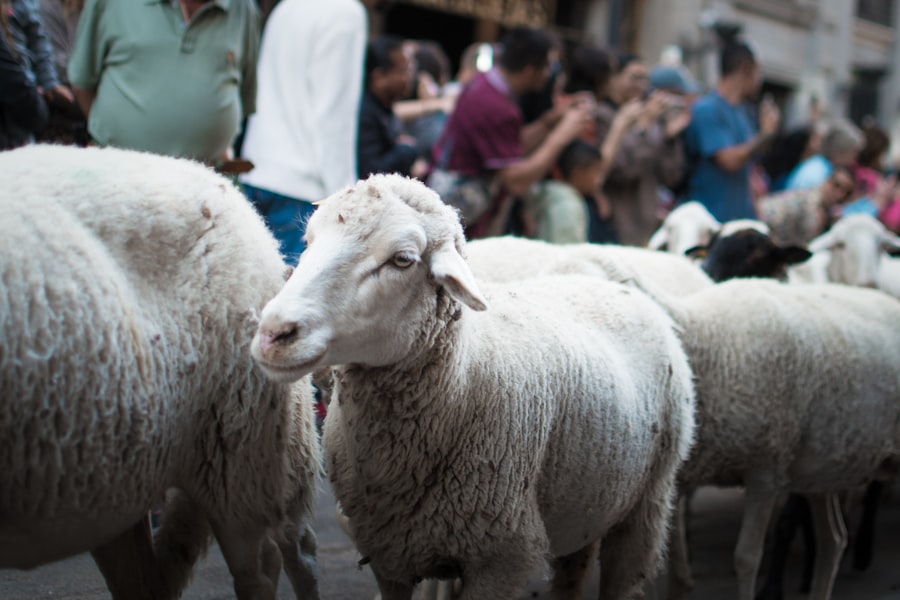
Pastoralism in the Sahara was intrinsically linked to a nomadic or semi-nomadic lifestyle. Herders had to constantly move their animals to find fresh grazing lands and water sources, adapting to the cyclical nature of the environment.
Seasonal Migrations: The Rhythms of the Herd
The movement of pastoral communities was dictated by the availability of pasture and water. These migrations were often seasonal, with groups moving to higher ground or different regions during the dry season.
Transhumance and its Saharan Manifestations
Transhumance, the seasonal movement of livestock between different grazing areas, was likely a common practice. This could involve moving from lowland pastures in the wet season to higher ground or areas with more persistent water sources in the dry season.
The Search for Water Sources: Lifelines of the Desert
Water was the most critical resource, and herders would have been highly attuned to the location of wells, springs, and temporary waterholes.
Campsites and Settlements: Evidence of Daily Life
Archaeological excavations have revealed evidence of temporary encampments and more permanent settlements used by pastoral communities. These sites offer glimpses into their daily lives, social structures, and subsistence practices.
Rock Art as a Window into the Past
The stunning rock art found throughout the Sahara provides invaluable visual information about prehistoric pastoralism. These depictions offer insights into herding practices, animal husbandry, and the daily lives of the people.
Depictions of Herds and Herders
Rock engravings and paintings frequently portray scenes of cattle, sheep, goats, and the people who tended them, offering a direct visual record of their activities.
The Significance of Animal Imagery
The emphasis on animal imagery in rock art underscores the central importance of livestock in Saharan pastoralist cultures.
Social Organization and Community Life
Pastoralism fostered specific forms of social organization. The need for collective management of herds, defense against predators or rival groups, and the sharing of resources likely led to the development of strong community bonds.
Kinship and Group Cohesion
Kinship ties would have been essential for organizing labor, sharing responsibilities, and maintaining the cohesion of nomadic groups.
Leadership and Decision-Making
The complexities of managing mobile herds and navigating challenging environments likely necessitated forms of leadership and collective decision-making processes.
Tools, Technology, and Animal Husbandry
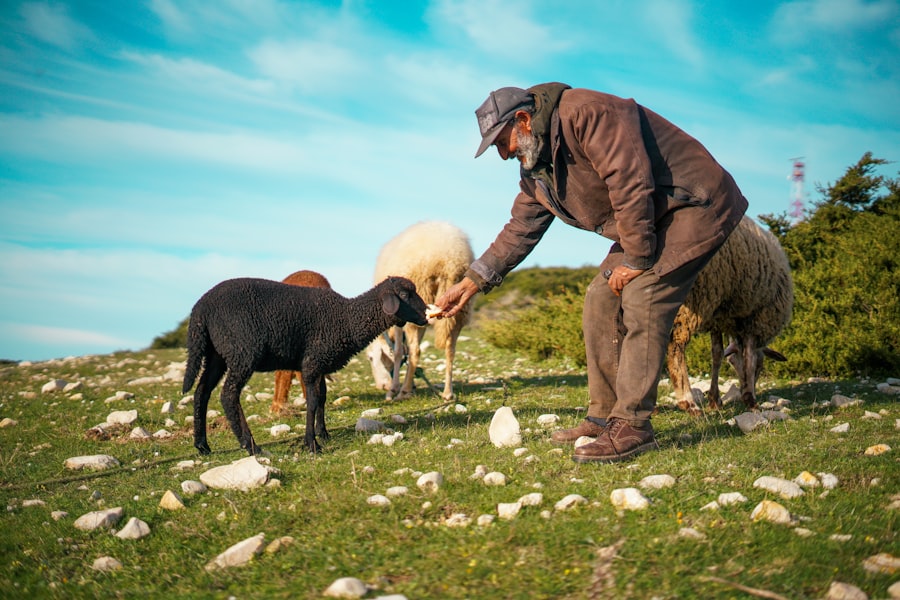
Prehistoric Saharan pastoralists were not simply following animals; they actively managed and cared for their livestock, employing a range of tools and technologies to enhance their herds’ well-being and their own efficiency.
Domestication and Breeding Practices
The process of domestication itself involved selective breeding to favor animals with desirable traits, such as docility, milk production, or meat yield.
Selective Breeding for Desirable Traits
Pastoralists would have observed their animals closely and preferentially bred those that were more manageable, productive, or better adapted to the Saharan environment.
Early Forms of Veterinary Care
While direct evidence is scarce, it is plausible that early pastoralists developed rudimentary forms of animal care, including knowledge of medicinal plants or basic wound treatment.
Tools for Herding and Animal Management
A variety of tools would have been essential for managing livestock and facilitating their movement and care.
Staffs, Ropes, and Containment
Simple tools like staffs for guiding animals, ropes for leading or tethering, and possibly rudimentary corrals or enclosures would have been employed.
Tools for Milk Extraction and Processing
The management of milk as a vital food source would have required tools for milking and potentially for processing milk into products like cheese or yogurt.
The Use of Animal Products Beyond Food
The utility of domesticated animals extended far beyond their meat and milk. Their other products played a crucial role in Saharan pastoralist economies and daily life.
Hides and Skins: Clothing and Shelter
Animal hides and skins were invaluable for creating clothing, footwear, and materials for shelter, offering protection from the elements.
Dung as Fuel and Fertilizer
Animal dung was a vital resource, serving as fuel for cooking and heating, and as a valuable fertilizer for any small-scale cultivation that might have occurred.
Recent studies on prehistoric pastoralism in the Sahara have shed light on the complex interactions between early human societies and their environments. One fascinating article that delves into this topic is available at Uncovering the Map That Rewrites History, which explores how ancient maps can provide insights into the migratory patterns and settlement strategies of these early pastoral communities. Understanding these dynamics not only enriches our knowledge of human history but also highlights the adaptability of societies in response to changing climatic conditions.
The Decline of the Green Sahara and the Rise of Aridity
| Time Period | Region | Pastoralism Evidence |
|---|---|---|
| 10,000-4,000 BCE | Tassili n’Ajjer, Algeria | Rock art depicting cattle herding |
| 6,000-4,000 BCE | Fezzan, Libya | Domesticated animal bones found in archaeological sites |
| 5,000-3,000 BCE | Eastern Sahara | Grinding stones and pottery associated with pastoralism |
The vibrant Green Sahara was not a permanent state. Over millennia, climatic shifts led to a gradual increase in aridity, transforming the savanna into the desert we know today. This profound environmental change had a dramatic impact on pastoral societies.
Shifting Rainfall Patterns and Desertification
The northward migration of the ITCZ began to recede, leading to a significant decrease in rainfall across the Sahara. This gradual process of desertification led to the shrinking of lakes, the drying up of rivers, and the decline of grasslands.
The End of the African Humid Period
The end of the African Humid Period marked a critical turning point, forcing pastoral communities to adapt to increasingly challenging environmental conditions.
The Struggle for Scarce Resources
As water and pasture became scarcer, competition for these vital resources likely intensified, leading to social and economic pressures.
Adaptations and Transformations of Pastoralism
In response to the encroaching aridity, Saharan pastoralists had to make significant adaptations to their way of life. Some groups may have migrated southward, following the retreating rains, while others developed new strategies for survival.
Intensification of Mobile Strategies
Existing mobile strategies may have become more pronounced, with herders undertaking longer and more arduous journeys in search of sustenance.
Diversification of Subsistence Strategies
Some pastoral communities may have diversified their subsistence strategies, incorporating more opportunistic foraging, hunting, or even limited forms of agriculture in more favorable micro-environments.
The Emergence of Camel Pastoralism
The domestication and widespread adoption of the camel, with its incredible adaptations to arid environments, played a crucial role in the survival of pastoralism in the Sahara. The camel’s ability to travel long distances without water and to subsist on dry vegetation made it an ideal animal for the emerging desert landscape.
The Camel as a Game Changer
The introduction and widespread adoption of the camel revolutionized Saharan pastoralism, allowing for greater mobility and access to previously inaccessible areas.
The Camel Caravan and Trade Networks
Camel caravans became the backbone of long-distance trade across the Sahara, connecting different regions and facilitating the exchange of goods and ideas.
Legacy of Prehistoric Pastoralism in Modern Saharan Cultures
The legacy of prehistoric pastoralism is still visible in the cultures and traditions of modern Saharan peoples. The deep knowledge of the land, the resilience in the face of hardship, and the enduring connection to livestock are all echoes of this ancient practice.
Enduring Nomadic Traditions
While the scale and nature of pastoralism have evolved, nomadic and semi-nomadic lifestyles continue to be practiced by various groups in the Sahara and its surrounding regions.
Cultural Heritage and Identity
The history of pastoralism is deeply interwoven with the cultural heritage and identity of many Saharan communities, shaping their social structures, beliefs, and artistic expressions.
The story of prehistoric pastoralism in the Sahara is a compelling narrative of human adaptation, ingenuity, and resilience. It paints a picture of a vibrant, dynamic landscape that supported thriving societies, long before the sands asserted their dominance. The evidence unearthed by archaeologists and scientists allows us to connect with these ancient herders, to understand their challenges, their innovations, and their profound relationship with the animal kingdom and the ever-changing Saharan environment. This chapter of human history, etched in the sands and rocks of the Sahara, continues to inspire awe and deepen our understanding of our ancestors’ remarkable ability to thrive in even the most challenging of worlds.

260 Ancient Graves Were Hiding in This “Empty” Desert
FAQs
What is prehistoric pastoralism?
Prehistoric pastoralism refers to the practice of raising and herding animals for food and resources by ancient human societies. This lifestyle involved the domestication and management of animals such as cattle, sheep, and goats.
What evidence supports prehistoric pastoralism in the Sahara?
Archaeological evidence, including rock art, pottery, and animal bones, supports the existence of prehistoric pastoralism in the Sahara. These findings indicate that ancient societies in the region engaged in animal husbandry and herding as part of their subsistence strategies.
When did prehistoric pastoralism occur in the Sahara?
Prehistoric pastoralism in the Sahara is believed to have occurred during the Neolithic period, which began around 10,000 years ago. This era marked a significant shift from hunting and gathering to agriculture and animal domestication in various parts of the world, including the Sahara.
What were the benefits of prehistoric pastoralism in the Sahara?
Prehistoric pastoralism provided ancient societies in the Sahara with a reliable source of food, milk, and other animal products. It also allowed for the development of trade networks and social structures, as well as the utilization of animals for transportation and labor.
How did prehistoric pastoralism impact the environment of the Sahara?
The practice of prehistoric pastoralism likely had both positive and negative impacts on the environment of the Sahara. While it may have contributed to soil fertility through animal dung and facilitated the dispersal of plant species, it also could have led to overgrazing and habitat degradation in certain areas.