
The scorching sun beat down on an endless expanse of ochre sand, a landscape so alien and vast it felt like a world unto itself. Yet, this seemingly desolate Sahara Desert, a titan of arid emptiness, was not always so. Beneath the shifting dunes and wind-scoured rock formations lies a forgotten epoch, a prehistoric Sahara teeming with life, a world so different it stretches the imagination. This is a journey to explore that lost realm, a testament to the planet’s ceaseless transformation and the enduring mysteries buried within its sands.
For millennia, the Sahara was not the parched desert we know today. Instead, it experienced cycles of lush green periods, dramatically altering its landscape and supporting diverse ecosystems. Understanding these paleoclimates is crucial to unlocking the secrets of its prehistoric inhabitants.
The African Humid Period: A Recurring Miracle
The most significant transformation of the Sahara occurred during what scientists call the African Humid Period, or the Green Sahara. This phenomenon was not a single event but a recurring cycle driven by astronomical influences.
Milankovitch Cycles and Monsoonal Shifts
The Earth’s orbit around the sun, its axial tilt, and wobble – known as Milankovitch cycles – played a pivotal role. These subtle variations in solar radiation reaching different parts of the Earth influenced atmospheric and oceanic circulation patterns. During specific periods, particularly between roughly 11,000 and 5,000 years ago (the Holocene Humid Period), these cycles led to a northward shift of the Intertropical Convergence Zone (ITCZ), the belt of rain-producing clouds. This shift brought monsoon rains deep into what is now the Sahara, transforming vast swathes into grasslands, savannas, and even large lakes and rivers.
Evidence in the Sediments: A Geological Chronicle
Geologists and paleoclimatologists have unearthed compelling evidence for these wet periods by studying sediment cores from ancient lakebeds and ocean floors. These cores act as time capsules, preserving layers of pollen, diatoms (microscopic algae), and other organic matter that reveal the past environmental conditions. The presence of freshwater sediments, abundant plant pollen, and fossilized aquatic organisms in these cores paints a vivid picture of a once-hydrated landscape.
The Disappearance of the “Green Sahara”: A Gradual Transformation
While the Green Sahara periods were remarkable, they were not permanent. The transition back to aridity was a gradual process, driven by the waning influence of the Milankovitch cycles and subsequent changes in atmospheric circulation.
The Retreat of the Rains: A Slow Unraveling
As the Earth’s orbital parameters shifted, the ITCZ began to retreat southwards once more. This led to a progressive drying of the Sahara. The vast lakes began to shrink, rivers dwindled, and the lush vegetation succumbed to the increasing aridity, eventually giving way to the sand seas that dominate today. This transition, though slow, was profound, forcing the flora and fauna, including early human populations, to adapt, migrate, or perish.
The lost prehistoric world of the Sahara continues to intrigue researchers and historians alike, as it offers a glimpse into a time when the region was lush and teeming with life. For those interested in exploring how ancient environments shape modern landscapes and economies, a related article discussing Mexico’s growing role in global trade can provide valuable insights into how historical contexts influence contemporary developments. You can read more about this fascinating topic in the article available at Mexico’s Growing Role in Global Trade.
Life in the Prehistoric Sahara: A Thriving Ecosystem
The “Green Sahara” was not an empty canvas; it was a vibrant tapestry of life, a far cry from the barrenness of its present-day iteration. This period witnessed the flourishing of a diverse array of flora and fauna, a testament to the power of a more hospitable climate.
Megafauna and Extinct Giants: Witnesses to a Bygone Era
The presence of abundant water and vegetation supported a host of large animals, some of which are now extinct. These creatures roamed the savannas and shorelines, leaving behind tantalizing clues for paleontologists.
Ancestors of Modern Wildlife and Unique Species
Imagine colossal hippopotamuses wallowing in ancient Saharan lakes, their ancestors now found only in more southerly river systems. Giant giraffes, ancestors of the elegant creatures we know today, grazed on acacia trees that once dotted the landscape. The Saharan cheetah, a distinct subspecies, likely stalked prey across the grasslands. Remains of ancient elephants, rhinos, and even crocodiles have been unearthed, proving that this was a region capable of supporting a diverse and impressive megafauna. The presence of these large animals indicates a healthy and robust ecosystem capable of sustaining significant biomass.
The Role of Rivers and Lakes as Biodiversity Hotspots
The ancient rivers and extensive lake systems, such as the legendary Mega-Chad and Lake Gadamalwa, acted as vital arteries of life. These water bodies were not just sources of drinking water; they were also rich in fish, aquatic plants, and provided breeding grounds for a multitude of species. The surrounding wetlands and floodplains, fed by these water sources, were lush with grasses, reeds, and trees, attracting herbivores and the carnivores that preyed upon them. These aquatic ecosystems were likely the cradles of biodiversity in the prehistoric Sahara.
Human Habitation: Early Migrations and Cultural Developments
The presence of abundant resources attracted early human populations to the Sahara. Archaeological evidence reveals a rich history of human activity, from hunter-gatherer societies to more complex settlements, all adapted to the prevailing environmental conditions.
Hunter-Gatherer Societies: Adapting to the Seasons
For much of the Green Sahara period, humans lived as nomadic hunter-gatherers. They followed the seasonal rains and the movements of game animals, utilizing the diverse plant and animal resources available. Stone tools, spear points, and grinding stones found at archaeological sites are testaments to their ingenuity and their ability to exploit their environment. These early inhabitants were intimately connected to the rhythms of the landscape, their lives dictated by the ebb and flow of water and the availability of food.
The Emergence of Early Pastoralism and Agriculture
As the climate began to shift and dry, some Saharan populations transitioned towards more settled ways of life, including early forms of pastoralism and even nascent agriculture. The domestication of animals, particularly cattle, played a crucial role in their adaptation. Herds could be moved to find pasture and water, providing a reliable source of food and resources. In some areas, evidence suggests the cultivation of drought-resistant crops, demonstrating a remarkable ability to adapt to changing environmental pressures.
Archaeological Discoveries: Unearthing the Past
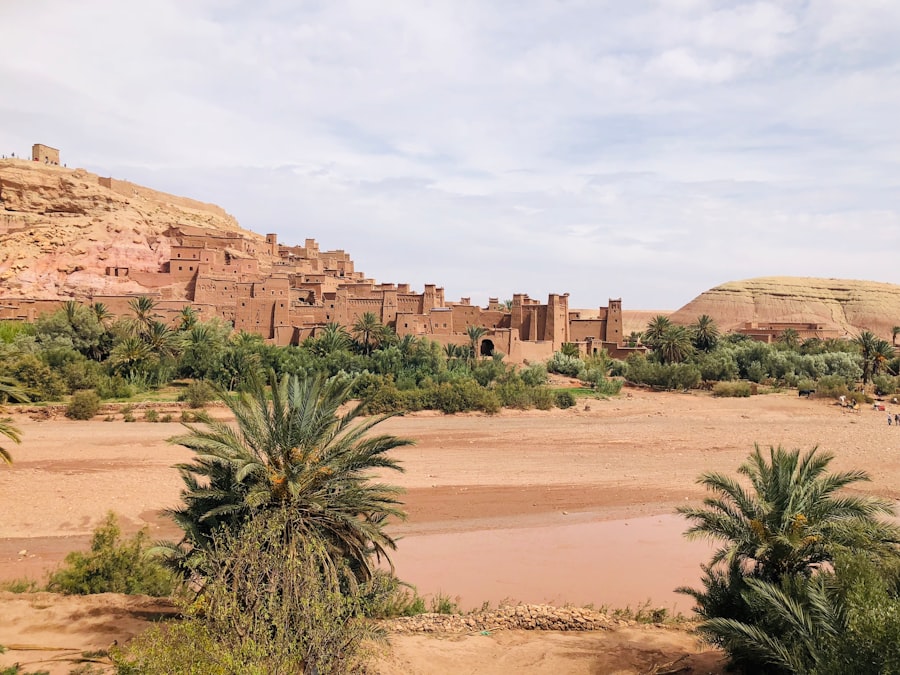
The sands of the Sahara have yielded an astonishing array of archaeological treasures, piecing together the narrative of its prehistoric inhabitants and their way of life. These discoveries offer a tangible link to a world long gone.
Rock Art: A Visual Legacy of Prehistoric Life
Perhaps the most evocative remnants of the prehistoric Sahara are its ancient rock art sites. These galleries, etched into cliff faces and cave walls, provide an unparalleled window into the beliefs, activities, and environment of its former inhabitants.
Tassili n’Ajjer and the Wadi Mathrendous: Galleries of Time
Regions like the Tassili n’Ajjer plateau in Algeria and the Wadi Mathrendous in Libya are renowned for their vast and intricate rock art. These sites feature thousands of paintings and engravings depicting a stunning variety of subjects.
Scenes of Hunting and Herding: Daily Life Captured
The art frequently portrays scenes of daily life, including lively hunts of wild animals, the herding of cattle, and gatherings of people. The detail and dynamism of these depictions offer insights into their hunting techniques, social structures, and their relationship with the animals that shared their world. We see depictions of archers, spearmen, and even scenes of people driving cattle, providing a visual narrative of their subsistence strategies.
Ceremonies, Rituals, and Mysterious Figures: Spiritual Beliefs and Symbolism
Beyond the mundane, the rock art also reveals glimpses of their spiritual lives. We find depictions of elaborate ceremonies, masked figures, and symbolic patterns that hint at complex belief systems and rituals. The presence of anthropomorphic figures with unusual features, sometimes interpreted as deities or spiritual beings, sparks endless debate and fascination. These artistic expressions offer a profound connection to the spiritual and symbolic world of these ancient people.
The “Round Heads” and “Wavy Horns”: Artistic Styles and Interpretations
Different artistic styles are evident across various periods and regions. The distinctive “Round Heads” figures, with their smooth, rounded heads and often elongated bodies, are a hallmark of certain Saharan art traditions. The depiction of animals with exaggerated features, such as “wavy horns,” suggests a symbolic or stylistic interpretation rather than strict naturalism. These variations in style provide clues about cultural diffusion, stylistic evolution, and regional artistic traditions.
Artifacts and Settlements: Evidence of Daily Existence
Beyond the artistic expressions, the discovery of artifacts and the remnants of settlements provide crucial information about the material culture and daily lives of prehistoric Saharans.
Tools, Pottery, and Adornments: Craftsmanship and Innovation
Archaeological excavations have unearthed a wealth of stone tools, including finely crafted arrowheads, scrapers, and grinding stones. The presence of pottery shards indicates the development of ceramic technology, allowing for food storage and cooking. Personal adornments, such as beads made from bone, shell, and even stone, suggest a sense of aesthetics and social differentiation. These artifacts are tangible evidence of their ingenuity and their ability to craft the tools and objects necessary for survival and social cohesion.
Ancient Village Sites and Nomadic Camps: Tracing Human Presence
The identification of ancient village sites, often characterized by hearths, refuse pits, and the remains of structures, provides evidence of more permanent settlements. In other areas, the remains of nomadic camps, marked by ephemeral structures or concentrations of artifacts, reveal the mobile lifestyles of certain groups. The distribution of these sites across the landscape often correlates with the presence of ancient water sources, highlighting the importance of these resources for human habitation.
The Great Migration: Adapting to a Drying World
As the Green Sahara gradually transformed into the arid desert we know today, its inhabitants faced a monumental challenge: adaptation or displacement. This period of environmental change triggered significant human migrations and reshaped the cultural landscape of North Africa.
The Pressure to Move: Scarce Resources and Emerging Aridity
The diminishing water sources and the loss of fertile grazing lands created immense pressure on existing human and animal populations. Those who could not adapt to the increasingly harsh conditions were forced to seek new territories with more abundant resources.
The Southern Push: Towards the Sahel and Sub-Saharan Africa
A significant wave of migration likely moved southwards, towards the more reliably watered regions of the Sahel and into sub-Saharan Africa. This southward movement would have contributed to the dispersal of populations and the development of new cultural practices in these areas. The people who migrated south carried with them their knowledge, their traditions, and their genetic heritage, influencing the development of societies in those regions.
The Northern Escape: Towards the Mediterranean Coast and Beyond
Another avenue of escape for some groups was northwards, towards the Mediterranean coast. Here, they encountered different environments and potentially interacted with other populations, leading to further cultural exchange and adaptation. The coastal regions offered access to marine resources and different agricultural possibilities, allowing for continued human presence in the face of inland aridity.
The Rise of New Cultures: Innovation in the Face of Adversity
The migrations and the need to adapt to new environments fostered innovation and the development of new cultural strategies. These were not simply passive movements but active processes of adaptation and cultural evolution.
The Herding Revolution: The Importance of Livestock
The importance of livestock, particularly cattle, increased dramatically during this transitional period. Pastoralism offered a flexible and mobile lifestyle that could better cope with fluctuating water availability. The ability to move herds across vast distances in search of pasture became a crucial survival strategy. This period saw the refinement of herding techniques and the development of complex social structures centered around livestock.
The Introduction of New Technologies: Adapting to Aridity
The drying climate also spurred the adoption and development of new technologies. The increased reliance on wells and other water-harvesting techniques became essential. The development of more efficient tools for processing drought-resistant crops and for managing limited water resources became paramount. The ingenuity of these ancient peoples in developing solutions to survive in a challenging environment is truly remarkable.
The lost prehistoric world of the Sahara has captivated researchers and enthusiasts alike, revealing a landscape that was once teeming with life and rich in biodiversity. This fascinating history is intertwined with various ancient artifacts and technologies, such as the enigmatic Baghdad Battery, which has sparked debates about the technological capabilities of ancient civilizations. To explore more about this intriguing subject, you can read the article on the true purpose of the Baghdad Battery here. Understanding these connections can provide deeper insights into the cultural and technological advancements of our ancestors in regions like the Sahara.
The Legacy of the Prehistoric Sahara: Echoes in the Present
| Location | Time Period | Climate | Flora | Fauna |
|---|---|---|---|---|
| Sahara Desert | 10,000 years ago | Wet and green | Lakes, rivers, grasslands | Giant extinct animals like mammoths, giant buffalo, and wild cattle |
While the Green Sahara is a chapter of the past, its legacy continues to resonate. The ancient migrations, the cultural developments, and the environmental transformations have left indelible marks on the African continent and on our understanding of human history.
Genetic Footprints: Tracing Ancestral Migrations
Modern genetic studies are increasingly revealing the ancient migratory routes of human populations out of Africa. The genetic signatures of people living in North Africa, the Sahel, and sub-Saharan Africa often bear the imprints of these prehistoric movements, providing a biological narrative of the past. By analyzing DNA, scientists can trace the flow of people across the continent and understand how past environmental changes influenced human settlement patterns.
Cultural Continuity and Resilience: Lessons for Today
The resilience and adaptability of prehistoric Saharans offer valuable lessons for us today, particularly in the face of contemporary environmental challenges like climate change. Their ability to innovate, migrate, and develop new strategies for survival in a drastically changing world is a testament to human ingenuity and the enduring capacity for adaptation. The stories unearthed from the prehistoric Sahara serve as a reminder of humanity’s deep connection to the Earth and its ability to overcome even the most formidable obstacles.
Ongoing Research and Future Discoveries: The Sahara’s Unfolding Story
The exploration of the prehistoric Sahara is far from over. New technologies, advanced dating techniques, and renewed scientific interest continue to push the boundaries of our knowledge. Each new discovery, whether it be a previously unknown rock art site, a well-preserved artifact, or a detailed paleoclimatic record, adds another layer to the unfolding story of this extraordinary lost world. The Sahara, once a symbol of desolation, is revealing itself to be a cradle of ancient civilizations and a testament to the dynamic, ever-changing nature of our planet. The secrets it holds are vast, and its exploration promises to continue illuminating the deep past of human history and the incredible transformations of the African continent.

260 Ancient Graves Were Hiding in This “Empty” Desert
FAQs
What is the lost prehistoric world of the Sahara?
The lost prehistoric world of the Sahara refers to the ancient civilization and ecosystems that existed in the Sahara desert thousands of years ago. This includes evidence of human settlements, rock art, and extinct animal species.
What evidence has been found of the lost prehistoric world of the Sahara?
Archaeologists and researchers have discovered rock art depicting ancient human activities, as well as fossils of extinct animals such as elephants, giraffes, and hippos. Additionally, remnants of ancient settlements and tools have been unearthed.
When did the lost prehistoric world of the Sahara exist?
The lost prehistoric world of the Sahara existed during the Neolithic and Holocene periods, approximately 10,000 to 4,500 years ago. This was a time when the Sahara was much more hospitable and supported a diverse range of flora and fauna.
What caused the decline of the prehistoric world of the Sahara?
The decline of the prehistoric world of the Sahara is believed to be primarily due to climate change. As the region became drier and desertification took hold, the once-thriving ecosystems and human settlements were gradually abandoned.
Why is the study of the lost prehistoric world of the Sahara important?
Studying the lost prehistoric world of the Sahara provides valuable insights into how ancient civilizations adapted to changing environments and sheds light on the rich biodiversity that once existed in the region. This knowledge can also inform our understanding of current environmental challenges and conservation efforts.