
The vast and complex tapestry of human history across Africa is increasingly illuminated by the study of its humid periods. These epochs, characterized by significantly wetter climates than the present, witnessed profound environmental transformations that, in turn, shaped human lifeways, migrations, and technological innovations. Archaeological investigations into these periods offer a unique window into how ancient African societies adapted to dynamic landscapes, developing sophisticated strategies for resource management, settlement, and social organization in environments that supported lush vegetation, abundant water, and diverse fauna.
The African Humid Periods, often referred to as “Green Sahara” or “African Humid Period” events, represent a recurring pattern of intensified monsoonal rainfall across North and East Africa, particularly during interglacial periods of the Quaternary. These periods were not static but varied in their duration and intensity, with the most prominent ones occurring roughly 15,000 to 5,000 years ago, interspersed with drier intervals. Understanding the precise environmental conditions of these times is paramount to interpreting the archaeological record.
Milankovitch Cycles and Monsoon Intensification
The primary driver behind these climatic shifts is widely attributed to Milankovitch cycles – long-term variations in Earth’s orbital parameters that influence the amount and distribution of solar radiation received by the planet. These cycles affect the intensity of the African monsoon system, a vital climatic phenomenon that brings seasonal rainfall to much of the continent. During periods of increased obliquity and precession, the Northern Hemisphere receives more summer insolation, leading to a more vigorous monsoon that extends further north, transforming arid and semi-arid regions into savannas, grasslands, and even forested areas.
Paleoenvironmental Reconstruction: A Multidisciplinary Approach
Archaeologists rely heavily on paleoenvironmental data to reconstruct the conditions under which ancient human populations lived. This involves the study of various archives, each providing distinct clues about past climates and ecosystems.
Lacustrine Sediments and Pollen Analysis
The analysis of lake sediments is a crucial technique. Layers of sediment preserve evidence of past environments, including pollen grains from ancient vegetation. By examining the types and abundance of pollen, scientists can reconstruct the dominant plant communities, inferring whether the region was arid, semi-arid, or humid. Changes in sediment composition, such as the presence of organic matter or specific mineral types, also indicate variations in water levels and hydrological regimes.
Speleothems and Isotopic Signatures
Cave formations, known as speleothems (stalactites and stalagmites), provide invaluable records of past rainfall. The isotopic composition of oxygen and carbon within the calcite of speleothems reflects the temperature and amount of rainfall at the time of their formation. By analyzing these isotopic signatures, researchers can identify periods of increased precipitation and understand the seasonality of rainfall.
Geomorphological Evidence and Paleoshorelines
The landscape itself holds clues. The presence of ancient riverbeds, dried-up lake basins, and fossilized vegetation indicates past hydrological activity. The identification of paleoshorelines – former shorelines of ancient lakes – provides tangible evidence of water bodies that were once much larger and more extensive than their modern counterparts.
The study of the African Humid Period has garnered significant attention in recent archaeological research, shedding light on the climatic changes that influenced human settlement and cultural development in Africa. For those interested in exploring how environmental factors shape societal structures, a related article discusses the implications of global investments and partnerships, such as China’s growing role in Mexican factories, which parallels the way ancient societies adapted to their changing environments. You can read more about this intriguing connection in the article found here: China’s Investment in Mexican Factories: A Growing Partnership.
Early Human Adaptations: Hunter-Gatherers in Lush Landscapes
The African Humid Periods provided fertile ground for the development and diversification of early human cultures, particularly those of hunter-gatherers. The abundance of resources – water, edible plants, and game animals – allowed for more sedentary lifestyles and the emergence of complex social structures.
Expansion into New Territories
The expansion of wetter climates opened up vast new territories for human settlement. Regions that are now arid deserts, such as parts of the Sahara, were transformed into mosaic landscapes of lakes, rivers, grasslands, and woodlands. This allowed hunter-gatherer groups to move into areas previously inhospitable, leading to a wider distribution of human populations across the continent.
Resource Exploitation Strategies
The environmental bounty of the humid periods necessitated the development of diverse and sophisticated resource exploitation strategies. These strategies were finely tuned to the specific ecosystems encountered, demonstrating a deep understanding of the natural world.
Aquatic Resource Utilization
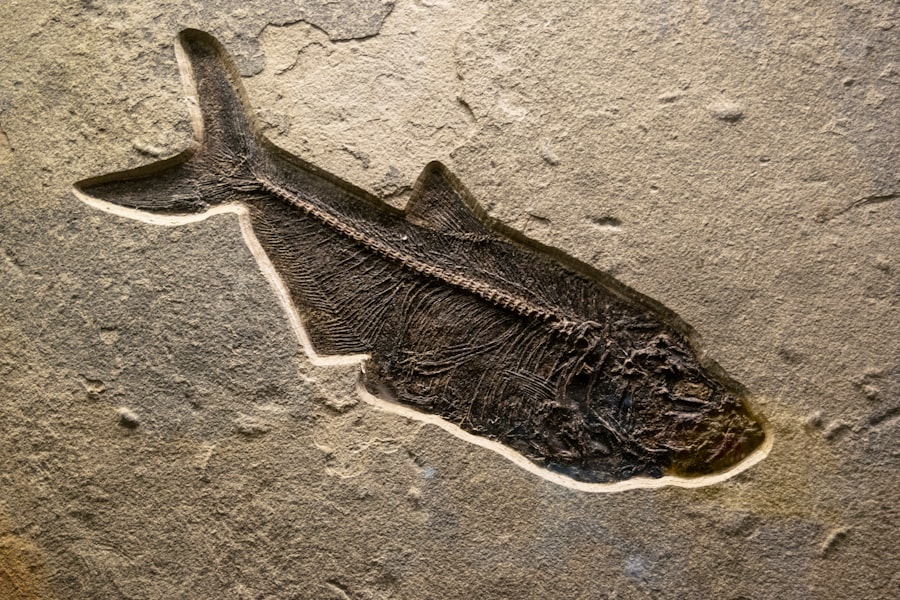
The presence of abundant surface water bodies – lakes, rivers, and wetlands – led to a significant focus on aquatic resources. Archaeological evidence points to the systematic exploitation of fish, mollusks, and waterfowl. This likely involved the development of fishing technologies such as nets, hooks, and possibly traps or spears. The analysis of faunal remains from sites often reveals a high proportion of aquatic species, underscoring their importance in the diet.
Terrestrial Foraging and Hunting
While aquatic resources were crucial, terrestrial foraging and hunting remained vital. The lush vegetation provided a rich array of edible plants, fruits, tubers, and seeds. The savanna and woodland environments supported diverse mammal populations, including large game, which would have been a significant source of protein and other nutrients. Hunting strategies likely involved a combination of individual and group efforts, possibly utilizing projectiles like spears and arrows.
Settlement Patterns and Mobility
The availability of reliable water sources and concentrated food resources influenced settlement patterns. During the humid periods, hunter-gatherer groups may have adopted more semi-sedentary lifestyles, establishing base camps near reliable water sources and abundant food supplies. This contrasts with the more nomadic patterns often associated with drier periods.
Evidence of Semi-Sedentary Living
Archaeological sites dating to these periods often exhibit evidence of longer-term occupation. This can include the presence of hearths, middens (accumulations of refuse), and evidence of tool manufacturing and processing activities. The spatial organization of these sites can also provide insights into the social dynamics of the groups.
Seasonal Mobility and Resource Tracking
While semi-sedentary living may have become more prevalent, seasonal mobility likely persisted. Human groups would have tracked the movements of migratory animals and the ripening of seasonal plant resources. This would have involved a deep knowledge of the landscape and the ability to adapt their movements to environmental changes.
Technological Innovations: Adapting to Abundance
The challenges and opportunities presented by the African Humid Periods spurred significant technological innovation. Human ingenuity was directed towards optimizing resource exploitation, improving toolkits, and enhancing daily life.
Lithic Technologies: Refinement and Specialization
Stone tool technologies (lithics) underwent refinement and specialization. The availability of better quality raw materials in some areas and the demands of processing diverse food sources led to the development of more specialized tools.
Microlithic Industries
The development and widespread use of microliths – small, finely crafted stone tools – is a hallmark of many African Humid Period archaeological assemblages. These were often hafted onto organic materials like wood or bone to create composite tools such as arrowheads, spear points, and knives. Their small size and efficiency suggest a focus on hunting smaller game and processing plant materials.
Grinding Stones and Processing Tools
The increased reliance on plant foods, particularly seeds and tubers, likely led to the greater use of grinding stones and other processing tools. These tools facilitated the extraction of nutrients from a wider range of plant species, expanding the dietary repertoire.
Bone and Organic Technologies
While stone tools are often the most durable and thus best preserved, evidence suggests the extensive use of bone and other organic materials for tool production. This included bone needles for sewing, harpoons for fishing, and points for spears. The scarcity of these materials in the archaeological record is a testament to their organic nature and susceptibility to decay.
Pottery and Ceramic Technologies
The advent and spread of pottery technology during certain humid periods represent a significant cultural and technological leap. Pottery offered new possibilities for food storage, cooking, and water transport.
Early Ceramic Traditions
The earliest evidence of pottery in Africa emerges during some of these humid intervals, particularly in Northeast Africa. These early ceramics were often utilitarian, used for cooking and storage. Their development signifies a greater investment in material culture and the ability to process food in new ways.
Regional Diversity in Ceramic Styles
As pottery technology spread, regional variations in styles, decoration, and manufacturing techniques emerged. These variations are invaluable for archaeologists in tracing trade routes, migration patterns, and cultural interactions between different groups.
Social and Cultural Developments: From Bands to Complex Societies
The environmental and technological shifts of the African Humid Periods had profound implications for the social and cultural organization of human populations. The increased availability of resources and the potential for more settled living fostered the development of more complex social structures and cultural expressions.
Emergence of Larger Groups and Social Stratification
With more reliable access to food and water, human groups could grow larger and potentially become more sedentary. This could have led to the development of more complex social hierarchies, with some individuals or groups holding more influence or status than others. Evidence for this might be found in differential burial practices or variations in the quality and quantity of grave goods.
Ritual and Symbolic Behavior
The stability and abundance of the humid periods may have provided the conditions for the development and elaboration of ritual and symbolic behavior. This could manifest in art, elaborate burials, or the construction of ceremonial sites.
Rock Art and Symbolic Expression
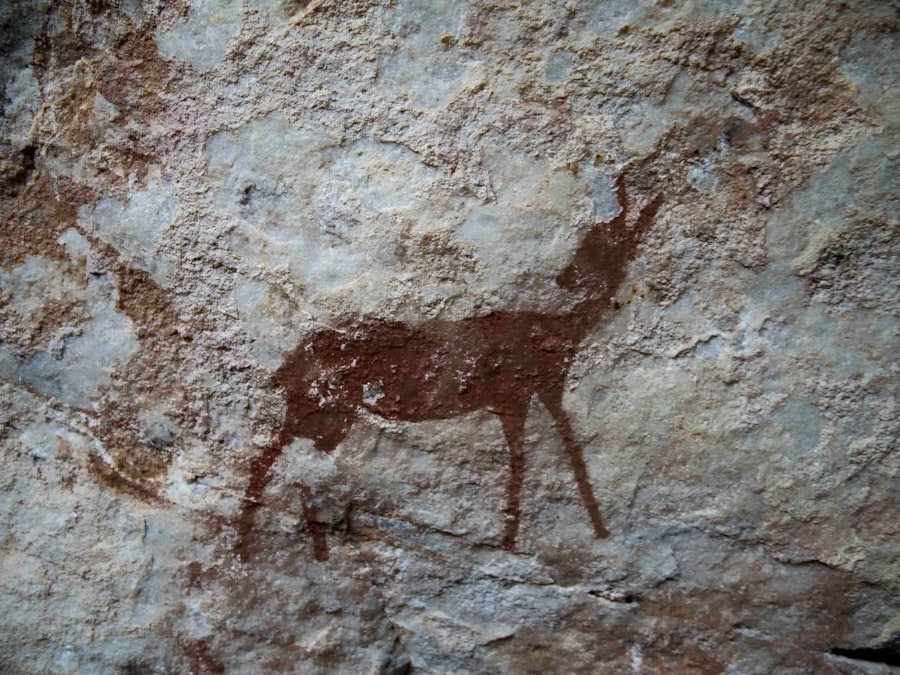
Many regions that experienced humid periods are renowned for their rich rock art traditions. These paintings and engravings, found on cave walls and rock shelters, depict animals, human figures, and abstract symbols. They offer a glimpse into the belief systems, cosmology, and daily lives of past peoples. The vibrant colors and intricate details suggest a significant investment of time and skill, pointing to the importance of symbolic expression.
Burial Practices and Social Status
Analysis of burial practices can reveal information about social organization. Elaborate burials, with numerous or high-quality grave goods, might indicate the presence of social stratification, with individuals of higher status receiving more elaborate treatment in death. Conversely, simpler burials might suggest a more egalitarian society.
Intergroup Relations and Exchange Networks
The more extensive human populations and the potential for more settled lifestyles likely facilitated increased interaction between different groups. This could have led to the development of exchange networks for both material goods and ideas.
Evidence of Trade and Mobility
Archaeological evidence such as the presence of exotic materials in sites far from their origin, or the adoption of similar tool technologies or pottery styles across different regions, can indicate trade and the movement of people. The distribution of specific types of stone or pottery can help reconstruct these ancient networks.
Recent studies in African Humid Period archaeology have shed light on the significant climatic shifts that influenced ancient human societies. Researchers have been uncovering how these changes affected settlement patterns and resource availability, leading to a deeper understanding of early human adaptation. For a more detailed exploration of the relationship between ancient climate and human behavior, you can read this insightful article on the topic at uncovering ancient climate steering secrets. This research not only highlights the importance of environmental factors in shaping human history but also emphasizes the resilience of communities in the face of dramatic ecological transformations.
The Legacy of the Humid Periods: Shaping Modern Africa
| Site | Location | Findings |
|---|---|---|
| Tellem Caves | Mali | Rock paintings, burial sites |
| Tassili n’Ajjer | Algeria | Rock art, evidence of early human occupation |
| Adrar Bous | Mauritania | Stone tools, pottery, evidence of domestication |
The African Humid Periods are not merely a chapter in the distant past; their legacy continues to shape the landscapes and human populations of Africa today. The geological formations, ancient watercourses, and even the distribution of certain plant and animal species can be traced back to these transformative eras.
Paleoenvironmental Legacies: Water Resources and Soil Fertility
The ancient lakes and rivers of the humid periods have left behind tangible evidence in the landscape, such as fossiliferous deposits and dried-up riverbeds. In some cases, these ancient hydrological systems have influenced the formation of modern water resources. Furthermore, the deposition of rich organic matter during these wetter times contributed to the fertility of soils in certain regions, impacting agricultural potential in the present day.
Human Migration and Genetic Diversity
The migrations and expansions of human populations during the humid periods played a crucial role in shaping the genetic diversity of African populations. As groups moved into new territories and interacted with others, their genes were mixed, contributing to the complex mosaic of human genetic variation we see across the continent today.
Archaeological Tourism and Cultural Heritage
The rich archaeological heritage left behind by the inhabitants of the humid periods is increasingly recognized as a valuable cultural resource. Sites of ancient human habitation, rock art galleries, and fossil sites attract archaeologists, scientists, and tourists, contributing to our understanding of human history and fostering economic development through cultural tourism. The preservation and study of these sites are vital for safeguarding our collective past.
Ongoing Research and Future Discoveries
The exploration of African Humid Period archaeology is an ongoing and dynamic field. Advances in dating techniques, remote sensing technologies, and analytical methods continue to refine our understanding of these crucial periods. Future research promises to uncover even more about the ingenuity, resilience, and complexity of early African societies, painting an ever more complete picture of humanity’s deep roots on the continent. The vast, under-explored regions of Africa still hold countless secrets, and the promise of new discoveries related to the humid periods remains immense. Each new excavation, each analyzed artifact, adds another piece to the grand puzzle of human evolution and adaptation in a world shaped by dramatic environmental change.

260 Ancient Graves Were Hiding in This “Empty” Desert
FAQs
What is the African Humid Period?
The African Humid Period refers to a time period in the past, approximately 14,800 to 5,500 years ago, when the climate in North Africa was significantly wetter than it is today. This period allowed for the growth of vegetation and supported a variety of wildlife, leading to significant changes in human settlement patterns and cultural development.
How has the African Humid Period impacted archaeology?
The African Humid Period has had a significant impact on archaeology by providing researchers with a unique opportunity to study ancient human societies and their interactions with the environment. The presence of increased vegetation and water sources during this period has led to the preservation of archaeological sites and artifacts that provide valuable insights into the lifestyles and activities of ancient African populations.
What have archaeologists discovered about ancient human societies during the African Humid Period?
Archaeologists have discovered evidence of ancient human settlements, agricultural practices, and trade networks that flourished during the African Humid Period. This includes the remains of ancient villages, tools, pottery, and evidence of domesticated plants and animals, all of which provide valuable information about the ways in which ancient African societies adapted to and thrived in the changing environment.
How has the study of the African Humid Period contributed to our understanding of climate change?
The study of the African Humid Period has provided valuable data for understanding past climate change and its impact on human societies. By analyzing the environmental and archaeological evidence from this period, researchers can gain insights into the ways in which ancient populations adapted to and coped with changing climatic conditions, which can inform our understanding of contemporary climate change and its potential effects on human societies.
What are some of the ongoing research questions and challenges in the study of the African Humid Period?
Ongoing research in the study of the African Humid Period includes efforts to refine the chronology of this period, understand the factors that contributed to its onset and end, and investigate the ways in which ancient African societies responded to environmental changes. Challenges in this field of study include the preservation of archaeological sites in the face of modern development and climate change, as well as the integration of diverse sources of evidence to reconstruct past environments and human activities.