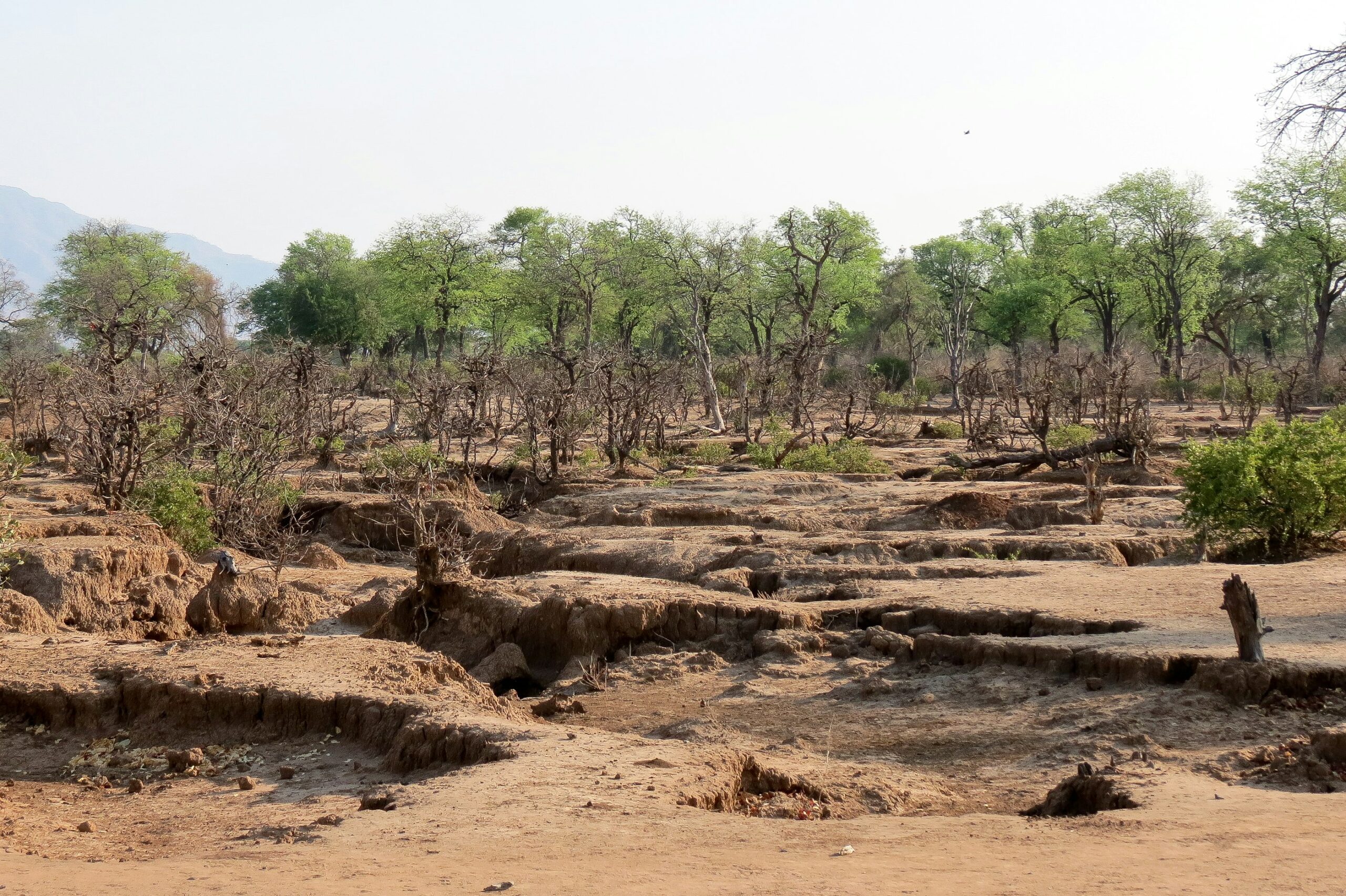
The Sahara Desert, a vast expanse of sand and rock, conjures images of an arid and unchanging landscape. Yet, beneath its sun-baked surface lies a history far richer and more dynamic than commonly perceived. For millennia, this seemingly desolate region has experienced dramatic climatic shifts, transforming from verdant grasslands and flowing rivers into the hyper-arid desert

260 Ancient Graves Were Hiding in This “Empty” Desert
FAQs
What is the focus of the Sahara climate change archaeology article?
The focus of the article is to explore the impact of climate change on the Sahara region and how it has affected the archaeological findings in the area.
What are some key findings discussed in the Sahara climate change archaeology article?
Some key findings discussed in the article include evidence of ancient human settlements and civilizations in the Sahara region, as well as how climate change has led to the desertification of the area.
How has climate change affected the Sahara region according to the article?
According to the article, climate change has led to the expansion of the Sahara desert, resulting in the loss of habitable land and the displacement of populations in the region.
What role does archaeology play in understanding the impact of climate change on the Sahara region?
Archaeology plays a crucial role in understanding the impact of climate change on the Sahara region by providing evidence of past human activity and environmental changes, which can help researchers and policymakers better understand the long-term effects of climate change in the area.
What are some potential implications of the findings discussed in the Sahara climate change archaeology article?
Some potential implications of the findings include a better understanding of how climate change has shaped human history in the Sahara region, as well as insights into how current and future climate change may continue to impact the area.